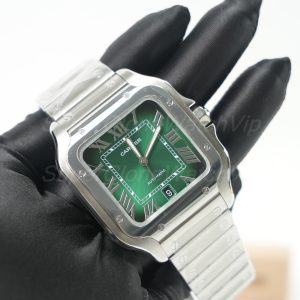
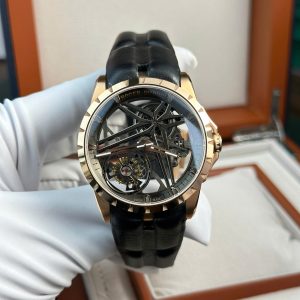
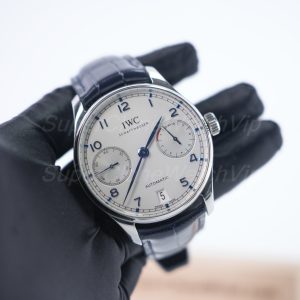
The aps vs zf ap royal oak comparison is not only a factory-name debate. Instead, the real decision depends on bracelet finishing, tapisserie dial texture, bezel screw balance, case shape, clasp action, date window position, and video proof before shipping.
For broader category browsing, clone watches can be reviewed through the main site. However, this article stays focused on AP Royal Oak factory version comparison, visible QC details, and a clear model-selection path.
Why APS and ZF Are Compared for Royal Oak Models
First, the Royal Oak design exposes small finishing differences quickly. The flat bezel, visible screws, integrated bracelet, brushed case planes, and square dial texture all sit in direct view. Therefore, one weak area can affect the whole watch.
Meanwhile, APS and ZF often appear in the same AP discussion because both names are connected with Royal Oak-style factory choices. Still, the stronger answer depends on the exact reference, dial color, case size, current stock, and real QC photos.
For official design context, Audemars Piguet presents the Royal Oak collection around its octagonal bezel, visible screws, Tapisserie dial, and integrated bracelet. That reference explains why these visible areas matter so much in QC review. View the Royal Oak collection context.
As a result, the best aps vs zf ap royal oak process is simple. Start with the model. Then compare the factory version. Finally, review QC photos before shipping before final approval.
Bracelet QC: Brushing, Link Fit and Clasp Action
Next, the bracelet should be reviewed before the dial excitement takes over. On the Royal Oak, the bracelet is not a separate strap. Instead, it continues the case architecture and controls the wearing impression.
In an APS Factory AP review, bracelet sharpness often becomes the first point of interest. Clean brushing, crisp side edges, and strong first-link fit can make the watch feel more architectural. However, sharp finishing still needs natural bracelet drop.
By contrast, a ZF factory review often looks at overall flow and balance. If the bracelet moves more naturally, the watch may sit cleaner on the wrist. Still, visible link gaps, uneven brushing, or a raised clasp should be checked again.
Brushing direction
Look for straight grain across the links. Also, check whether polished bevels stay clean beside brushed surfaces.
First-link fit
The first links should connect smoothly with the case. Wide gaps can weaken the integrated Royal Oak look.
Clasp closure
A clean clasp should close flat. In addition, logo depth, hinge feel, and side balance need close photos.
Dial QC: Tapisserie Texture, Logo and Date Window
After the bracelet, the dial becomes the emotional center of the AP Royal Oak super clone search. The tapisserie-style texture should not look like a flat printed grid. Instead, it should show depth, clean spacing, and even alignment.
APS may look attractive when the dial texture has stronger contrast. However, the logo, hour markers, hands, and minute track still need calm alignment. A dramatic texture cannot hide a crooked marker or uneven date window.
ZF may look more balanced on some dials because the layout can appear softer and cleaner. However, the date window must still sit centered. Therefore, straight front photos are more useful than angled beauty shots.
Dial details that deserve close photos
Tapisserie depth and grid consistency
AP logo position and print clarity
Hour marker spacing and straightness
Date window centering and font weight
Case and Bezel QC: Shape Matters More Than Factory Hype
However, the case may decide the comparison faster than the dial. A Royal Oak should look flat, angular, and controlled. If the side profile feels too thick, the whole design loses its sharp character.
APS may stand out when the case edges and bezel planes look crisp. Still, rough brushing or overly harsh lines can reduce the refined feel. ZF may stand out when the front balance and side profile look calmer.
Meanwhile, bezel screws require extra care. Their slots, depth, spacing, and visual balance affect the full front view. Because the screws are part of the design language, even small unevenness becomes easy to notice.
For wider factory questions, use the factory version guide. It keeps factory discussion tied to model, version, stock, and QC evidence instead of broad ranking claims.
Product Selection Paths That Match This Comparison
A good aps vs zf ap royal oak comparison should connect factory notes with real model choices. Therefore, this section keeps the product path narrow: bracelet finishing, dial layout, case profile, bezel screw balance, date window, and QC photo value.
For the full AP category, review aps vs zf ap royal oak model options first. Then use the products below as practical examples for comparing Royal Oak bracelet, dial, and case QC.


QC Photo Checklist Before Final Confirmation
Before final confirmation, real photos should answer one question clearly: does the actual watch match the selected model and factory version? Therefore, the QC set should cover front, side, bracelet, clasp, caseback, crown, date, and function details.
For a clean decision process, the selection guide can be reviewed before stock confirmation. Then the final request can move through model, version, QC photos, and shipping route in one organized message.
Dial
Check tapisserie texture, logo placement, marker alignment, hand length, print clarity, and dust.
Bezel
Check screw balance, screw depth, octagonal shape, brushed surface, and polished edge control.
Case
Check side thickness, crown position, lug transition, caseback fit, and case-plane brushing.
Bracelet
Check first-link fit, link gaps, bracelet taper, side brushing, polished bevels, and natural drop.
Clasp
Check closure height, logo depth, hinge action, brushing, and left-right alignment.
Date window
Check date centering, font weight, window edge, and straight front alignment.
Movement and function
Check winding, hand setting, date change, chronograph reset when present, and basic running function.
Video proof
Check dial reflection, bracelet motion, clasp action, side thickness, crown action, and hand movement.
Extended Reading for AP and Factory Research
These related guides keep the reading path inside the same AP, factory-version, and QC topic cluster. In addition, they help connect factory comparison traffic with model-level decision pages.
For broader research flow, the related guide hub connects factory notes, QC checklists, model comparisons, and order support pages.
FAQ: APS vs ZF AP Royal Oak
Is APS always better than ZF for Royal Oak models?
No. APS vs ZF AP Royal Oak depends on the reference, dial color, case size, and current version. Therefore, real QC photos matter more than a fixed factory ranking.
What should be checked first in Royal Oak QC photos?
Start with bracelet fit, case shape, and dial balance. After that, check bezel screws, clasp closure, date window centering, and function video.
Why does bracelet finishing matter so much?
The Royal Oak bracelet continues directly from the case. As a result, uneven links, rough brushing, or poor clasp alignment can change the whole wrist impression.
Does dial color affect the APS and ZF decision?
Yes. Blue, green, black, grey, and skeleton-style dials expose different issues. Bright dials can show marker alignment clearly, while darker dials may hide small texture flaws.
Is video proof useful before shipping?
Yes. Video proof can show bracelet motion, clasp action, crown operation, dial reflection, date change, and chronograph reset when the model has chronograph functions.
How should the final contact message be prepared?
A clear message should include the target AP Royal Oak model, dial color, case size, budget range, preferred factory version, receiving country, stock request, QC photo request, and video proof request.
Final Summary and Contact Path
Overall, aps vs zf ap royal oak is best handled as a model-first comparison. APS may appeal when sharper bracelet and case presence matter more. Meanwhile, ZF may appeal when dial balance and smoother proportions feel more important.
Before confirmation, the strongest path is to compare the current factory version, review actual QC photos, and request video proof for function and bracelet movement. This keeps the decision practical instead of relying on one factory name.
First
Choose the exact Royal Oak reference, dial color, case size, and bracelet direction before comparing factories.
Next
Request front, side, bracelet, clasp, date window, caseback, crown, and function photos.
Finally
Confirm stock, factory version, QC photos, video proof, and shipping route before approval.
Confirm AP Royal Oak Stock and QC Photos
For the next step, send the target model, budget range, factory-version preference, dial color, bracelet choice, receiving country, stock request, QC photo request, and video proof request through official support.