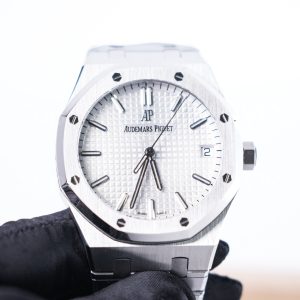
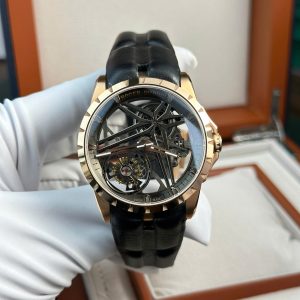
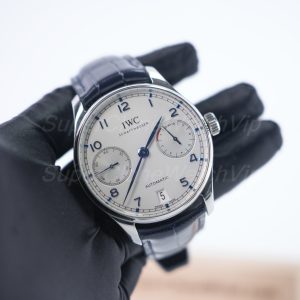
This APS Factory Review focuses on AP Royal Oak QC, factory notes, case finishing, bracelet fit, dial texture, date window checks, and video proof before shipping. Instead of treating APS as only a factory name, this guide explains how a Royal Oak-style watch should be reviewed through real photos and practical finishing details.
In the wider world of clone watches, AP Royal Oak models need stricter visual review. The octagonal bezel, exposed screws, flat case planes, and integrated bracelet can reveal small finishing issues quickly. Therefore, this article stays focused on APS, Royal Oak QC, and model-specific factory notes.
Article Navigation
Why APS Factory Matters for AP Royal Oak Searches
First, the AP Royal Oak is difficult to judge from one product photo. The design looks simple at a distance. However, the flat bezel, brushed case, polished bevels, and exposed screws leave little room for weak finishing.
Therefore, an APS factory AP review should look beyond dial color. The real check starts with case shape, bezel screw balance, bracelet integration, clasp fit, and side thickness. In addition, the factory version guide helps compare factory choices by model instead of name only.
At the same time, APS should not be treated as a fixed answer for every Royal Oak. A simple three-hand model, a chronograph, and an openworked direction all need different QC priorities. As a result, this APS Factory Review uses a model-first approach.
Case Finishing Defines the Royal Oak Feel
Next, case finishing should be the first serious check. The AP Royal Oak depends on sharp geometry, straight brushing, and clean polished bevels. If the edges look soft, the watch loses much of its Royal Oak character.
For example, the top of the bezel should show controlled brushing. The polished bevel should catch light cleanly. Also, the case side should look even from the crown area to the first bracelet links.
Because of this, the QC photos before shipping should include front, side, angled, bracelet, clasp, and wrist-style views. A single front photo cannot show the full Royal Oak profile.
| QC Area | What to Check | Why It Matters |
| Case finishing | Brushing direction, bevel polish, side profile, and edge control | Royal Oak character depends on clean light play and firm geometry. |
| Bezel screws | Depth, spacing, slot direction, and even seating | Uneven screws can disturb the whole front view. |
| Bracelet | First-link fit, brushing, bevels, bracelet drop, and clasp closure | The bracelet is part of the Royal Oak case design. |
| Dial and date | Texture depth, logo position, marker alignment, and date centering | Small dial errors are easy to notice on a flat Royal Oak layout. |
Dial, Bezel, and Date Window Notes
Meanwhile, the dial deserves a separate look. Many AP Royal Oak models use a square textured dial. The texture should look centered, clean, and consistent across the full surface.
However, dial texture is only one part of the review. The logo should sit straight. The hour markers should not lean. Also, the hands should match the dial layout without looking too short or too heavy.
Finally, the date window needs direct front photos. The date should sit centered in the frame. If the font looks too high, too low, or pushed to one side, the issue can stand out during daily wear.
APS Factory Review QC Photo Checklist
This APS Factory Review checklist keeps the process practical. It also avoids judging the watch from the best-looking angle only. For each Royal Oak-style model, the full QC set should cover the following areas.
Dial
Check texture, logo placement, marker alignment, hand length, and printing clarity.
Bezel
Check octagonal shape, screw seating, edge sharpness, and brushed surface balance.
Case
Check thickness, side profile, polished bevels, brushing, and crown position.
Bracelet
Check first-link fit, link brushing, bevel consistency, and natural bracelet drop.
Clasp
Check closure, engraving, hinge feel, brushing, and left-right alignment.
Date Window
Check centering, font weight, window edge, and straight front alignment.
Movement / Function
Check winding, time setting, date change, chronograph action, and basic running function.
Video Proof
Check dial reflection, bracelet movement, clasp action, hand motion, and side thickness.
In addition, video proof before shipping can reveal bracelet movement and clasp action better than still photos. This matters more on Royal Oak models because the bracelet and case work as one shape.
Factory Notes: APS and Royal Oak Versions
However, APS should not be judged as one single answer for every Royal Oak direction. A three-hand model has different checks from a chronograph. Likewise, an openworked model adds bridge finishing, skeleton layout, and movement-view balance.
As a result, the stronger method is model-first comparison. Start with the Royal Oak direction, then compare dial color, bracelet type, case style, and available factory version. After that, real QC photos can confirm whether the actual watch fits the target standard.
For broader decision support, the selection guide explains how model choice, factory version, QC evidence, and support steps fit together before payment.
Royal Oak Model Options for APS Review
For a first Royal Oak shortlist, stainless steel, chronograph, and openworked directions are easier to compare through photos. The bezel, bracelet, dial, and clasp are visible from clean front and side views. Moreover, these models show case finishing more directly than darker ceramic directions.
Meanwhile, chronograph and openworked designs need extra review time. Sub-dial spacing, pusher feel, bridge layout, and hand reset should appear clearly in QC photos or video.


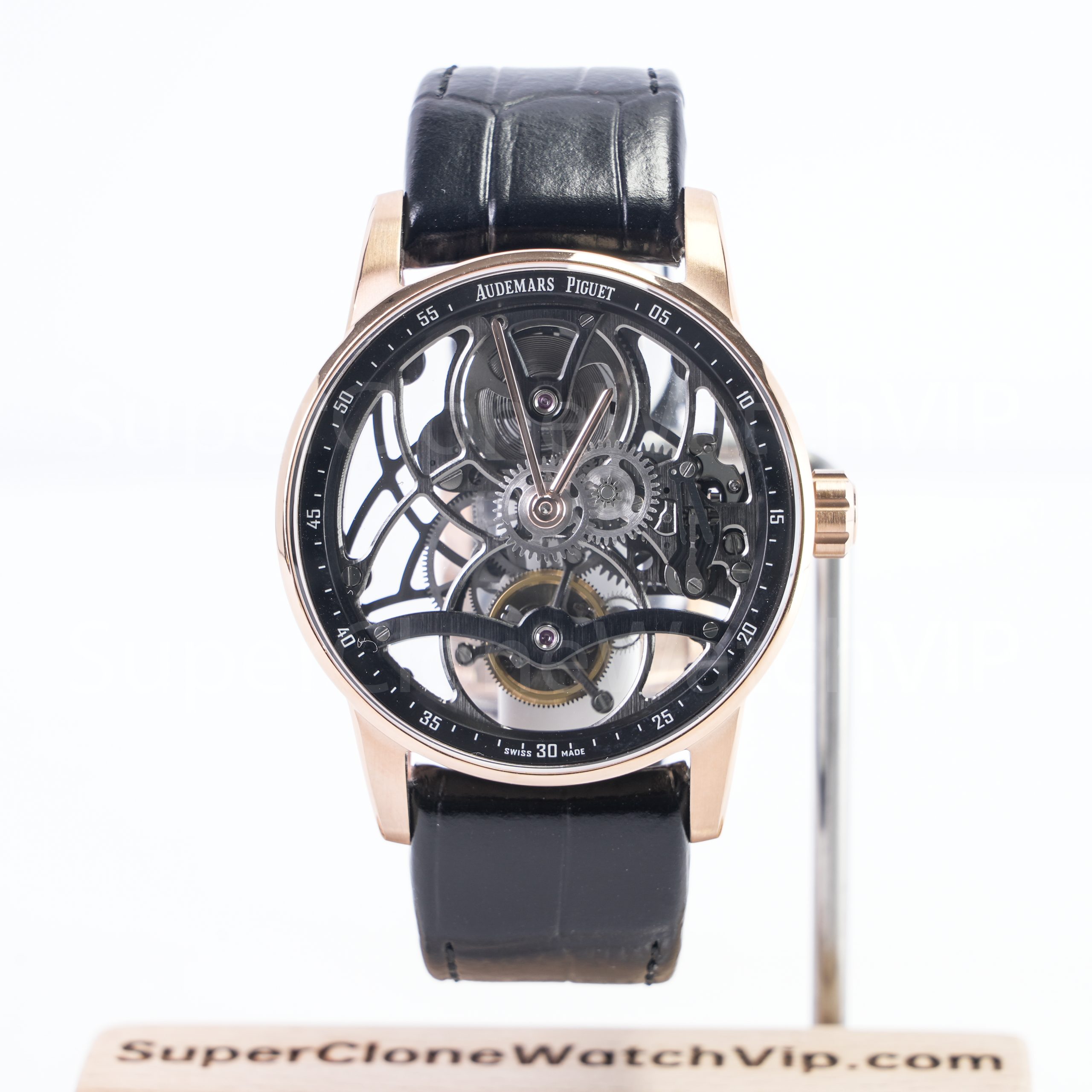
In addition, the full Audemars Piguet collection can be used to compare Royal Oak, Offshore, Concept, bracelet, rubber strap, and openworked directions. For a cross-brand shape check, related model options can help compare bracelet style and daily-wear profile.
Extended Reading
For a cleaner internal path, these related guides continue the same factory, AP Royal Oak, and QC topic cluster. They support this APS Factory Review without repeating broad definition topics.
AP Royal Oak Case and Dial Guide
Compare Royal Oak case shape, dial balance, factory version, and QC photo priorities for AP-focused selection.
Factory Version Guide
Review how factory names, model fit, current version, case finishing, and QC evidence work together.
Quality and QC Experience
Understand how real photos, version checks, support path, and pre-shipping confirmation shape final selection.
APS Factory Review FAQ
Overall, this APS Factory Review should be used as a practical AP Royal Oak QC framework. Factory reputation can narrow the search, but the final decision should rely on the exact watch, current version, real QC photos, and video proof.
Confirm APS Royal Oak Stock and QC Photos
For the next step, send the target AP Royal Oak model, budget range, factory-version preference, dial color, bracelet choice, and receiving country. Stock status, factory version, QC photos, and video proof can then be confirmed before shipping.