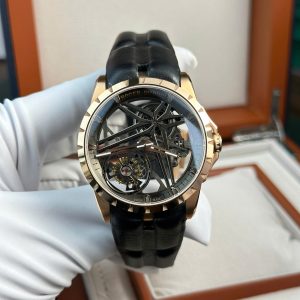
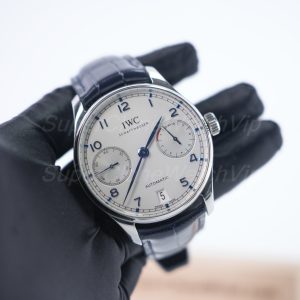
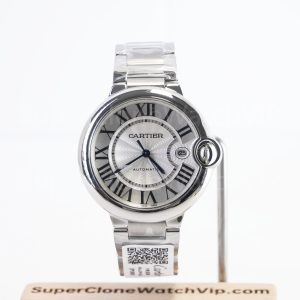
The phrase 1:1 super clone watches sounds precise, yet it is often used too broadly. In practical watch research, “1:1” usually means a close visual match to a known luxury watch design, not a fixed technical standard. Therefore, a serious comparison should review the exact model, current factory version, QC photos, budget level, support route, and final shipping confirmation before any order decision.
What “1:1” Really Means Before Comparing Models
Short answer: “1:1” is a market phrase for a close luxury-style visual match. However, it should not be treated as a universal grade. A stronger decision checks the model, factory version, dial quality, case profile, bracelet finish, movement expectation, QC photos, and support route before shipping.
In other words, the label can help with early research. Still, the final decision should come from visible proof, version clarity, and clean communication rather than from one polished product image.
At the start of research, the main replica watches collection gives a broad view of Rolex-style, AP-style, Patek-style, Cartier-style, Richard Mille-style, OMEGA-style, and other luxury-style options. After that, the comparison should become more specific.
In watch discussions, “1:1” usually suggests a close recreation of a known luxury model’s visual language. It may refer to case shape, dial layout, bezel style, bracelet profile, clasp design, movement appearance, or overall wrist presence. However, the phrase does not prove that every part, tolerance, material source, service path, or legal condition is identical to an official watch.
Therefore, the phrase should work as a starting claim, not as the whole decision. A serious comparison still needs a clear model name, current factory version, actual QC photos, and final confirmation. Without those checks, “1:1” can become a vague promise.
The useful path is simple. First, choose the model direction. Next, compare the available version. Then, review QC photos. Finally, confirm stock, receiving region, and support route before approval. This sequence solves the real search intent and keeps the article connected to an order-ready next step.
Design match
Case shape, dial layout, bezel form, bracelet taper, clasp profile, and wrist presence create the first impression.
Version clarity
Factory wording matters only when it connects to the exact model, current stock, and available QC process.
QC proof
Front, side, bracelet, clasp, caseback, and lume photos make the final review more reliable before shipment.
When This Type of Watch Actually Makes Sense
This topic fits early research around quality levels, model choices, factory versions, and ordering checks. It is especially useful when the search includes terms such as super clone watches, replica watch, clone watches, super clone watch meaning, super clone watch review, best 1:1 replica watches, or how much does a super clone watch cost.
Makes sense for
- Comparing a first replica watch or higher-grade clone watch.
- Choosing between diver, GMT, chronograph, dress, or integrated bracelet styles.
- Checking whether a factory version suits the exact model.
- Preparing a clear message before asking about stock, QC photos, and shipping.
Not ideal for
- Expecting one factory name to be best for every model.
- Choosing only by a discount or coupon code.
- Skipping QC photos before shipment.
- Assuming legal or customs outcomes are the same in every region.
Start With the Model, Not Just the Factory Name
Many watch discussions jump directly to factory names. However, model choice should come first. A factory may be strong for one watch family and less convincing for another. Also, a version that works well for a diver-style model may not be the right choice for a chronograph, GMT, dress watch, or integrated bracelet design.
For that reason, the first decision should define the exact model direction. A diver-style watch needs bezel alignment, lume consistency, crown-guard shape, bracelet fit, and clasp finishing. Meanwhile, a chronograph-style watch needs a closer look at sub-dial spacing, pusher shape, hand position, case thickness, and movement expectation.
At the same time, a GMT-style watch needs date-window position, bezel color balance, hand-stack appearance, bracelet fit, and travel-watch readability. A dress-style watch needs dial texture, marker placement, case thickness, crown proportion, and strap fit. Therefore, one checklist cannot serve every model equally.
For deeper factory logic, the Super Clone Watch Factory Guide can support version comparison. Still, factory wording should be used as a filter, not as the final answer.
Diver-style models
Check bezel alignment, lume, crown guards, date magnification, bracelet fit, and clasp detail.
Chronograph models
Review sub-dial layout, pushers, case thickness, hand reset position, and movement expectation.
Integrated bracelet models
Look closely at case-to-bracelet flow, link shape, brushing direction, clasp feel, and side profile.
Dress-style models
Focus on dial texture, marker placement, slimness, crown size, strap fit, and clean proportion.
Three Product Directions Worth Comparing
A product route should appear only after the main question is answered. Once the meaning of “1:1” is clear, model examples help turn research into action without forcing a hard sell.
For a broader product route, the QC-ready product options page is a practical next stop. It lets the search move from theory into model categories before final contact.
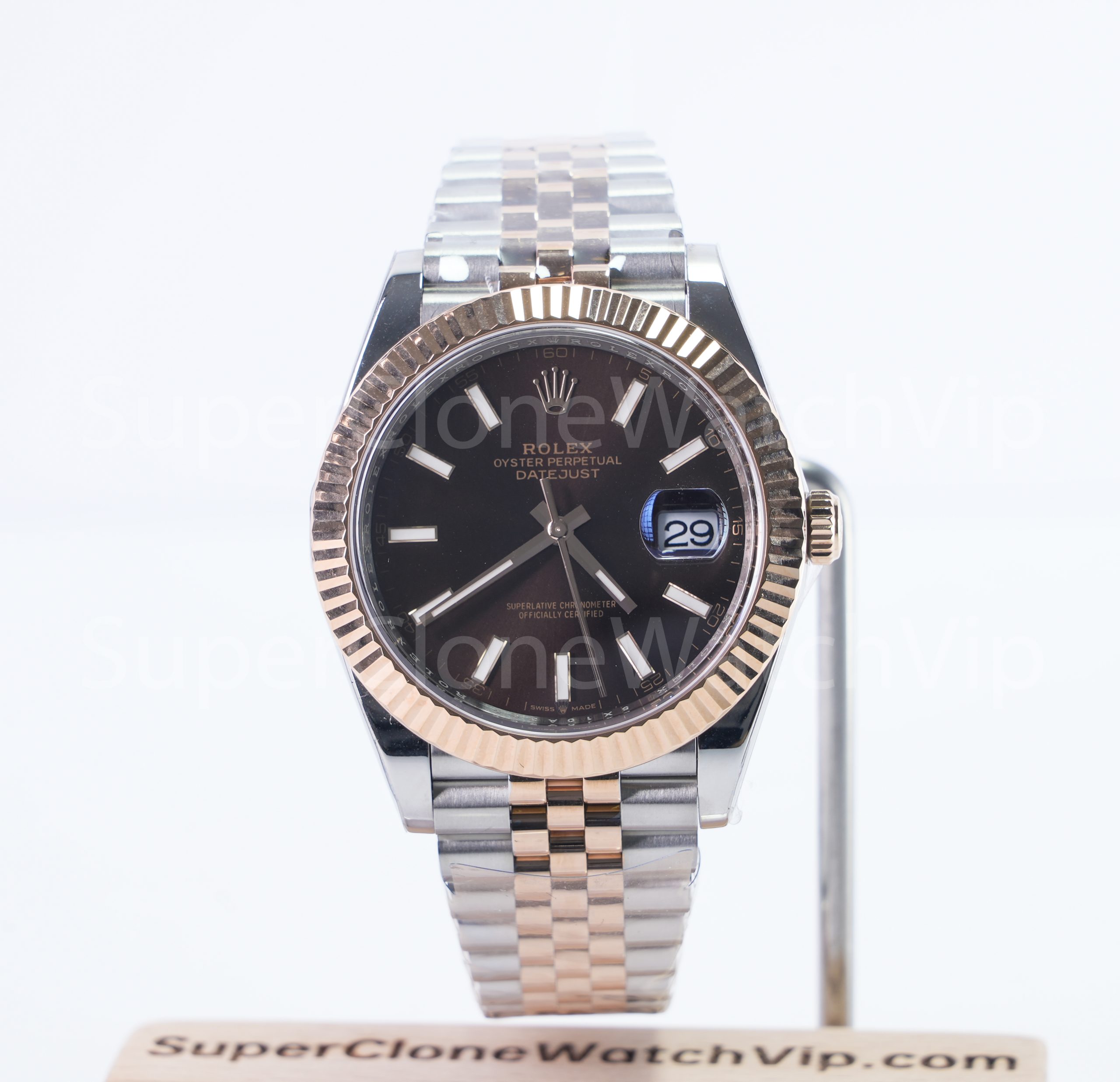

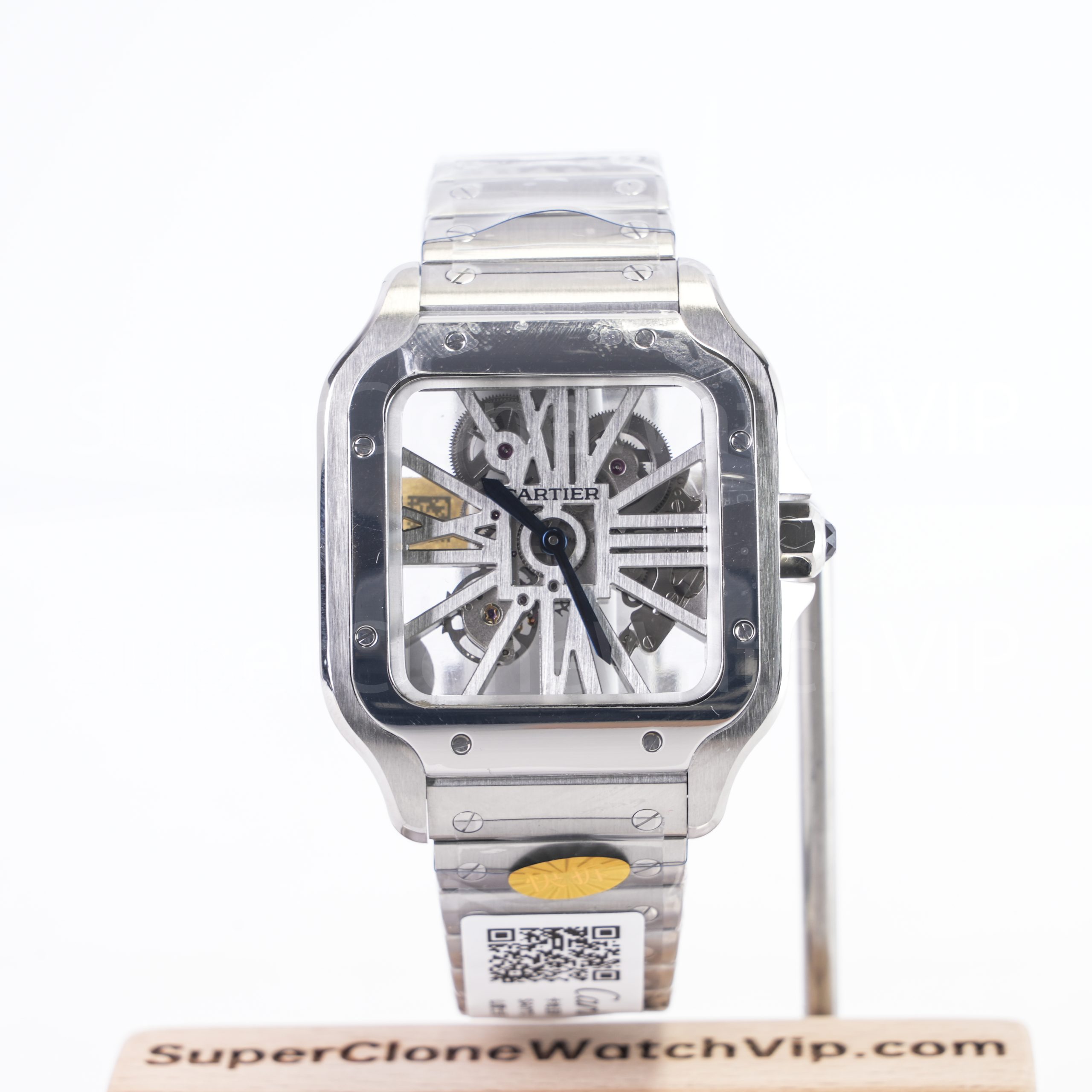
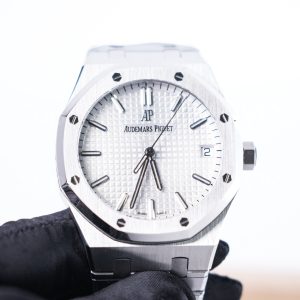
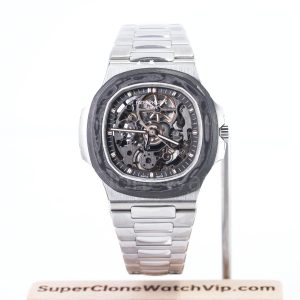
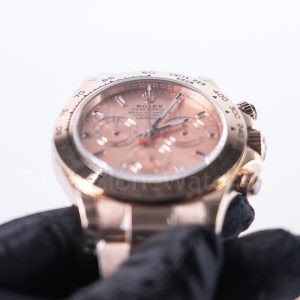
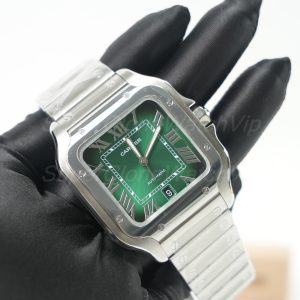
These product examples are not random placements. The Datejust-style model explains daily-wear QC checks, the Royal Oak Chronograph shows integrated bracelet and sub-dial inspection, and the Santos skeleton model shows why openworked depth and visible movement layout need closer photo review before approval.
How to Read Factory Version Claims Without Guessing
Factory names can help narrow research, but they should never replace model-level checking. A factory claim is useful only when it connects to the exact watch, current version, stock status, and QC photo process.
For example, an integrated bracelet model may depend heavily on case-to-bracelet flow, bezel screws, brushing direction, and clasp structure. A dress-style model may depend more on dial texture, date magnification, case slimness, and strap or bracelet proportion. Therefore, the same factory label cannot answer every question.
A good version check should include the model, case size, dial color, bracelet or strap, movement expectation, current availability, and pre-shipping photo scope. This makes the factory claim easier to verify and easier to compare.
QC Photos That Matter Before Shipping
QC photos are where the article becomes useful for real ordering decisions. Product images show the model direction. However, QC photos show the prepared watch. That difference matters when small details affect the final impression.
A complete QC photo set should cover the dial, case, bracelet or strap, clasp, and caseback. For sports models, lume can also matter. For chronograph or GMT models, a short function video may help confirm hand movement and visual behavior.
The Super Clone Watch QC Process explains how pre-shipping photo review helps reduce uncertainty. This should be treated as a practical step, not an optional extra.
Dial photo
Check marker alignment, logo spacing, hand length, date placement, print quality, and minute-track balance.
Side case photo
Review case thickness, crown position, crystal height, lug profile, bezel edge, and side finishing.
Bracelet and clasp
Look at end-link fit, clasp shape, brushing, link taper, engraved details, and overall comfort direction.
Caseback and lume
Check engraving, visible movement layout, solid-back finishing, and lume consistency when the model needs it.
Decision Table: Compare Details Before Ordering
A table helps reduce guesswork. More importantly, it prevents one attractive image from controlling the whole decision. Each option should be compared by the same visible and practical standards.
| Decision area | What to check | Why it matters | Risk if skipped |
|---|---|---|---|
| Model and size | Reference style, case size, dial color, bracelet type | The same model family can include many versions | The wrong size or dial may be selected |
| Factory version | Factory name, current version, stock status | Version affects finishing and movement presentation | A weaker version may be chosen by mistake |
| Dial details | Logo, markers, printing, hands, date window | The dial is the most visible surface | Small flaws may stand out quickly |
| Case profile | Lugs, crown guards, bezel, side thickness | Case geometry controls wrist presence | The watch may look too thick or unbalanced |
| Bracelet or strap | End links, clasp, taper, brushing, fit | Daily wear depends on comfort and finishing | The watch may feel less refined |
| Movement expectation | Exterior focus, function focus, movement display focus | Movement wording affects price and expectations | Assumptions may not match the prepared watch |
| QC photos | Dial, side case, clasp, bracelet, caseback, lume | Photos confirm the prepared watch before shipping | Issues may appear only after delivery |
This table is not a promise of perfection. Instead, it separates checkable details from broad claims. As a result, the final selection becomes easier to explain and easier to confirm.
Budget Levels and Realistic Expectations
Budget should appear early in the selection note. Otherwise, a value option, a mid-range option, and a higher-detail option may be compared as if they were the same. That creates unrealistic expectations.
For example, searches such as best replica watches under $500 often point toward daily-wear styling choices. These options may focus on the overall look. However, movement decoration, bracelet refinement, and fine finishing may be more limited.
Meanwhile, searches such as best replica watches under $1000 usually suggest stronger expectations. The comparison may include cleaner finishing, better version selection, and more detailed QC review. Still, model complexity can change the best route.
Also, movement wording should be confirmed directly. Phrases such as Swiss movement super clone watches can mean different things across pages. Therefore, movement expectation should be treated as a question, not an assumption.
Legal and Online Shopping Risk Notes
The question “are super clone watches legal” should be handled carefully. Legal treatment can vary by country, customs situation, trademark rules, and intended use. Therefore, no article should turn legal uncertainty into a purchase promise.
There is also a practical online-shopping side. The Federal Trade Commission online shopping guidance recommends checking product descriptions, reviewing the site before payment, and keeping records of communication. In this watch category, that means checking product-page consistency, QC photos, contact details, and shipping confirmation before making a decision.
This risk-aware approach is less flashy, but it is more useful. It keeps the process realistic and reduces avoidable misunderstanding.
Common Mistakes That Lead to the Wrong Choice
Relying on one image
Studio lighting can hide small issues. Therefore, actual QC photos matter more than one perfect gallery image.
Choosing only by factory name
A factory name can help, but the exact model and current version still need photo-based confirmation.
Ignoring the bracelet
Bracelet taper, clasp feel, brushing, and end-link fit strongly affect the final wearing impression.
Skipping final confirmation
Model, version, QC approval, receiving region, and shipping details should be checked before approval.
Also, a coupon search should not become the main decision tool. A discount cannot fix weak model selection, unclear QC, or poor communication. Therefore, better value comes from matching budget, model, version, and support route.
What to Confirm Before Sending an Inquiry
The best next step is not immediate checkout. Instead, the process should move through confirmation. Model, factory version, budget, movement expectation, QC photo scope, and receiving region should be clear before final approval.
First, prepare a short model note. Include target style, size, dial color, bracelet or strap preference, budget range, and any factory preference. Then ask whether the current version is available for that model.
Next, request QC photos before shipping. The most useful set includes front dial, side case, clasp, bracelet or strap, caseback, and lume when relevant. A short video can also help when the model has chronograph or GMT functions.
Finally, use the official contact route for stock, version, QC, and shipping confirmation. Review signals can also help set expectations, so the review feedback page is useful before final contact.
Pre-shipping checklist
- Confirm the exact model, size, dial color, and bracelet or strap choice.
- Confirm the factory version or request a model-based version suggestion.
- Confirm the budget level and movement expectation.
- Request QC photos before shipping.
- Review dial, bezel, case side, clasp, bracelet, caseback, and lume if relevant.
- Confirm stock, receiving region, contact route, and final dispatch details.
FAQ
What does the 1:1 phrase mean in this category?
The phrase usually describes higher-detail replica-style watches designed to closely follow the look, proportions, dial layout, case shape, bracelet style, and wrist presence of known luxury models. However, it is not a universal technical grade, so model details, version notes, and QC photos still matter.
How should different options be compared?
Start with the exact model, size, dial color, bracelet or strap type, and budget level. Then review factory version, dial details, case shape, clasp finishing, movement expectation, and QC photo scope. This keeps the decision tied to visible evidence.
Which factory or version should be checked before ordering?
The right version depends on the exact model. A factory may be strong for one model family and less suitable for another. Therefore, factory comparison should include model, size, dial, bracelet, budget, current stock, and QC needs.
What QC photos should be requested before shipping?
The most useful QC photos include front dial, side case, bracelet or strap, clasp, caseback, and lume when relevant. A short video can help when the model has chronograph, GMT, or movement-display details.
How should model, budget and support path be chosen?
Choose the model direction first. Then match the budget with expected finishing, version availability, movement expectation, and QC support. Finally, confirm stock, receiving region, contact route, and dispatch details before approval.
Are these watches legal everywhere?
Legal treatment can vary by country, customs situation, trademark rules, and intended use. Therefore, local rules and possible risks should be understood before any purchase decision.
Final Checklist Before Choosing 1:1 Super Clone Watches
In conclusion, the phrase works best as a starting point, not a final guarantee. A stronger decision comes from model clarity, factory-version confirmation, QC photos, budget control, and official support communication.
Before final approval, send the target model, budget range, preferred factory, and receiving region through WhatsApp or the contact page. Then confirm stock, version, and QC photos before deciding whether to proceed.
- First, define the model, size, dial color, bracelet or strap, and wearing purpose.
- Next, request the current factory version and QC photo set before shipping.
- Finally, confirm stock, receiving region, support route, and final dispatch details.