How watch crowns work is a small question with a big effect on daily use, side-profile balance, and pre-shipping QC. The crown controls winding and setting, but it also reveals case fit, crown guard shape, factory-version quality, and movement-position relevance in real photos.
What Is a Watch Crown?
First, a watch crown is the small external control on the case side. It connects to the internal stem, and the stem interacts with the movement. As a result, the crown can wind the watch, set the time, and adjust the date when the movement supports that function.
In most modern mechanical watches, the crown sits at 3 o’clock. However, some designs place it at 4 o’clock, 12 o’clock, or on the left side. The position depends on the case design, movement layout, and wearing concept.
For general horology background, Monochrome Watches explains different watch crown types and why this part matters for winding, setting, and case construction. That background is useful before reviewing any crown detail in QC photos. Read the crown guide from Monochrome Watches.
Why Crown Detail Matters on Luxury-Style Watches
Although the crown is small, it changes the whole side profile. A clean crown sits straight, closes neatly, and feels connected to the case. In contrast, a tilted crown or uneven crown guard can make the case look unfinished.
Moreover, crown design must match the watch family. A Daytona-style model needs a balanced crown and pusher layout. A Royal Oak-style model needs a crown that fits the angular case. An Aquanaut-style model needs a restrained crown that works with a softer sport case.
Therefore, crown review is not only about winding and setting. It is also about case machining, movement fit, crown tube position, finishing quality, and the final impression shown in QC photos before shipping.
Key Details to Check on a Watch Crown
First, crown size should match the case. A crown that looks too large can make a slim dress profile feel heavy. However, a crown that looks too small can weaken a sport-watch case.
Next, the crown should sit straight from the side. A tilted crown may suggest poor crown tube fit, stem height mismatch, or weak case machining. Even if the front dial looks strong, this side detail can still affect the final decision.
Finally, finishing should look consistent. Polished crown caps should reflect cleanly. Brushed areas should not look cloudy. Grooves should look sharp enough for the model style, but not rough or uneven.
- Crown alignment should look straight from the side view.
- The closed crown should not sit far away from the case.
- Crown guards or pusher spacing should look even and natural.
- The crown logo-style mark should not appear obviously crooked.
- Winding and setting should match the listed movement option.
Model Examples: Crown Checks That Match Real Product Pages
The examples below are chosen because the crown area directly supports the article topic. Each product image is fully clickable and leads to its matching product page. The button below each image follows the same link, so the next step is clear after reading the guide.
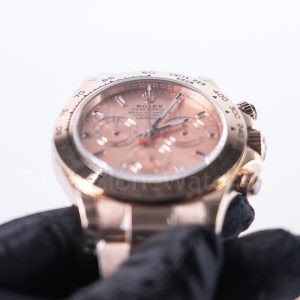
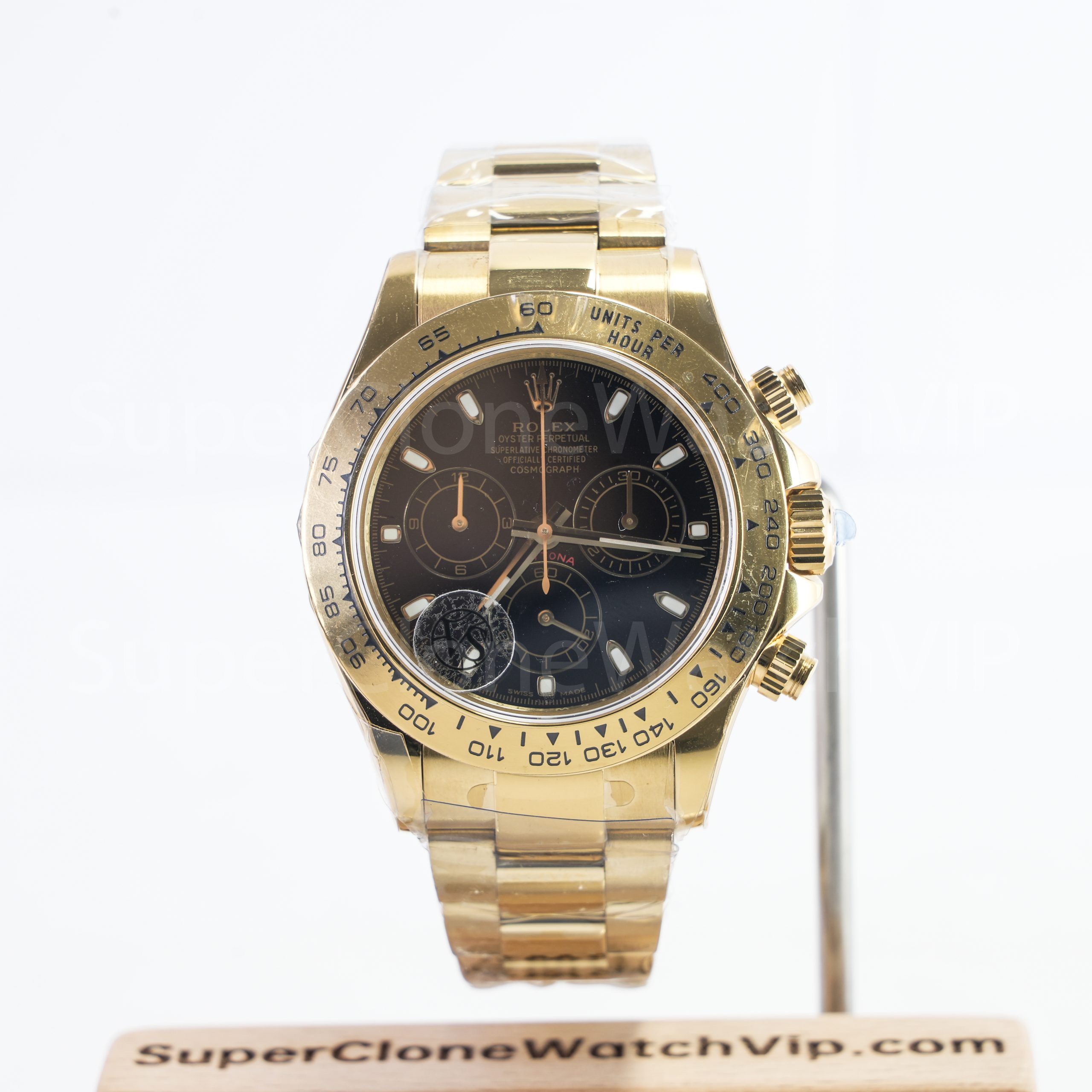
Best fit: crown and pusher spacing Daytona-Style Control SideThis example is useful for checking crown size, screw-down pusher balance, chronograph layout, and side-profile proportion. View Daytona Details
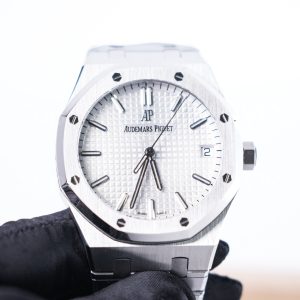
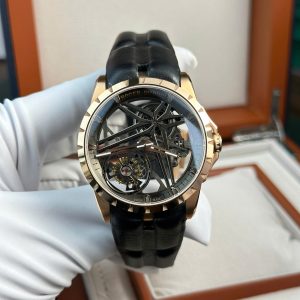
| Best fit: angular case finishing check Royal Oak Chronograph CrownThis example helps compare crown proportion, pusher position, caseback fit, brushed finishing, and side balance. View Royal Oak Details
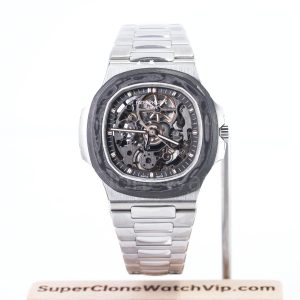
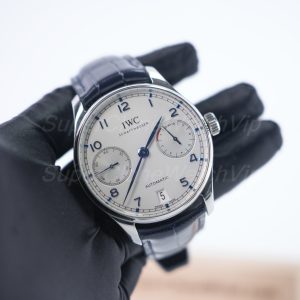
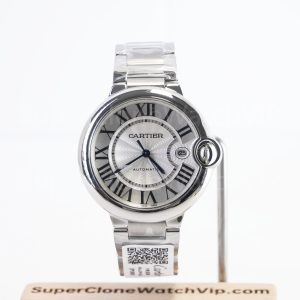
| Best fit: restrained sport profile Aquanaut-Style Crown BalanceThis example is useful when crown size, side thickness, strap connection, and softer case shape matter most. View Aquanaut Details
|


Details on Super Clone Watches and Factory Versions
For super clone watches and replica watches, the crown should be reviewed as part of the whole case system. The crown depends on the crown tube, stem, movement holder, movement option, and case machining. Therefore, a strong front photo is not enough.
Factory version can affect the crown area. One version may show better crown guard shape. Another may have cleaner case-side brushing or a more controlled crown gap. Meanwhile, a different movement option may change the winding feel or crown positions.
Still, a factory name should not replace real proof. The better method is model-first review, current stock confirmation, factory-version clarity, QC photos, and short video proof when the function needs confirmation.
For a wider order path, the Super Clone Watch Buying Guide explains how model choice, factory version, QC photos, video proof, and support communication should work together before payment.
Winding and Setting: What the Crown Should Show
In the closed position, the crown should sit neatly against the case. On a screw-down design, it should first unscrew before winding or setting. After use, it should close cleanly without looking stuck halfway out.
In many automatic watches, the first active position allows manual winding. The next pulled position may adjust the date if the model has a date function. Finally, the time-setting position should move the hands smoothly.
However, GMT and chronograph-style models need more careful confirmation. A GMT hand may have separate setting behavior depending on the movement option. A chronograph-style watch also places pushers beside the crown, so the full control side should look balanced.
For that reason, a short QC video can be useful. It does not need to be dramatic. It simply needs to show crown operation, hand setting, date change when relevant, and a clean closed position before shipping.
QC Photo Checklist Before Shipping
Before shipping approval, crown review should include side photos, angled photos, and function proof when the model needs it. This checklist keeps the review practical and avoids judging the watch from one front photo only.
- Front view: confirm the crown does not disturb overall case balance.
- Right-side view: check whether the crown sits straight against the case.
- Angled view: review crown cap, grooves, logo-style mark, and edge finishing.
- Crown guards or pushers: compare both sides for shape, thickness, and smooth finishing.
- Closed position: confirm the crown does not sit too far away from the case.
- Screw-down appearance: check that the crown does not look tilted or half-open.
- Date function: confirm date change when the model and movement option include it.
- GMT function: confirm extra hand behavior when the reference needs it.
- Chronograph area: review crown and pusher spacing together on Daytona-style watches.
- Movement fit: confirm crown positions match the stated movement option.
- Final proof: ask for one final closed-crown side photo after setting checks.
- Full workflow: use the Super Clone Watch QC Process before payment confirmation.
Related Models and Order Notes
Submariner-style watches
Submariner-style watches are the clearest crown guard examples. The screw-down crown should sit centered between both guards, and the side gap should look controlled. For this direction, compare the Rolex Submariner Replica Watches collection before requesting QC photos.
GMT-Master II and Daytona-style watches
GMT-style watches need function proof because the crown may control date, local time, or GMT hand adjustment depending on movement option. Meanwhile, Daytona-style watches should show crown and pusher spacing together from the side. The Rolex Daytona Replica Watches collection is useful when the crown and chronograph pushers need to be checked together.
Royal Oak-style watches
Royal Oak-style watches need a crown that matches the angular case. The crown should not look randomly rounded or too thin beside the case. Compare the wider Audemars Piguet Replica Watches page when crown shape, bracelet finishing, and case geometry matter.
Nautilus and Aquanaut-style watches
Nautilus-style and Aquanaut-style watches need a cleaner side profile. The crown should feel restrained, not oversized. For this direction, the Patek Philippe Replica Watches collection supports model comparison before factory-version questions are confirmed.
Factory Version, Movement Option and Crown Fit
Factory version matters because case machining can differ across versions. One version may improve crown guard shape. Another may improve bezel, dial, bracelet, or clasp details instead. Therefore, crown review should be one part of a complete model comparison.
Movement option also matters. Date models, GMT models, and chronograph-style watches may have different crown positions or setting sequences. As a result, function proof should match the product description and the prepared watch.
For model-based factory research, read the Super Clone Watch Factory Guide. It helps compare factory direction without relying on one factory name as a shortcut.
Common Crown Issues to Avoid
Some crown issues are easy to miss in a front product photo. However, QC photos can reveal them quickly when the side angle is clear. The most common issue is a crown that leans upward, downward, or away from the case.
Another issue is a wide crown gap. On screw-down designs, the crown should not look half-open after closing. A visible gap can make the side profile look weak, even when the dial and bezel look attractive.
Uneven crown guards or pusher spacing also deserve attention. One side may look thicker, sharper, or shorter. That imbalance can change the case shape, especially on Submariner-style, GMT-Master II-style, and Daytona-style watches.
Finally, do not use crown photos to assume water performance. Photos can show visible fit and finishing, but they cannot prove water resistance. Swimming, showering, and pressure exposure should be avoided unless separate testing is arranged through a qualified watch technician.
From Research to Inquiry: A Clear Next Step
A strong watch decision should move in a simple order. First, choose the model family. Next, compare the crown style and case profile. Then confirm the factory-version direction and request QC photos before payment.
For daily sport-watch research, Submariner-style models are practical because crown guards, bezel, bracelet, and clasp can be checked clearly. For chronograph control-side review, Daytona-style models are more relevant. For a slimmer sport profile, Aquanaut-style models need careful crown and strap-side review.
A useful message before payment can include the product link, preferred model direction, receiving country, factory-version question, and QC request. This keeps the conversation focused on stock, crown detail, movement option, video proof, and shipping support.
FAQ
What does a watch crown do?
A watch crown controls winding, time setting, and sometimes date or GMT adjustment. It connects to the movement through a stem. Therefore, it is both a functional control and a visible case detail. In QC photos, crown position, side fit, cap detail, and guard shape should all be checked.
Is a screw-down crown always better?
Not always. A screw-down crown suits many sport and dive-style watches because it gives a secure closed appearance. However, many dress watches use push-pull crowns. The better choice depends on case design, thickness, movement option, crown guard shape, and the visible QC result.
What crown details matter most in QC photos?
The most important crown details are straight alignment, controlled case gap, clean grooves, centered cap detail, and balanced crown guards or pushers. For screw-down designs, the crown should appear fully closed. Side photos are especially useful because they reveal crown angle, tube fit, and case-side finishing.
Should crown function be checked by video?
Video proof is useful for screw-down, date, GMT, and chronograph-style models. A short clip can show winding, pulling, setting, and closing behavior. It can also confirm that the crown function matches the stated movement option before shipping approval.
Why do crown guards matter on Rolex-style watches?
Crown guards shape the side profile on many Rolex-style sport watches. They frame the crown and help create the stronger tool-watch look. If the guards are uneven, too sharp, or too bulky, the whole case side can feel less refined in QC photos.
Can QC photos prove water performance?
No. QC photos can show crown position, screw-down appearance, case fit, and visible finishing. However, photos cannot prove water resistance. Replica watches should avoid swimming, showering, and pressure exposure unless separate testing is performed by a qualified watch technician.
Final Notes: Check the Crown Before Payment
In summary, a crown should look straight, sit cleanly, and function according to the movement option. It should also match the case shape, crown guards or pushers, bracelet profile, and selected factory version.
Finally, how watch crowns work should be reviewed together with side photos, crown guards, winding and setting behavior, factory-version notes, and QC photos before shipping. This keeps the decision grounded in visible proof instead of exaggerated claims.
- First, compare crown alignment, case gap, crown guards or pushers, and finishing in side-view QC photos.
- Next, request video proof for screw-down, date, GMT, or chronograph-style functions when relevant.
- Last, review the relevant collection, QC Process, and factory guide before payment confirmation.
Review Crown Details, QC Photos and Factory Version First
Before payment, compare the relevant collection page, check the QC Process, and contact SuperCloneWatchVIP support with the product link, preferred model direction, receiving country, factory-version question, and crown-detail request.