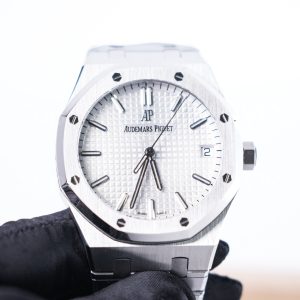
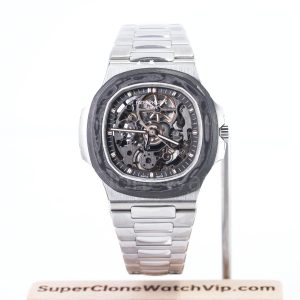
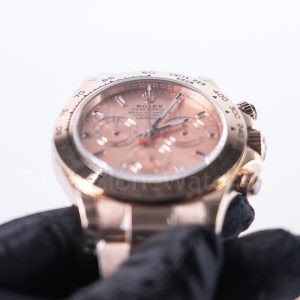
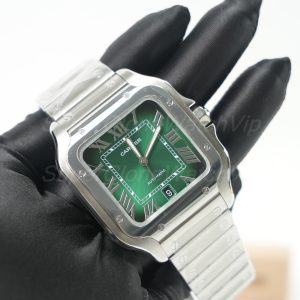
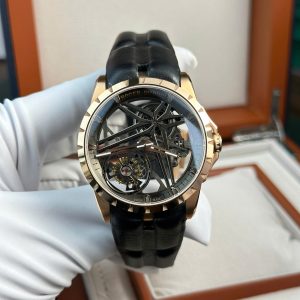
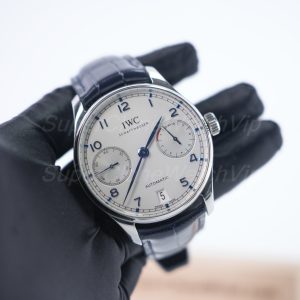
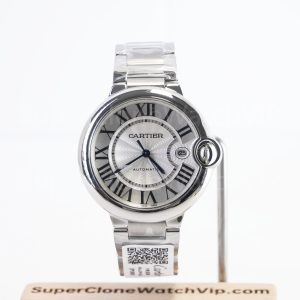
First, the ap offshore super clone is not a simple three-hand AP-style watch. It has a larger case, exposed bezel screws, a layered chronograph dial, strong pushers, and a strap or bracelet system that changes the whole wearing experience. Therefore, selection should focus on case proportion, bezel finishing, chronograph function, strap fit, clasp detail, QC photos, and video proof before shipping.
Meanwhile, within the broader world of clone watches, Offshore models need a more careful review path. A small issue around the bezel edge, date window, case side, or chronograph reset can affect the final impression quickly.

Click the image to view the related Offshore chronograph product detail page.
Case Size and Wrist Presence: Start With Proportion
First, Offshore case size should not be judged by diameter alone. The case side, bezel height, caseback shape, pusher guards, and strap drop all affect wrist presence. Therefore, a 42mm-style case can still feel bold, while a 43mm or 44mm-style profile can feel balanced if the strap or bracelet curves correctly.
However, visual weight matters more than a number on a product title. A tall case can catch more light, feel more technical, and sit higher on the wrist. Meanwhile, a flatter side profile can make the watch easier to wear even when the diameter looks large.
For model browsing, the Audemars Piguet model category is the right starting point. It keeps Offshore chronograph, Royal Oak-style, bracelet, strap, and openworked directions inside one relevant AP selection path.
| Case Direction | Visual Feel | QC Focus | Suitable For |
|---|---|---|---|
| 42mm-style Offshore | Sporty but less extreme | Case thickness, bezel height, bracelet or strap angle | Daily wear, first Offshore choice, balanced wrist presence |
| 43mm-style Offshore | Modern and technical | Pusher alignment, date window, dial spacing | Weekend styling, travel wear, stronger AP sports look |
| 44mm-style Offshore | Large and statement-driven | Side height, lug angle, strap curve, bezel edge | Bold case preference and visible wrist presence |
| Diver-style direction | Cleaner but still heavy | Inner bezel, crown area, rubber strap fit | Summer wear, casual outfits, outdoor styling |
In practice, side-view photos are essential. A straight front photo can hide thickness, caseback height, and strap angle. As a result, a useful QC set should include a front view, case-side view, crown-side view, and strap-end or bracelet-end view.
Also, case finishing should show clean brushing and controlled polished bevels. Soft edges, uneven side walls, or a raised caseback can make the Offshore look heavier than intended. Therefore, case proportion is the first checkpoint before dial color or strap color.
Bezel, Screws and Dial Balance: The Details That Show First
Next, the bezel creates the Offshore identity. The octagonal shape, visible screws, brushed top surface, polished bevels, and technical ring around the dial all need clean execution. Therefore, weak bezel finishing can make the entire watch feel less convincing.
Meanwhile, screw seating deserves close review. The screws should sit at consistent depth, and the surrounding metal should not look scratched, cloudy, or over-polished. Also, the bezel edge should keep a clear shape instead of looking rounded in the wrong places.
A practical AP clone watch review should also judge the dial as a full layout. The Offshore chronograph has subdials, hands, markers, logo placement, date window, and minute track details competing for attention. As a result, dial balance matters as much as dial color.


Dial texture, print and date window
In addition, dial texture should show visible depth without looking too glossy. A flat texture can make the dial feel printed rather than layered. Meanwhile, heavy reflections can hide weak printing, so both bright and slightly shaded QC photos are useful.
The date window needs close review because it sits inside a busy dial. The number should appear centered, the cutout should look clean, and the surrounding print should stay sharp. Therefore, a date-window close-up should be requested before payment.
Finally, color matching should stay controlled. A black dial with a dark strap looks technical and compact. A grey dial with steel elements feels colder and more industrial. Therefore, color should support the case, not fight against it.
Offshore Chronograph Function: Photos Are Not Enough
First, the Offshore chronograph should be judged as both a visual layout and a working function. The subdials should sit in balanced positions, and the central hand should return neatly after reset. Therefore, a short function video is more useful than another beauty photo.
Also, pushers should sit straight against the case side. If one pusher looks raised, crooked, or loose, the whole case can feel unfinished. Meanwhile, the crown guards should frame the crown cleanly without looking too bulky.
For this reason, video proof before shipping is a practical part of the decision. It can show the real watch from the front, side, clasp, and function angles before final approval.
Chronograph proof should show:
- Start, stop, and reset action from a clear front view.
- Central chronograph hand returning to zero.
- Subdial hands resting cleanly after reset.
- Pusher alignment from the case side.
- Crown operation, date change, and time-setting feel when available.
However, movement wording should stay realistic. A factory name or movement label should not replace actual proof. Instead, the review should connect the exact model, current factory version, QC photos, and function video.
For factory comparison, the factory version guide explains why the same model family can have different strengths across case finishing, dial execution, function checks, and proof standards.
Rubber Strap, Leather Strap, Bracelet and Clasp Details
Next, strap or bracelet structure defines Offshore comfort more than many people expect. A rubber strap can create a sportier and more flexible feeling, while a leather strap can soften the look. Meanwhile, a steel bracelet adds weight, structure, and a more integrated visual impression.
However, every system needs the same fit review. The strap end should meet the case cleanly, the bracelet end link should not leave an obvious gap, and the clasp should sit centered when closed. Therefore, a strap, bracelet, and clasp close-up should always be part of the QC request.
For a broader decision structure, the super clone watch buying guide explains how model choice, factory version, QC photos, and shipping confirmation should connect before payment.
What to check on strap versions
First, the strap should bend naturally near the case. A stiff strap can push the watch upward and make the case feel larger. Also, the strap surface should look even, without rough edges, cloudy marks, or uneven cutting.
In addition, buckle or clasp hardware should match the case tone. The brushing should look controlled, the pin should sit straight, and the keeper should hold the strap neatly. Therefore, a clasp photo is not optional on an Offshore-style watch.
What to check on bracelet versions
For bracelet choices, link brushing and side polishing matter immediately. The Offshore case already has strong geometry, so weak bracelet finishing becomes visible quickly. Meanwhile, the clasp should close cleanly and sit centered when viewed from the back.
Also, bracelet weight should feel balanced with the case. A bracelet that is too stiff can make the case feel top-heavy. Therefore, QC photos should include the bracelet laid flat, the clasp open, and the end-link area near the case.
Natural Model Direction: Which Offshore Path Makes Sense
First, the safest Offshore direction is usually the one that matches actual wearing habits. A black-dial chronograph with a dark strap feels technical and easier to match. Meanwhile, a steel bracelet version feels colder, heavier, and more architectural.
For active casual wear, strap models often make more sense. For stronger visual presence, a steel bracelet chronograph can work better. However, both directions still need the same review path: case size, bezel, dial, chronograph reset, clasp, and proof.
Also, the broader related model options page helps compare Offshore against Royal Oak and other AP-style directions. This prevents one attractive product photo from deciding the whole selection too early.
In short, a natural recommendation should not push every model equally. The better path is to choose by wrist presence, strap or bracelet preference, dial readability, and QC confidence. Then, stock status and factory version can be confirmed through the contact page.
QC Photo Checklist: What Must Be Confirmed Before Shipping
First, the Offshore has too many exposed details for blind selection. A proper QC set should show the real watch clearly before shipment. Therefore, the QC photos before shipping process should be part of the final decision.
However, QC should stay practical. The goal is not exaggerated perfection. Instead, the goal is to confirm whether the selected version has clean proportions, aligned details, acceptable finishing, and visible function support.
Dial
Check logo placement, marker alignment, hand length, subdial spacing, dial texture, color match, and overall cleanliness.
Bezel
Check octagonal shape, screw seating, screw slot direction, brushed surface, polished bevels, and ring printing.
Case
Check thickness, side brushing, crown guards, pusher position, caseback fit, and side symmetry.
Bracelet or Strap
Check strap curve, strap end gap, bracelet brushing, end-link fit, edge cutting, and wearing angle.
Clasp
Check clasp engraving, closing alignment, buckle shape, pin position, clasp brushing, and adjustment holes.
Date Window
Check date centering, cutout shape, font thickness, window position, and contrast against the dial.
Movement and Function
Check time setting, date change, pusher action, chronograph start, chronograph stop, and reset alignment.
Video Proof
Request front view, angled view, case side, clasp or strap view, and chronograph function in one short clip.
Related Reading
Additionally, these internal guides support the same decision path: model selection, factory version comparison, QC proof, and final contact. They help the Offshore article connect with the wider on-site guide cluster.
FAQ
Finally, these questions focus on Offshore-style selection only. General legal, meaning, cost, and where-to-buy topics should stay in separate guide pages.
What case size is easier to choose for an Offshore-style AP watch?
First, a 42mm-style profile is usually easier to manage because the Offshore case already has strong height and presence. However, 43mm and 44mm-style profiles can work well when the strap or bracelet sits naturally.
Why does bezel quality matter so much on an Offshore chronograph?
Because the bezel frames the entire watch, weak screw seating, soft brushing, uneven polished edges, or poor corner shape becomes visible quickly. Therefore, straight and angled bezel photos should always be reviewed.
What should chronograph video proof show?
At minimum, the video should show start, stop, and reset action. Also, it should show whether the central chronograph hand returns to zero and whether the subdial hands rest cleanly after reset.
Is a rubber strap, leather strap, or bracelet better for this style?
A rubber strap usually creates the sportiest feel, while a leather strap can soften the look. Meanwhile, a bracelet version adds weight and stronger integrated structure. The better direction depends on wrist presence, comfort preference, and styling use.
Which QC photos matter most before shipping?
The most useful set includes front dial, angled dial, bezel close-up, case side, crown and pusher side, strap or bracelet, clasp, date window, and full watch view. In addition, video proof helps confirm function.
What details should be sent before requesting stock and QC photos?
The clearest request includes target model, preferred case size, dial color, strap or bracelet preference, budget range, factory-version preference, destination country, and whether video proof is required before shipping.
Final Contact Step
In summary, the strongest ap offshore super clone choice is not simply the loudest dial or largest case. Instead, the better choice has cleaner proportions, stronger bezel finishing, balanced chronograph layout, comfortable strap or bracelet fit, and clear QC support before shipping.
Before final confirmation, prepare the target model, case size preference, dial color, strap or bracelet direction, budget range, factory version preference, destination country, and request for current stock, QC photos, and video proof.