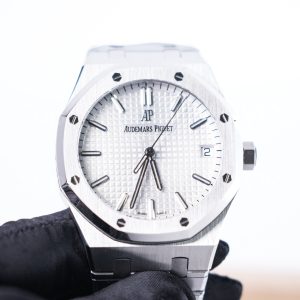
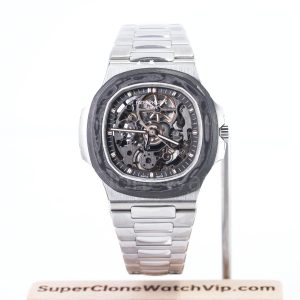
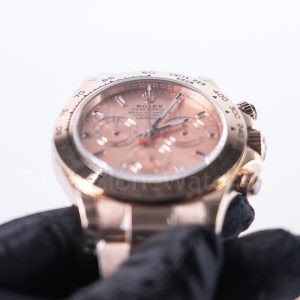
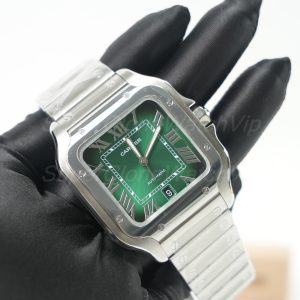
ARF is not equally strong across every model. Two watches described with the same factory or version label can still present different bracelet fit, case geometry and dial execution once the exact references are inspected. This ARF Factory review uses that gap as the starting point: it examines where ARF commonly earns attention, where the label proves very little, and which photos or function checks should be requested before a specific watch is accepted.
The aim is not to place ARF at the top of a universal factory ranking. It is to decide whether ARF deserves a place on the shortlist for one model, one configuration and one current batch among higher-grade clone watches.
What the ARF Name Does—and Does Not—Prove
An ARF label can identify the factory direction being offered. It may also help a buyer ask more precise questions about the model and batch. It does not, by itself, prove that the watch is the newest version, that every component came from the same advertised configuration, or that one ARF reference performs like another.
That distinction matters because factory reputations are usually built from selected references. A favorable bracelet on one Datejust-style configuration does not settle the dial, crystal, bezel or movement question on a Daytona-, Submariner- or GMT-style watch. Even within one family, dial color, bracelet type and case size can change what is most visible in QC.
The label can begin the check
Use it to identify the claimed factory, model family and version language being offered.
The exact configuration narrows it
Reference, size, dial, bezel and bracelet or strap must match the item being discussed.
The allocated watch provides the proof
Current photos and relevant function video are what allow the visible piece to be judged.
A seller-supplied tag, sticker or box can support the record, but none of those items should outweigh the watch itself. The useful question is not “Does it say ARF?” It is “What evidence ties this ARF claim to this exact reference and current piece?”
Where ARF Commonly Earns Its Reputation
ARF is commonly discussed for exterior presentation rather than as a universal answer to every technical detail. The reputation usually centers on bracelet and clasp appearance, the way polished and brushed areas meet, case-side finishing, end-link fit and the overall visual balance of selected Rolex-style models.
Those are meaningful strengths when the buyer cares about how the watch presents on the wrist. They are also relatively visible in a disciplined QC set. Straight brushing, clean polished borders, controlled link gaps and a case profile that does not look unusually heavy can all be assessed more reliably than broad claims such as “best factory.”
Important limit: photographs can show alignment, surface finish and fit. They cannot fully prove how a bracelet feels in the hand, how securely a clasp closes over time or how a movement will perform long term.
The strongest ARF case is therefore model-specific: the exterior finishing is a priority, the exact configuration is available, and the buyer receives enough close-up evidence to check the details that created the reputation in the first place.
Model Families That Need Separate Evaluation
A useful ARF assessment changes with the watch family. The matrix below does not award stars or declare a winner. It shows why ARF may enter the discussion, what could weaken the choice, which evidence is necessary and whether the available budget should be committed before another factory is compared.
| Model family | Why ARF may enter the shortlist | Common limitation to inspect | Evidence that should be requested | Budget and fit decision |
|---|---|---|---|---|
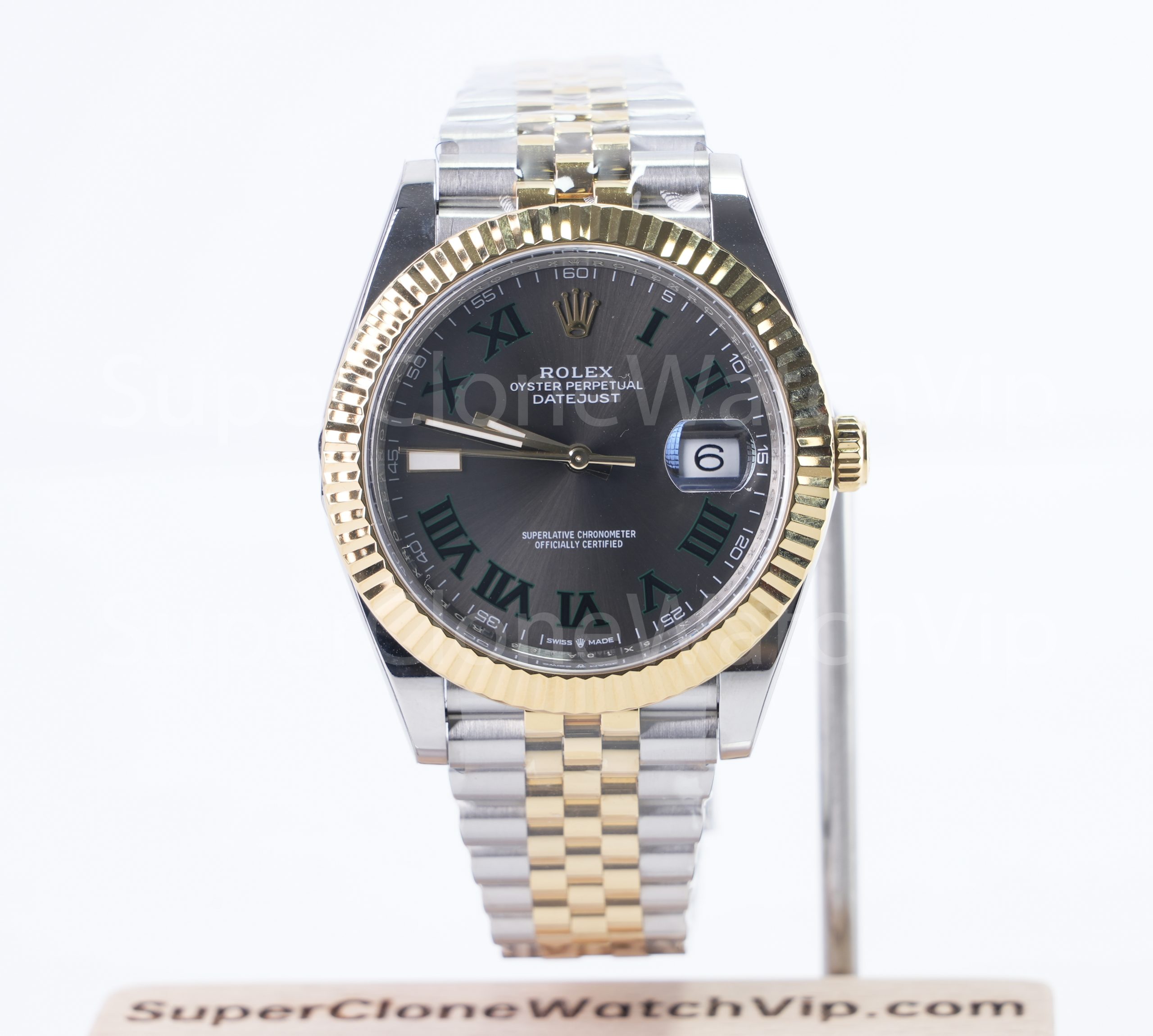
| Datejust-style | Jubilee or Oyster bracelet presentation, clasp finish, case polish and dress-sport proportions are often the reason to compare ARF. | Dial tone, marker alignment, fluted-bezel reflection, crystal clarity, date centering and Cyclops balance can outweigh a good bracelet. | Straight dial macro, angled dial image, date-window close-up, both end links, clasp cover and side profile. | A sensible shortlist when exterior finishing is the priority and proof is complete. Do not pay extra for the label alone. |
| Day-Date-style | President-bracelet flow, polished case surfaces and the complete dress-watch presentation may justify inspection. | Day and date alignment, dial texture, marker setting, bezel consistency and color-sensitive finishes need separate proof. | Day/date close-ups, natural-light dial photos, bracelet articulation video, clasp closure and case-side images. | Suitable only when the dial and calendar display meet the same standard as the bracelet. |
| Daytona-style | Case and bracelet or strap presentation may be attractive on selected configurations. | Sub-dial layout, bezel print, pusher shape, side thickness and chronograph operation create more decision points than exterior polish alone. | Front macro, side profile, pusher and crown view, strap or end-link fit, plus start-stop-reset video when relevant. | Compare again when movement layout or chronograph function matters more than case and bracelet appearance. |
| Submariner-style | Bracelet, clasp and sports-case finishing may place ARF on the list. | Bezel alignment and seating, insert tone, crown guards, crystal/date presentation and visible lume consistency deserve more weight. | Natural-light bezel image, 12 o’clock macro, crown-side profile, date/Cyclops image and clasp video. | Compare alternatives if bezel, crystal or movement priorities dominate the budget. |
| GMT-style | Case and Jubilee or Oyster presentation may be a reason to inspect a current option. | Two-tone bezel transition, color under neutral light, GMT-hand alignment, date display and setting function need direct confirmation. | Natural-light bezel set, straight hand-alignment photo, date macro, crown-setting video and bracelet-to-case views. | Only shortlist after the exact version and GMT operation are verified; otherwise compare again. |
The two existing product modules below are retained as configuration references, not as proof that a specific factory or current ARF batch is available. Their purpose is to show how the inspection emphasis changes between a chronograph on a rubber strap and a date model on a Jubilee bracelet.

Bracelet, Clasp and Case-Finishing Strengths
Read the bracelet from the end links outward
A bracelet should not be judged from a single wrist shot. Begin where it meets the case. Both end links should sit at a similar height, the gaps should look controlled, and the first links should articulate without one side appearing trapped or unusually loose. Ask for left and right views because a straight front image can hide an uneven fit.
On a Jubilee-style bracelet, compare the center-link polish across several links and check whether the spacing remains visually even as the bracelet curves. On an Oyster-style bracelet, brushing direction, edge definition and the transition into the clasp are usually more informative than shine alone. For a President-style bracelet, a short wrist-roll video can show whether the link pattern moves consistently under changing light.
The clasp needs still images and motion
Macro photographs should show the clasp cover, brushed or polished boundaries, engraving clarity and the alignment of any safety-lock element. A video should show the clasp opening and closing without the camera cutting away. This does not prove long-term durability, but it can reveal a visibly misaligned cover, rough movement or a closure that does not seat cleanly.
Case finishing must be checked from four angles
This is where ARF can deserve serious consideration: the bracelet, clasp and case form a coherent exterior package on the actual piece. A clean bracelet cannot compensate for an asymmetric case, and a polished case cannot compensate for poor end-link fit. The components should be approved together.
Dial, Crystal and Bezel Limitations to Inspect
ARF’s exterior reputation should not cause the face of the watch to receive a lighter inspection. Dial, crystal and bezel issues are often the first details noticed in daily use, and they can be difficult to judge from bright, front-facing stock photography.
Request three dial views, not one
A straight macro shows marker alignment, logo position, text sharpness, hand length and visible dust. An angled image shows how applied markers, dial texture and printing behave under reflection. A neutral-light image is needed when the dial is sunburst, dark, colored or mother-of-pearl style, because intense lighting can hide tone differences and surface irregularities.
Date models add another layer. The date should sit visually centered in the aperture, the window border should look even, and the magnifier should align with the opening rather than merely enlarging it. The site’s Rolex Cyclops lens QC guide covers that component in greater depth without turning this ARF page into a date-magnification article.
Crystal inspection is about clarity and placement
Ask for a slight side angle that shows the crystal edge, date magnifier where present and the relationship between crystal and bezel. The aim is not to infer an unverified coating specification. It is to detect visible haze, distortion around the date, an off-center magnifier or an uneven-looking installation.
Bezel checks depend on the model
A fluted bezel should be assessed for consistent reflection and an even seat around the case. A ceramic or printed sports bezel needs a straight 12 o’clock image, close-ups of printing or engraving, and natural-light views for color. A two-tone GMT bezel needs more than one angle because the color transition and apparent saturation can change sharply under studio light.
Official model pages such as the Rolex Datejust and Rolex Submariner can be used as neutral references for the original design language. They do not prove factory accuracy and should never replace photos of the actual watch.
How to Verify the Current ARF Version
“Latest ARF” is not a complete version description. Version language should be tied to a reference, configuration and current piece. If a seller cannot explain what is currently available for the exact model, the version remains unverified no matter how confidently the label is repeated.
A factory sticker or packaging photo can be included as secondary evidence, but it should not be treated as independent authentication. The current version is most credibly established by a consistent record: exact configuration, specific version statement, current availability and a matching QC set.
ARF QC Red Flags Before Payment
Before payment, the buyer may not yet have the final allocated-watch QC set. The key is to establish what version is being offered, what proof will be provided and which issues would pause approval. The following warning signs indicate that the ARF name is carrying too much of the sale.
The site’s Super Clone Watch QC Process explains the still-photo review path, while video proof before shipping is useful for bracelet movement, clasp action and model-specific functions. These pages support the proof process; they do not replace the ARF model decision made here.
Questions Buyers Ask About ARF Versions
Who Should Consider ARF—and Who Should Compare Again
The decision should now return to the matrix, not to the factory label. Check the row for the exact model family, confirm the evidence listed there and decide whether the budget is paying for visible strengths that matter to you.
Exterior finishing is the priority
The exact reference is available, bracelet or strap, clasp and case presentation matter most, and the seller can provide model-specific version information plus complete visual evidence.
Another component controls the decision
Movement layout, chronograph or GMT operation, crystal/date presentation, bezel color or another model-specific detail matters more than ARF’s exterior reputation. Compare the current alternatives before committing the budget.
The evidence chain is incomplete
The claimed version is vague, photos mix configurations, key angles are missing or function proof cannot be supplied. Pause the order until the exact watch can be evaluated without relying on the ARF name.