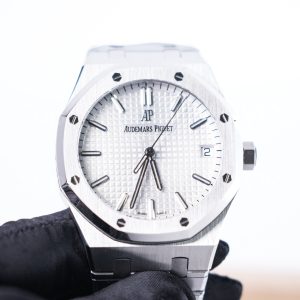
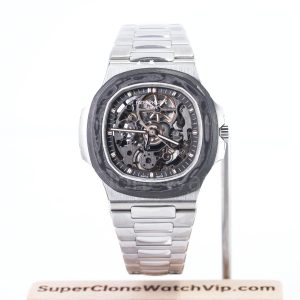
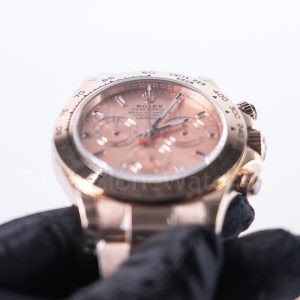
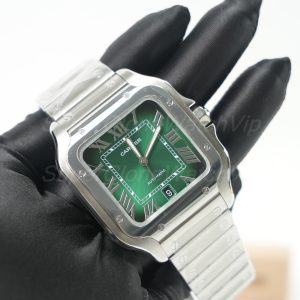
A replica watch factory version should help narrow the choice, not decide the order by itself. The smarter method starts with the exact model, wrist size, bracelet preference, movement expectation, budget, and real photos. Therefore, a famous factory name only matters when it fits the chosen watch. For anyone comparing clone watches, the safer route is simple: choose the model first, compare available versions second, and confirm QC photos before shipping last.
Article Navigation
Why the Same Watch Has Different Factory Versions
First, the same watch style may come from several production sources. Each source can focus on different details. One version may have a stronger case shape. Another may offer cleaner dial printing, better bracelet finishing, or a more suitable movement layout.
However, a factory name is not a universal ranking. A strong Submariner-style version does not automatically mean the same factory is best for Daytona, GMT-Master II, Datejust, Royal Oak, Nautilus, Santos, or Seamaster styles. In practice, the exact model controls the decision.
For Rolex-style watches, the details are usually easier to notice. Crown guards, bezel tone, crystal height, date magnification, end-link fit, clasp shape, and bracelet taper all affect the final look. Therefore, a Rolex replica factory should be compared by model family, not by reputation alone.
A Factory Name Is a Filter, Not the Final Answer
In short, the factory name should create a shortlist. It should not replace visual review. Real photos, current stock notes, order confirmation, support response, and QC photos before shipping still decide whether the prepared watch matches the request.
At the same time, version talk can become noisy. Old photos, batch rumors, copied comparison charts, and forum comments may not reflect current availability. So, the practical question is not “Which factory is famous?” The better question is “Which current version fits this model and wearing purpose?”
Also, a higher price does not always solve the decision. Some upgrades are visible every day. Others only matter in close comparison. Therefore, the final choice should match the watch style, wrist profile, budget, and expected use.
Factory Version Selection Checklist
Before comparing VSF, Clean, ZF, APS, 3KF, PPF, BTF, C+, or another source, this checklist keeps the decision grounded. It also makes the support conversation clearer because every important detail is already organized.
| Check Point | What to Review | Why It Matters |
| Exact model | Brand style, collection, size, dial, bezel, bracelet | The strongest version changes by reference and colorway. |
| Case shape | Thickness, lugs, crown guards, case side, bezel height | The case creates the first impression on the wrist. |
| Dial details | Logo, printing, hour markers, date window, hand length | Dial issues are easy to notice in close photos. |
| Movement expectation | Date, GMT, chronograph, winding feel, display back | Function and thickness depend on movement choice. |
| Bracelet or strap | End links, clasp, taper, edge comfort, polish balance | Daily wear depends heavily on wrist comfort. |
| Real photos | Current batch photos, wrist-angle photos, side photos | They reduce guesswork before payment and shipping. |
| QC review | Front, side, clasp, bracelet, date, caseback when needed | It confirms the prepared watch before dispatch. |
What to Check Before Choosing a Version
First, appearance should be reviewed as a whole. Case shape, bezel tone, crystal height, dial printing, bracelet fit, and clasp finishing all work together. A strong dial cannot fully hide a bulky case. Likewise, a clean case cannot fix a weak bracelet.
Next, movement expectations should stay practical. A three-hand model needs stable operation and a clean date change. A GMT-style watch needs clear hand-function confirmation. A chronograph needs extra attention because sub-dials, pushers, reset behavior, and case thickness can vary more.
Finally, comfort matters more than factory hype for daily wear. A watch can look strong in photos but feel too tall, sharp, or heavy. Therefore, wrist size and wearing style should be part of the version request from the start.
How VSF and Clean Help With the First Shortlist
VSF and Clean appear often in Rolex-style comparisons. However, they should be treated as starting points. The exact reference still decides the stronger path. A Submariner-style request, a Daytona-style request, and a GMT-Master II request do not share the same weak points.
Generally, VSF is often discussed when movement feel, crystal clarity, and daily operation are important. Meanwhile, Clean is often discussed when exterior detail, case profile, bezel tone, and bracelet appearance lead the decision. Still, these are only broad screening notes.
Therefore, the best process is simple. Shortlist the likely factories. Then compare current real photos. After that, confirm the movement, bracelet, dial color, and QC process. This avoids choosing a factory because it is popular in a different model family.
Choose by Model Family, Not by Hype
Submariner-Style Watches
For a Submariner-style watch, the review should focus on case profile, bezel insert, pearl placement, date magnification, dial printing, bracelet feel, and clasp fit. Also, black, blue, and green versions can show different color risks, even when the factory name is the same.
GMT-Master II-Style Watches
For a GMT style, bezel color is the first check. Pepsi, Batman, Batgirl, Sprite, Root Beer, and grey-black designs each need separate review. In addition, the GMT hand function, date position, bracelet choice, and case side should be confirmed before payment. For design background only, the official Rolex GMT-Master II page explains the second-time-zone concept behind the model family.
Daytona-Style Watches
For a Daytona style, the factory discussion should cover sub-dial spacing, bezel printing, pusher feel, case thickness, bracelet finish, and movement layout. Because the dial has more visual parts, QC photos become especially important.
Datejust-Style Watches
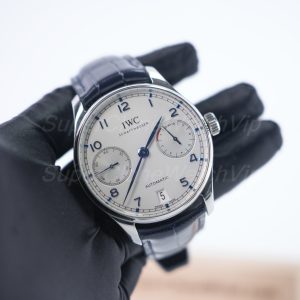
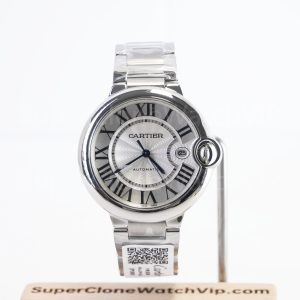
For Datejust models, the review should focus on dial color, fluted or smooth bezel shape, Jubilee or Oyster bracelet comfort, date window, and overall wrist balance. Moreover, smaller and larger sizes can feel very different, even with similar dial designs.
Which Factory Version Fits Different Wearing Needs?
A factory choice becomes clearer when the wearing scene is clear. The same watch can feel practical, dressy, sporty, or bold depending on case size, bracelet type, dial color, and wrist presence. Therefore, version selection should connect the model with real use.
Daily Wear
Submariner-style and Datejust-style watches usually work well here. The key checks are bracelet comfort, clasp feel, case thickness, and clean dial alignment.
Business Style
Datejust, Santos, and slim dress styles can fit office wear. The useful checks are dial tone, bezel polish, bracelet finishing, and overall wrist balance.
Travel Look
GMT-Master II-style watches fit this need. The main checks are bezel color, GMT hand function, date position, bracelet choice, and QC confirmation.
Statement Style
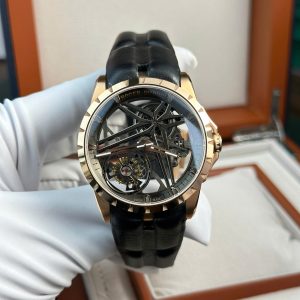
Daytona, Royal Oak, Richard Mille, and open-work styles need stricter photo review. Case thickness, dial complexity, strap fit, and movement layout matter more.
Product Examples for Version Comparison
The following examples show how different model families create different version questions. Each product image is fully clickable, and each button leads to the same product page for a clear next step.

Submariner Black Dial
A practical example for checking case profile, ceramic bezel, date magnification, Oyster bracelet, and clasp feel.
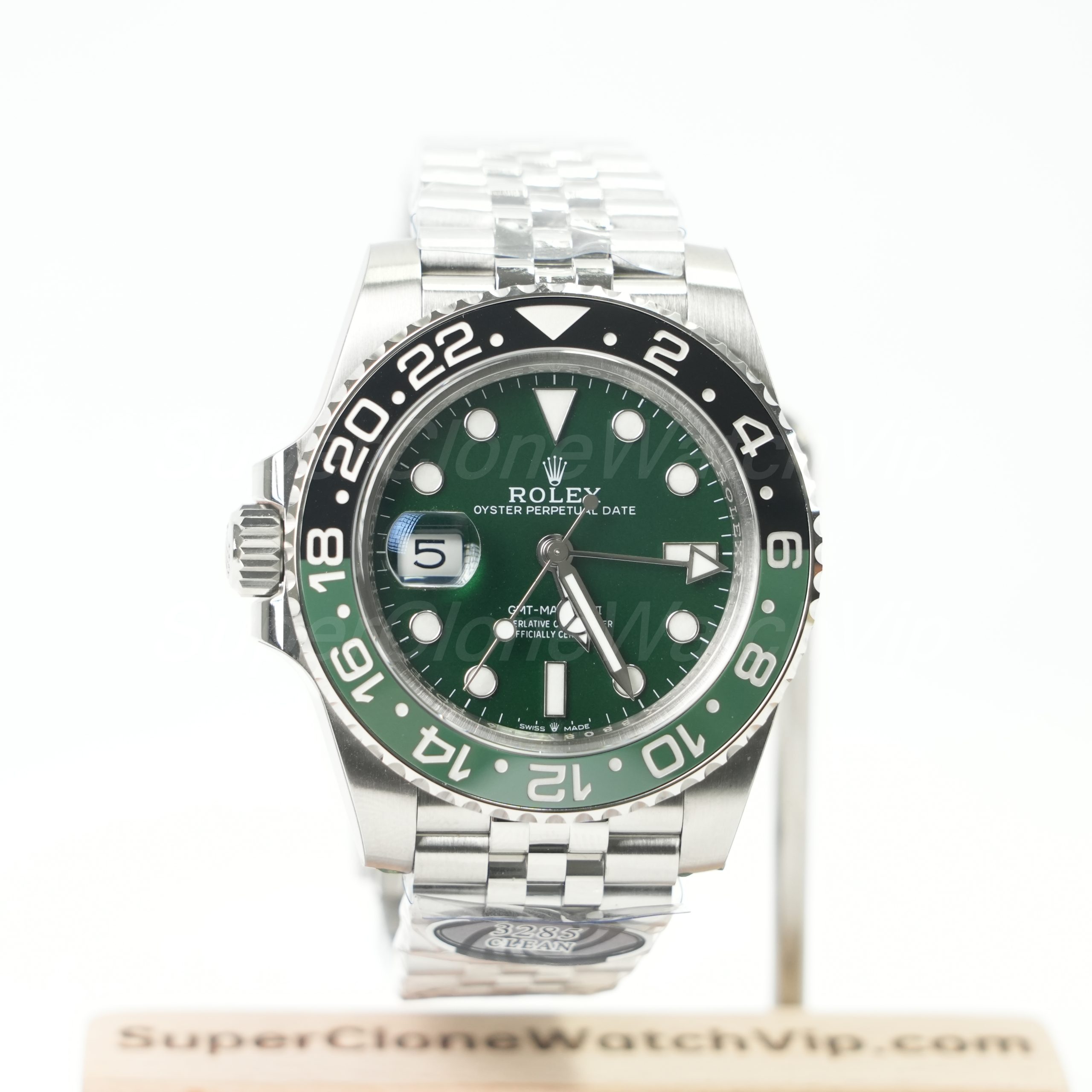
GMT-Master II Sprite
A useful example for reviewing green-black bezel tone, Jubilee bracelet fit, date-side layout, and GMT hand setup.
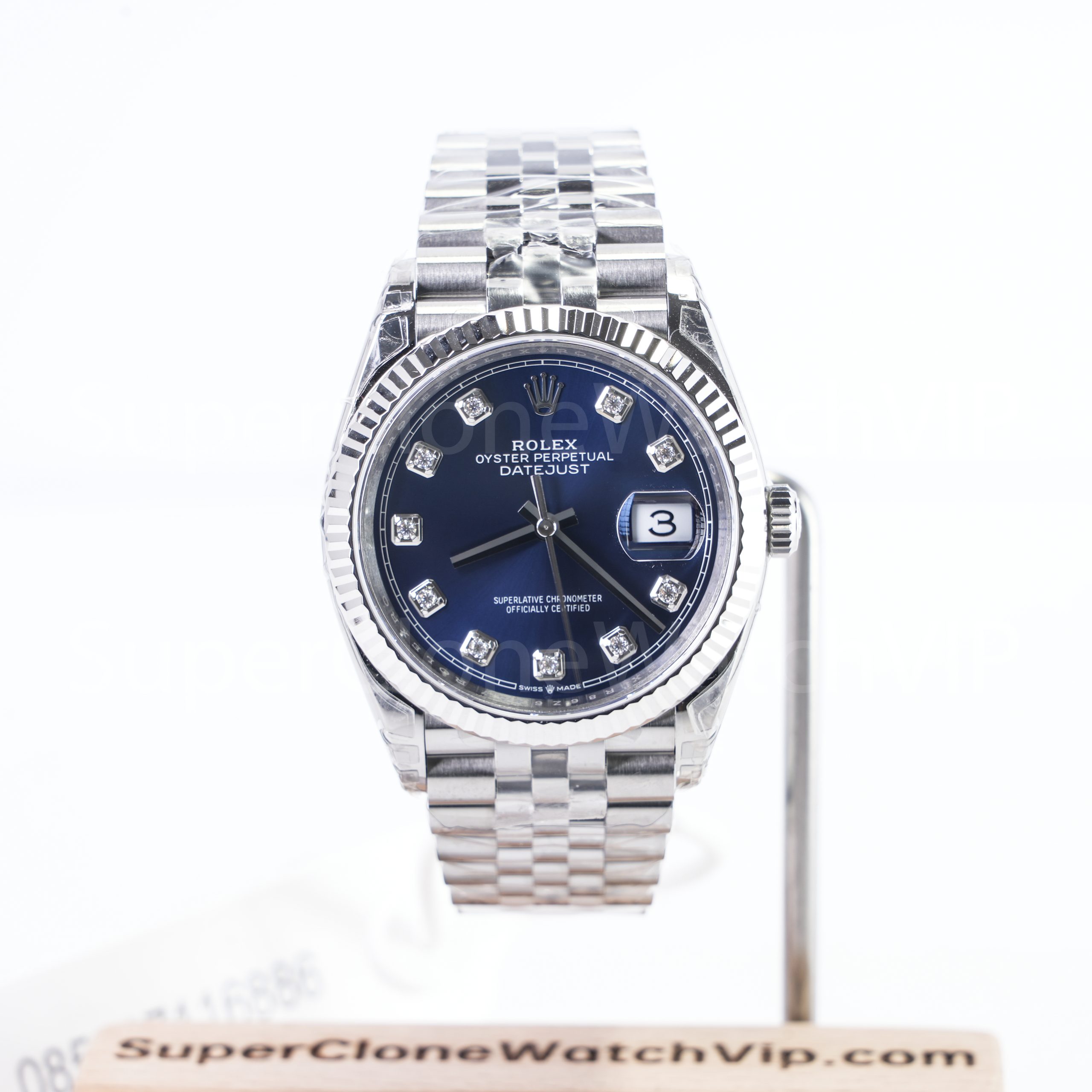
Datejust Blue Dial
A cleaner dress-daily example for checking fluted bezel shape, dial color, Jubilee bracelet, and date window.
Why QC Photos Before Shipping Matter
QC photos before shipping help confirm the actual watch prepared for dispatch. They are not decoration. Instead, they create a final review point for dial alignment, bezel position, case finishing, clasp condition, bracelet fit, date window, and visible version details.
Additionally, QC photos reduce wrong-version confusion. When several factories make similar models, the final photo set helps confirm whether the prepared piece matches the order confirmation. This is especially useful for GMT, Daytona, Datejust, and Submariner-style watches.
Still, QC should be viewed realistically. It helps catch obvious problems and confirm visible details. It does not turn any watch into an official product, and it should not be used to promise perfect equivalence, future value, or guaranteed clearance.
Real Photos and Order Confirmation Reduce Risk
Real photos show the current batch more clearly than polished catalog images. They help confirm dial color, bezel shade, bracelet finish, case side, and overall proportions under normal lighting. As a result, the selection becomes based on visible evidence.
Order confirmation should also be specific. It should list the brand style, model, size, dial color, bracelet or strap, available factory, movement option, budget range, and destination country. This prevents wrong-size, wrong-bracelet, or wrong-version mistakes.
Furthermore, current availability matters. A strong factory name is not useful if the preferred version is unavailable, replaced, or inconsistent. Therefore, current stock notes should come before payment and before shipping preparation.
Match the Version to Budget and Wearing Style
Budget should guide the shortlist, but it should not become the only filter. A higher-tier version may improve crystal clarity, dial printing, bracelet feel, or movement appearance. However, those gains may not matter equally for every watch style.
For daily wear, comfort and clean proportions often matter most. A lower-profile Datejust-style watch may feel easier with shirts and jackets. Meanwhile, a Submariner or GMT style may suit a sportier routine. In both cases, wrist size should guide the case and bracelet choice.
For a statement watch, the selection can be more visual. Chronographs, open-work designs, colored bezels, and gold-tone finishes attract more attention. Therefore, those styles need stricter photo review before approval.
A Practical Decision Flow Before Ordering
- First, choose the exact model. Include case size, dial color, bezel style, and bracelet type.
- Next, define the wearing purpose. Daily wear, office use, travel style, sport look, and statement style all lead to different priorities.
- Then, shortlist available factories. VSF, Clean, or another version should be compared only for the chosen reference.
- After that, request real photos. Current photos help confirm color, finishing, case shape, and bracelet feel.
- Also, confirm the order details. The confirmation should include version, movement, bracelet, budget range, and country.
- Finally, review QC photos. The final photo set should match the confirmed model before dispatch.
Common Mistakes to Avoid
The first mistake is choosing only by factory name. A factory that performs well on one Rolex-style model may not be the strongest choice for another model. Therefore, the reference, colorway, bracelet, and movement expectation must come first.
The second mistake is ignoring wrist size. A 41mm sports case and a 36mm dress-daily case create different wearing experiences. Bracelet taper, clasp weight, and case thickness also affect comfort.
The third mistake is relying only on catalog images. Catalog photos can explain the style, but they do not confirm the exact prepared watch. Real photos and QC photos are more useful before shipment.
Finally, avoid unrealistic expectations. No section of the order process should claim official authorization, investment value, perfect sameness, or guaranteed customs results. A clear version discussion should stay practical and honest.
Final Purchase Advice
Overall, factory selection works best when it stays specific. The exact model, current version, movement expectation, bracelet comfort, real photos, and order confirmation should guide the decision. This is more reliable than following broad factory rankings.
For a wider view of available super clone watches, the model family should be reviewed first. Then the support conversation can focus on version fit, stock status, and QC before shipping.
The most practical next step is to prepare a short request: budget, brand/model, wrist size, preferred style, and country. After that, WhatsApp or support can confirm available versions, real photos, order details, and QC timing.
Confirm the Version Before Placing an Order
Send support the budget, brand/model, wrist size, preferred style, and country. The team can confirm available factory options, explain the difference, show real photos, and provide QC photos before shipping. That process makes the final replica watch factory version decision clearer and safer.
FAQ
What does factory version mean in replica watches?
It means the production version or source used for a specific model. It can affect case shape, dial details, bracelet finishing, movement option, price level, and QC expectations. However, it should be treated as a comparison filter, not a guarantee.
Is VSF always better than Clean?
No. VSF and Clean can both be strong, but the better choice depends on the exact model. Submariner, GMT-Master II, Daytona, and Datejust styles each need different checks. Current real photos and QC review matter more than a fixed ranking.
Which factory should be considered for Rolex-style models?
There is no single answer for every Rolex-style model. Submariner requests often need bezel, date, and case checks. GMT requests need bezel color and hand-function checks. Daytona requests need sub-dial, pusher, and thickness checks. Datejust requests need dial, bezel, and bracelet checks.
Why are QC photos before shipping important?
They show the actual watch prepared for dispatch. A complete QC set helps confirm dial alignment, bezel position, case sides, bracelet, clasp, date window, and visible version details. It also helps reduce wrong-version confusion.
Should the most expensive version always be selected?
Not always. A higher-tier version may improve certain details, but those details may not matter for every use. Daily wear may need comfort and balanced appearance more than rare movement decoration or tiny finishing differences.
What should be confirmed before payment?
The confirmation should include model, size, dial color, bracelet or strap, available factory, movement option, budget range, destination country, real photo availability, and QC process. This makes the order path much clearer.
Can factory versions change over time?
Yes. Availability, batches, movement options, and finishing details can change. Therefore, old photos or past comments should not replace current stock confirmation, real photos, and QC photos before shipping.