A vsf watch should be checked through real evidence, not only a clean product image. This guide explains how to review dial alignment, case shape, bezel fit, bracelet finish, clasp closure, date window, movement option, QC photos and video proof before final approval. The goal is simple: choose the right factory direction, confirm the exact model, and know what to request before payment.
Quick Navigation
Why a Checklist Matters Before Choosing a VSF Direction
First, a factory name is only a starting point. VSF is often discussed for selected Rolex-style and OMEGA-style models, yet the final decision still depends on the exact watch prepared for shipment. Therefore, a clear checklist is more useful than a broad factory opinion.
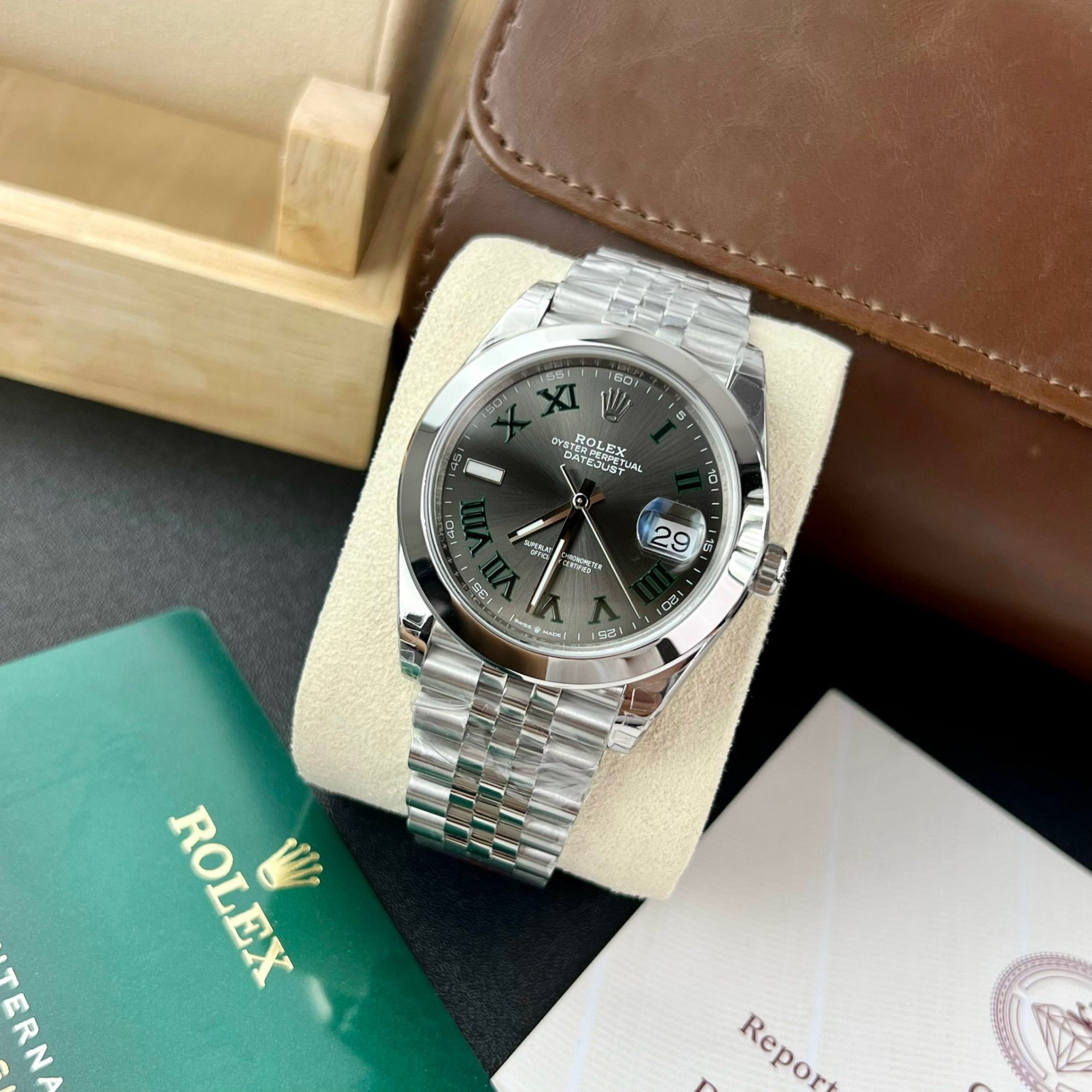
Also, different models expose different risks. A Submariner-style piece makes bezel alignment, pearl position, date centering and clasp fit highly visible. Meanwhile, a Datejust-style piece places more pressure on dial markers, fluted bezel appearance, cyclops view and bracelet finishing.
For wider category context, the official super clone watch page explains how model selection, factory version, QC support and ordering steps connect. This article stays narrower. It focuses on what should be checked before approval.
In short, the strongest order path is model-first, QC-first and proof-first. That route avoids choosing only from a factory label, a forum comment or a single polished photo.
Start With the Model, Then Compare Factory Version
Next, the exact model should be fixed before comparing factory versions. A diver-style watch, a GMT-style watch and a Datejust-style watch do not need the same QC priority. So the first note should include model name, dial color, bezel color, bracelet type and movement preference.
For example, Submariner-style watches usually need close checks on the bezel insert, 12 o’clock pearl, crown guards, date window, bracelet end links and clasp closure. By contrast, Datejust-style watches need stronger review of dial symmetry, cyclops position, fluted bezel lines, Jubilee or Oyster bracelet finish and date font.
Meanwhile, GMT-style watches add one more layer. The GMT hand, bezel number alignment, date magnifier and bracelet fit should all be reviewed together. If the bezel color is the main attraction, the QC set should show the watch under clean light, not only strong reflection.
For broader version research, use the factory version guide. For Rolex-style product research, browse related Rolex model options before requesting current stock and QC photos.
Recommended Model Paths by QC Priority
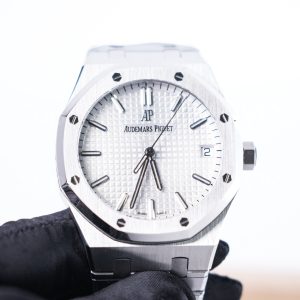
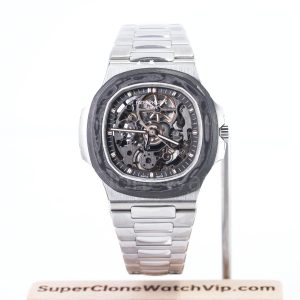
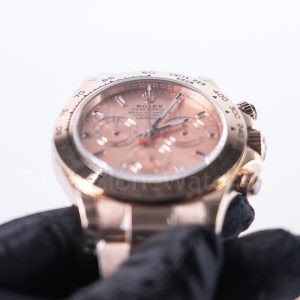
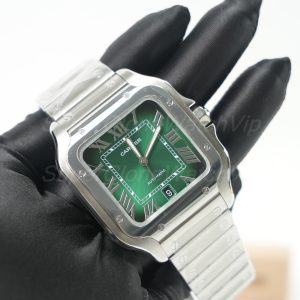
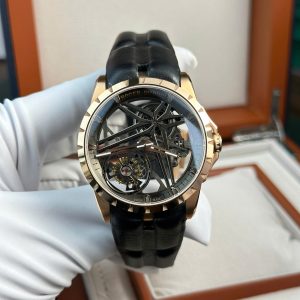
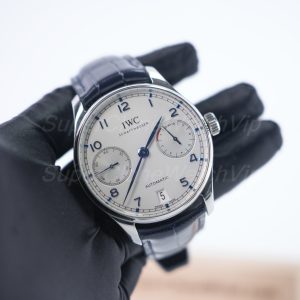
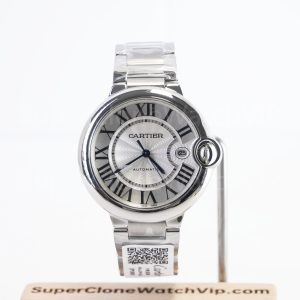
The following product paths are included because they match the checklist. Each image is fully clickable and leads to the product page. Each button goes to the same detail page, so the next step is clear: check product detail, then confirm stock, factory version, QC photos and video proof.
“`

“`
Dial Review: Printing, Markers, Hands and Date Window
First, the dial should be reviewed from a straight front photo. The 12, 3, 6 and 9 positions reveal whether the layout feels balanced. Then, the remaining hour markers should be checked in pairs to see whether spacing and angles remain consistent.
Next, dial printing should look clean from normal viewing distance. Logo placement, minute track spacing and lower dial text should not look blurred or tilted. However, a macro photo can exaggerate tiny texture, so the review should compare one close image with one normal-distance image.
For date models, the date window needs extra attention. The number should sit centered inside the aperture, not pushed too high, too low or too far to one side. In addition, one extra date number is helpful when the first image looks borderline.
Also, cyclops view should be checked from two angles. A tilted camera can change the magnification impression. Therefore, a straight photo and a slight angle photo make the final judgment more reliable.
Case, Bezel, Bracelet and Clasp Details
After the dial, the case should be reviewed from the side. Lug shape, crown-side profile and case thickness can change the whole wrist impression. However, close camera distance can make a case appear thicker, so side photos should include both close and normal-distance views.
Then, the bezel should be checked at 12 o’clock. A diver-style bezel should align cleanly with the dial and chapter track. The pearl, triangle, numeral print and insert fit should look stable across more than one photo.
Meanwhile, bracelet inspection should start at the end links. Large gaps near the case can affect the first impression. Brushing should look even, polished areas should not show deep marks before shipping, and the bracelet should not twist awkwardly in simple photos.
Finally, the clasp should be shown open and closed. Closure alignment, engraving, brushing and safety lock fit all matter. If the clasp action looks uncertain, request video proof before shipping rather than judging from one still image.
Movement Option and Function Checks
Movement option should be confirmed before final approval. The selected movement can affect thickness, hand setting, date behavior and function layout. So the order note should not only say the model name; it should also confirm the available movement direction.
For a time-and-date model, the useful proof is simple: crown setting, date quickset and date centering. For a GMT-style model, the extra hand should be checked clearly. For a chronograph-style model, start, stop and reset action should be shown when those functions apply.
However, movement review should stay practical. A closed caseback may not provide helpful movement visuals. In that case, a short function video often gives better evidence than a decorative image.
Also, water use should remain cautious. QC approval should not be treated as a water-resistance guarantee. For general watch-care context, Rolex also notes that crown security and proper service matter around water exposure in its official care guidance.
QC Photo Checklist Before Shipping
A useful QC set should answer specific questions. It should not only make the watch look attractive. The QC photos before shipping page explains how pre-shipment images support final review.
“`
| QC Area | What to Check | Best Evidence | Why It Matters |
| Dial | Marker alignment, logo position, text sharpness, hands and lume | Straight front photo plus close dial photo | The dial is the most visible surface. |
| Bezel | 12 o’clock alignment, pearl, numeral print and insert fit | Front photo and slight angle photo | Bezel errors frame the whole watch face. |
| Case | Lug balance, crown side, case profile and finishing | Side case photo and crown-side photo | Case shape affects wrist presence. |
| Bracelet | End links, brushing, link spacing and taper | Full bracelet photo and end-link close-up | Bracelet finish affects comfort and appearance. |
| Clasp | Closure, engraving, brushing and safety lock | Open clasp photo, closed clasp photo and short video if needed | Clasp feel matters during daily use. |
| Date Window | Date centering, font shape, cyclops view and aperture edge | Close date photo plus one extra date number | Date errors are easy to notice. |
| Movement and Function | Crown setting, date quickset, GMT hand, chronograph reset or bezel action | Short handling video | Motion reveals details photos may miss. |
“`
Which Model Direction Fits This Checklist?
A good checklist should lead to a practical model decision. Therefore, the right next step depends on which visible details matter most. Some selections need simple dial and bezel review. Others need more function proof or movement-option confirmation.
“`
For Clean Sports WearSubmariner-style models are easier to review because the main QC points are visible. Focus on bezel alignment, date window, crown guards, bracelet fit and clasp action. | For Dress-Daily BalanceDatejust-style models need careful checks on marker alignment, date magnifier, fluted bezel lines and bracelet finish. A straight dial image is especially important. | For Factory ComparisonWhen VSF, Clean Factory or another version is being compared, the model should come first. Then review current stock, version notes and QC proof. |
“`
How to Read QC Photos Without Overreacting
First, review the full watch before zooming into details. A tiny close-up may make dust, glare or reflection look worse than it appears in normal wear. However, a real alignment issue usually appears across more than one image.
Next, separate photo-angle problems from watch problems. A tilted image can make the date look off-center. A close lens can make the case look thick. So a second straight photo is often more useful than a long message.
At the same time, visible defects should not be ignored. A crooked 12 o’clock marker, uneven date window, misaligned bezel or clasp that does not close cleanly should be clarified before shipping. Evidence should guide the decision, not emotion.
For a broader ordering path, the ordering guide explains how model choice, stock confirmation, QC review and contact steps fit together.
Final Contact CTA: Send a Clear QC Request
Before payment, the message should be specific. Include the target model, product link, dial color, bracelet preference, budget range, factory version preference, movement option and receiving country. Then request current stock, factory version, QC photos and video proof.
A strong request avoids vague wording. Instead of asking for the “best one,” ask which current version fits the exact model and what proof can be shown before shipping.
- Target model or product link
- Dial color, bezel style and bracelet preference
- Preferred factory version and movement option
- Budget range and receiving country
- QC photos for dial, bezel, case, bracelet, clasp and date window
- Video proof for bezel, clasp, date, GMT or chronograph function when relevant
Summary: A Practical Approval Method
Overall, a stronger decision starts with the model, then moves to the factory version, movement option and QC evidence. A factory name can narrow the search, but the prepared watch still needs real photo and video review before approval.
Finally, the safest route is simple. Choose the style direction, confirm available stock, request the right proof and review each visible detail calmly. That process makes a vsf watch decision clearer and more useful before shipping.
- First, shortlist the model by dial, bezel, bracelet and movement option.
- Next, request straight QC photos for dial, case, bracelet, clasp and date window.
- Finally, ask for video proof when movement, bezel, clasp, date or chronograph action matters.
FAQ: VSF QC Photos, Movement Option and Video Proof
“`
What should a complete VSF QC photo set include?
A complete set should include the front dial, bezel, case side, crown side, bracelet, clasp, date window and full watch view. In addition, a short video is useful when function or handling needs confirmation.
Is one dial photo enough for final approval?
Usually, one dial photo is not enough. A straight front image helps with alignment, while an angled image helps separate reflection from real surface issues.
Which details matter most on Submariner-style VSF selections?
The main checks are dial balance, bezel alignment, pearl position, date centering, crown guards, bracelet end links and clasp closure. A short bezel video can also help.
How should the movement option be confirmed?
The movement option should be confirmed in the order note before payment. Then, the proof should match the function, such as date change, GMT hand behavior or chronograph reset.
When is video proof more useful than another photo?
Video proof is more useful when motion matters. Bezel rotation, clasp closure, crown setting, date quickset and chronograph action are easier to judge in a short clip.
Should small QC concerns stop the order?
Not always. Dust, glare or camera angle can create false concerns. However, repeated evidence of a crooked marker, uneven date, poor bezel alignment or clasp issue should be clarified before shipping.
“`