Therefore, this guide compares Rolex, AP, Patek Philippe, and RM-style decisions by real visible checks. For the main site route, start once from super clone watch, then use the sections below to narrow the factory and model path.
Factory Choice Should Start With the Exact Model
First, factory names are only useful when they are tied to one exact model. A factory version that looks strong on a Daytona-style chronograph may not be the right direction for a Nautilus-style dress-sport watch. Likewise, an AP-style integrated bracelet needs different checks from an RM-style skeleton case.
In practice, the strongest decision path is simple. Start with the model family, then compare available factory versions, and finally review real QC photos before shipping. This keeps the decision grounded in visible details rather than forum noise or old factory rumors.
For a broader explanation of factory names, version logic, stock changes, and model-based comparison, use the factory version guide. It works well before narrowing the final product request.
Also, public brand resources can help study model families, case names, and original design direction. For example, the official Rolex watch collection pages can be used only as a design reference point, while final ordering decisions should still depend on the available version, QC photos, and support path. Rolex official resource
Rolex Factory Notes: Daytona, Submariner, GMT and Datejust
Rolex-style models usually need the most careful version comparison because familiar details are easy to notice. The dial print, bezel alignment, crown guard shape, bracelet brushing, clasp engraving, date window, and case profile all affect the final impression.
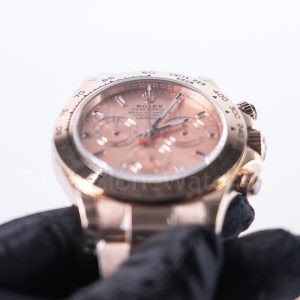
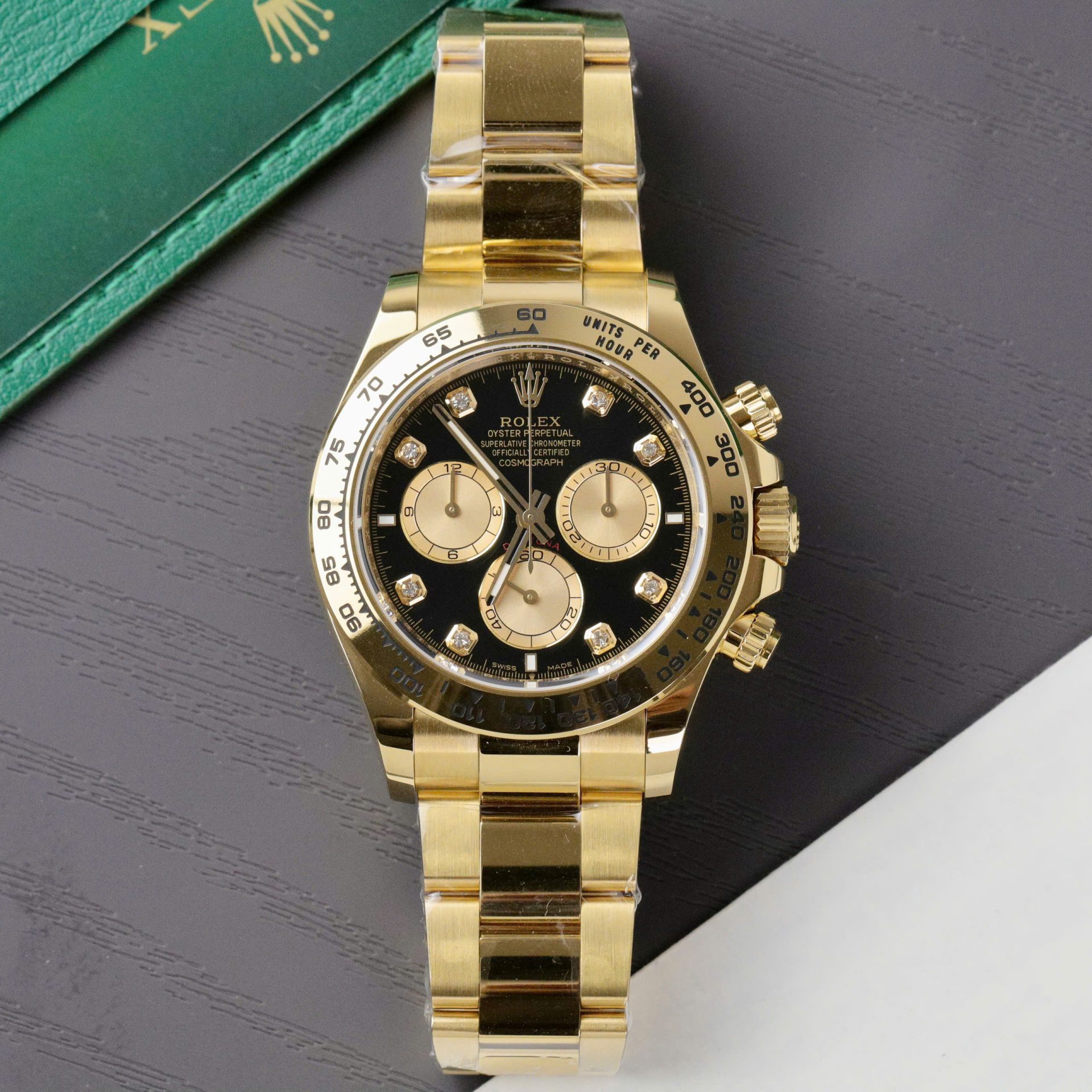
For Daytona-style watches, chronograph layout is the main concern. Sub-dial spacing, pusher shape, tachymeter printing, bracelet finish, and basic function checks should all be reviewed. In addition, short video proof can show pusher action and reflections more clearly than flat photos.
For Submariner and GMT-style models, bezel work becomes more important. The 12 o’clock alignment, marker fill, bezel tone, insert fit, crown side, and bracelet end links should be checked together. Meanwhile, Datejust-style models need attention around dial color, cyclops balance, fluted or smooth bezel shape, and Jubilee or Oyster bracelet finishing.
For model browsing, the top super clone watch factories 2026 Rolex route is the main category path. It supports comparison across Daytona, Submariner, GMT-Master II, Datejust, Day-Date, Yacht-Master, and other Rolex-style options.
AP Factory Notes: Royal Oak, Offshore and Openworked Models
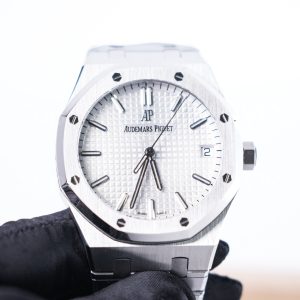
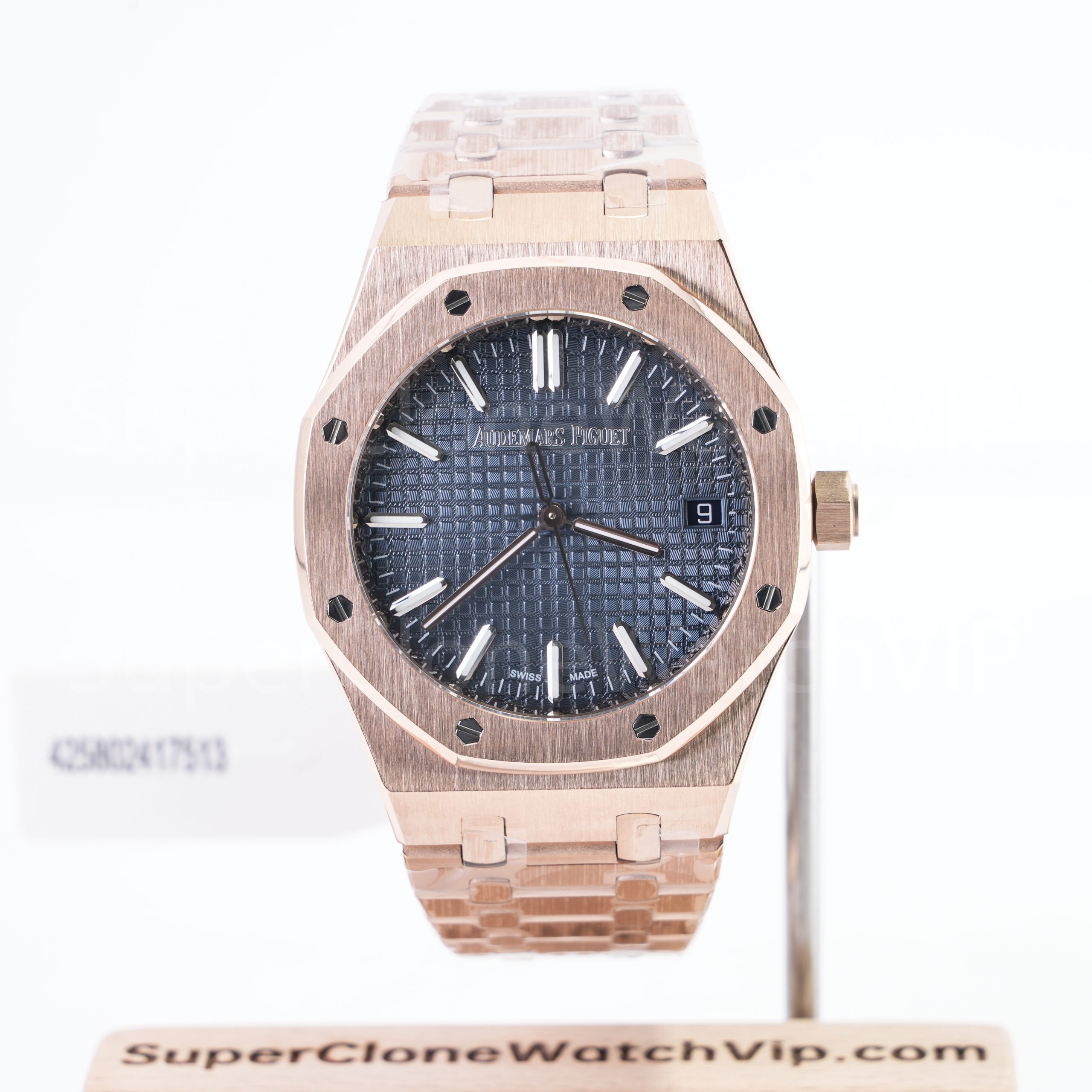
AP-style watches should not be checked like simple round watches. Royal Oak-style models depend on flat brushing, octagonal case geometry, bezel screw rhythm, bracelet taper, and dial texture. Therefore, a strong version should look clean from both front and angled views.
For Royal Oak-style daily models, the case should not look too rounded. The integrated bracelet should flow from the case without awkward gaps. Also, the dial texture should look balanced rather than overly flat or noisy.
Offshore and chronograph-style models need extra side photos. Case height, pushers, rubber or bracelet fit, and sub-dial spacing become more visible from an angle. Openworked models need even more review because the skeleton layout can hide small alignment issues.
For a focused AP comparison, read the APS vs ZF Royal Oak factory comparison. It connects AP model style with factory version questions and QC review points.
Patek Factory Notes: Nautilus and Aquanaut Proportions
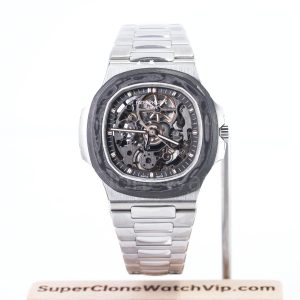
Patek Philippe-style models need restraint. The Nautilus and Aquanaut design language depends on proportion, case curve, dial texture, bracelet or strap integration, and a slimmer visual profile. As a result, small thickness or dial issues can stand out quickly.
For Nautilus-style watches, case ears, bezel curve, dial horizontal texture, bracelet taper, and clasp shape should be reviewed carefully. The watch should feel balanced rather than heavy. Also, the bracelet or strap should meet the case cleanly.
Aquanaut-style watches need a different eye. The rubber strap texture, dial pattern, case curve, date window, and side view should all work together. In addition, natural-light QC photos help reveal whether the watch looks clean outside studio lighting.
For broader Patek-style browsing, the Patek Philippe model category gives a practical route for Nautilus and related dress-sport options.
RM Factory Notes: Tonneau Case, Skeleton Dial and Strap Fit
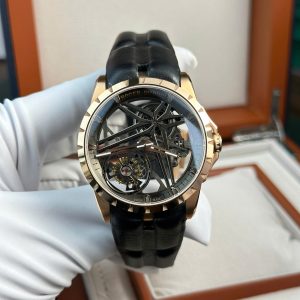
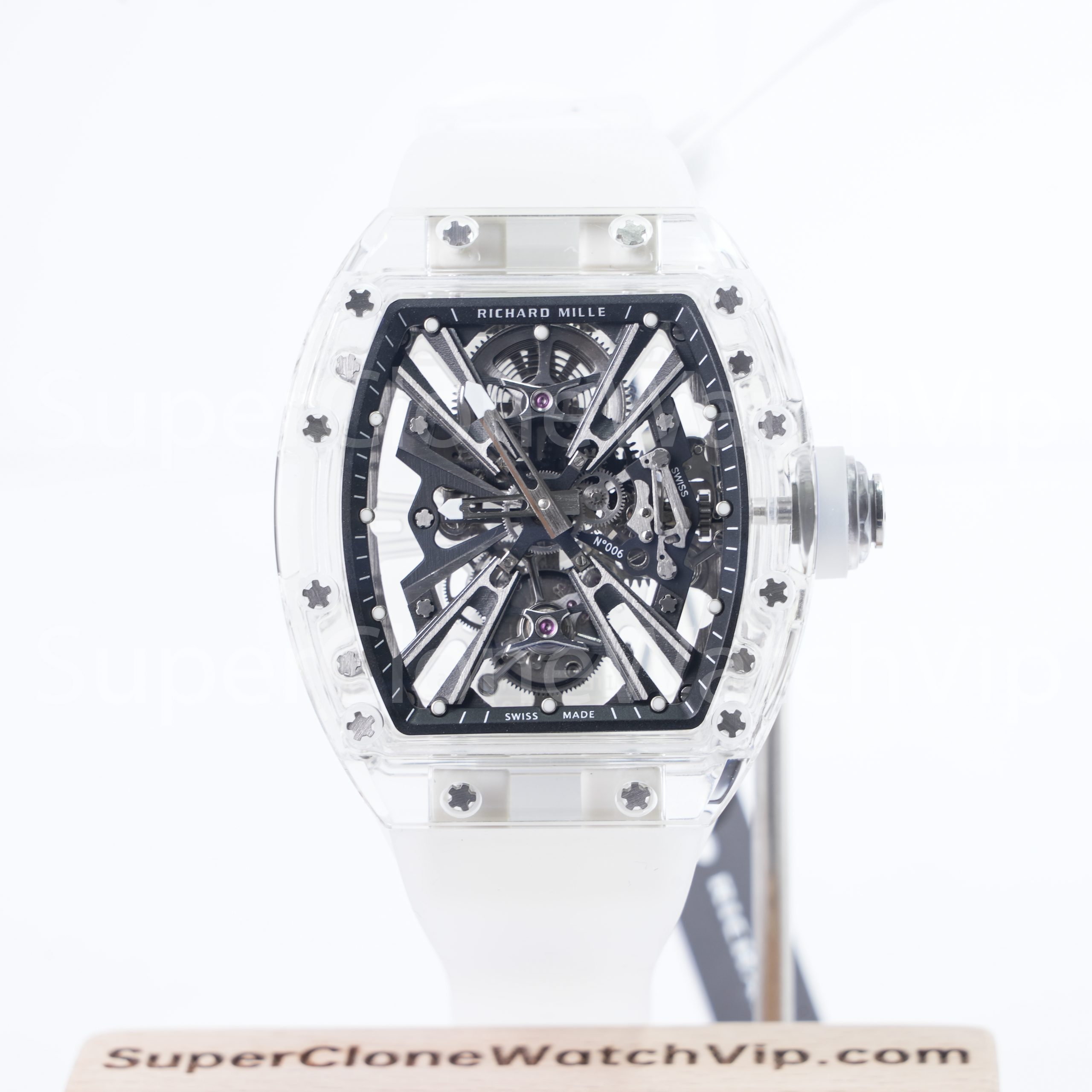
Richard Mille-style watches need a more visual review path. The tonneau case, layered skeleton dial, visible screws, strap fit, and case thickness cannot be judged from one straight photo. Therefore, front, side, and video views matter.
First, the case shape should be checked from multiple angles. A case that looks too flat can lose wrist presence. However, a case that looks too bulky may feel less refined. The side view usually tells the real story.
Next, the skeleton dial should look organized. Bridges, screws, hands, markers, and open spaces need visual balance. Because busy dials can hide flaws, a short video is useful for checking depth and reflection.
For more RM-specific reading, the Richard Mille style buying guide explains case shape, skeleton design, QC photos, and realistic order expectations in more detail.
Factory Comparison Table by Watch Family
The table below keeps the decision practical. It does not treat factory names as a fixed ranking. Instead, it shows which visible details should guide each model family.
| Model family | Factory focus | QC points | Best fit |
|---|---|---|---|
| Rolex sports style | Case profile, bezel, bracelet, clasp, date window | Dial balance, bezel alignment, crown side, clasp view, side photo | Daily wear, travel style, sport-casual rotation |
| Daytona-style chronograph | Sub-dials, pushers, bezel text, bracelet finishing | Chronograph layout, pusher view, tachymeter print, video proof | Detailed sport styling and function-led checks |
| AP Royal Oak style | Flat brushing, bezel screws, bracelet taper, dial texture | Octagonal case, screw rhythm, end-link fit, date window, clasp | Integrated bracelet look and stronger wrist presence |
| Patek Nautilus style | Case curve, dial texture, bracelet or strap integration | Case ears, side thickness, dial pattern, clasp, natural light | Quiet dress-sport style and restrained daily wear |
| RM skeleton style | Tonneau case, skeleton depth, screws, rubber strap fit | Front view, side view, dial layers, strap connection, video proof | Bold style, statement wear, technical visual interest |
QC Photo Checklist Before Final Approval
QC photos should answer specific questions. A useful set should show the actual prepared watch, not only catalog photos. Therefore, the following checks should be requested before final approval.
Dial
Check logo placement, marker alignment, hand length, dial print, lume fill, and overall balance.
Bezel
Review insert alignment, engraved or printed numerals, pearl position, screw rhythm, and edge finishing.
Case
Check thickness, lugs, crown guards, pushers, brushing, polishing, side view, and caseback fit.
Bracelet or Strap
Review end links, taper, strap texture, polishing, brushing, link fit, and case connection.
Clasp
Confirm clasp engraving, folding shape, closing position, brushing, and general alignment.
Date Window
Check centering, cyclops balance, window position, font size, and date display consistency.
Movement and Function
For GMT and chronograph models, request basic function confirmation and relevant close-up views.
Video Proof
Use short video for bracelet movement, clasp action, dial depth, pusher action, and case thickness.
For the full review flow, the QC photos before shipping page explains how pre-shipping photo checks support dial, bezel, case, bracelet, clasp, and function review.
Product Direction: Match the Model to the Wearing Goal
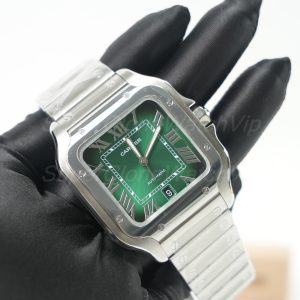
A useful product path should not push every model at once. Instead, it should match the watch family with daily use, dress style, wrist presence, and QC difficulty. The four examples below connect factory research with real model choices.

For wider Rolex-style browsing after comparing the examples above, return to the related model options. For order steps, the buying guide explains model choice, factory version, QC review, and shipping preparation.
How to Choose Without Overthinking Factory Names
Factory comparison becomes easier when the order of decisions is clear. First, choose the watch family. Next, choose the exact model, dial color, case size, and bracelet or strap direction. Then, ask which current factory version fits that model best.
This path avoids random factory-name chasing. For example, a Daytona-style request should mention chronograph checks. A Royal Oak-style request should mention bracelet flow and bezel screws. A Nautilus-style request should mention case thickness and dial texture. An RM-style request should mention video proof and side profile.
When the model has complex finishing, polished gold-tone surfaces, skeleton depth, or chronograph functions, use video proof before shipping. A short video can reveal reflection, clasp action, bracelet movement, and case thickness more clearly than photos alone.
Confirm Stock, Version and QC Photos Before Ordering
A clear request should include the target model, dial color, case size, bracelet or strap choice, budget range, factory preference if known, and receiving country. This makes stock confirmation and version advice much easier.
For example, a strong request can mention: Daytona-style chronograph, black dial, bracelet, preferred factory if available, QC photos required, video proof if available, and receiving country. This format gives enough detail to confirm stock, version, shipping route, and pre-shipping photo support.
Send a Model Request
Send the target model, budget, factory version preference, receiving country, and request for stock status, factory version, QC photos, and video proof before shipping.
FAQ
Final Factory Selection Advice
Overall, factory comparison should stay model-led and evidence-led. A factory name can help narrow the search, but the final decision should come from the exact model, current version, QC photos, function checks, video proof, and shipping preparation.
For top super clone watch factories 2026, the safest path is clear: choose the model family first, compare available versions second, and confirm real pre-shipping evidence before approval.
- First, choose one exact direction: Rolex daily sport, AP integrated bracelet, Patek refined dress-sport, or RM skeleton statement.
- Second, request factory version, stock status, QC photos, date window close-up, clasp view, side profile, and function notes when relevant.
- Finally, send the model, budget, factory preference, and receiving country before asking for stock, QC photos, and video proof.
“`