clean factory vs c+ is a practical question when comparing GMT-Master II styles before order confirmation. The answer should not come from factory reputation alone. Instead, the stronger route is to compare the exact model, current factory version, bezel execution, bracelet fit, date window, GMT function, QC photos, and video proof before approval.
Therefore, this guide keeps the focus narrow. It does not repeat broad legal, meaning, cost, or where-to-buy topics. It explains how to compare Clean Factory and C+ factory for GMT-Master II options, when each direction can make sense, and how to move from research to a clear inquiry for a higher-grade replica watch selection.
What This Comparison Should Actually Solve
First, a GMT-Master II comparison is not only about choosing a factory name. The model has a rotating 24-hour bezel, an extra GMT hand, a date window under a cyclops lens, and either Oyster or Jubilee bracelet options. As a result, small visual differences can change the final impression quickly.
Meanwhile, Clean Factory and C+ factory can appear in the same discussion for different reasons. One version may look stronger in case shape and bracelet finishing. Another may deserve attention for a specific GMT configuration or current batch. Therefore, the useful question is not which factory wins forever. The useful question is which current piece passes the right QC comparison.
For that reason, this article follows a practical order path. Start with the GMT-Master II options, narrow the target style, review the factory version, request QC photos, and confirm video proof before shipping.
Clean Factory and C+ Factory in GMT-Master II Selection
To begin with, Clean Factory is often discussed for exterior finishing on Rolex-style sports models. The usual review points include case proportion, bezel insert, bracelet brushing, clasp finish, and overall wrist presence. However, those strengths still need to be checked on the exact GMT style under consideration.
By comparison, C+ factory is often considered in GMT conversations because the model has more functional details than a simple three-hand design. The GMT hand, date change, crown positions, and hand stack appearance deserve close review. In addition, the version should be confirmed before payment because availability can change.
Moreover, online comments can become outdated. A batch may improve the bezel color while another batch may show weaker date alignment. So, older photos and forum posts should only provide background. Current stock notes and QC photos should decide the final direction.
For broader factory background, the factory version guide explains how factory names should be compared by exact model, movement option, visible finishing, QC photos, and available stock. This GMT article applies that same method to one focused model family.
GMT-Master II Details That Decide the Better Version
First, the bezel controls the first impression. Pepsi, Batman, Sprite, Bruce Wayne, Root Beer, and black bezel styles all create different visual pressure points. A two-tone insert needs a clean color transition. A grey or black insert needs controlled shine and sharp printed numerals.
Next, the date window needs careful review. The date should sit centered under the cyclops lens, and the number should not lean high, low, left, or right. Because the lens magnifies the date area, a small centering issue can become obvious during normal wear.
Also, the GMT hand should look balanced with the hour, minute, and seconds hands. The hand stack should not look crowded, uneven, or rough under close photos. When possible, video proof should show the crown positions and travel-time function.
Finally, the bracelet completes the impression. Jubilee bracelets look dressier and reflect more light. Oyster bracelets look cleaner and sportier. However, both styles need end-link checks, clasp checks, brushing review, and side-angle photos.
Clean Factory and C+ Factory QC Comparison Table
The table below keeps the comparison practical. It does not treat either factory as a fixed winner. Instead, it shows which details should be reviewed before approving a current GMT-Master II piece.
| Review area | Clean Factory focus | C+ factory focus | Approval note |
| Case shape | Check lug shape, crown guards, side thickness, and polished edges. | Check the same areas from front, side, and wrist-style angles. | Side photos reveal bulk better than front photos. |
| Bezel insert | Review triangle alignment, numeral depth, color tone, and insert seating. | Review color split, rotation alignment, and printing consistency. | Two-tone inserts need more light-angle photos. |
| Dial and hands | Check marker spacing, dial text, logo position, and GMT hand balance. | Check the same points, then confirm hand movement in video. | A straight front image should come first. |
| Date window | Check date centering under the cyclops lens. | Check date font weight, height, and lens position. | Two or three date examples are more useful than one. |
| Bracelet | Review brushing direction, link finishing, end links, and clasp fit. | Review bracelet appearance, side gaps, and clasp action. | Jubilee and Oyster need different light angles. |
| Function | Confirm crown positions and date change if video is available. | Confirm GMT hand adjustment and general operation. | Video proof is stronger than still photos for function checks. |
QC Photo Checklist Before Approval
A strong GMT comparison needs organized photos. Product images help with browsing, but QC photos show the actual prepared piece. Therefore, the review should cover the full watch instead of one polished front image.
Use the QC photos before shipping process as the main approval path. Then add video proof before shipping when GMT hand movement, crown positions, date change, bezel action, or clasp feel need confirmation.
“`
Dial
Check marker alignment, logo position, printed text, minute track spacing, lume marker shape, and hand balance.
Bezel
Check the 12 o’clock triangle, color split, numeral depth, insert seating, surface reflection, and rotation alignment.
Case
Check lug width, crown guard shape, side thickness, polished edges, brushed surfaces, and caseback fit.
Bracelet
Check end-link fit, brushing direction, link spacing, side screws, flexibility, and normal-light appearance.
Clasp
Check engraving clarity, safety lock fit, closing action, clasp alignment, and finish on brushed areas.
Date window
Check date centering, font weight, vertical position, cyclops clarity, and several date numbers when possible.
Movement and function
Check crown positions, date change, GMT hand setting, seconds hand motion, and general operating response.
Video proof
Use a short handling video to confirm operation, clasp action, bezel movement, and real-light appearance.
Natural Product Path for GMT-Master II Selection
The best route starts with the preferred GMT style. Then, Clean Factory and C+ factory can be compared under the same model direction. This keeps the decision fair because bezel, bracelet, and date-window expectations stay consistent.
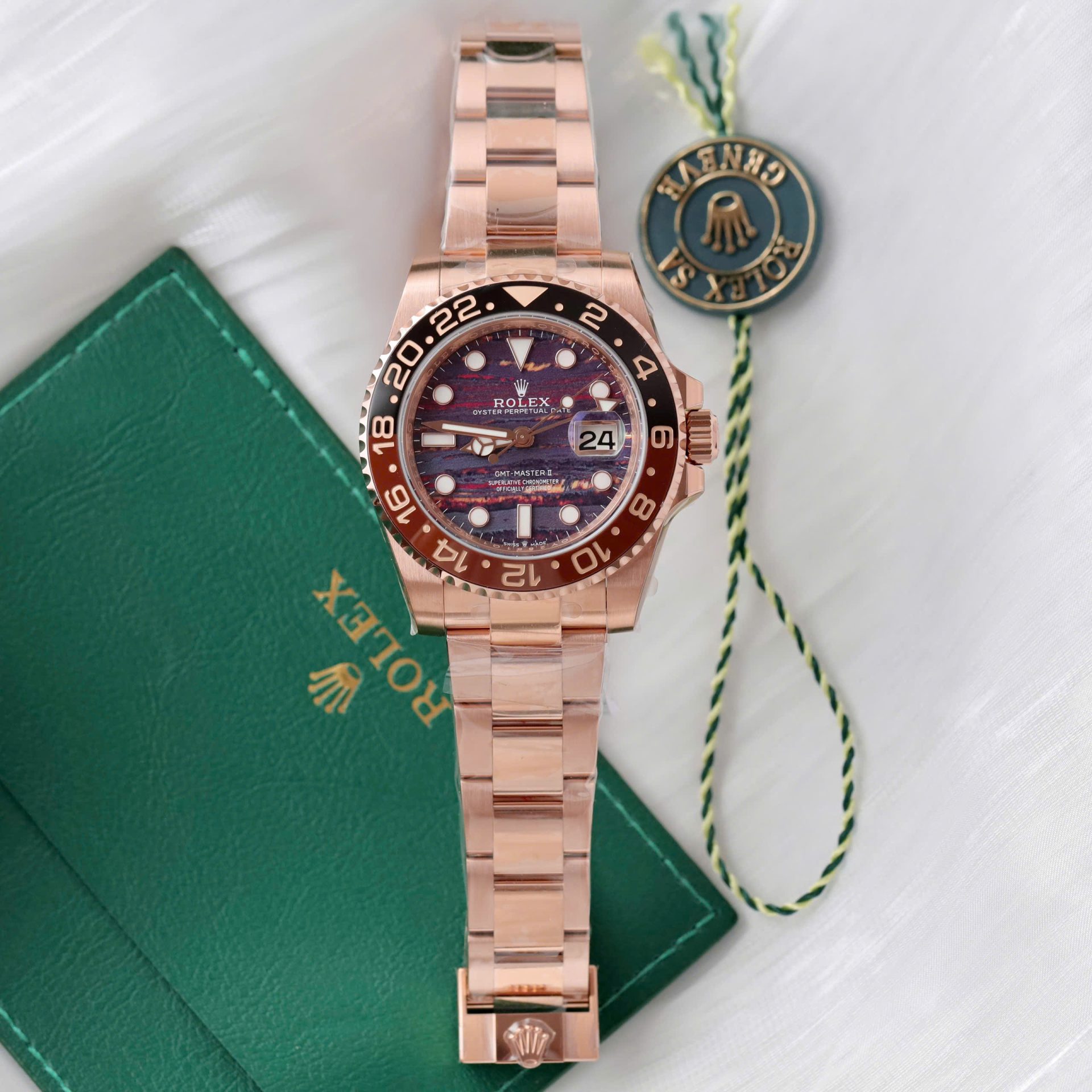
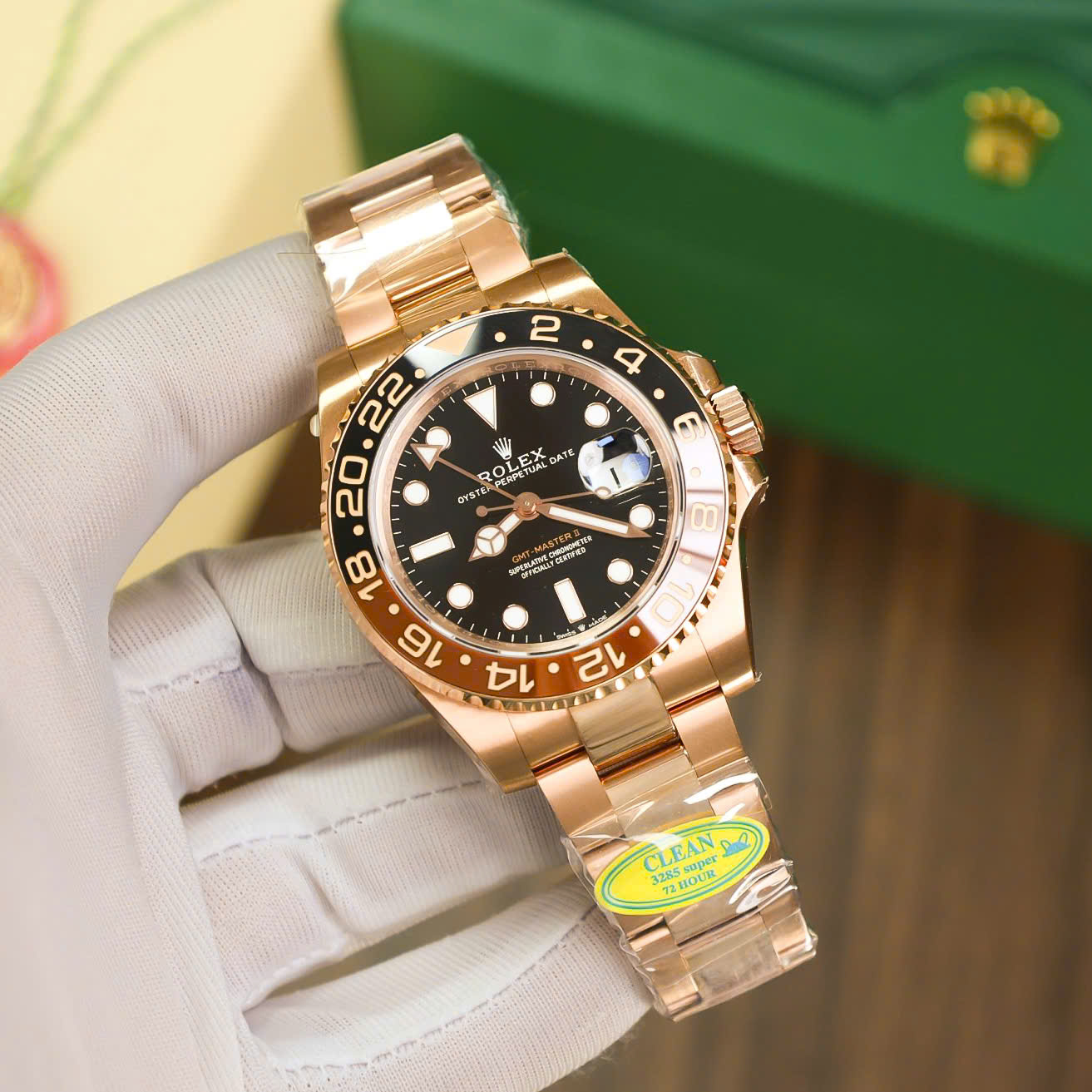
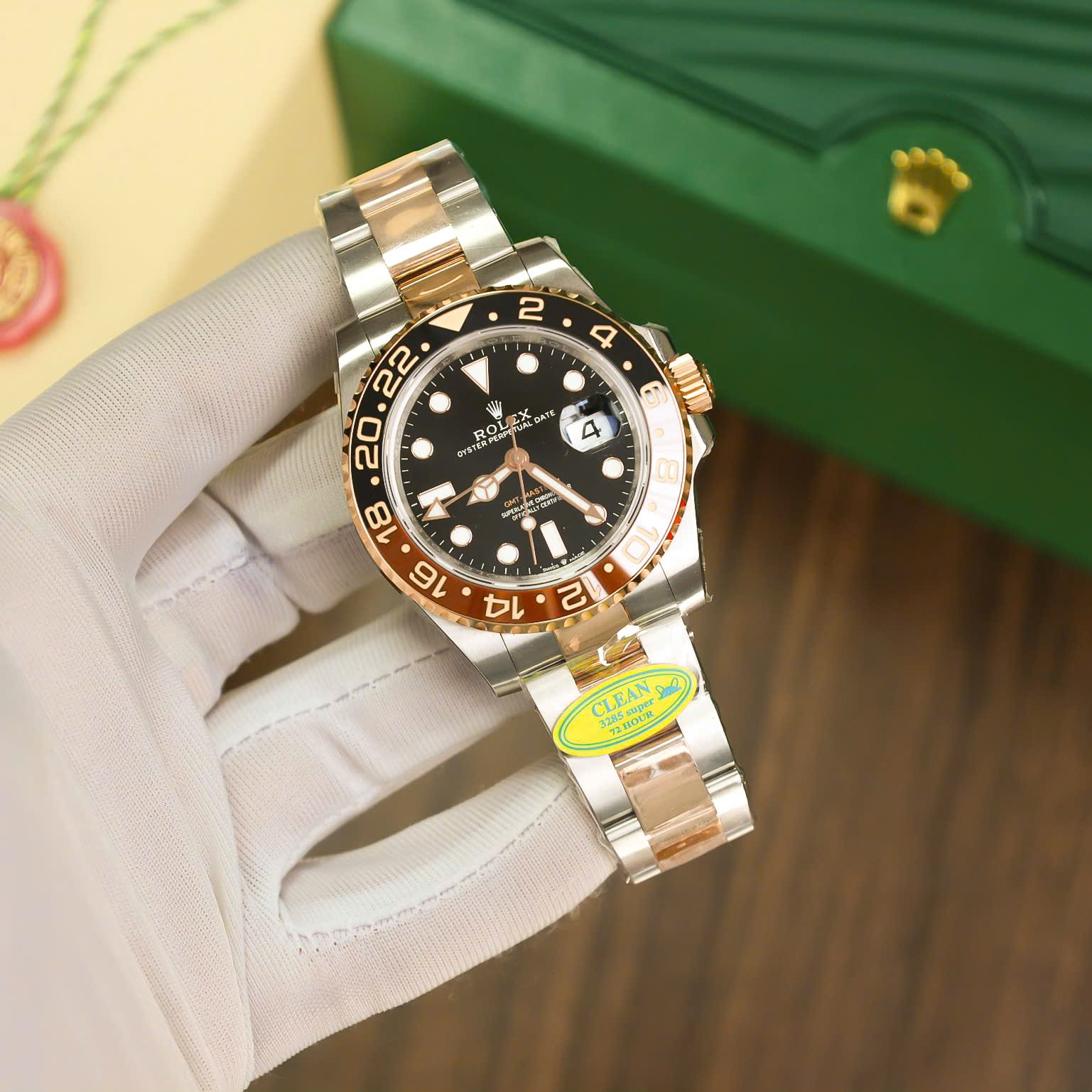
For example, a Pepsi Oyster request should not be compared loosely with a Root Beer two-tone request. Different bezel colors, bracelet structures, and case tones create different QC needs. Therefore, start from one primary model and one backup option on the GMT-Master II category page.
Best Fit by GMT Style
A useful recommendation should not force one model into every situation. Instead, the model should match the desired visual style, bracelet feel, and QC priority. The following guide keeps the choice simple.
Pepsi
Best for a classic red-blue GMT look. Check bezel color split, triangle alignment, date centering, and whether Oyster or Jubilee better fits the intended style.
Batman
Best for a darker blue-black look with strong daily versatility. Check blue tone, bezel numeral depth, Jubilee link finish, and clasp action.
Sprite
Best for a modern green-black direction and left-crown visual identity. Check date position, cyclops alignment, bezel transition, and wrist balance.
Root Beer
Best for a warmer brown-black GMT style. Check bezel tone, gold-tone consistency, case polishing, bracelet contrast, and date-window clarity.
Final Checks Before Sending an Inquiry
First, define the exact model direction. The message should include the GMT style, bracelet preference, budget range, preferred factory version, and receiving country. This makes stock and version confirmation much clearer.
Second, compare only realistic options. If one factory version is available for Pepsi Oyster and another version is available for Root Beer Oyster, the comparison is not equal. Instead, ask whether both versions are available for the same model or whether a close substitute can be shown.
Third, keep destination risk in mind. International orders can face different customs and intellectual property rules by country. For U.S. reference, official U.S. CBP Intellectual Property Rights guidance explains how counterfeit and pirated goods are handled at the border. This link is only a general reference, not legal advice.
Finally, use the super clone watch buying guide to keep the process organized. The most useful sequence is model selection, stock confirmation, factory version confirmation, QC photos, video proof, shipping note, and final approval.
Final Summary and Contact Path
In summary, Clean Factory and C+ factory should be compared through the actual GMT-Master II model, not through factory reputation alone. The stronger version is the one with better bezel alignment, dial balance, date centering, bracelet finishing, clasp action, and function proof in current stock.
For a clear clean factory vs c+ inquiry, send the target model, budget range, preferred factory version, bracelet preference, and receiving country. Then ask support to confirm stock, factory version, QC photos, and video proof before shipping approval.
- First, choose one main GMT-Master II style and one backup option.
- Next, request dial, bezel, case, bracelet, clasp, date window, and function photos.
- Finally, confirm stock, factory version, receiving country, shipping route, QC photos, and video proof before approval.
FAQ
Is Clean Factory always better than C+ factory for GMT-Master II models?
No. Clean Factory may look stronger on some exterior details, while C+ factory may be considered for certain GMT versions. However, the final decision should depend on the exact model, current factory version, QC photos, and video proof.
What should be checked first in GMT-Master II QC photos?
Start with a straight front photo. Check dial centering, bezel triangle alignment, marker spacing, date position, and hand stack. After that, review side case photos, bracelet photos, clasp photos, and video proof.
Does bracelet style affect the factory comparison?
Yes. Jubilee bracelets show reflection, link finishing, and clasp details more clearly. Oyster bracelets make brushing direction, end-link fit, and case balance easier to judge. Therefore, bracelet choice should be included in the factory comparison.
Why is video proof important for GMT models?
A GMT model has more function points than a simple time-only design. Video proof can show crown positions, GMT hand adjustment, date change, bezel rotation, clasp action, and real-light appearance more clearly than photos.
Can factory version notes replace QC photos?
No. Factory version notes provide useful background, but they cannot confirm the exact piece prepared for shipment. QC photos and video proof should guide the final approval.
What should be sent before asking for stock confirmation?
Send the target GMT-Master II style, bracelet preference, budget range, factory preference, and receiving country. In addition, request current stock, factory version, QC photos, and video proof before shipping approval.