A “Clean” label tells you what the seller claims about the source; it does not prove that every model, version, batch or assigned watch is equivalent. This Clean Factory review treats the label as a claim that must be supported by an exact model reference, current version notes, clear QC images and function evidence.
The purpose is not to rank every factory or repeat a full Daytona, Submariner, Datejust or GMT comparison. It is to define what a usable Clean Factory claim should contain, where buyers commonly prioritize its exterior work, what still needs verification and when a dedicated comparison page should take over. Buyers who are still choosing a broad model family can begin with the replica watches collection, then return here with one exact reference.
What a Clean Factory Claim Needs to Include
A factory name is useful only when it is attached to a specific watch. “Clean Daytona” is too broad. A workable claim identifies the model family, reference direction, dial, bezel, bracelet or strap, and the version the seller says is currently available. Without those details, two buyers can use the same factory name while discussing visibly different watches.
The claim should also connect to the actual piece prepared for approval. Catalog photos can explain the model, and older comparison images can explain common discussion points, but neither confirms the assigned watch. Current QC evidence is the bridge between the factory statement and the item being reviewed.
Model family, reference direction, dial color, bezel type, bracelet or strap and size.
The version or batch wording used by the seller, plus confirmation that it applies to current stock.
Clear front, side, bezel, bracelet, clasp and relevant date or sub-dial views of the prepared piece.
A short video for the functions that matter on that model, rather than a generic wrist clip.
Useful distinction: packaging, a sticker, a chat screenshot or a factory label can support the seller’s statement, but none of them replaces a matched set of current photos and function proof for the exact watch.
Model Families Commonly Associated With Clean
Clean Factory discussions most often become useful after the buyer has narrowed the search to a Rolex-style family with visible exterior details. Daytona, GMT-Master II, Submariner and Datejust are common examples, but that does not make every reference within those families equal. Dial, bezel, bracelet and complication choices can change the inspection priority.
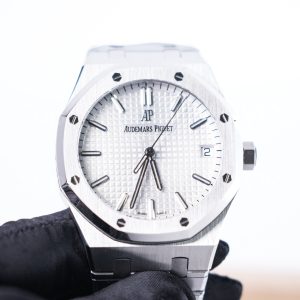
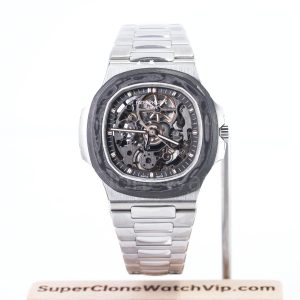
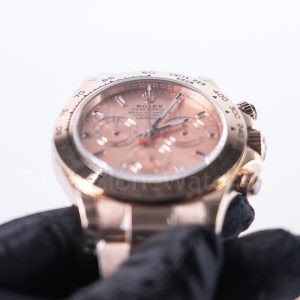
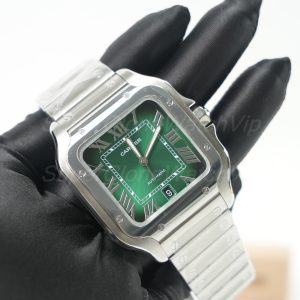
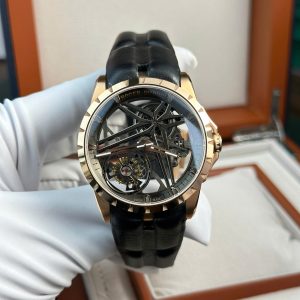
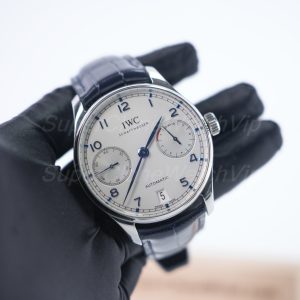
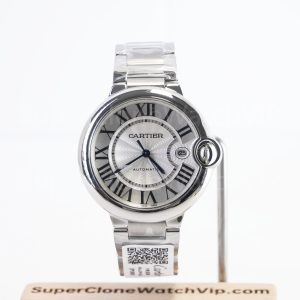
The product examples below are visual model references only. Their presence does not prove a factory source. The product page, the claimed version and the QC set must still be matched before approval.
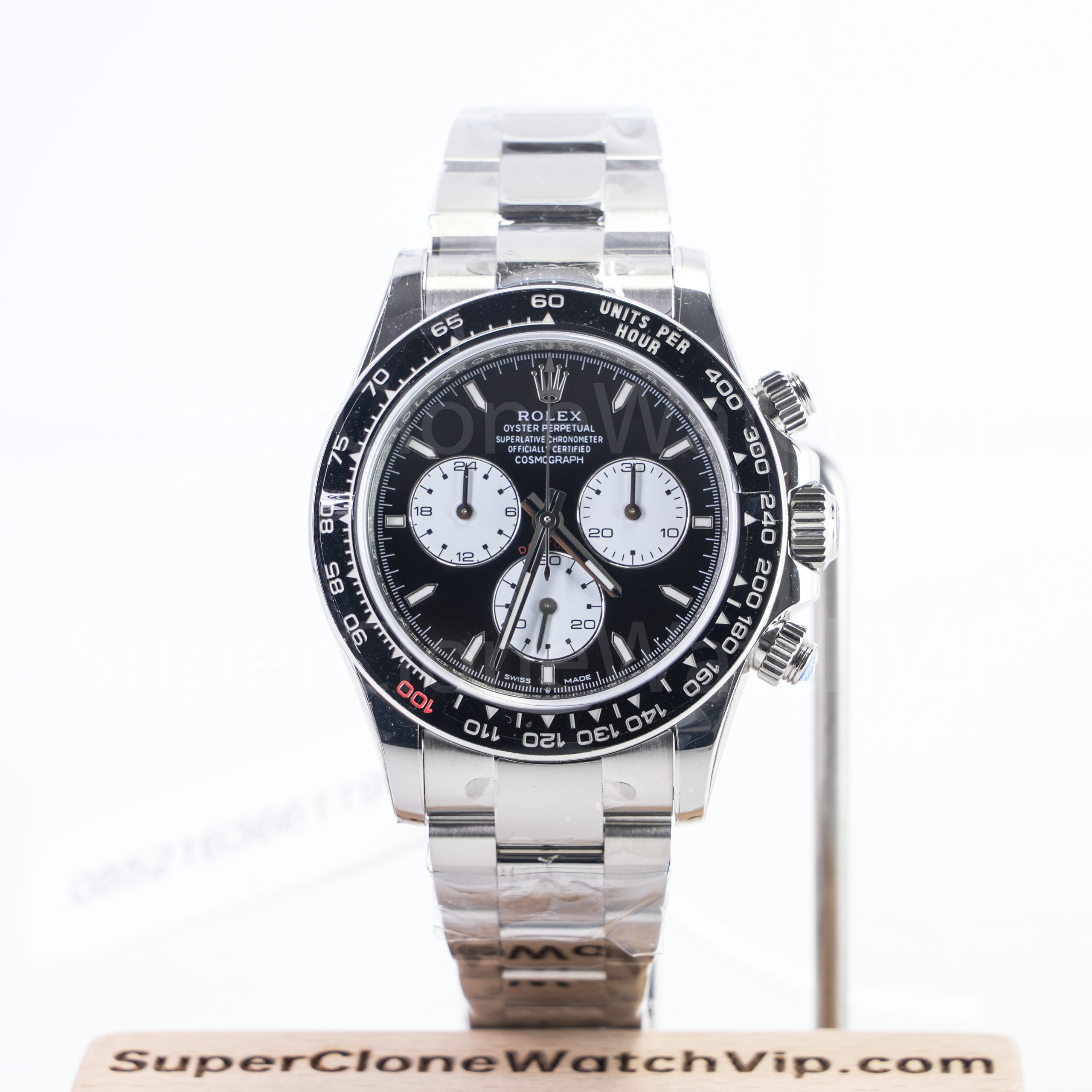
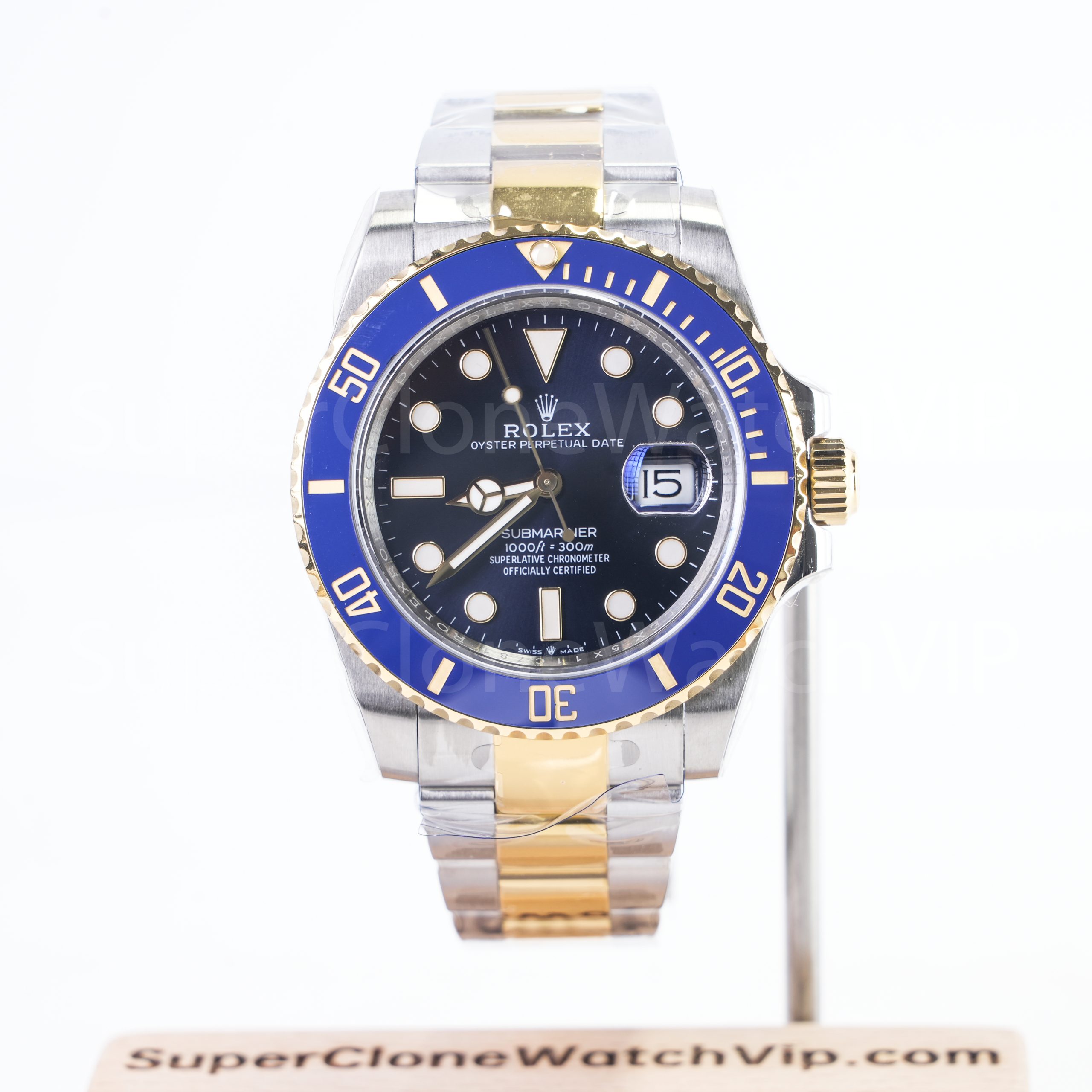
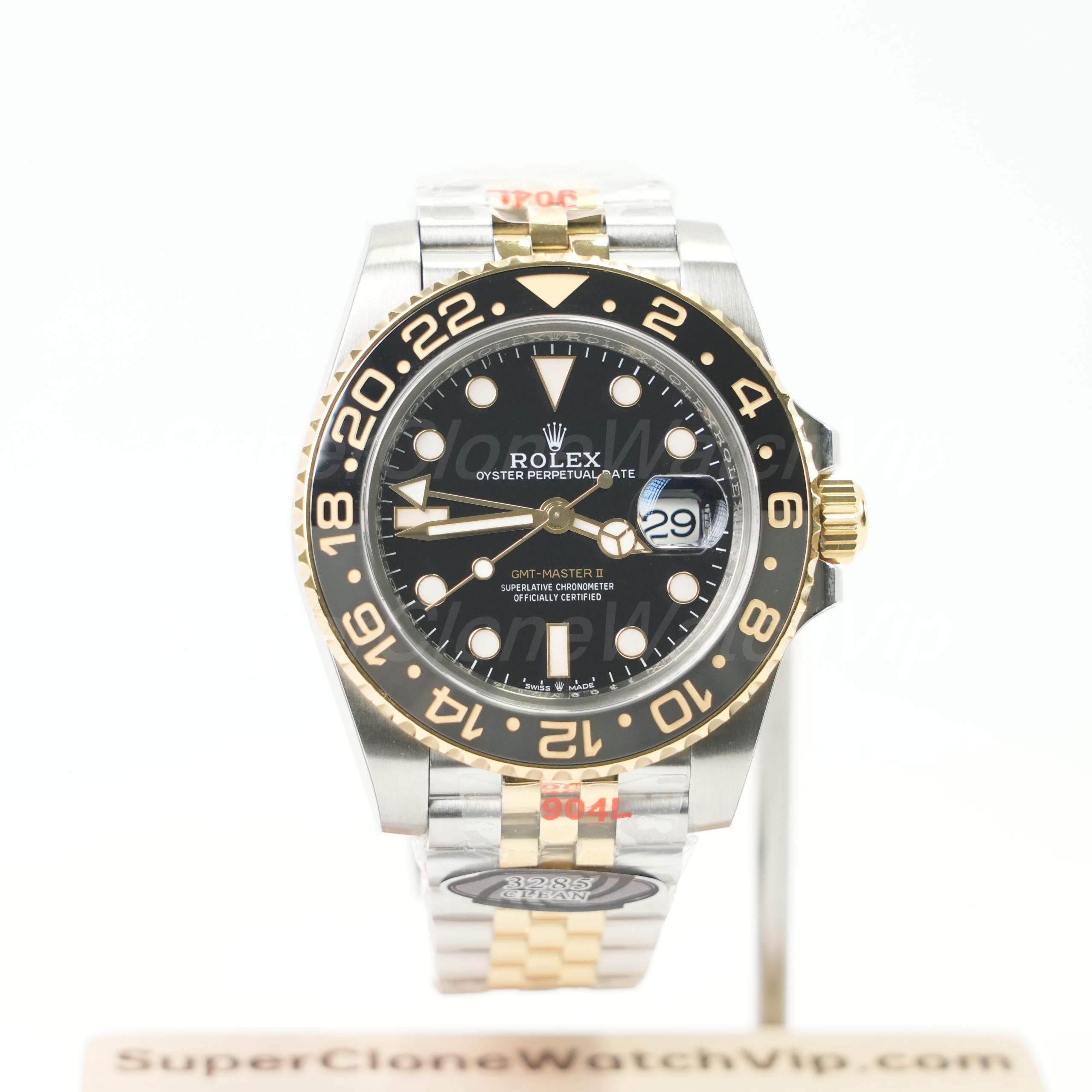
Clean model-family navigation matrix
This tool keeps the factory profile separate from the detailed factory-versus-factory pages. Use the final column only after the exact family and priority are clear.
| Model family | Commonly discussed strength | Must verify | Suitable priority | Detailed comparison |
|---|---|---|---|---|
| Daytona | Bezel presentation, case definition, dial balance and bracelet or strap integration are frequent discussion points. | Sub-dial alignment, pusher side profile, bezel scale, case thickness and start-stop-reset proof. | Buyers who put visible chronograph execution and exterior balance ahead of a factory slogan. | Open Daytona comparison |
| GMT-Master II | Two-tone bezel presentation, case edges, bracelet finish and overall exterior sharpness are commonly examined. | Bezel transition and alignment, date centering, hand stack, GMT adjustment and bracelet choice. | Buyers whose first priority is bezel-and-case appearance on a named colorway. | Open GMT comparison |
| Submariner | Bezel insert, case definition, bracelet brushing and clasp presentation often drive Clean interest. | Pearl and bezel alignment, crystal and date view, crown-side profile, end links and clasp action. | Buyers who value exterior definition but will still compare crystal and date presentation. | Open Submariner comparison |
| Datejust | Dial sharpness, fluted-bezel appearance, case presence and bracelet finishing are frequent exterior priorities. | Dial markers, date and magnifier alignment, bezel profile, bracelet articulation and clasp finish. | Buyers who want a crisp dress-daily exterior and have already fixed size, dial and bracelet. | Open Datejust comparison |
Bezel, Case and Exterior-Finishing Strengths
Clean Factory is often shortlisted when the buyer’s priorities are visible from the outside: bezel execution, case definition, controlled brushing and polishing, bracelet fit and clasp presentation. These are useful reasons to investigate a version, but they are not a blanket quality guarantee. The assigned watch still has to show those strengths in current evidence.
Read the bezel as a complete assembly
Do not judge the insert alone. Check the twelve-o’clock marker, scale spacing, print or engraving clarity, insert seating and the relationship between the bezel and dial. On two-color GMT styles, ask for normal-light views because strong studio lighting can alter the transition. On a Daytona, check whether the scale sits evenly around the case. On a Submariner, inspect the pearl or top marker and the insert’s alignment with the dial.
Use side views to judge case definition
A straight front photo hides thickness, crown-side geometry, pusher shape and lug profile. Ask for both sides of the case and at least one angled view. The goal is not to chase a single measurement from a forum; it is to see whether the case looks balanced for the selected reference and whether polished and brushed areas meet cleanly.
Follow the exterior from case to clasp
Exterior quality should read continuously. End links should meet the lugs without an obvious uneven step. The first bracelet links should sit naturally. Brushing direction should remain consistent, polished edges should not look wavy, and the clasp should close squarely. A strong bezel does not compensate for poor case-to-bracelet fit.
Best judged in clear still photos
- Bezel alignment and scale placement
- Lug shape and case-side finishing
- End-link fit and bracelet gaps
- Open and closed clasp alignment
Better confirmed with motion or changing light
- Bezel action and return alignment
- Clasp closure and bracelet articulation
- Color shift on ceramic, sunburst or special dials
- Overall case and bracelet reflection under normal light
Dial, Crystal, Bracelet and Movement Checks
An exterior-focused reputation does not remove the need to inspect the components that shape daily use. The right order is to check the dial and crystal as one viewing system, the bracelet and clasp as one wearing system, and the movement claim through the functions available on the exact reference.
Dial and hands
Use a straight photo first. Check marker spacing, hand alignment, print position and whether the dial sits square within the rehaut. Busy Daytona dials need sub-dial and hand-clearance views. GMT models need a clear hand-stack view. Datejust and Submariner date versions add date-centering checks.
Special colors should be shown under ordinary lighting. A dramatic catalog image is poor evidence for tone accuracy.
Crystal and date view
Look for even crystal seating and a balanced edge around the case. Where a magnifier is present, inspect its position relative to the date window from both straight and angled views.
Review more than one date numeral when possible. One centered number does not show how the date appears across the wheel.
Bracelet, end links and clasp
Request both sides of the bracelet, close views of the end links and open-and-closed clasp photos. Check brushing consistency, polished surfaces, side gaps and whether the clasp sits evenly when shut.
A short hand-held clip can reveal articulation and closure behavior that a flat photo cannot show.
Movement statement and function proof
Confirm that the movement description supplied for the watch matches the current listing or seller statement. Do not substitute an old review’s movement claim for the assigned piece.
Ask for the functions relevant to the model: crown positions and date change, chronograph start-stop-reset, or GMT-hand adjustment. The site’s video proof before shipping page provides the separate evidence workflow.
Known Limits and Model-Specific Tradeoffs
The main limit of any single-factory review is that the label can make unlike models look more similar than they are. A Daytona chronograph, a GMT travel watch, a Submariner date model and a Datejust on Jubilee do not expose the same risks. Clean may enter the shortlist for exterior reasons, while another factory may deserve comparison when the buyer ranks crystal presentation, date view, movement behavior or a specific colorway more highly.
Sub-dials, extra hands, date windows and dense printing require more alignment checks than a simple time-only dial.
Pepsi, Sprite, blue, green, ice-blue and special dial tones should not be approved from one studio image.
A well-presented bezel and case do not automatically confirm the crystal, date, bracelet action or installed movement statement.
This page therefore stops before declaring a winner. A Daytona buyer should move to the Daytona comparison after fixing the dial and bracelet. A GMT buyer should compare Clean and C+ only after fixing the bezel colorway. Submariner and Datejust buyers should identify whether exterior definition or crystal-and-date presentation ranks first.
For a broader two-factory boundary across several Rolex-style families, use the VSF vs Clean Factory page. It should not be duplicated here because its job is comparison, while this article’s job is to audit a Clean claim.
How to Identify an Outdated or Unverified Version
A recent article date is not version evidence. “2026,” “latest,” “new batch” or “current version” only become useful when the seller connects the wording to a named model and current stock. The same rule applies to forum screenshots and archived comparison photos.
Signals that the claim may be outdated
- No exact reference, dial or bracelet is named.
- Photos are reused from an older review or another colorway.
- The seller cannot state whether the discussed version is current stock.
- A movement or component claim is repeated without matching the listing.
- Only a factory label is shown; the assigned watch is not.
Signals that the version is better documented
- The exact model configuration is written in the conversation.
- The seller identifies the version wording used for the available piece.
- The QC set shows the same dial, bezel and bracelet as the request.
- Function proof corresponds to the complication on that watch.
- The buyer saves the version statement with the QC approval record.
Version verification request
“Please confirm the exact model, dial, bezel and bracelet; the Clean version name used for current stock; whether these QC photos show the assigned watch; and which function video will be provided before approval.”
Clean Factory QC Checklist
Use this sequence after the seller has made a specific Clean claim. It is designed to prevent a common error: approving attractive photos before confirming that the photos, version statement and requested configuration all refer to the same watch.
01 — Match the identity
Reference direction, dial, bezel, bracelet or strap and size must match the request.
02 — Confirm the version statement
Record the current version wording before judging visual quality.
03 — Start with a straight front view
Check dial centering, marker spacing, hands, bezel alignment and date position.
04 — Review both case sides
Inspect thickness, crown guards, pushers where present, lug shape and finish transitions.
05 — Isolate the bezel
Request a close view for the insert, scale, top marker, seating and alignment.
06 — Check crystal and date
Use straight and angled views; inspect more than one date numeral when available.
07 — Inspect bracelet and clasp
Check end links, first-link fit, brushing, polished edges and open-and-closed clasp alignment.
08 — Request model-specific function video
Chronograph, GMT or date functions should be demonstrated according to the selected model.
09 — Save the evidence set
Keep the version statement, QC images and approval note together for later reference.
A concise set of sharp, well-labeled views is more useful than many blurred images. For the site-wide photo sequence, open the Super Clone Watch QC Process; this article adds the Clean-specific version and model checks that should happen before that approval.
Who Should Consider Clean—and When to Compare
The decision should end in one of three states. This keeps the conclusion tied to evidence rather than reputation.
Suitable
Clean belongs on the shortlist
The exact reference is commonly discussed for exterior execution, those exterior details are your leading priority, the version is current and the assigned watch proves the expected bezel, case and bracelet work.
Needs comparison
A dedicated model page should take over
Your first priority is crystal, date view, movement behavior, a special colorway or a model with active alternatives. Open the corresponding Daytona, GMT, Submariner or Datejust comparison instead of stretching this factory profile into a universal answer.
Evidence insufficient
Pause the approval
The seller cannot name the exact version, the QC photos do not match the requested configuration, only catalog images are available or the required function proof is missing.
For a fixed model with complete evidence, continue with the QC checklist and record the version statement. For an unresolved model, use the clone watches collection to choose one family—not to decide the factory. For weak evidence, do not replace missing proof with an older review.
Send a model-and-evidence request
Include the exact reference direction, dial, bezel, bracelet or strap, the claimed Clean version and the QC views or function video you require. That message gives support a verifiable task instead of asking whether Clean is “best.”
Clean Factory Review FAQ
Does Clean Factory quality stay the same across all models?
No. The label covers different model families, configurations and production periods. A Daytona, GMT-Master II, Submariner and Datejust expose different details, so the current version and assigned watch must be reviewed separately.
How can a buyer verify a current Clean version?
Ask for the exact model configuration, the version wording used for current stock, QC photos of the assigned watch and model-specific function video. Save the seller’s version statement with the approval record.
Which exterior details are often prioritized?
Buyers commonly examine bezel execution, case definition, brushing and polishing boundaries, end-link fit, bracelet finishing and clasp presentation. Those areas still need to be confirmed on the prepared piece.
When should Clean be compared with VSF or C+?
Compare only after naming the model and priority. VSF commonly enters discussions where crystal, date presentation, movement-side interest or overall balance matters; C+ commonly enters GMT discussions. The dedicated model page should handle the actual tradeoff.
What evidence should accompany a factory label?
At minimum, the evidence should identify the requested configuration, state the claimed current version, show the assigned watch from useful angles and demonstrate the functions relevant to that model. A label or packaging photo alone is incomplete.