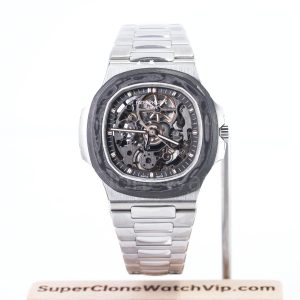
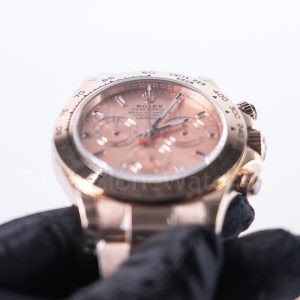
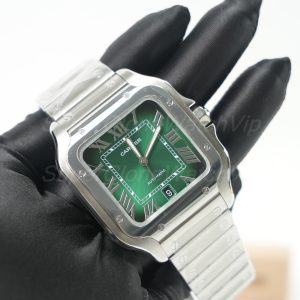
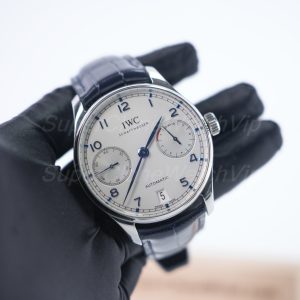
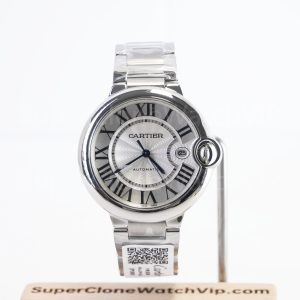
The best replica watch for everyday wear is usually the model that creates the least friction across a normal week. It should sit securely, clear common sleeves, remain readable, and match more than one clothing setting. At the same time, the design still needs enough character to feel worth wearing. That balance suits anyone seeking one dependable watch for office hours, commuting, relaxed weekends, dinners, and occasional travel. A practical choice starts with wrist fit and routine, then moves to dial, bezel, bracelet, visible detail, QC evidence, and order confirmation. The process below avoids broad rankings and focuses on a watch that will receive regular wrist time rather than brief admiration.
Article Navigation
| Daily | Routine | Size & Fit | Design | Scenes | Products | QC & Order | FAQ |
How to Recognize the Best Replica Watch for Everyday Wear
A daily watch does not need to win every comparison. Instead, it needs to perform well in the situations that occur most often. Comfort at a desk, visual balance under a sleeve, and easy outfit pairing usually matter more than extra decoration or a complicated feature list.
At the same time, daily suitability should not become another word for plain. A distinctive dial, a shaped case, or a polished bracelet can work throughout the week when the rest of the design remains controlled. The safest method is to let one feature lead while the other elements support it.
For a broad starting point, the Rolex replica watch collection covers clean, sport, travel, business, and formal directions. Meanwhile, the Cartier replica watch collection offers a shape-led alternative when a round sports profile feels too conventional.
The Six-Part Daily Standard
1. Stable Wrist Fit
The case stays centered, the bracelet does not rotate freely, and the crown does not press into the hand during normal movement.
2. Useful Readability
The hands and markers remain easy to read in office light, daylight, and softer evening settings without a long second glance.
3. Sleeve Compatibility
The case profile works with the shirts, jackets, knitwear, or casual sleeves that appear during an ordinary week.
4. Outfit Range
The watch fits at least three recurring settings without requiring a special outfit built around the dial or bracelet.
5. Controlled Visual Weight
Size, color, reflection, and bracelet texture create the intended presence without becoming tiring after several hours.
6. Verifiable Details
The exact model, visible configuration, current version, and prepared watch can be reviewed before shipment approval.
Who This Selection Method Fits
This method fits a one-watch plan, a first higher-detail watch, or a small rotation that still needs one dependable anchor. It also suits a routine that moves between work, casual clothing, and occasional formal settings.
However, it is less useful when the goal is a dedicated display piece, a highly specialized sport design, or a watch reserved for rare events. Those roles can accept less versatility because frequent use is not the main objective.
Map the Real Week Before Comparing Models
Product pages encourage close attention to dials, bezels, and polished details. Yet a weekly routine reveals whether those details belong in daily life. A useful shortlist begins with repeated situations, not with the most dramatic image in the catalogue.
For example, five office days and one monthly dinner point toward a different watch than three casual workdays, frequent travel, and several social evenings. In practice, frequency should carry more weight than aspiration. The watch should fit the calendar that already exists.
Build a Seven-Day Wearing Map
A short written map prevents vague ideas such as “versatile” or “luxury” from controlling the decision. Each day only needs a few details: clothing, movement, sleeve type, expected formality, and desired wrist presence.
Meanwhile, repeated physical actions deserve attention. Typing, driving, carrying a bag, using tools, and moving through warm outdoor spaces can expose a poor fit. A watch that looks balanced in a still image may slide, press, or catch during those actions.
Workdays
Clothing and Desk Contact
Record cuff opening, jacket use, keyboard time, and whether the clasp touches a desk. These details often matter more than one millimeter of case diameter.
Weekends
Casual Clothes and Movement
Note whether weekends involve denim, knitwear, simple T-shirts, outdoor errands, or long driving periods. A formal design may feel disconnected in these scenes.
Evenings
Reflection and Formality
Count dinners, events, and polished clothing during a typical month. Bright bezels and decorative dials make more sense when those settings occur regularly.
Use the Three-Scene Rule
A strong everyday candidate should feel natural in at least three recurring scenes. Office, weekend, and dinner form a common test. However, commuting, travel, creative work, or formal meetings can replace any scene that occurs more often.
The test is intentionally strict. A watch that only works with one narrow outfit is not a poor watch; it simply has a specialist role. Calling it an everyday piece creates the wrong expectation and often leads to low use.
Separate Admiration From Use
Close photography rewards texture, unusual color, and high reflection. Daily wear rewards comfort, quick reading, stable fit, and easy pairing. Both forms of appeal matter, although they should not receive equal weight in a one-watch decision.
A practical method gives repeated use sixty percent of the decision, physical fit twenty-five percent, and visual excitement fifteen percent. The exact percentages can change, but use should remain the largest part. Otherwise, novelty can overwhelm the routine.
A Simple Stopping Rule
Stop adding models once three credible directions remain. One should be the calmest daily option, one may carry more character, and one can test a different case shape or bracelet. More tabs rarely create more clarity.
After that point, compare the same evidence for each watch. Different photos, different questions, and different standards create an unfair comparison. A fixed review sheet makes the final choice easier.
Size Is a System, Not a Single Number
Case diameter is useful, although it cannot predict fit alone. Lug reach, case height, bezel width, dial opening, first-link shape, bracelet taper, and clasp length all change the result. Two watches with similar listed sizes may occupy the wrist very differently.
Wrist shape adds another layer. A flatter wrist can support a longer footprint, while a rounder wrist often benefits from shorter lugs and a bracelet that drops quickly. Because of that, wrist circumference should guide the comparison rather than finish it.
Check the Full Footprint
From a centered front view, the case should look contained within the wrist. A broad sport watch can still appear intentional, but clear overhang often makes the watch unstable and visually oversized. The bracelet should also begin curving rather than extending straight outward.
From the side, case height and crown position become more important. A crown that presses into the hand can cause discomfort during driving or typing. Likewise, a tall profile may catch on sleeves and hard surfaces more often.
Use a Cuff Test and a Desk Test
The cuff test asks whether the watch slides under the most common shirt or jacket sleeve without force. The desk test checks whether the clasp rests comfortably during keyboard use. These simple checks expose daily friction that front photography cannot show.
At the same time, casual clothing changes the acceptable profile. A thicker case may work with open cuffs, knitwear, or short sleeves. Still, comfort during wrist flexion remains important, even when sleeve clearance no longer matters.
Classic Proportion Versus Modern Presence
A classic proportion leaves more visible wrist around the case. This often improves sleeve comfort and lowers visual intensity. Meanwhile, a larger modern profile can improve quick readability and create a stronger casual or sport impression.
Neither direction has universal priority. The better route depends on whether the watch should blend into clothing or become a clear part of the outfit. A balanced daily choice can be subtle or visible, but it should remain comfortable after the initial excitement fades.
Bracelet Sizing Belongs in the Size Decision
A well-sized case can still feel wrong when the bracelet rotates or the clasp sits off-center. Too much movement changes the watch position throughout the day. Too little space can create pressure when the wrist expands in warm conditions.
For a deeper fit review, the site’s watch size guide separates diameter, thickness, lug-to-lug distance, bracelet type, and intended use. That framework is more reliable than a single fixed wrist-size rule.
Four Images That Improve a Size Decision
- A straight front view centered above the wrist.
- A side view showing case height and crown position.
- An angled view showing how the bracelet drops from the case.
- A normal-distance image rather than a close macro photograph.
Dial, Bezel, Case, and Bracelet Must Share One Mood
An everyday watch becomes difficult to style when every component asks for attention. A patterned dial, bright markers, reflective bezel, and highly detailed bracelet may each look attractive. Together, however, they can create a narrow formal or statement role.
A coherent design uses hierarchy. One feature leads, one feature supports, and the remaining surfaces stay calm. This method preserves personality while keeping the watch useful across more clothing settings.
Start With Dial Behavior, Not Color Names
Color names say little about reflection and texture. A flat dark dial can appear calm, while a dark sunburst dial may become lively under direct light. Likewise, a green motif dial can look restrained in shade and much more expressive at an angle.
Markers and text also affect visual density. Simple batons create open space, while decorative markers increase sparkle and shorten the quiet areas of the dial. Because of that, both straight and angled images matter during comparison.
Use the Bezel to Set the Reflection Level
A smooth bezel creates a broad, clean edge around the dial. A fluted bezel breaks light into many small highlights and gives the watch a dressier structure. A numbered sport bezel adds information and creates a stronger outer frame.
For low-effort daily styling, a simple bezel often creates the widest range. Still, a fluted or sport bezel can work every day when the dial and bracelet remain controlled. Balance matters more than one universal rule.
Bracelet Architecture Changes the Entire Watch
A broad three-link bracelet usually creates a cleaner and more direct line. A five-link bracelet introduces more texture and smaller reflections. A rounded President-style bracelet adds formality and becomes a major part of the watch’s identity.
The bracelet remains visible even when the dial faces away. As a result, it influences the watch for more of the day than the dial does. Link shape, taper, end-link fit, clasp position, and surface contrast all belong in the main decision.
Design Intensity Scale
Round Daily Watch or Shape-Led Alternative
Round Datejust, Oyster Perpetual, Submariner, and similar profiles feel familiar because the bracelet, bezel, and dial follow a conventional watch structure. That familiarity often makes outfit pairing easier. It also creates a broad field of size and dial options.
A Cartier-style Tank, Santos, or Ballon Bleu direction changes the question. Case shape becomes the leading feature, while the dial can remain simple. This route suits a routine built around shirts, tailoring, minimal casual clothing, or design-led accessories.
Avoid the “Neutral Color Means Neutral Watch” Mistake
A silver or black dial can still feel highly visible when paired with a bright bezel, decorative markers, and a textured bracelet. Conversely, a green dial can remain manageable when the case and bracelet are simple. The full configuration matters more than the color name.
A useful test places the watch beside five common outfits. When four combinations feel natural without changing the clothes, the design has real range. When only one outfit works, the piece belongs in a narrower rotation.
Test the Shortlist in Real-Life Scenes
“Everyday” is a series of small situations rather than one broad category. Morning dressing, commuting, desk work, meals, errands, and evening plans each expose a different strength or weakness. A credible choice should survive the full sequence.
Instead of asking whether a model is versatile, ask what changes between scenes. Sleeve shape changes. Light changes. Wrist movement changes. Clothing becomes more or less formal. These shifts show whether the watch remains natural throughout the day.
Office and Business-Casual Wear
In an office, scale and reflection often matter more than complication count. A balanced steel-color case, readable dial, and controlled bracelet can sit naturally with shirts, knitwear, or a jacket. A date display may add useful structure without making the watch overly formal.
Muted colors reduce styling effort, although a distinctive dial can still work as one controlled focal point. Cuff clearance deserves equal attention. A watch that repeatedly catches under a sleeve can feel intrusive even when its diameter seems appropriate.
Commuting, Typing, and Driving
During commuting, bracelet fit becomes obvious. Heat, movement, bags, and repeated wrist flexion can expose a loose or tight setup. A centered clasp and smooth bracelet drop often improve comfort more than a minor case-size change.
At a keyboard, a bulky clasp may press against the desk. During driving, crown pressure and glare may become noticeable. These are not automatic faults, but the expected routine should tolerate them without constant adjustment.
Relaxed Weekends
Simple weekend clothing gives the watch more visual weight. A formal configuration may look deliberate with a crisp shirt yet feel disconnected from a plain T-shirt and sneakers. Clean sport, smooth-bezel, and restrained shape-led designs usually cross this boundary more easily.
Still, casual wear does not require a large dive-style case. A classic 36mm round watch can look relaxed when the dial remains simple. Likewise, a square Santos-style case can work casually because shape provides character without extra dial complexity.
Dinner and Formal Settings
Evening settings allow more reflection, texture, and warm color. A fluted bezel, motif dial, polished bracelet, or rose-gold-tone profile may look appropriate under softer light. However, those features should already fit the regular wardrobe when the watch is meant for daily use.
Count real occasions rather than imagined ones. Several dinners each month can justify a more polished direction. One annual formal event usually cannot. A quiet daily watch often moves upward in formality more easily than a statement watch moves downward.
Travel and Unfamiliar Routines
Travel changes clothing, temperature, movement, and awareness of surroundings. A comfortable bracelet, readable dial, and moderate profile reduce friction across those changes. A very bright or recognizable configuration may attract more attention than intended.
Functions should follow actual use. A GMT-style display has value when different time zones matter regularly. Otherwise, an extra hand and colored bezel may add complexity without improving the routine. The same logic applies to chronographs and date displays.
Warm Weather and Wrist Expansion
Wrist size can change slightly during heat and activity. A bracelet that feels precise in a cool room may become tight later. Because of that, adjustment range and intended fit deserve confirmation before final approval.
A strap changes the experience as well. Leather, metal, and rubber-style options feel different during long warm days. The exact product configuration should be reviewed rather than assuming that another strap can solve every comfort issue.
One-Watch Plan or Small Rotation?
A one-watch plan needs broad compatibility. Moderate proportions, a controlled dial, and a bracelet that moves between casual and business settings reduce friction. A small rotation can support stronger personalities because each piece receives a narrower role.
For example, a quiet daily Datejust or Oyster Perpetual direction can anchor the week, while a decorative Day-Date direction covers formal evenings. The rotation works because each watch has a clear job rather than competing for the same scene.
Two Product Directions That Clarify the Decision
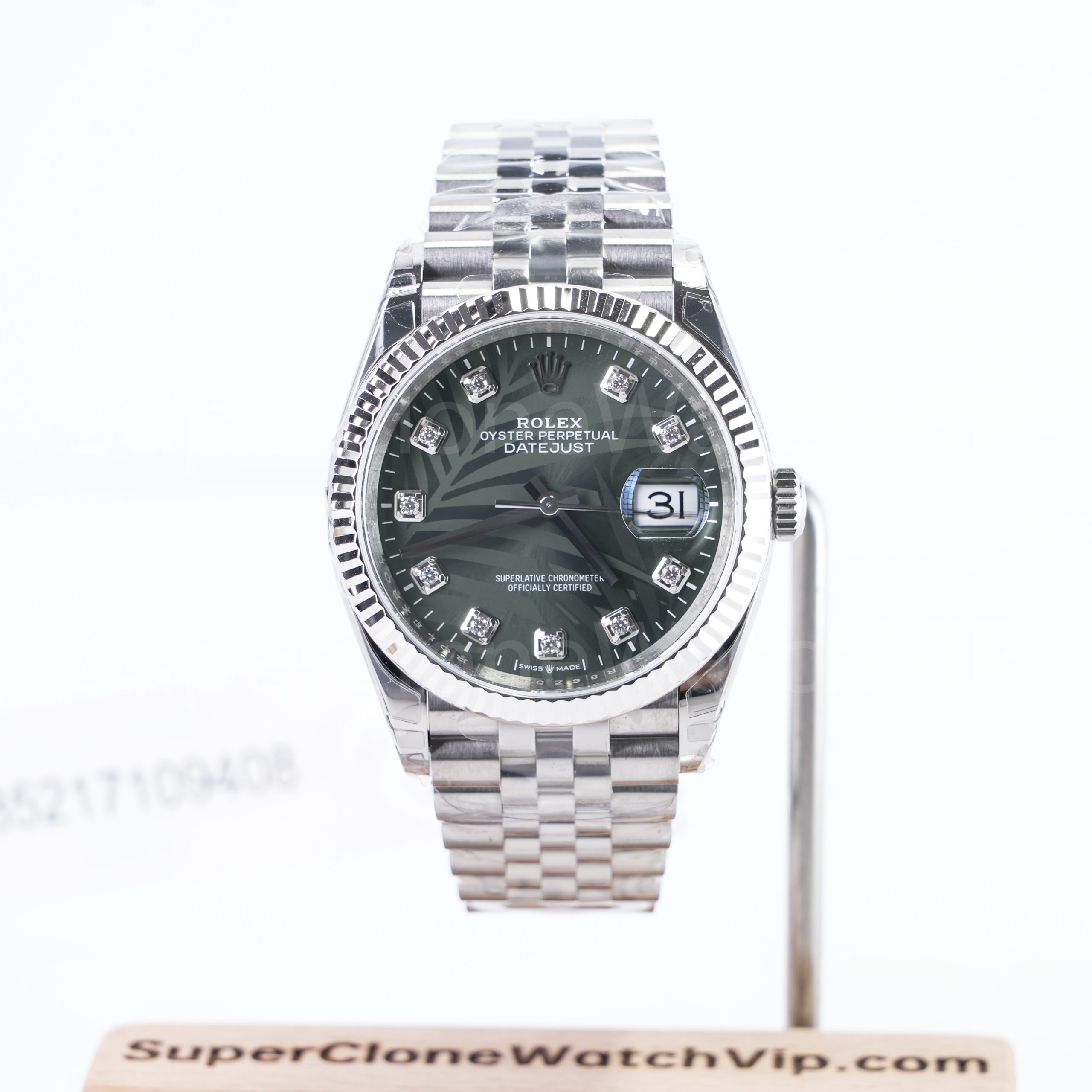
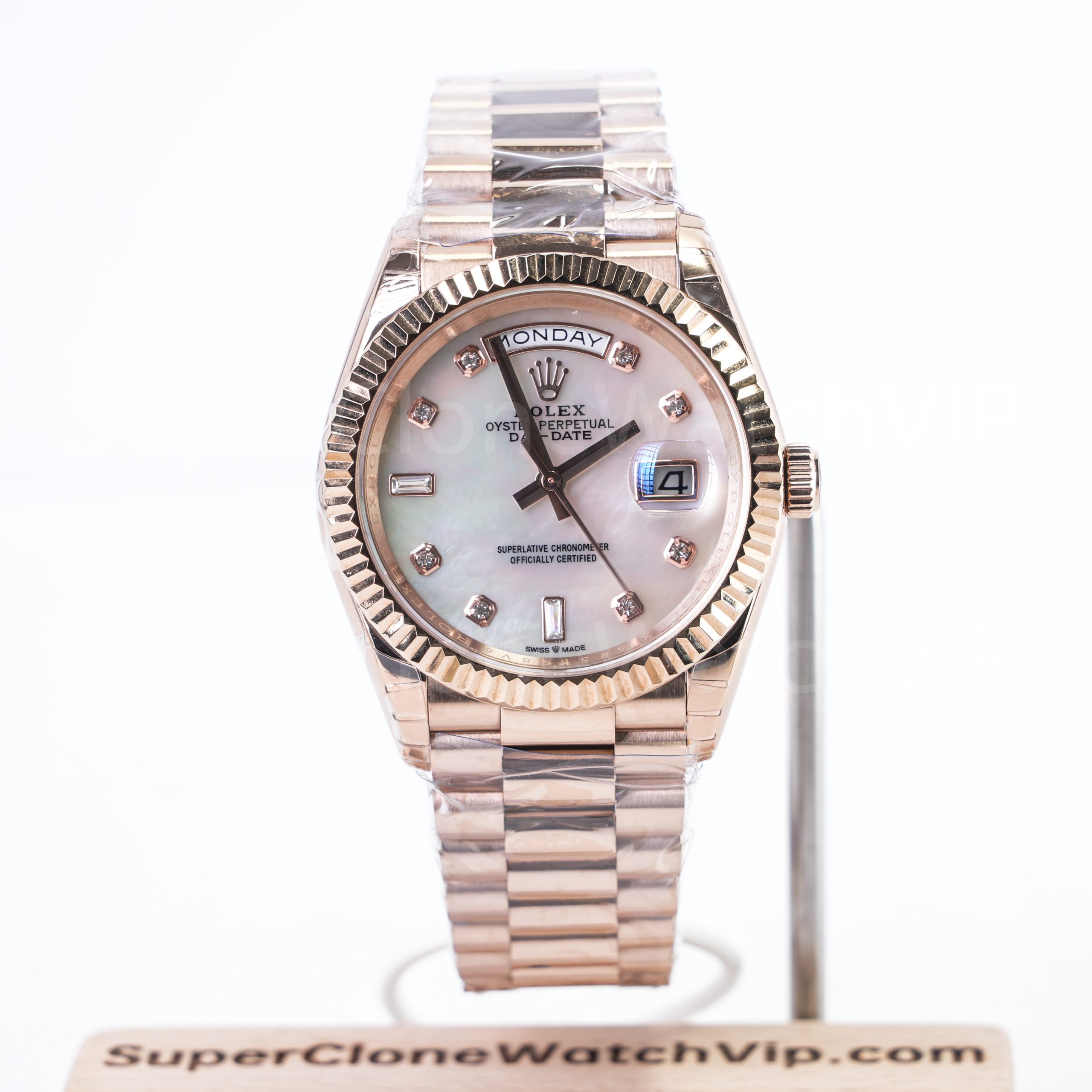
Product examples are most useful when they represent different roles. The goal is not to declare a universal winner. Instead, the comparison shows how case size, dial treatment, bezel reflection, bracelet character, and color change everyday suitability.
The two models below sit at different points on the daily-to-statement scale. Both product pages are live, and each image links to the matching page. Visible product-page details guide the comparison; no unsupported performance or material claims are added.
What the Two Examples Reveal
The Datejust example shows that a compact case can still carry substantial visual detail. The Day-Date example shows that presence comes from more than diameter. Dial treatment, case color, bezel reflection, and bracelet architecture can change the watch more than a small size difference.
For a wider catalogue, browse current super clone watches only after the weekly role and acceptable intensity level are clear. A broad catalogue helps most when the filter already exists.
Make QC Part of the Choice, Not a Final Formality
QC planning should begin while the shortlist is still open. Each watch has different visible priorities. A clean no-date dial places more weight on marker spacing and symmetry, while a date model adds window position and lens alignment to the review.
Likewise, a fluted bezel needs angled light, and a patterned or mother-of-pearl dial needs more than one viewing angle. A chronograph adds sub-dial and pusher questions. The exact design should shape the evidence request.
Everyday-Wear QC Sequence
A fixed review order prevents attention from drifting toward the most attractive image. Start with order match, then move through fit-related parts, visible alignment, and basic interaction.
Ask for Useful Angles, Not More Random Photos
Ten similar front images can reveal less than five deliberate views. A useful set includes a centered front, an angled front, crown side, opposite side, bracelet or strap, clasp, and caseback. The set should also show any date window or special dial treatment clearly.
Video can support changing light and interaction, although it should not replace clear still images. Still photographs help with close alignment checks. Video helps with reflections, bracelet movement, and applicable controls.
Rank Issues by Daily Impact
The most important QC points are not always the smallest visible differences. A poor bracelet fit, off-center clasp, obvious marker shift, or mismatched configuration affects regular use. A microscopic detail visible only under extreme zoom may not have the same practical weight.
This does not mean small flaws should be ignored. Instead, each issue should be judged by visibility, frequency, and effect on the whole watch. Written priorities keep the review consistent and reduce emotional reactions to one image.
Do Not Infer Water Use From Appearance
A dive-style bezel, screw-down-looking crown, or sport case does not establish tested water resistance. Appearance and verified testing are different matters. Any intended water exposure should be confirmed for the exact prepared watch rather than assumed from design.
The same caution applies to movement, metal, coating, and other technical details. Information from another listing or older version should not be transferred automatically. The current product page and direct confirmation should remain the reference.
Write Five Approval Priorities Before the Images Arrive
For a Datejust-style watch, the list may include dial alignment, date centering, bezel symmetry, bracelet finish, and clasp position. For a simple no-date watch, the list may focus on marker spacing, hand position, case profile, bracelet fit, and overall cleanliness.
Written criteria create a stopping point. When the exact configuration matches, the priority details look acceptable, and the remaining variation does not affect normal wear, more browsing may add anxiety without improving the decision.
Common Decisions That Lead to an Underused Watch
Most disappointing daily choices do not begin with an obviously poor model. They begin with a good model chosen for the wrong role. Recognizing these patterns can protect both the shortlist and the later QC process.
Choosing the Most Recognizable Design
Recognition can feel reassuring, but it does not prove wrist fit or clothing compatibility. A familiar sport model may still feel too large, too bright, or too casual for the real week.
Treating Diameter as the Whole Fit
A size label cannot show lug reach, height, first-link extension, or clasp position. Full wrist geometry and side-profile evidence should guide the decision.
Assuming a Neutral Dial Creates a Neutral Watch
Bezel shine, marker style, case color, and bracelet texture may create strong presence even when the dial is black, white, or silver.
Planning Around Rare Events
A watch chosen for one imagined formal scene may feel wrong during the remaining month. Recurring settings should carry more weight than exceptional ones.
Using One Attractive Front Image
A front image cannot show case height, crown pressure, bracelet drop, clasp position, or changing dial reflections. Multiple useful angles are essential.
Comparing Factory Names Before the Model
A broad version label cannot decide the correct case, dial, bracelet, or role. The exact model and current evidence should come before version discussion.
The “More Features Means Better Value” Trap
Extra hands, windows, scales, and decorative surfaces create more information and more inspection points. They may add interest, although they also narrow outfit range and increase visual density. A function has daily value only when it is used or genuinely enjoyed.
A clean three-hand design can offer stronger everyday value because it remains easy to read and style. Meanwhile, a complicated watch can be the right choice when the complication defines the intended role. The decision should follow use rather than feature count.
The “Rare Means Versatile” Trap
An unusual dial or uncommon color can feel special, but rarity does not predict repeated use. A distinctive feature becomes practical only when it connects with recurring colors, textures, or clothing formality in the wardrobe.
When the connection exists, the watch can become a personal signature. When it does not, the piece may remain admired but difficult to wear. The five-outfit test exposes that difference quickly.
Turn the Shortlist Into a Clear Purchase Request
Once one model survives the routine, fit, design, and QC tests, the next step should become simpler. Adding new brands at this stage usually restarts the search without solving a real concern. Reopen the shortlist only when a specific gap remains.
A clear request should identify the exact product, visible configuration, size, bracelet or strap, destination, and QC priorities. Current stock, available version, payment instructions, and the approval sequence can then be confirmed without relying on assumptions.
Information to Prepare
Keep the Message Short but Complete
A long message can hide the important details. Place the product link at the top, then list the selected configuration and remaining questions. This structure makes the response easier to compare with the final order record.
Unsupported assumptions should stay out of the request. Material, movement, water resistance, testing, delivery timing, and other technical points should be confirmed for the exact model. Information from another product cannot safely fill a gap.
Use an Approval Sequence
The site’s How to Order page sets out a sequence from model selection and contact through stock confirmation, payment guidance, QC, approval, and shipment. Following one sequence reduces conflicting assumptions.
The practical order is simple: define the watch, confirm what is currently available, review the prepared watch, resolve visible concerns, and approve only after the evidence answers the written priorities. Skipping the early definition makes every later step harder.
Three Final Actions
- Keep no more than three models and compare them against the same weekly scenes.
- Confirm full wrist footprint, bracelet fit, sleeve clearance, and model-specific QC views.
- Send one complete product request through an official contact channel before payment.
FAQ: Choosing a Replica Watch for Regular Use
Is a 36mm watch always the safest everyday size?
No. A 36mm case often offers classic proportion and easier cuff clearance, but lug shape, dial opening, bracelet flare, and wrist geometry still affect fit. A well-shaped 40mm or 41mm watch may sit more naturally than a poorly matched smaller case.
Which dial colors are easiest to wear throughout the week?
Black, silver, white, and dark blue often require less outfit planning. However, finish and marker style can make a neutral color highly visible. Green or patterned dials can also work regularly when the case, bezel, and bracelet remain controlled.
Is a Jubilee bracelet practical for daily use?
A Jubilee-style bracelet can suit regular wear when its texture and reflection match the wardrobe. It usually feels dressier than a broad three-link bracelet. End-link fit, bracelet articulation, clasp position, and correct sizing still need careful review.
Can a decorative dial work as the only watch?
Yes, when the dial connects with recurring colors and the remaining design stays balanced. A motif or mother-of-pearl dial becomes harder to use when a bright bezel, decorative markers, and a highly reflective bracelet all compete at once.
What QC images matter most for an everyday watch?
A centered front image, angled dial view, both case sides, bracelet or strap, clasp, and caseback form the core set. Date models need a clear date view. Reflective or patterned dials benefit from several angles and a short video when available.
What should be confirmed before payment?
Confirm the exact product link, size, dial, bezel, bracelet or strap, current stock, available version, total order details, official payment instructions, QC sequence, and the evidence expected before shipment approval.
Choose the Watch That Removes Daily Friction
The strongest everyday choice does not need the largest case, the brightest dial, or the longest feature list. It needs a stable fit, useful readability, broad outfit range, and a design intensity that remains comfortable after several hours.
A sound path moves from the real week to wrist geometry, then to one complete configuration. After that, QC evidence confirms the prepared watch rather than asking product photography to carry the whole decision.
Once the shortlist reaches one or two models, the next step is practical: open the matching product page, prepare the configuration and five QC priorities, then use the official contact or order page to confirm the current path.
| View Daily-Dress Example | Open the Order Guide | Contact for Stock & QC |