Put the same navy suit beside two watches and the message changes immediately. A Datejust can make the outfit look polished without becoming its main subject; a Day-Date adds more ceremony, authority and visible luxury. That is the practical core of Datejust vs Day-Date: not which name sounds more prestigious, but which watch sends the right signal in the rooms where you will actually wear it.
For buyers comparing classic replica watches for business and formal use, the Datejust collection is normally the lower-risk choice because its size, bezel and bracelet combinations can be made restrained or dressy. The Day-Date collection is the better fit when the full day display, President-style bracelet and stronger formal identity are part of the reason for buying the watch.
The Message Each Watch Sends
Datejust communicates control. It is recognizable, but its effect can be adjusted: a smooth bezel and Oyster-style bracelet can look clean and businesslike, while a fluted bezel and Jubilee-style bracelet add more traditional shine. This range is why it works well for a buyer who wants one watch to cover office days, client meetings, dinners and weekends.
Day-Date communicates intention. The arched day display at 12 o’clock, the date at 3 o’clock and the President-style bracelet form a more specific identity. Even when the case diameter is similar to a Datejust, the watch often occupies more visual space because more of its design is associated with formality and status.
| Decision factor | Datejust | Day-Date | What the buyer should verify |
|---|---|---|---|
| Common size choices | 36mm and 41mm are the main business-wear comparison points on the current collection page. | 36mm gives a more traditional proportion; 40mm creates a stronger modern presence. | Compare front and side wrist photos, not diameter alone. |
| Thickness feel | Usually reads as visually lighter when paired with a restrained dial and bracelet. | Can feel fuller under a cuff because the bracelet, day window and finish add visual density. | Ask for a side view beside a shirt cuff; do not infer fit from listed diameter. |
| Calendar function | Date at 3 o’clock under a Cyclops lens. | Full day at 12 o’clock plus date at 3 o’clock. | Check centering, legibility and correct operation of every visible calendar element. |
| Overall appearance | Adaptable: understated, classic or dressy depending on the configuration. | More ceremonial and immediately recognizable as a statement design. | View the complete dial-bezel-bracelet package instead of judging the dial alone. |
| Bracelet character | Jubilee for more texture and tradition; Oyster for a cleaner line. | President-style bracelet is central to the model’s identity. | Check link finishing, end-link fit, clasp alignment and how the bracelet wraps the wrist. |
| Daily wear | Easier to repeat across mixed outfits without dominating them. | Works daily when the wearer’s clothing and personal style already support a visible watch. | List the three outfits worn most often and test the watch against those, not an idealized wardrobe. |
| Formality | Business versatile, with enough range for smart-casual and formal use. | Naturally stronger for formal events, leadership settings and deliberate luxury styling. | Decide whether the watch should support the outfit or become its focal point. |
| QC difficulty | Cyclops, date alignment, dial markers, bezel and bracelet finishing. | All Datejust-style checks plus the day disc, day-window alignment and calendar coordination. | Request straight-on calendar photos and functional evidence where available. |
| Best suited to | First-time buyers, daily business wearers and mixed wardrobes. | Buyers who want a formal main watch or a visible signature piece. | Choose by actual wearing role before choosing dial color or decorative details. |
Practical test: place a screenshot of each shortlisted watch beside a photo of your normal suit, shirt and shoes. If the watch seems to demand a different wardrobe, it is probably a statement purchase rather than a daily business purchase.
Date Display vs Full Day-and-Date Experience
The Datejust keeps the calendar information concentrated at 3 o’clock. The date window and Cyclops lens are visually important, but the upper half of the dial remains comparatively open. That makes the watch easier to read as a conventional business watch rather than a calendar statement.
The Day-Date adds the written day across the top of the dial. On the original model, this full day display is one of the defining design features, paired with the date window at 3 o’clock. The result is not simply “more information.” The arch creates a horizontal focal point that makes the dial feel more structured, recognizable and formal.
For a buyer, the useful question is whether the day display improves the ownership experience or only adds visual complexity. It is valuable when the complete calendar is part of the appeal and you are willing to inspect another alignment-sensitive component. It is unnecessary when you prefer a calmer dial and mainly need the date.
Choose the Datejust calendar layout when
- You want one useful complication without turning the dial into the main conversation.
- A cleaner upper dial works better with conservative business clothing.
- You prefer fewer visible calendar elements to inspect during QC.
Choose the Day-Date calendar layout when
- The full written day is part of the model identity you specifically want.
- A more architectural dial suits the formal signal you intend to send.
- You are prepared to check both day and date presentation before approval.
Design references: the official Datejust overview identifies the date window, Cyclops lens and Jubilee bracelet among the model’s emblematic features, while the official Day-Date overview describes separate day and date windows. These references describe the original watch design; the exact construction and finish of any listed replica must be verified on its own product page and QC material.
Material Appearance and Visual Weight
Case diameter is only one part of wrist presence. Color, surface reflection, bezel shape, dial contrast, bracelet width and the amount of metal visible from the front all change how large or formal a watch appears. That is why a 40mm Day-Date can look more forceful than a 41mm Datejust even though the number is smaller.
The original Day-Date design is closely associated with precious-metal presentation, so gold-tone or rose-gold-tone versions naturally carry that visual language. A Datejust can also be bright or decorative, but it has more ways to reduce the effect through a steel-tone appearance, smooth bezel, restrained dial or Oyster-style bracelet. This distinction concerns appearance; the actual material of a replica should be taken only from the specific live listing and confirmed before purchase.
Judge the dial, bezel and bracelet as one visual unit
A fluted bezel already creates light movement. Pairing it with a highly reflective dial and a textured bracelet increases visual activity. A smooth bezel and simpler bracelet reduce it. The same principle applies to Day-Date: a restrained dial can control the formality, while a vivid or gem-set dial pushes the watch further toward statement territory.
Two-photo visual-weight check
- Ask for one straight-on photo in neutral light to judge dial, bezel and bracelet brightness together.
- Ask for one side or three-quarter view to see how much case and bracelet surface remains visible under a cuff.
- Compare both images at normal screen size. Extreme zoom is useful for QC, but it does not show the watch’s real social presence.
President, Jubilee and Oyster Bracelet Character
Bracelet choice can change the message more than a small difference in case size. It controls texture, reflection and how quickly the eye recognizes the watch. Decide the bracelet direction before becoming attached to a dial color.
Jubilee: refined movement
Its smaller-link visual texture gives a Datejust more traditional elegance and more light play. It works well when the watch should feel dressy but still move between office and social settings.
Oyster: cleaner structure
The broader, simpler link pattern makes a Datejust look more direct and less ornate. It is usually the easier pairing for minimal business clothing, knitwear and smart-casual use.
President: model-defining formality
The rounded multi-link character is closely tied to the Day-Date identity. It makes the watch immediately more ceremonial and should be treated as part of the purchase decision, not as a neutral strap choice.
During QC, look beyond surface shine. Check whether the end links sit evenly against the case, whether the bracelet drapes symmetrically, whether the clasp closes squarely and whether visible finishing is consistent across adjacent links. A bracelet that appears uneven can affect the entire watch more than a minor dial-color difference.
Use the bracelet to narrow the shortlist
Send two product links, not a broad model name
Choose one Datejust configuration and one Day-Date configuration, then compare their bracelet, dial and bezel as complete packages. Include your wrist circumference and a normal shirt-cuff photo so the comparison is based on your actual use.
Size Choices for Business and Formal Wear
A business watch should remain visible when you want it seen and settle under a cuff when you do not. The safest size is therefore not determined by wrist circumference alone. Wrist shape, cuff opening, bracelet flare and the watch’s total visual weight matter just as much.
36mm: controlled and traditional
Datejust 36 is the most conservative route for a first business watch because its proportions rarely overwhelm a shirt cuff. Day-Date 36 is also traditional in size, but the day window and President-style bracelet preserve a stronger formal signal. Choose between them by desired presence, not by diameter alone.
40mm and 41mm: modern presence with different intensity
Datejust 41 provides a broader dial and more modern wrist coverage while remaining adaptable when the dial and bracelet are restrained. Day-Date 40 is designed to be noticed more readily. It suits a buyer who wants the watch to remain visible beside a tailored jacket rather than disappear into the outfit.
Front-view test
The lugs and first bracelet links should not visually spill beyond the useful top surface of the wrist. Use a normal-distance photo, not a close phone shot that exaggerates size.
Cuff test
Photograph the wrist from the side with the shirt and jacket you commonly wear. Confirm that the watch can pass under the cuff without constant adjustment.
Frequency test
A watch worn five days a week should feel slightly quieter than one reserved for dinners, ceremonies or important meetings.
For a broader method of comparing wrist proportions, use the watch size guide, then return to this comparison and apply the result to the intended business or formal role.
Dial, Cyclops and Calendar QC
QC should test the visual elements that define each model. A Datejust needs a convincing relationship between dial, date, Cyclops, bezel and bracelet. A Day-Date adds another highly visible calendar component, so the day display must be assessed with the same care as the date.
The extra day display does add one more QC-sensitive area, but it does not automatically make every Day-Date a poor choice. It simply means the buyer should request evidence that covers both calendar windows and, where the seller provides it, the adjustment or rollover behavior.
Review the site’s current QC process before approval. For background on why calendar layout and adjustment may differ between watch versions, use the Rolex-style movement guide without assuming that every listing uses the same movement.
First-Watch, Daily-Watch or Statement-Watch?
Among classic clone watches chosen for business and formal wear, Datejust and Day-Date serve different roles. The same watch can be a good purchase for one role and a poor purchase for another, so define that role before comparing colors or decorative details.
First business watch
Datejust is usually safer because it can be dressed up or down and offers more ways to control visual intensity. A restrained dial and bracelet combination reduces the risk of buying a watch that feels too ceremonial after the first few wears.
Daily main watch
Choose the model that fits at least four of your normal seven days. Datejust has the advantage for mixed wardrobes; Day-Date can still work when tailored clothing, polished shoes and deliberate accessories are already routine.
Statement or occasion watch
Day-Date is the clearer choice when visible identity is the goal. The full day display and President-style bracelet give the watch a role that a quieter Datejust configuration is not trying to perform.
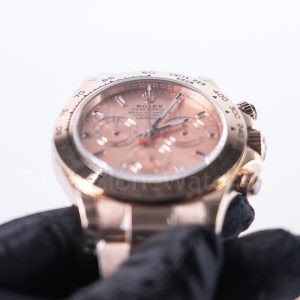
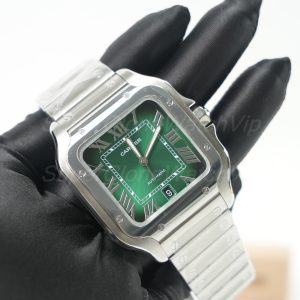
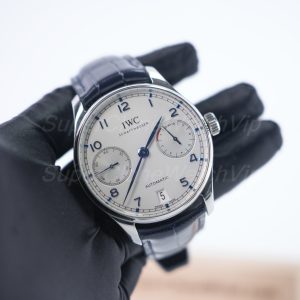
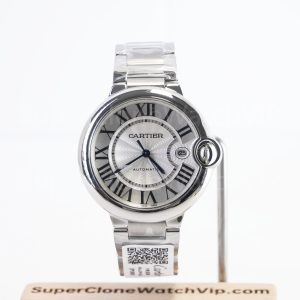
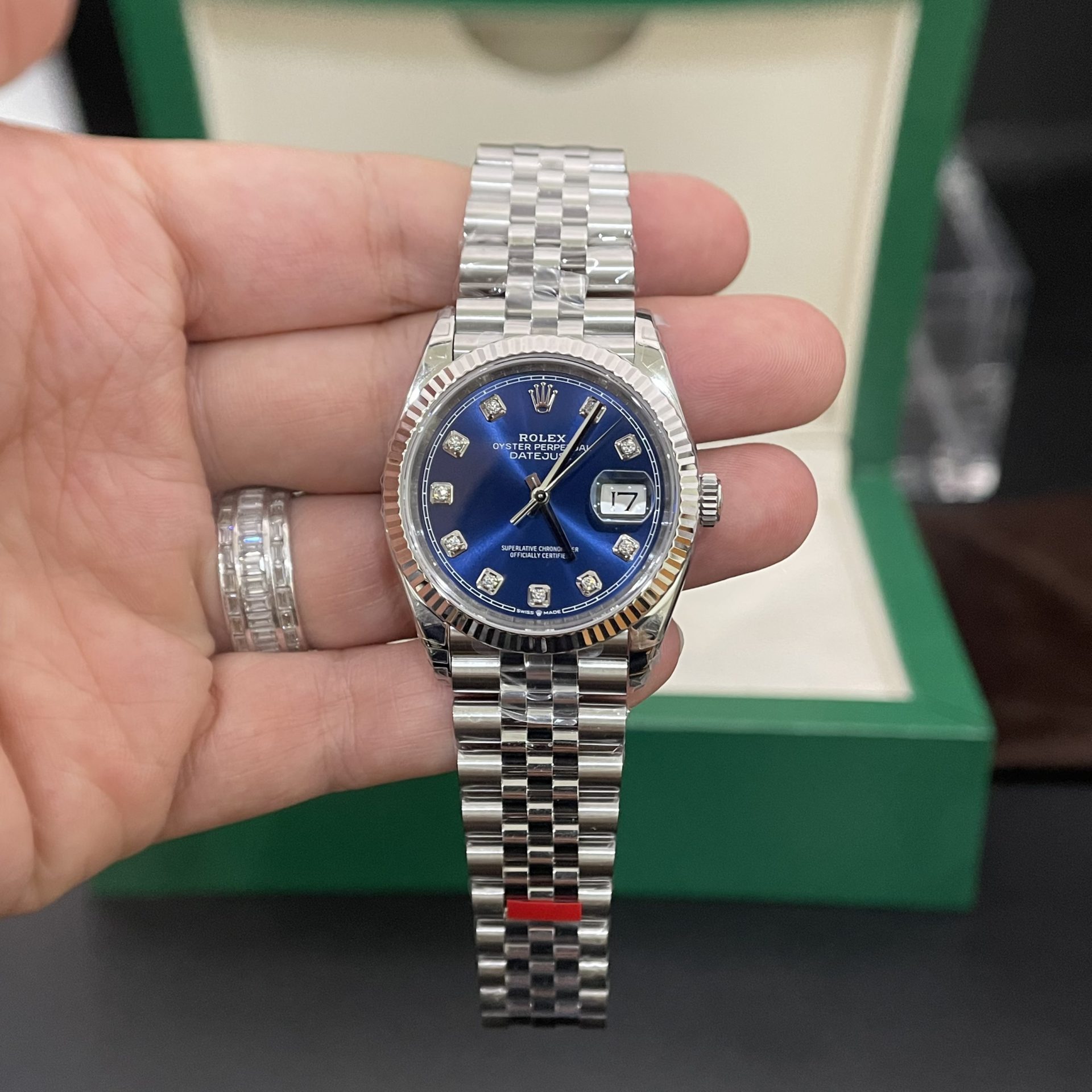
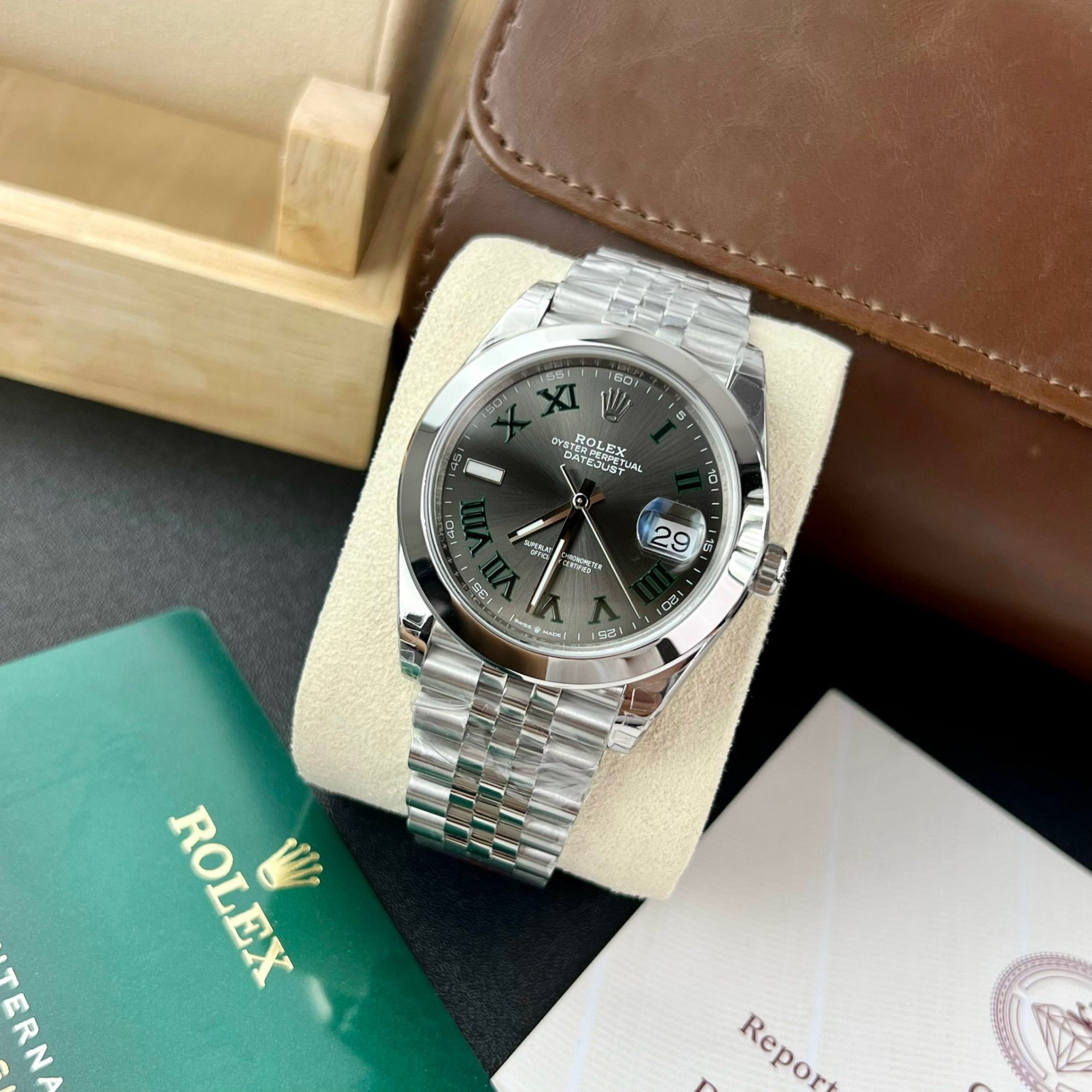
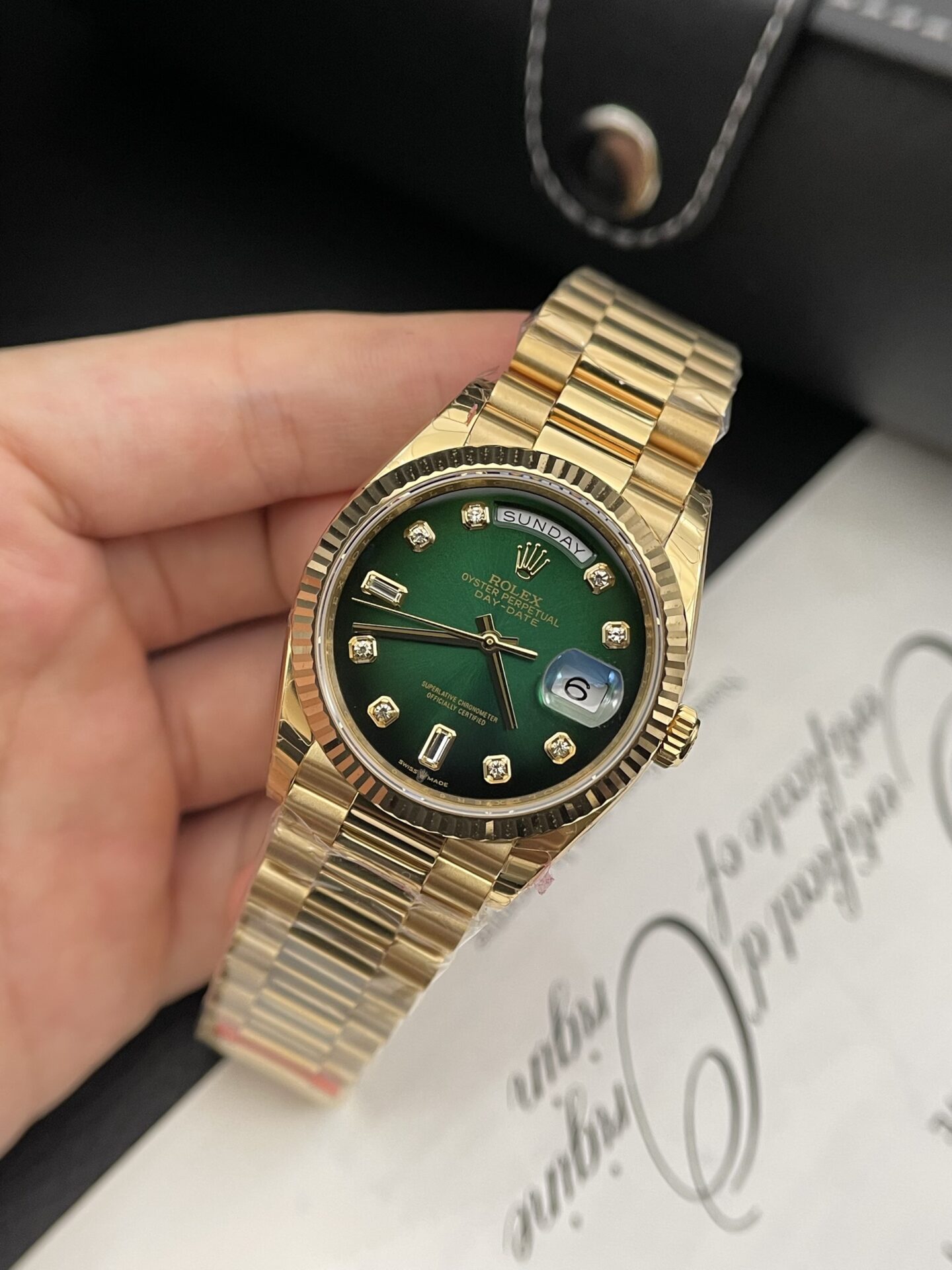
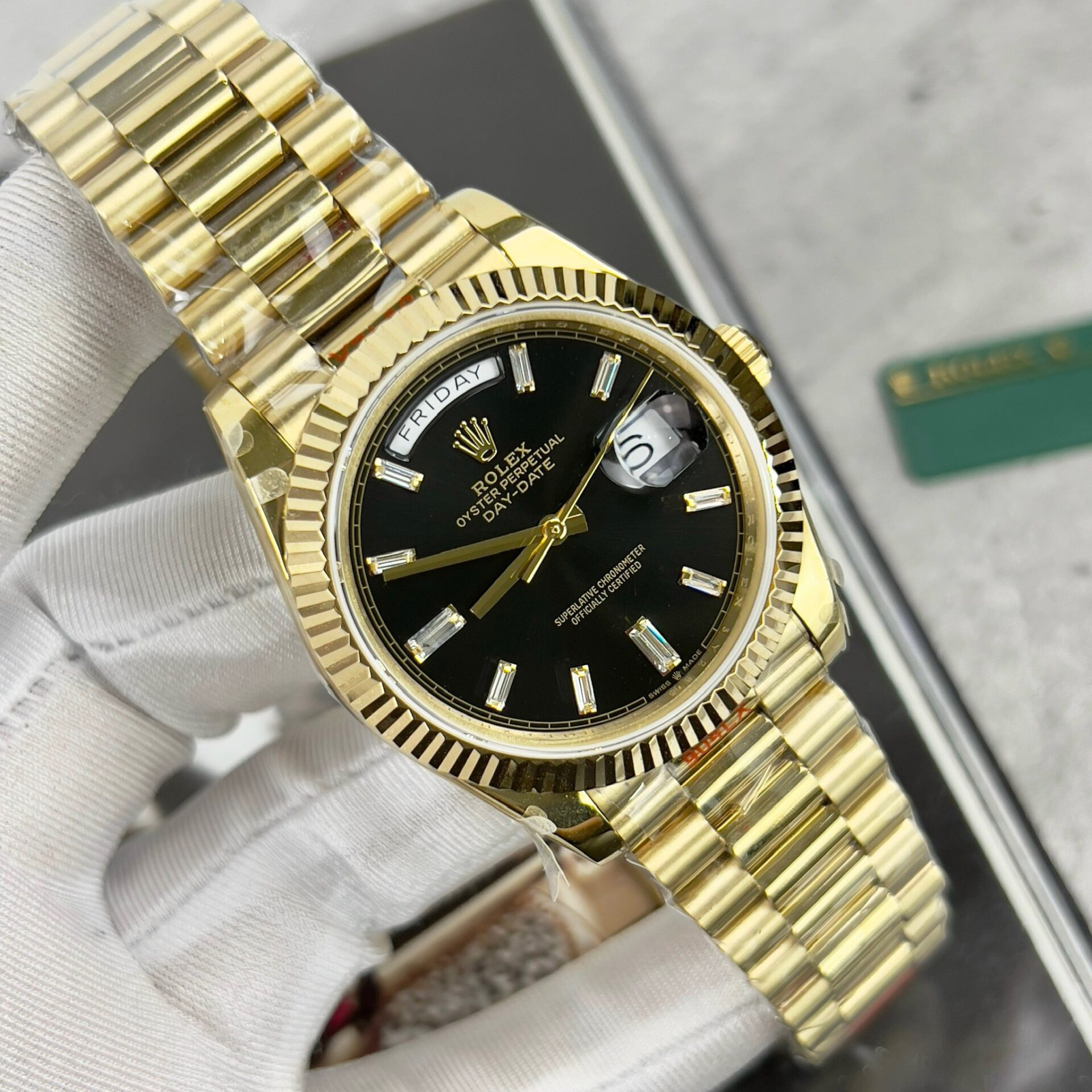
Four live configurations that show the range
These examples are retained from the current page because their product and image links are active. They are presented as visual directions, not as claims that every buyer needs a decorative dial or the same specification.
Questions Buyers Ask Before Choosing
Is a Day-Date too formal for everyday wear?
Not automatically. A restrained Day-Date 36 can work in a daily wardrobe built around shirts, tailoring and polished smart-casual clothing. A larger gold-tone or highly decorative configuration will feel more formal and may be better as a rotation watch. Judge it against the clothes worn most often.
Which bracelet changes the appearance most?
The President-style bracelet creates the strongest model identity because it immediately pushes the watch toward Day-Date formality. Between Datejust options, Jubilee adds more texture and tradition, while Oyster gives the cleaner and more restrained appearance.
Does the day display add more QC risk?
It adds another visible and functional area to inspect. The day text should appear level and centered, and its operation should be checked alongside the date where evidence is available. That is extra QC work, not proof that every Day-Date will have a problem.
Which size looks balanced with business clothing?
A 36mm configuration is the safer traditional choice when the watch should sit quietly under a cuff. Datejust 41 can suit broader wrists and modern tailoring, while Day-Date 40 is better when stronger presence is intentional. Use front and side cuff photos rather than wrist circumference alone.
Is Datejust the safer first purchase?
For most first-time business or dress-watch buyers, yes. It offers more ways to control size, bracelet texture and overall shine, so it can adapt as the buyer learns what feels natural. Day-Date is the better first purchase only when its formal identity is already the specific goal.
Three Buyer Profiles and the Better Fit
Use the table below as the final filter. It combines the occasion, the signal you want to send and how often the watch will be worn. Those four variables are more useful than choosing from prestige alone.
| Occasion | Signal you want | Wearing frequency | Better fit |
|---|---|---|---|
| Ordinary office days, commuting and mixed smart-casual use | Polished without making the watch the center of the outfit | Four to seven days a week | Datejust |
| Client meetings, presentations and business dinners | Traditional confidence with controlled visibility | Two to five days a week | Datejust for flexibility; restrained Day-Date 36 when formality is deliberate |
| Formal ceremonies, leadership events and tailored evening wear | Authority, occasion and recognizable luxury | Occasional or scheduled rotation | Day-Date |
| First dress-oriented Rolex-style purchase | Low styling risk while preferences are still developing | Frequent | Datejust |
| A signature watch worn when visibility is welcome | Strong recognition and deliberate personal style | Rotation or occasion use | Day-Date |
| Travel and a wardrobe that moves between formal and casual settings | Adaptability with one watch | Frequent | Datejust |
Daily business
Start with Datejust. Compare 36mm and 41mm using your normal cuff, then choose Jubilee for more tradition or Oyster for a cleaner line.
Formal main watch
Consider Day-Date 36 when you want its full identity without maximizing size. Keep the dial restrained if the watch will appear in regular business settings.
Strong style expression
Choose a Day-Date configuration only after confirming that the larger visual signal is intentional. Treat dial, finish and bracelet as one statement.
The next action is specific: open one Datejust product page and one Day-Date product page, write down the exact size, dial, bezel and bracelet of each, then request straight-on dial, side-profile, calendar and bracelet QC views. That comparison will reveal whether you need an adaptable business watch or a formal signature watch.