A replica watch for large wrist should create controlled presence rather than maximum size. A broad wrist can support a substantial case, yet diameter alone does not decide balance. Wrist width, lug span, case height, dial opening, bracelet drop, clothing, and wearing time all change the result. This guide is designed for broad or rounded wrists that make many standard watches feel small, while still avoiding a case that looks bulky, sits too high, or dominates every outfit. The selection method starts with wrist geometry, narrows the right visual scale, compares two real Omega Planet Ocean directions, and finishes with fit-focused QC evidence before an order moves forward.
The practical answer
A large wrist does not need the largest available case. The safer direction keeps the lug ends inside the usable wrist width, limits side height for the intended sleeves, and uses a bracelet or strap that bends downward without flaring. A bolder dial or wider bracelet can add presence without another jump in diameter.
Why a Large Wrist Can Still Make a Watch Look Too Big
A broad wrist creates more usable space, although that space has limits. The top surface may be wide and flat, or the wrist may be broad in circumference but rounded across the upper side. Those two shapes can share the same tape measurement while carrying the same watch very differently.
In practice, a flat upper wrist can support a longer case footprint because the lugs remain supported near the edges. A rounded wrist needs stronger downward curvature and a bracelet that turns quickly. Otherwise, the case appears perched above the arm even when the stated diameter seems suitable.
Visual scale also comes from the dial, bezel, crown, pushers, and band. A wide open dial often looks larger than a watch with a thick bezel. Likewise, bright accents and polished surfaces can increase apparent size, while darker surfaces can visually compress the outline.
For that reason, the search should not begin with a single diameter target. A better starting point combines the usable wrist width, the shape of the upper wrist, and one familiar watch that already feels comfortable. Those references reveal whether the next model needs more width, more dial presence, less height, or better band support.
Suitable for these fit situations
- A standard 39mm to 41mm watch feels visually small, yet a very large sport case feels clumsy.
- A broad wrist carries diameter well, although thick cases rock or rotate during long wear.
- A sport chronograph is preferred, but office sleeves and travel comfort still matter.
- A stronger wrist presence is needed without relying on bright colors or oversized proportions.
- Two large watches share the same diameter, but their dial, bracelet, and color treatment create different results.
Circumference is useful, but top width explains the footprint
A soft tape around the normal wearing point gives the wrist circumference. That measurement helps estimate bracelet length and general scale. Still, it cannot show how much flat surface supports the lugs or whether the case edges will sit above a curved side.
Alongside circumference, a ruler can record the usable width across the upper wrist. The number does not need laboratory precision. Its purpose is to compare the upper surface with the effective distance between the outermost points of the watch and its first rigid links.
A simple photo adds another layer. The wrist should stay relaxed, and the camera should remain at a natural distance. Close phone photos exaggerate nearby objects, so a mirror photo or an arm-length image usually gives a more honest view of proportion.
Use a familiar watch as the baseline
A familiar watch can answer questions that a size chart cannot. Note whether it stays centered, clears common sleeves, touches the hand, or becomes tiring after several hours. Then record what should change rather than replacing every measurement at once.
For example, an existing watch may have enough width but too little dial presence. In that case, a broader dial opening or stronger bezel detail may solve the problem without a larger case. Another watch may look balanced from above but sit too high, which points toward a lower side profile rather than a smaller face.
The same baseline helps with band choice. If a narrow strap makes the current head look oversized, a wider bracelet shoulder may create better continuity. Conversely, if the clasp feels bulky, a cleaner taper can reduce weight beneath the wrist without weakening the upper profile.
Three measurements worth keeping
Record wrist circumference, usable top width, and the dimensions of one comfortable watch. Add a note for case stability, sleeve clearance, and preferred wearing position. This small record makes every later comparison more specific.
The Six Proportions That Matter More Than Diameter Alone
Diameter remains useful because it describes the width of the case. Yet it cannot show how far the lugs reach, how high the case sits, or how the bracelet leaves the watch. A strong fit decision reviews six connected proportions instead of one headline number.
The site’s wider Omega watch collection shows why this matters. Different model families use different bezel widths, dial layouts, bracelets, and case profiles. The same broad wrist can carry those directions with very different levels of comfort and visual force.
1. Effective lug span
Lug-to-lug length describes the distance between the upper and lower lug tips. However, rigid end links can extend beyond those points. The true footprint may include part of the bracelet, especially when the first link cannot fold straight downward.
A long case can still work on a broad, flat wrist when every outer point remains supported. Trouble begins when the lug ends or end links cross the usable wrist edge. That creates visible overhang and often leaves empty space under the case sides.
Shorter or more curved lugs can make a large diameter wear compactly. The dial still provides presence, while the lower footprint remains controlled. This combination often gives a stronger result than choosing a smaller diameter with long, straight lugs.
2. Case height and center of gravity
Case height affects comfort even when the watch looks balanced from above. A tall case raises the center of gravity. If the bracelet is loose, the watch rocks from side to side and feels heavier than the front view suggests.
The caseback also changes how the watch sits. A broad contact area can spread the load, while a pronounced central section may lift the case edges. As a result, side photographs deserve the same attention as dial photographs.
Sleeve clearance should match the main routine. A weekend watch worn with short sleeves can accept more height. A daily watch used with fitted shirts, jackets, or knit cuffs needs a smoother profile and fewer protruding controls.
3. Dial opening and bezel width
The visible dial can change apparent scale more than a small diameter difference. A narrow bezel exposes more dial area and creates an open face. By contrast, a thicker bezel frames the dial and can make a substantial case look more contained.
Chronograph sub-dials divide the face into smaller zones. This can make a large watch look technical rather than simply wide. Still, dense scales, oversized numerals, and several bright accents may increase visual intensity.
A cleaner three-hand layout often appears larger because the eye reads one uninterrupted field. That does not make it unsuitable. It simply means the dial should be compared at arm’s length, not only through a close product photograph.
4. Crown and pusher projection
Crowns and chronograph pushers add width on one side. They also influence how the watch behaves when the hand bends upward. A case can fit across the wrist yet still feel intrusive if a large crown touches the hand.
Wearing the watch slightly above the wrist bone may reduce contact. Even so, placement cannot correct every case shape. Side and three-quarter images should show the controls clearly before a thick sport chronograph moves to the final shortlist.
The opposite side matters as well. A valve or other case feature can increase visual width even when it does not affect comfort. A centered front view and a full side view together reveal whether the case remains balanced.
5. Bracelet width, taper, and first-link movement
A broad case needs enough band width to look supported. If the bracelet narrows too quickly, the head can appear oversized. However, a bracelet with almost no taper may feel heavy beneath the wrist and create an unnecessarily large clasp.
Moderate taper often balances those needs. The upper links keep visual strength near the case, while the lower section reduces bulk. The first links remain crucial because they decide whether the bracelet hugs the wrist or projects sideways.
Link articulation also affects stability. Smaller moving sections usually follow a rounded wrist more easily than long rigid sections. Even then, clasp length and placement should be checked, especially when the wrist narrows sharply underneath.
6. Color and surface contrast
Dark cases and dials often make the outline feel more compact. Steel surfaces reflect more light and reveal every edge. Bright bezel sections or colored hands attract attention, which can make the same diameter feel more assertive.
The effect depends on the whole watch. A dark case with a dark bracelet can read as one continuous shape. A steel case with a bright bracelet creates horizontal structure and may appear wider across the wrist.
Color should follow the wearing role. Neutral tones usually support more frequent use, while strong accents suit a deliberate statement. Neither direction is automatically more balanced; the surrounding clothing decides how much contrast feels natural.
Large-Wrist Decision Table: Problem, Cause, and Better Direction
The clearest route starts with the problem already visible on the wrist. Instead of asking whether a watch is “big enough,” identify what looks or feels wrong. The table below connects that signal with the proportion that deserves attention.
| Visible or comfort issue | Likely cause | Better selection direction |
|---|---|---|
| The watch crosses the wrist edges. | Long lugs or rigid end links create excessive effective span. | Keep similar dial presence, but choose shorter curved lugs or faster first-link drop. |
| The case looks balanced above but awkward from the side. | Case height or caseback shape lifts the watch. | Compare a lower profile, simpler control layout, or broader caseback contact area. |
| The head looks large compared with the band. | Narrow shoulders or sharp taper reduce visual support. | Use a wider bracelet start, moderate taper, or a strap with stronger shoulders. |
| The watch rotates toward the underside. | Loose sizing and a high center of gravity reduce stability. | Improve bracelet sizing or choose lower height and better weight distribution. |
| A correct diameter still looks visually small. | Small dial opening, narrow band, or low contrast reduces presence. | Increase dial openness, bracelet width, bezel detail, or controlled color contrast. |
| A large watch overwhelms formal clothing. | Height, busy dial detail, and bright accents create too much visual energy. | Select a cleaner dial, restrained finish, lower case, or shaped dress direction. |
| The crown presses into the hand. | Low wearing position or strong crown and pusher projection. | Move slightly above the wrist bone or choose a shorter, lower, cleaner case side. |
| The bracelet feels tight later in the day. | Wrist expansion leaves too little adjustment room. | Plan controlled allowance and confirm available links or adjustment structure. |
Best use of the table: identify the two most important problems, then remove any model that fails either one. A watch that solves appearance but creates discomfort is not a balanced daily choice. Likewise, a comfortable case that never suits the intended clothing will receive little real wear.
Match Wrist Presence to Clothing, Routine, and Wearing Time
A watch is viewed beside sleeves, fabric texture, footwear, and other accessories. The same large case can look balanced with layered casual clothing and excessive with a fitted shirt. Wearing context should narrow the shortlist before color or small dial details.
The easiest method is to identify the three settings that account for most wear. A watch intended for office days, travel, and evenings needs more restraint than a model reserved for weekends. That role determines the acceptable height, color contrast, and dial complexity.
Office and business-casual use
A broad wrist can carry a substantial watch under business-casual clothing. Still, a cleaner dial and controlled side profile usually provide greater range. Large pushers, vivid bezel sections, and strong polishing can become the dominant detail beside restrained clothing.
Steel bracelets work naturally with neutral shirts, knitwear, and jackets. Yet reflection levels matter. Brushed areas often feel calmer, while a highly reflective bracelet can make the whole watch appear larger across the wrist.
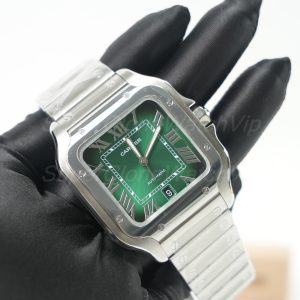
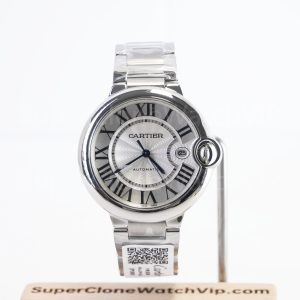
A shaped case provides another route. The Cartier collection illustrates how rectangular or square designs can create clear wrist presence without relying on a very large round diameter. This direction suits broad wrists that need structure and formal flexibility rather than dive-watch weight.
Casual daily wear
Denim, polos, overshirts, knitwear, and casual jackets support stronger bezels and wider bracelets. Consequently, a large sport watch can feel natural in this setting. Comfort still matters because casual daily use often means many continuous hours.
A bracelet should hold the dial near the center without locking the wrist. Repeated rotation makes the watch feel larger and less controlled. By contrast, a secure but comfortable fit distributes the case weight and improves the view from every angle.
Neutral grey, black, steel, and dark blue usually repeat across more outfits. Orange, turquoise, red, or other bright accents create more personality, although they narrow the easiest combinations. A strong accent works best when the surrounding clothing remains quiet.
Travel and long wearing periods
Travel exposes small comfort problems. Heat can tighten a bracelet, while long seated periods make case height and clasp pressure more noticeable. A watch that feels acceptable during a short fitting may become distracting after a full day.
A smoother side profile also reduces contact with cuffs, bags, and jacket openings. In addition, a stable clasp prevents the watch from shifting during walking or luggage handling. Those details often matter more than another increase in dial size.
Visual versatility has practical value during travel. A neutral watch can move through several outfits without becoming a styling project. A vivid statement model may still work, although it should match the clothing already planned rather than a single promotional image.
Weekend and statement use
A weekend-focused watch can accept more bezel color, case height, or chronograph detail. Shorter wearing periods also make some extra visual weight easier to manage. Even so, the lugs should stay supported and the bracelet should not flare outward.
The outfit should frame the watch rather than compete with it. Grey clothing can support an orange accent, while black layers can support turquoise detail. Repeating several loud colors across the whole outfit often makes the watch appear even larger.
A statement role should remain explicit. When the same watch also needs office and travel use, the shortlist should move toward a quieter colorway or lower profile. Versatility usually comes from restraint, not from adding more features.
One versatile watch or two distinct roles
One watch can cover several settings, although no single design needs to solve every possible use. A restrained daily watch may earn far more wrist time than a dramatic model chosen only for maximum presence. Clear roles prevent a large wrist from becoming an excuse for repeated oversized choices.
When two roles differ sharply, separate directions may be more logical. A cleaner shaped or three-hand watch can handle formal settings, while a larger sport chronograph handles casual and weekend use. The difference can come from shape and color, not only size.
This approach also simplifies purchasing. Each model has a defined purpose, so product comparison becomes more focused. The key question changes from “Which watch looks biggest?” to “Which watch performs this role with the least compromise?”
Two 45.5mm Omega Planet Ocean Directions With Different Visual Weight
The two real product examples below share a listed 45.5mm diameter. However, they do not create the same impression. Steel, grey, orange, black, and turquoise distribute attention differently, while the bracelet color changes how the case continues across the wrist.
Both directions suit a broad wrist seeking a technical sport profile. Neither should be selected from the diameter alone. A front view should establish visual scale, while side and three-quarter evidence should confirm height, control projection, lug shape, and bracelet drop.
For additional model families, the wider Omega replica watches category provides alternatives when either Planet Ocean direction feels too active, too tall, or too specialized.


How to choose between them
Choose the grey-orange direction when bracelet brightness and visible sport energy should carry the outfit. Choose the Deep Black ETNZ direction when a darker outer silhouette and concentrated turquoise detail fit the wardrobe more naturally.
When both feel too strong, do not force the 45.5mm format simply because the wrist is broad. Move toward a cleaner Omega family, a lower profile, or a shaped design. A balanced watch should support the routine rather than prove that the wrist can hold a large case.
Fit-Focused QC: What Product Photos Cannot Answer Alone
Product pages establish model, color, and general design. They do not fully show how the exact prepared watch appears from every angle. A fit-focused review should request evidence for case height, effective span, bracelet drop, clasp proportions, and visible condition.
The site’s pre-shipping QC process explains the general photo workflow. For a large sport case, the review should go beyond a centered dial image and focus on the points that affect real wrist balance.
Front image: visual scale and alignment
A straight front image should show the complete case and all lug ends. Cropping the outer case removes the main evidence needed for scale. The dial, bezel, hands, markers, and date area should also remain visible under even light.
The front image helps compare the dial opening with the bezel width. It also shows how bright accents distribute attention. However, it cannot reveal whether the case sits high or whether the first links project outward.
A second front image from slightly farther away can be useful. Close macro views expose detail, while a wider image gives a more realistic sense of total visual mass. Both serve different purposes.
Side image: height, controls, and caseback contact
A full side image should show the bezel, mid-case, caseback, crown, pushers, and lug curve. This angle reveals whether the case appears compact or top-heavy. It also helps estimate how the controls may interact with the hand.
Lighting matters on dark models. If shadows hide the case edges, an additional bright side image should be requested. The purpose is not a dramatic photograph; it is a clear record of height and shape.
The caseback should remain visible rather than resting completely flat on a surface. Otherwise, its contact shape cannot be judged. Even then, no photograph can guarantee comfort on a particular wrist, so the familiar-watch baseline remains important.
Three-quarter image: effective span and bracelet drop
A three-quarter image should include both lugs and the first bracelet links. This view shows whether the bracelet turns downward or extends outward. It also reveals gaps, raised end links, and the visual transition from case to band.
For a rounded wrist, fast downward movement is especially useful. A broad flat wrist can accept a straighter upper section, although the bracelet should still avoid visible flare. The clasp and lower bracelet need a separate image because they affect underside comfort.
A cushion image may help demonstrate bracelet fall, but cushion size varies. It should support the decision rather than act as proof of wrist fit. Direct measurements and multiple angles remain more dependable.
Bracelet and clasp evidence
An open-bracelet image should show link structure, clasp length, and the available bracelet section. The goal is to confirm that the band has enough scope for the recorded wrist circumference without creating unnecessary looseness.
A short clasp clip can show opening and closure. It should also show how the clasp sits beneath the bracelet. A very long rigid clasp may feel bulky on a wrist that narrows sharply underneath, even when the upper wrist is broad.
The exact sizing plan should remain adjustable until the watch and wrist measurements are compared. Removing too many links before confirming fit can create avoidable pressure. Controlled movement is better than either free rotation or a locked-tight fit.
Function evidence for a chronograph layout
A chronograph-style watch includes more controls and more visual elements than a simple three-hand model. A continuous clip should show the listed start, stop, and reset behavior for the exact prepared watch. The central hand and relevant registers should remain visible throughout the sequence.
Crown setting and date adjustment should also match the functions stated for the selected product. Assumptions based on an original reference are not enough. The evidence should represent the actual available version and its listed operation.
Fit and function evidence solve different questions. Side images explain scale and contact, while clips explain operation. A strong approval record keeps those questions separate instead of treating one attractive video as proof of everything.
Fit evidence checklist
- Straight front image with the complete case and lug ends visible.
- Full side image showing height, crown, pushers, lugs, and caseback.
- Three-quarter image showing first-link movement and bracelet drop.
- Open bracelet and clasp image for length and underside proportion.
- Normal-light image for realistic color and apparent scale.
- Continuous function clip for the operations listed on the exact version.
A Practical Purchase Path From Wrist Notes to Final Approval
A clear process prevents the search from expanding into dozens of unrelated models. The starting point is the wearing role, followed by wrist geometry and one familiar watch. Product families should enter only after those limits are written down.
For broader research, the replica watch guide library organizes model, QC, size, and ordering topics. It works best after the main fit problem is clear, since general browsing can otherwise add options without improving the decision.
Step 1: Define the main role
List the settings that account for most wear. Office, casual daily use, travel, and weekend events create different limits. Then choose one dominant style direction: restrained, sporty, technical, or statement-focused.
A model that fails the main role should leave the shortlist, even when the dial looks attractive. This removes the common mistake of choosing a dramatic product image and trying to force the watch into every routine later.
Step 2: Record the fit baseline
Record circumference, usable top width, and one comfortable reference watch. Add a short note about desired change. Examples include more dial presence, less height, stronger bracelet support, or better sleeve clearance.
This note should remain visible during every product comparison. Without it, a sequence of attractive models can shift the original goal. The baseline keeps the search connected to a real wrist problem.
Step 3: Compare model families before colorways
A dive-style watch, sport chronograph, rectangular dress case, and clean three-hand design create different kinds of presence. Choosing the family first reduces noise. Color should refine the result, not decide the entire structure.
When the Planet Ocean profile fits the role, compare grey-orange and Deep Black ETNZ by wardrobe, side height, and bracelet continuity. When the format feels too strong, return to a cleaner Omega direction or a shaped Cartier option rather than forcing the same category.
Step 4: Narrow to two exact product links
Two exact links create a useful comparison. More than three often reintroduces the same uncertainty. Each finalist should be checked against the role, fit baseline, wardrobe colors, and evidence requirements.
At this stage, compare the same questions across both products. Look at effective span, case height, dial opening, bracelet drop, clasp size, and accent color. A consistent comparison is more valuable than reading each listing in isolation.
Step 5: Send a fit-specific inquiry
The inquiry should include the exact product link, wrist circumference, usable top width, and the main wearing role. It should also state the most important concern, such as side height, lug overhang, bracelet length, clasp width, or crown contact.
A focused message leads to focused evidence. A vague question about whether a watch is “too big” cannot account for wrist shape or clothing. Specific dimensions and priorities make the answer more useful.
Recommended inquiry format
Model link: [exact product URL]
Wrist circumference and usable top width: [measurements]
Main use: [office / casual daily / travel / weekend]
Comfort reference: [current watch and what works]
Main concern: [height / lug span / bracelet drop / clasp / crown contact]
Requested evidence: front, side, three-quarter, bracelet, clasp, and listed function clip.
Step 6: Confirm the process before payment or dispatch
The site’s order process explains the sequence from model selection and stock confirmation to payment, QC review, approval, and shipping. Current details should be confirmed through the official channel before funds or order information are sent.
For a fit-specific request, use the official contact page. The message should remain concise and evidence-based. A product link plus measurements creates a clearer starting point than a long list of brand names.
Next decision
Start with the role, not the largest diameter
A broad wrist can support both Planet Ocean examples, although the better option depends on wrist shape, side-height tolerance, bracelet behavior, and clothing. When neither profile fits the main routine, a cleaner model is the stronger purchase rather than a compromise made only for size.
FAQ: Large-Wrist Watch Size, Comfort, and Style
Does a broad wrist always need a 44mm or 45mm watch?
No. A broad wrist can carry a large case, but the best scale also depends on usable top width, lug curvature, case height, dial opening, and band proportion. A cleaner moderate-size watch can look balanced when the bracelet and dial provide enough visual support.
How can a 45.5mm watch still look oversized on a large wrist?
Long lugs, rigid end links, a tall case, a narrow band, and bright surface contrast can increase apparent size. The problem may come from effective span or side height rather than the stated diameter itself.
Is wrist circumference enough for selecting bracelet length?
Circumference provides a starting point, although usable upper width and underside shape also matter. An open-bracelet image and a clear sizing confirmation help avoid a band that is either too tight or loose enough to rotate.
Does a black watch look smaller than a steel watch?
Dark surfaces often make the outer outline feel more compact, while steel reflects light and reveals more edges. However, bright turquoise, orange, or other accents can add strong visual focus, so the complete color layout matters more than case color alone.
Which is more important for long wear: diameter or thickness?
Thickness often has the stronger effect on stability and sleeve clearance. A wide but lower case may feel controlled, while a tall case can rock and press against the hand. Effective lug span and bracelet sizing should be reviewed at the same time.
What should be included in a large-watch fit inquiry?
Include the exact product link, wrist circumference, usable top width, main wearing role, and one familiar watch reference. Then name the main concern and request front, side, three-quarter, bracelet, clasp, and listed function evidence.
Final Selection Advice
A large wrist creates useful freedom, but it does not remove the need for proportion. The right replica watch for large wrist keeps its outer footprint supported, distributes weight through the bracelet or strap, and matches the clothing used most often. Diameter should confirm the decision rather than lead it.
The two Planet Ocean options provide a clear comparison. Grey-orange offers brighter bracelet presence and a visible sport accent. Deep Black ETNZ creates a darker continuous outline with concentrated turquoise detail. When both exceed the intended routine, a cleaner Omega or shaped Cartier direction is the more practical move.
- Record wrist circumference, usable top width, and one comfortable reference watch.
- Remove any model that fails the main role, side-height limit, or bracelet-drop requirement.
- Request fit-focused QC evidence before final approval, not only a centered dial image.