A movement guide should make watch selection easier, not more confusing. This article explains movement appearance, automatic movement basics, clone movement differences, timegrapher readings, factory version notes, real photos, and QC photos before shipping in a clear way. The goal is simple: understand what matters before order confirmation and know what details to ask support to check.
Quick Navigation
Quick Answer: What Should a Beginner Check?
For a first movement review, the most useful points are movement type, movement appearance, winding feel, date behavior, rotor sound, timegrapher result, and QC photos before shipping. A movement name alone is not enough. The full watch still needs to match the selected model, case thickness, dial layout, bracelet style, and factory version.
Therefore, a practical path works best. First, compare the watch style. Next, confirm the current factory version. Then, request real photos and basic QC support. This is also why many people compare clone watches by looking at the complete build instead of trusting one movement label.
Why Movement Knowledge Matters
A watch movement is the engine inside the case. It controls timekeeping, hand motion, date change, chronograph operation, GMT function, and winding behavior. In some models, it also affects case thickness and crown position.
However, movement knowledge does not need to become overly technical. For most selections, the important question is simple. Does the movement fit the model, support normal daily use, and match the confirmed factory version?
Also, movement claims should always connect back to visible proof. Factory version notes, real photos, timegrapher checks, and order confirmation help reduce uncertainty before shipping. This creates a stronger decision path than reading a short product title only.
Beginner Movement Check
- Check whether the watch uses an automatic movement, clone movement, decorated movement, or special complication movement.
- Ask whether the current factory version matches the product photos and selected model.
- For open-back watches, review movement appearance through real photos.
- For chronographs, confirm subdial layout and reset behavior before approval.
- For daily wear, focus on winding feel, date alignment, case thickness, and basic timing.
Movement Appearance vs Daily Performance
Movement appearance means how the movement looks. It includes bridge layout, rotor design, engraving, screw position, jewel placement, and finishing texture. This matters most when the watch has a transparent case back, skeleton dial, or openworked design.
Daily performance means how the watch behaves during normal use. It includes winding, time setting, date change, second-hand motion, chronograph operation, rotor sound, and basic timing. These details still matter when the movement stays hidden behind a solid case back.
In other words, appearance and performance should not be separated. A visible movement should look suitable for the model. At the same time, an attractive movement still needs stable operation and clear QC support.
Closed-Back Watches
For a closed-back sports watch, movement appearance is usually less important. The movement cannot be seen during wear. Therefore, case thickness, crown feel, date alignment, rotor sound, and timing review become more useful checks.
For example, a Submariner-style or Datejust-style watch should feel stable when winding and setting. The date should sit neatly in the window. Also, the case profile should not look too thick for the model.
Open-Back and Skeleton Watches
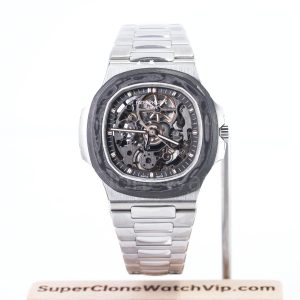
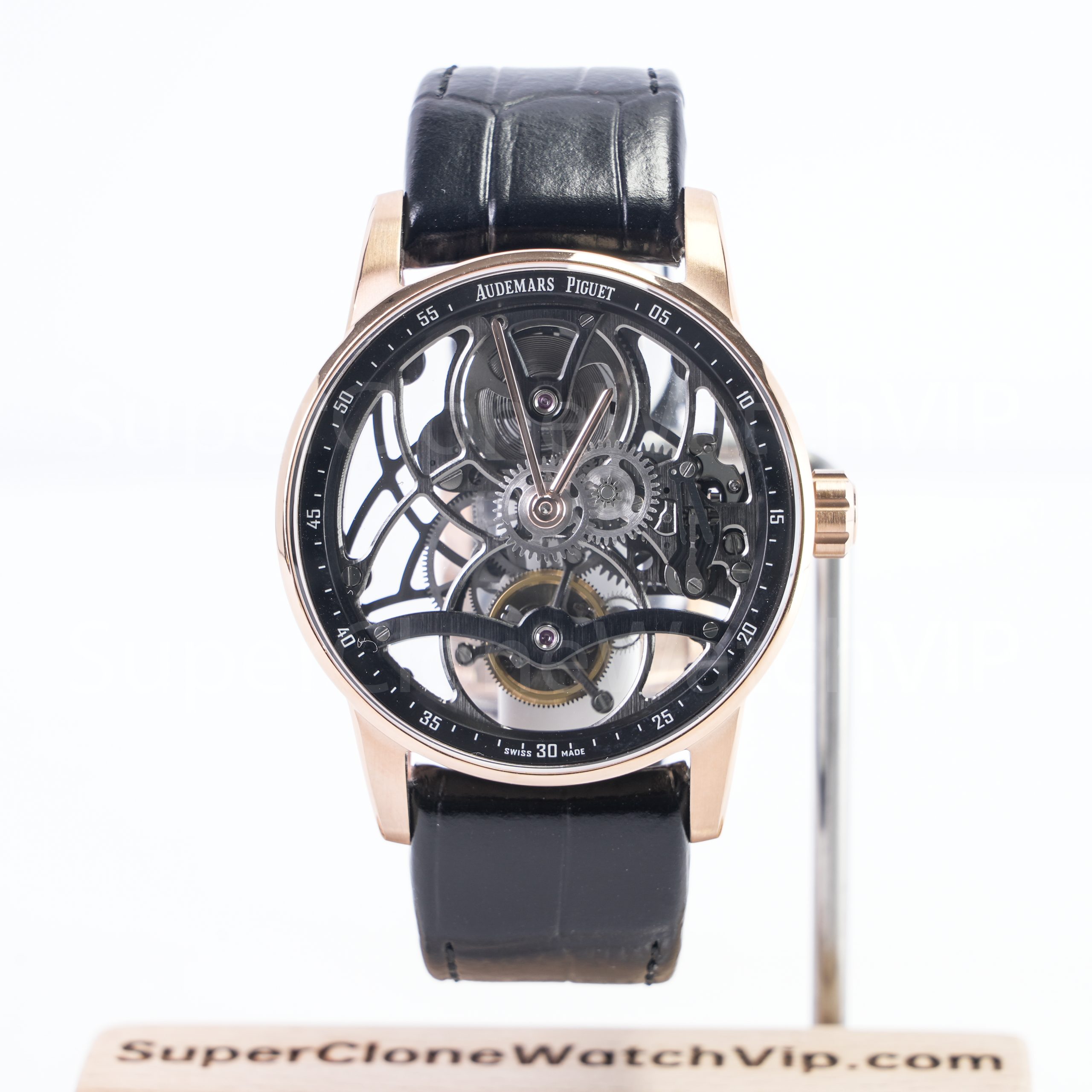
For an open-back or skeleton watch, movement appearance becomes part of the design. Bridge shape, rotor style, decoration, and dial depth can affect the whole look. Real photos are especially important here.
However, visual detail should not replace normal function. The watch should still wind correctly, set cleanly, and pass a basic timing review when available.
Automatic Movement Basics
An automatic movement uses wrist motion to wind the mainspring. In plain terms, the rotor inside the watch moves and stores energy as the watch is worn. A neutral reference on automatic watch movement basics explains the same self-winding idea in general watchmaking terms.
Still, an automatic watch may need manual winding after storage. That is normal. If the watch has not been worn for some time, winding and time setting may be needed before use.
Because mechanical watches use gears, springs, and a balance system, small timing variation is expected. Position, power level, temperature, and handling can change the result. That is why a timegrapher reading should be seen as a useful snapshot, not a permanent promise.
Power Reserve
Power reserve means how long a fully wound watch can run. This matters when several watches are rotated during the week. If a watch sits unused for days, it may stop and need winding again.
Also, low power can affect timing. A movement that has not been wound properly may show weaker energy on a timing test. Therefore, timegrapher results should be read with winding condition in mind.
Crown Feel
Crown feel is one of the easiest checks. Smooth winding and controlled time setting create confidence. Rough grinding, loose feedback, or uneven date setting should be reviewed before shipping.
At the same time, different watch styles feel different. A screw-down diver crown can feel firmer than a slim dress watch crown. The goal is stable and normal operation, not identical feel across every model.
What Clone Movement Really Means
A clone movement usually means a movement designed to copy certain layout, function, or appearance details of a known caliber. However, the term can mean different things depending on model, factory version, and watch style.
Some clone movements focus on visual layout. Others focus more on function. Meanwhile, some decorated movements use plates, rotor work, or engraving to create a similar appearance without copying every internal detail.
Therefore, the best question is not only “what movement name is used?” A better question is “does this movement fit the selected watch style, case thickness, dial layout, and QC expectation?”
Rolex Super Clone Movement Questions
Rolex-style watches often create movement questions because different collections focus on different functions. Daytona-style models raise chronograph movement questions. GMT-Master II-style models raise GMT hand and hand-stack questions. Datejust and Submariner Date styles raise date alignment and crown operation questions.
Even then, the movement should not be judged by a headline alone. Case thickness, date position, hand alignment, crown feel, and QC photos before shipping all matter during final confirmation.
Factory Version Matters
Factory version matters because the same model can exist in several batches. One version may improve the dial. Another may change bracelet finishing. A newer version may adjust movement appearance, case thickness, or date placement.
For this reason, current factory version notes should be confirmed before order approval. Real photos also help verify whether the prepared watch matches the selected version.
Movement-Focused Product Examples
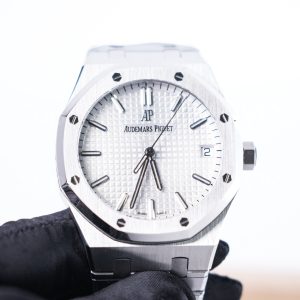
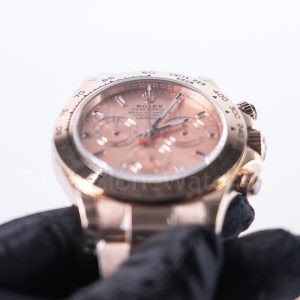
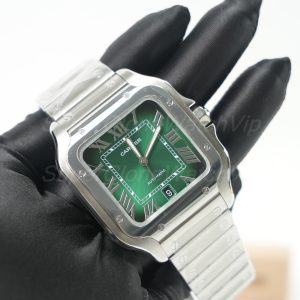
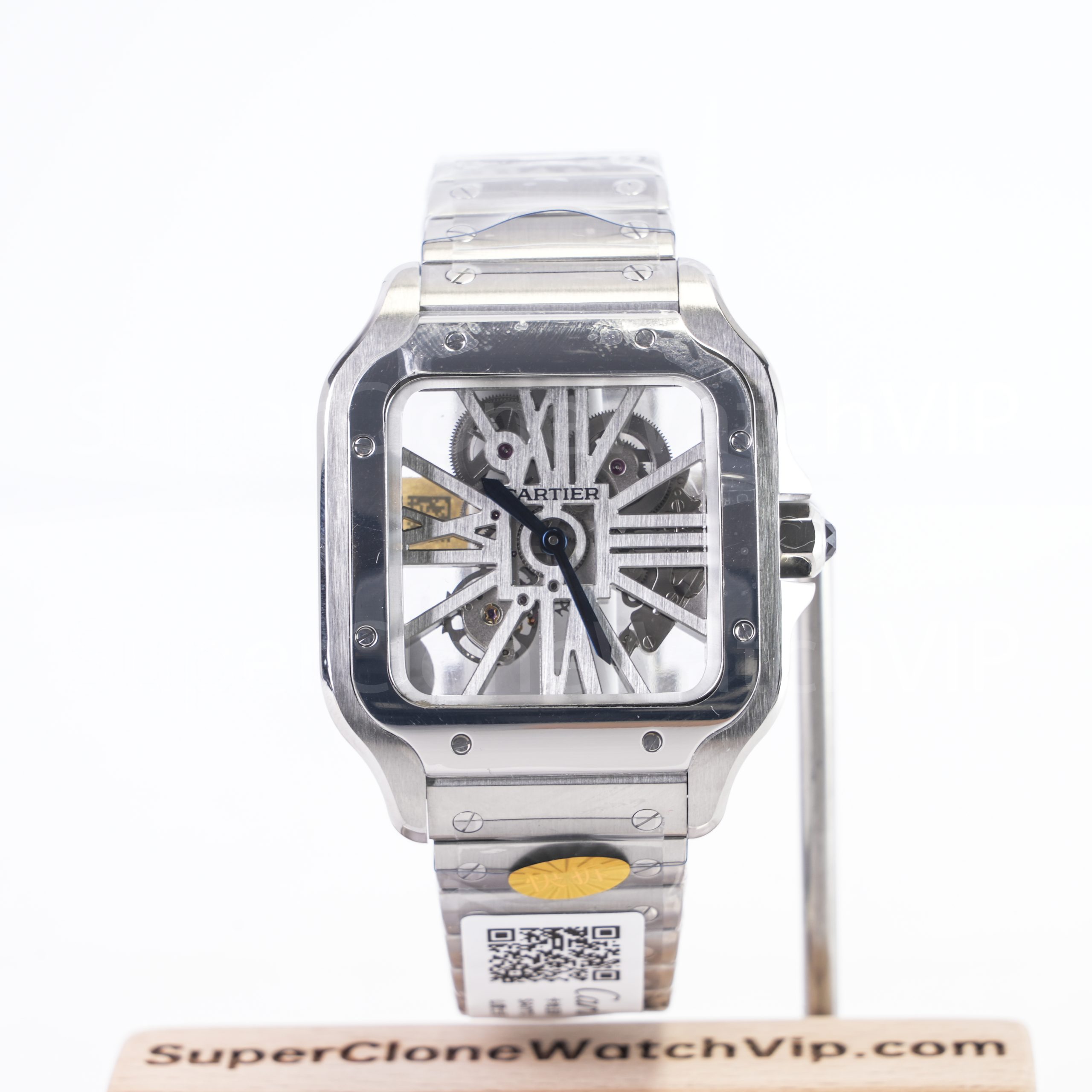
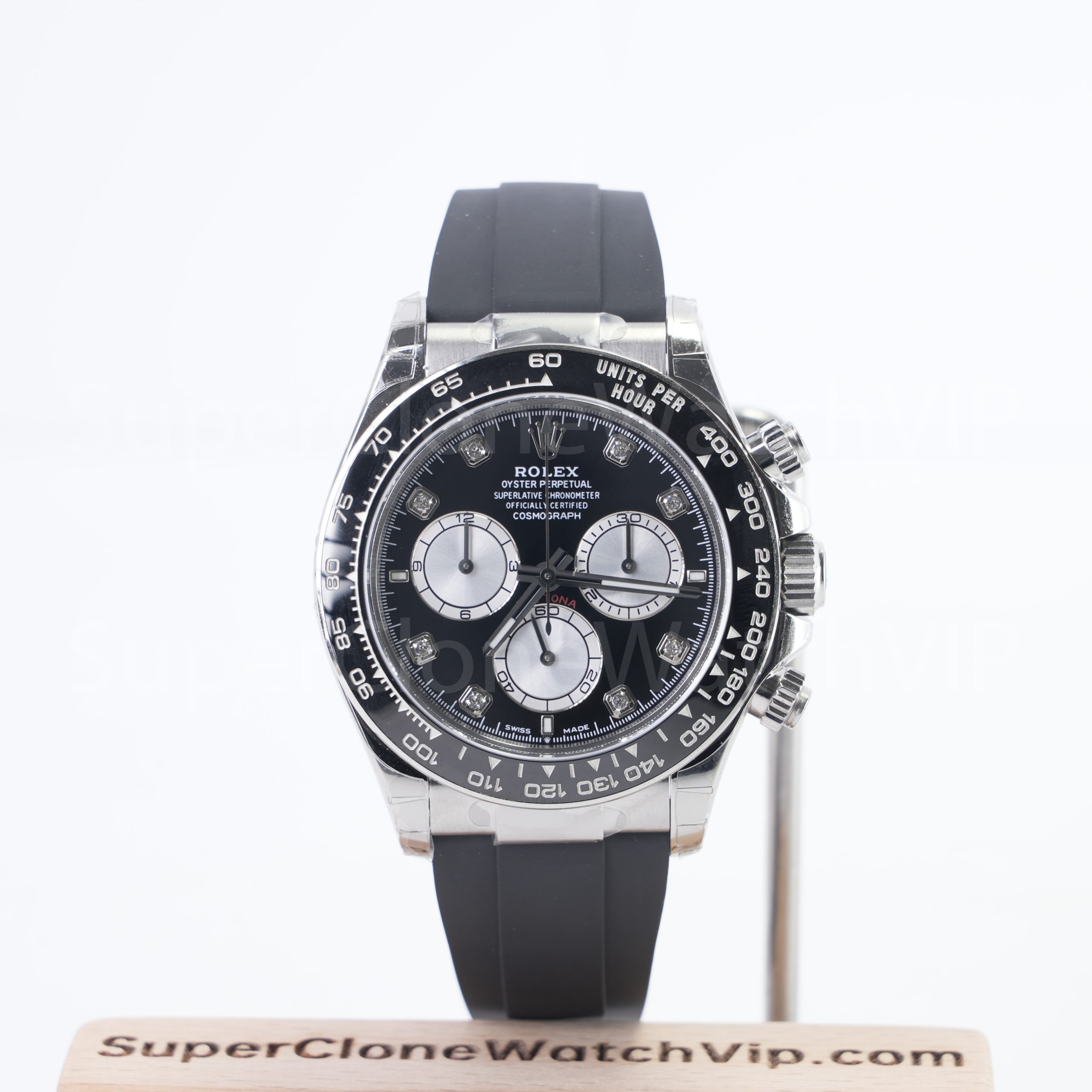
For movement-focused selection, skeleton watches, openworked watches, and chronograph watches are easier to understand through real product examples. Each style highlights a different movement concern.
The following examples are not forced recommendations. Instead, they show how movement appearance, chronograph layout, and openworked finishing can guide a more confident product conversation before confirmation.
Which Movement Type Fits Different Watch Styles?
A good movement choice depends on the watch style. A daily sport watch does not need the same review as a skeleton watch. A chronograph also needs different checks from a simple three-hand model.
Therefore, the best route is to match movement priority to the intended use. This keeps the decision practical and avoids chasing the most complicated option when a simpler model would be easier to confirm.
| Watch Style | Best Fit | Movement Focus | Before Shipping |
| Closed-back daily watch | Office, travel, daily rotation | Winding feel, date alignment, stable timing | Request dial, side, clasp, and timegrapher checks |
| Skeleton watch | Visible mechanical style | Bridge layout, dial depth, movement appearance | Request close-up real photos and case-back view |
| Chronograph watch | Sport style, racing-inspired layout | Subdial layout, pusher feel, reset behavior | Confirm chronograph function and dial alignment |
| GMT watch | Travel-style appearance | GMT hand, bezel alignment, hand stack | Request dial photo and bezel position photo |
| First order | Cleaner decision path | Simple automatic movement and easy QC | Confirm model, version, real photos, and support process |
What a Timegrapher Result Means
A timegrapher is a test device for mechanical watches. It listens to the movement and estimates rate, amplitude, and beat error. These readings help review basic movement condition before shipping.
However, a timegrapher result is not a lifetime guarantee. It is a snapshot under certain conditions. Winding level, position, temperature, and handling can change the reading.
Even so, it remains useful. A timing result can reveal very weak movement energy, extreme timing variation, or adjustment concerns. When paired with timegrapher and QC photos, it creates a clearer pre-shipping review.
| Check Point | Meaning | Why It Matters | Useful Question |
| Rate | Fast or slow estimate | Shows a timing snapshot | Is the rate reasonable after winding? |
| Amplitude | Balance swing strength | Shows movement energy | Was the movement wound before testing? |
| Beat Error | Balance timing symmetry | Can show adjustment concerns | Does the whole result look stable? |
| Crown Feel | Winding and setting feedback | Affects daily operation | Does winding feel smooth and controlled? |
| Movement Look | Visible layout and finishing | Important for open-back watches | Do real photos match the current version? |
How QC Photos Before Shipping Help
QC photos before shipping help confirm the actual watch prepared for dispatch. They can show dial alignment, hand position, bezel placement, bracelet finishing, clasp details, case shape, and visible movement details when the case back or dial is open.
Still, QC photos should not be treated as a promise of perfection. Their real value is practical review. They reduce blind ordering and help confirm whether the watch matches the selected model and factory version.
For closed-back watches, a timegrapher photo or short timing video can support movement review. For open-back watches, dial and case-back photos help confirm movement appearance. Together, these materials make order confirmation much clearer.
Questions to Ask Before Order Confirmation
Good questions make the process smoother. Instead of asking for broad promises, focus on details that can be checked. This keeps the conversation practical and avoids unrealistic expectations.
First, confirm the current factory version. Next, ask whether real photos are available before approval. Then, ask whether a basic timegrapher result can be included when available.
- What movement type does the current factory version use?
- Does the movement appearance match this model style?
- Are real photos available before order confirmation?
- Can QC photos before shipping include dial, side, clasp, and case-back views?
- For automatic movement models, has winding and time setting been checked?
- For date models, is the date centered in the window?
- For chronograph models, do start, stop, and reset functions work normally?
- For open-back models, do movement photos match the expected layout?
Practical Purchase Advice
For daily wear, a simpler automatic model is usually easier to confirm. The key checks are timing, winding feel, case thickness, bracelet comfort, and date alignment. This route is often the safest starting point.
For visual impact, a skeleton or openworked model makes more sense. In that case, movement appearance, dial depth, and case-back photos should become the main focus.
For chronograph style, function clarity matters most. Subdial layout, pusher feel, reset behavior, and timing review should be checked before approval.
Finally, compare super clone watches as full builds. Movement, dial, case, bracelet, factory version, QC photos, and support process all work together. A strong movement cannot fix a poor overall match.
Extended Reading
Rolex Super Clone Movements Guide
A related guide for Daytona, Submariner, GMT-Master II, Datejust, and other Rolex-style movement questions.
Super Clone Watch Factory Guide
Useful for understanding why factory version, batch notes, movement options, and QC photos should be checked together.
What Is a Super Clone Watch?
A simple definition guide that explains case, dial, bracelet, movement appearance, and QC differences in plain language.
FAQ
Final Advice Before Choosing a Movement Version
Movement names are useful, but they should not replace factory version confirmation, real photos, QC photos before shipping, and order confirmation. A balanced review looks at the whole watch, not only the movement description.
For a smoother confirmation process, send the budget, brand or model, wrist size, preferred style, and country through WhatsApp support. Then ask for the current version, movement appearance notes, basic timing check, real photos, and QC support before final approval.
- First, match movement priority to the watch style: closed-back, open-back, chronograph, date, or GMT.
- Next, request current factory version notes, real photos, and QC photos before shipping.
- Finally, confirm budget, model, wrist size, preferred style, and destination country before shipping arrangements begin.