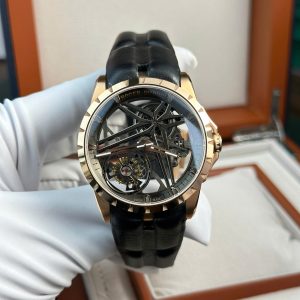
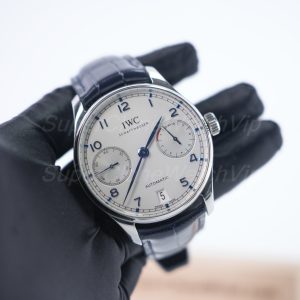
This clean factory ap review explains when Clean AP makes sense, which Royal Oak details deserve attention, and how QC photos should guide the final AP selection. The point is not to praise a factory name. Instead, the article connects model choice, case finishing, bracelet quality, and pre-shipping proof into one clear decision path.
Meanwhile, any super clone watch decision should depend on visible evidence before shipping. Case profile, bezel screw seating, dial texture, bracelet flow, clasp finish, date placement, and video proof matter more than broad factory claims.
Why Clean Factory AP Should Be Reviewed by Model
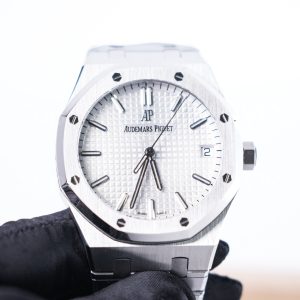
First, Clean Factory is often discussed because the name has recognition in higher-grade watch categories. However, AP-style watches create a different inspection problem. The Royal Oak case has sharp planes, an exposed octagonal bezel, visible screws, and an integrated bracelet.
Because of this structure, small finishing issues become easy to see. A soft bezel edge, uneven screw depth, rough bracelet brushing, or crowded date window can change the whole impression. Therefore, Clean AP should be judged by the exact reference and current batch.
For design context, the official Audemars Piguet Royal Oak collection shows why the octagonal bezel, exposed screws, integrated bracelet, and patterned dial remain the key visual checkpoints. As a result, this article uses those visible areas as the basis for QC review.
In addition, an AP clone watch review should not stop at factory reputation. A useful review should explain what to check before payment, which model route makes sense, and how to move from research to stock confirmation. That is where this guide supports both reading efficiency and inquiry flow.
For the wider AP category, the Audemars Piguet collection page is the main place to compare Royal Oak, Offshore, Concept, and openworked styles. However, each final choice should still move through QC photos and version confirmation.
Core takeaway
Clean Factory can be worth considering when the selected AP reference shows strong case geometry, balanced bezel finishing, clean dial printing, smooth bracelet flow, and clear pre-shipping proof. However, the factory name should never replace model-level QC.
When Clean AP Makes the Most Sense
Generally, Clean AP makes the most sense when the target is a clean Royal Oak look with a simple layout. Time-and-date references are easier to inspect because the dial, bezel, bracelet, clasp, and date window remain the main focus.
Moreover, Clean AP can fit a shortlist when the priority is a sharp modern sports-watch profile. Royal Oak style depends on straight brushing, polished bevels, and a flat case attitude. Therefore, case shape and bracelet finish should carry more weight than a familiar factory name.
However, complicated AP-style models need more caution. Chronographs add subdial spacing, pusher action, and date placement to the checklist. Openworked models add dial depth, bridge finishing, and movement-side appearance. As a result, more QC media becomes necessary.
For a simple first AP selection, steel Royal Oak models are usually easier to judge. Blue, black, gray, white, and green dials all need separate photo review, but their main inspection points remain clear. Meanwhile, rose-tone cases need closer checking under different light.
For broader factory logic, the factory version guide explains why one factory can perform well in one model but less strongly in another. The same rule applies strongly to AP.
Best fit
Simple Royal Oak layouts, clean dial colors, steel bracelet designs, and references with easy visual checkpoints.
Needs caution
Chronographs, openworked designs, rare dial colors, and models with limited current QC examples.
Confirm first
Stock status, factory version, case thickness, bracelet finish, date alignment, and video proof availability.
Royal Oak QC: Details That Decide the Result
Royal Oak QC should begin with geometry. The octagonal bezel should look even, the top brushing should run cleanly, and the polished bevels should not look too thick. In addition, all eight screws should appear consistent in depth and spacing.
Next, the dial needs careful review. Tapisserie-style texture should appear even across the surface. Also, logo placement, marker alignment, hand length, and date-window centering should look balanced in a straight front photo.
The bracelet deserves equal attention. AP-style integrated bracelets have many visible edges, so weak brushing can reduce the overall effect. Therefore, end-link fit, link gaps, screw heads, and clasp closure should all be checked before approval.
Meanwhile, still photos and video proof serve different purposes. Photos show detail, while video shows thickness, light reflection, bracelet movement, clasp action, and basic function. Together, they create a better pre-shipping review path.
For the process itself, QC photos before shipping should be treated as a required checkpoint. The goal is not exaggerated perfection. Instead, the goal is clear evidence before payment and dispatch.
| QC Area | What to Check | Why It Matters |
|---|---|---|
| Dial | Texture, logo print, marker angle, hand length, and date position. | The dial controls first impression and reveals alignment quality. |
| Bezel | Brushing direction, bevel width, screw depth, and edge sharpness. | The octagonal bezel is the strongest AP visual signature. |
| Case | Side profile, crown position, caseback fit, lug flow, and crystal seating. | Royal Oak shape depends on crisp and balanced geometry. |
| Bracelet | End-link fit, link brushing, link gaps, screw heads, and taper. | The integrated bracelet defines the wearing profile. |
| Clasp | Closure alignment, engraving, folding parts, and edge finishing. | A weak clasp can reduce the daily-wear impression. |
| Video proof | Running view, hand setting, date change, clasp action, and side angle. | Motion reveals details that still photos may miss. |
Clean Factory vs Other AP Versions
A useful comparison starts with the reference number, not the factory name. Clean Factory may look strong for one Royal Oak, while another version may show better bracelet finishing or dial texture. Therefore, the comparison should begin with current stock and actual media.
For Royal Oak models, the most useful comparison points are bezel brushing, screw seating, dial texture, marker alignment, case thickness, and bracelet flow. For chronographs, the list expands to subdial spacing, pusher finish, date placement, and movement function.
Also, sample photos should be treated as a preview only. They can show the model style, but they do not confirm the exact prepared piece. As a result, actual QC photos and video proof remain important before payment.
For a broader factory mindset, the VSF vs Clean Factory comparison explains why factory performance should be connected to specific models. That same principle helps prevent weak AP decisions based only on reputation.
In practice, two or three AP options are enough for a clear comparison. Beyond that, the decision can become noisy. A tight shortlist makes it easier to compare case, dial, bracelet, and proof quality.
Practical comparison order
- First, confirm the target AP reference and dial color.
- Next, compare available factory versions from current stock.
- Then, use sample media only as a starting point.
- After that, request actual QC photos before shipping.
- Finally, use video proof for bracelet movement, clasp action, and function checks.
Natural Product Paths for Clean AP Research
A strong product path should make the next step obvious. For a cleaner daily AP look, a steel Royal Oak time-and-date model is the most direct starting point. For a darker and more restrained look, a black dial Royal Oak can make sense. For a stronger sports profile, a Royal Oak chronograph needs deeper QC review.
However, model choice should stay tied to inspection difficulty. Simple Royal Oak references are easier to approve because the key areas are visible. Chronograph models can look more expressive, but they need stronger checks on subdials, pushers, date placement, case thickness, and bracelet finishing.
The main AP product category supports broader browsing. Still, the most practical route is to select one target model, one backup model, and then request stock, factory version, QC photos, and video proof.


Which path fits best?
- For a classic daily AP look, start with the Royal Oak 15500ST blue dial.
- For a lower-key steel Royal Oak, compare the 15500ST black dial and focus on bezel finishing and date centering.
- For a stronger sports profile, choose the 26240ST chronograph only after checking subdials, pushers, date placement, and video proof.
- For uncertainty between versions, send the target reference and ask for stock, factory-version comparison, QC photos, and video proof.
QC Photo Checklist Before Payment
Before payment, the QC photo request should be specific. A vague request can miss the most important AP details. Therefore, the checklist should cover dial, bezel, case, bracelet, clasp, date window, movement function, and video proof.
First, front photos should show the watch straight. The dial, hands, markers, logo, date window, and bezel screws should sit clearly in the frame. In addition, at least one angled view should show how the bezel and crystal catch light.
Second, side photos should show case thickness, crown position, caseback fit, and bracelet drop. These details matter because AP-style cases can look visually heavy when the side profile is not balanced.
Third, bracelet and clasp close-ups should be included. Integrated bracelets need smooth link flow and consistent brushing. Meanwhile, the clasp should close evenly and show clean engraving.
Finally, movement and function checks should stay practical. Time setting, date change, crown action, basic running view, and chronograph action when applicable are enough for a useful review. For motion support, video proof before shipping adds another layer of confirmation.
Dial
- Logo print and spacing
- Marker alignment
- Hand length and center pinion
- Tapisserie-style texture
Bezel
- Octagonal edge symmetry
- Screw depth and spacing
- Brushing direction
- Polished bevel width
Case
- Side thickness
- Crown position
- Caseback seating
- Crystal height and fit
Bracelet
- End-link fit
- Link brushing
- Link gaps
- Screw and edge finishing
Clasp
- Closure alignment
- Engraving depth
- Folding part finish
- Open-close video when possible
Function
- Time setting
- Date change
- Chronograph action if applicable
- Basic running view
FAQ
Is Clean Factory always the best AP choice?
No. Clean Factory can make sense for selected AP-style versions, but factory name alone is not enough. The exact reference, current stock, QC photos, and video proof should guide the final decision.
What should be checked first in Royal Oak QC?
The first check should be a straight front photo. It should show dial texture, marker placement, logo alignment, date-window centering, bezel screw seating, and hand position clearly.
Does Clean AP make more sense for Royal Oak or Offshore?
Royal Oak time-and-date models are usually easier to inspect because the layout is simpler. Offshore chronographs can still work, but pusher shape, strap fit, case thickness, subdials, and date position need stronger QC support.
Are product photos enough for AP selection?
No. Product photos show the model style, but they do not confirm the exact prepared piece. Actual QC photos before shipping should be reviewed before final approval.
What should be included in a video proof request?
A useful request should include a front view, side view, bracelet movement, clasp open-close action, crown operation, date change, and chronograph action when the model includes chronograph functions.
How should the final AP request be prepared?
The final request should include the target model, dial color, size preference, budget range, factory-version preference, receiving country, and required QC media. This gives enough detail to confirm stock and version options.
Confirm Stock, Factory Version and QC Photos
To move from research to confirmation, send the target AP model, dial color, size preference, budget range, factory-version preference, and receiving country. Also request current stock, factory version, QC photos, and video proof before shipping.
Final Summary
In short, clean factory ap review decisions should stay reference-specific. Clean Factory can be a sensible AP option when the chosen model shows strong case geometry, controlled brushing, clean dial alignment, consistent bracelet finishing, clear clasp detail, and useful video proof. However, another AP version may be better when the evidence supports it.
- First, narrow the AP shortlist to one target model and one backup reference.
- Next, request QC photos covering dial, bezel, case, bracelet, clasp, date window, movement function, and video proof.
- Finally, confirm stock, factory version, receiving country, and shipping details before payment.