This daytona chronograph guide explains how the Daytona-style chronograph layout should be reviewed before ordering. Instead of treating the watch as a simple racing icon, the smarter review looks at the pushers, subdials, central seconds hand, bezel scale, case profile, bracelet finish, movement option, factory version and QC photos before shipping.
In addition, this guide connects each detail with a practical next step. The goal is clear: understand what the chronograph layout means, compare the right Daytona style, review product photos, confirm movement expectations, and contact support before payment when a detail needs clarification.
Jump to:
What Is a Daytona Chronograph?
First, a chronograph is a timing function built into a watch. In simple terms, it works like a stopwatch layout. However, on a Daytona-style watch, the chronograph is also a major design feature.
On the dial, three subdials create the familiar racing-inspired look. Meanwhile, two pushers sit beside the crown. One pusher usually starts or stops the chronograph, while the other resets the chronograph display.
In addition, the long central hand often creates confusion. On many chronograph layouts, this hand is not the normal running seconds hand. Instead, it may work as the chronograph seconds hand when the timing function is used.
Therefore, the normal running seconds may appear inside one of the subdials. This matters during QC review, because a still central hand does not always mean a problem. The correct judgment depends on the movement option and version.
For broader model context, the official Rolex Cosmograph Daytona page explains the Daytona as a chronograph watch with a tachymetric scale. However, this article focuses on practical QC checks for super clone watches, replica watches and factory-version comparison.
Reference: Rolex Cosmograph Daytona official overview
Why the Chronograph Layout Matters Before Ordering
First, the Daytona dial has more visual checkpoints than a simple three-hand watch. The three subdials, outer scale, central hand and dial text must work together. As a result, small alignment problems are easier to notice.
Second, the pusher side affects the whole case profile. The crown, upper pusher and lower pusher sit close together. Therefore, uneven spacing, thick pusher caps or rough finishing can make the case side look less refined.
Moreover, the bezel controls the frame around the dial. A Daytona-style tachymeter scale should look clean, centered and consistent. If the bezel printing or engraving looks heavy, the watch may feel less balanced from the front.
In addition, the movement option affects both expectation and appearance. Some versions focus more on visual layout. Others may place more attention on chronograph operation. However, full function should always be confirmed before payment instead of assumed from the model name.
For this reason, QC photos are not a decorative step. They connect the product listing with the actual prepared watch. The clearest review checks the dial, pusher side, case thickness, bracelet, clasp, crystal, bezel and movement notes together.
Key Details to Check: Pushers, Subdials and Seconds Hand
Chronograph Pushers
First, the pushers should look even from the crown side. The upper and lower pushers should share similar size, angle and finishing. Also, the screw-down appearance should look clean rather than bulky.
Moreover, the metal edges around each pusher should not appear rough. Strong lighting may create false marks, though. Therefore, one side photo and one angled photo help confirm whether the finishing is actually clean.
Subdial Placement
Next, the three subdials should form a balanced layout. The left and right subdials should sit level. Meanwhile, the lower subdial should sit centered below the main hands.
In addition, subdial rings should look round and evenly printed. On contrast dials, small printing issues stand out quickly. Therefore, zoomed dial photos are useful for checking tiny markers, rings and small hands.
Central Chronograph Seconds Hand
Also, the long central hand should rest cleanly at 12 o’clock when reset. A slight left or right lean can distract from the whole dial. However, a tilted camera angle can create a false concern.
Therefore, the straight front photo matters most. The hand length should also feel natural against the outer scale. If the hand looks too short, too long or off-center, the dial can lose balance.
Running Seconds Display
However, the long central hand does not always move during normal time display. On many chronograph layouts, the running seconds appear inside a subdial. As a result, the central hand may remain still until the chronograph starts.
Because of this, function should be judged according to the confirmed movement option. A short video can support the review. Still, clear photos remain essential for checking dial alignment and finishing.
Movement Option and Factory Version Notes
First, Daytona-style replica watches should be reviewed by exact model and version, not by broad series name alone. Different versions may vary in case height, dial printing, bezel scale, bracelet finish and chronograph behavior.
Moreover, a factory name is only part of the decision. The Super Clone Watch Factory Guide helps explain why factory comparison should be model-based. Still, QC photos remain the final visual reference for the actual watch.
In addition, movement option confirmation should happen before payment. The Rolex Super Clone Movements Guide gives useful context for common Rolex-style movement terms. However, the exact movement option should still match the selected product and support notes.
Meanwhile, movement choice can affect more than function. It may influence case thickness, subdial layout, pusher feel and reset behavior. Therefore, movement confirmation should be connected to the visual QC review, not treated as a separate technical note.
Finally, avoid overreading any single phrase in a listing. A better process checks model, factory version, movement option and QC photos together. This keeps expectations realistic and prevents assumptions about identical function or perfect matching.
Product Match: Daytona Styles Worth Comparing
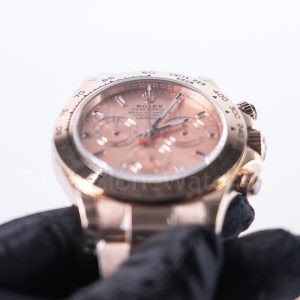
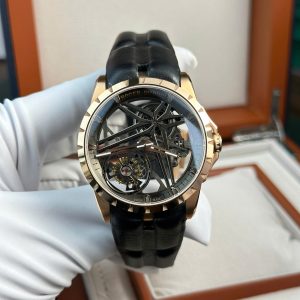
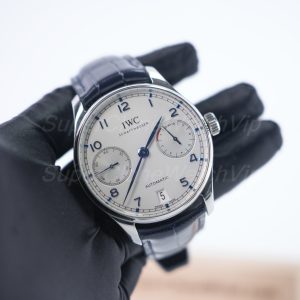
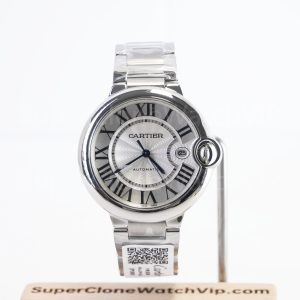
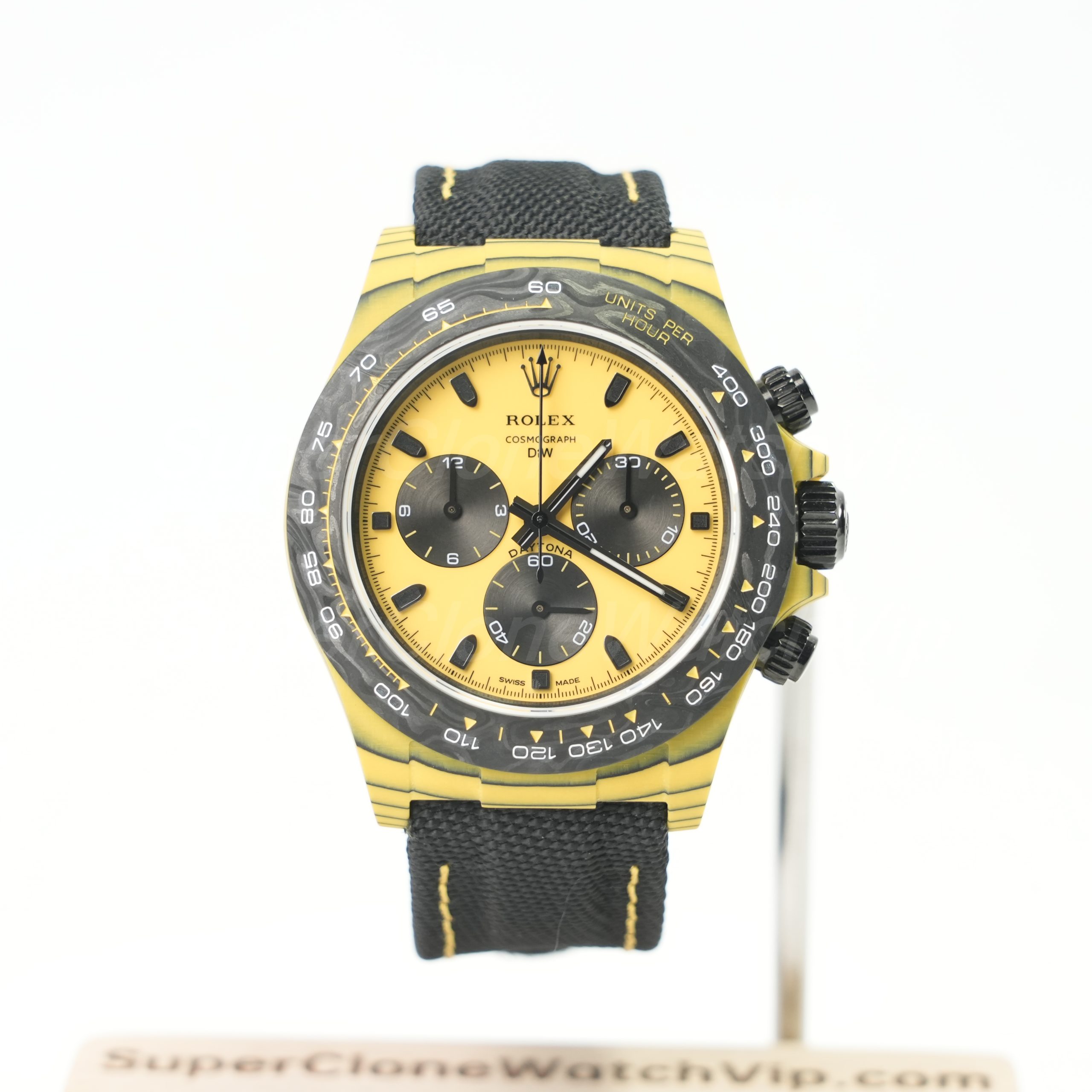
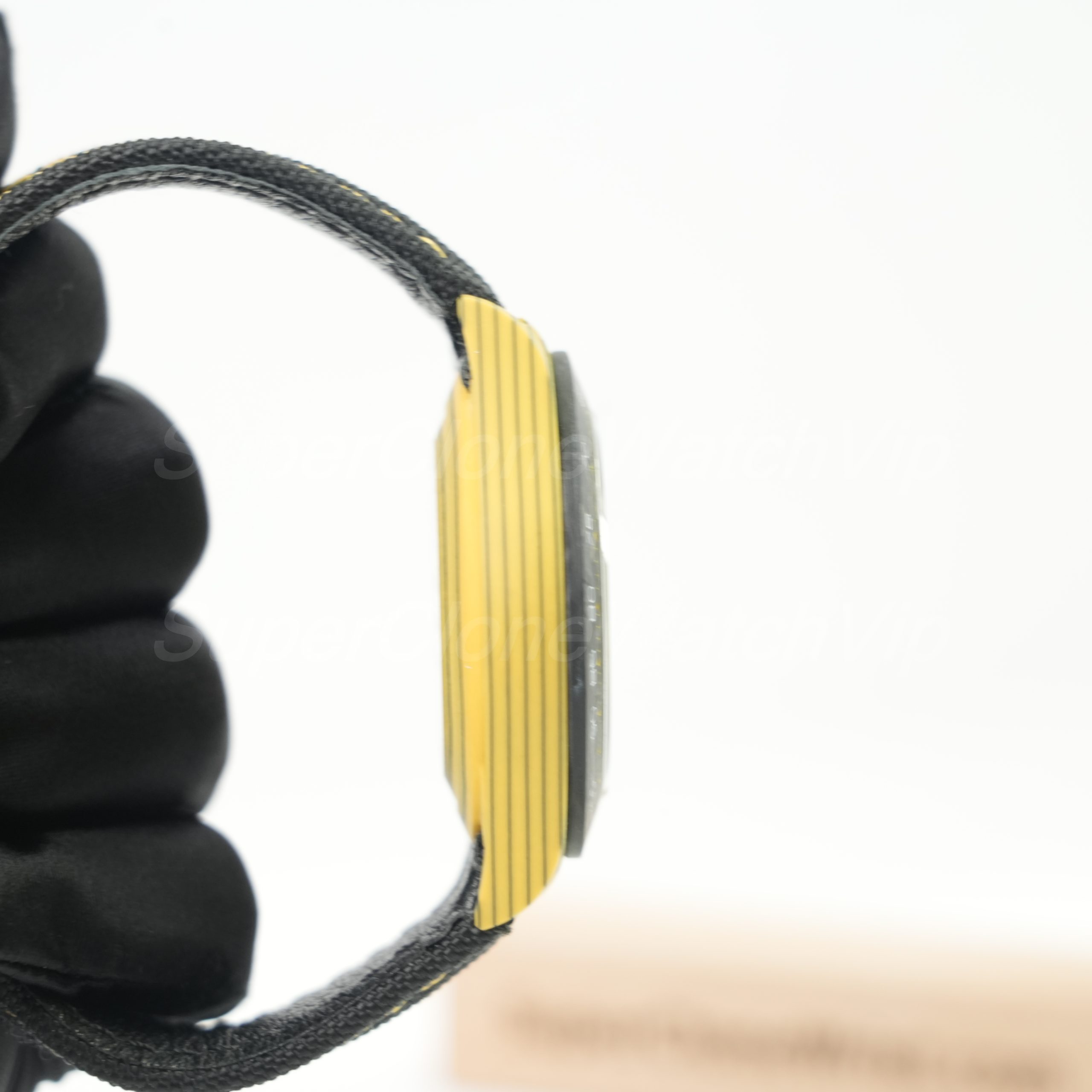
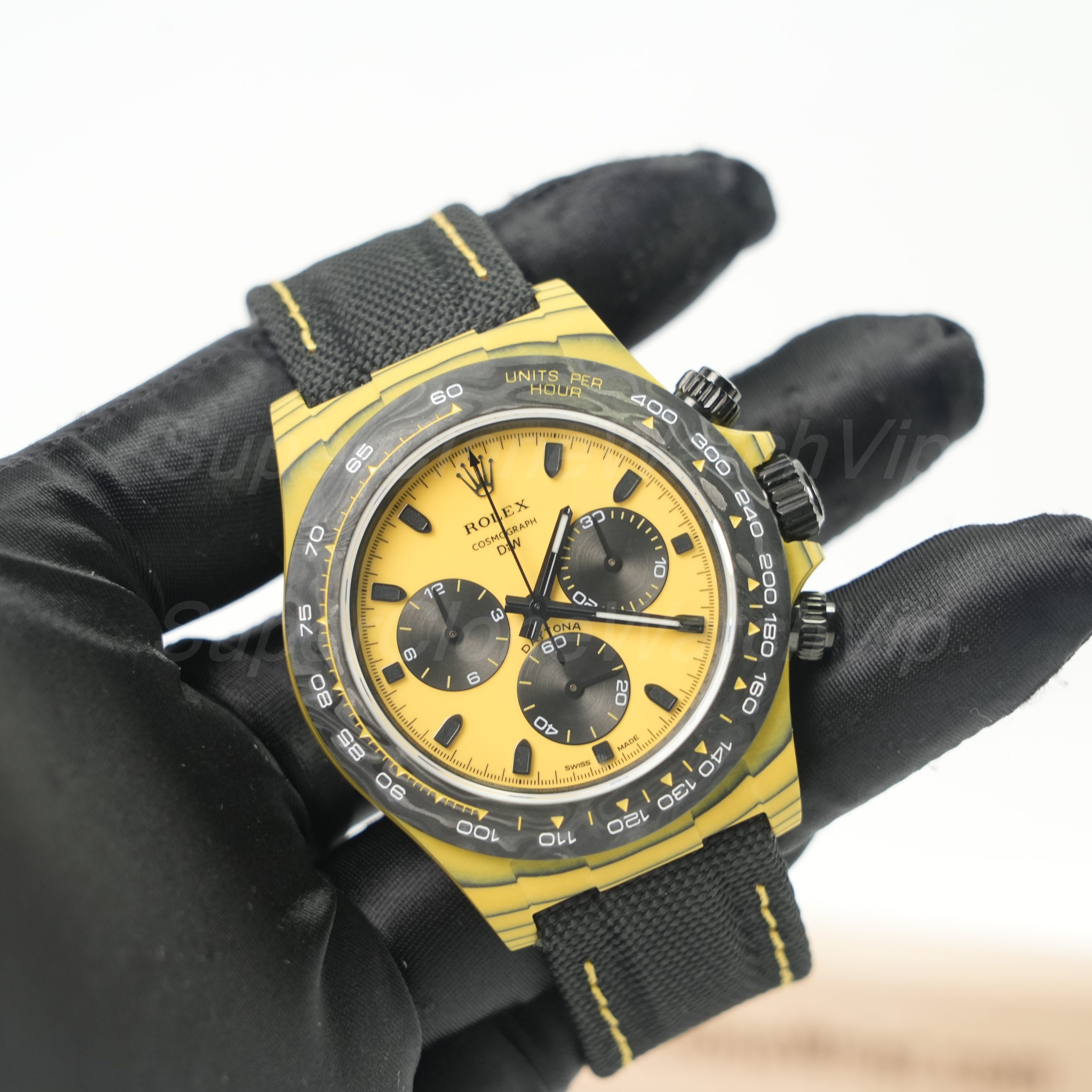
Next, product comparison should appear naturally inside the article. The models below are not random placements. Each one supports a different Daytona chronograph review angle: front dial contrast, side case profile, pusher placement, strap fit and bezel detail.
Which Daytona Style Fits Which Need?
First, not every Daytona style serves the same purpose. The right option depends on dial visibility, wrist presence, strap preference, metal tone and how much visual contrast is preferred.
Panda or High-Contrast Dial
A high-contrast dial works well when subdial visibility matters most. At the same time, it exposes hand alignment, subdial spacing and ring printing more clearly during QC review.
Carbon Fiber or Strap Daytona
A carbon-style or fabric-strap version creates a sportier profile. Therefore, strap fit, case-side finishing, pusher placement and bezel texture deserve extra attention.
Gold, Rainbow or Gem-Set Daytona
A high-visibility Daytona creates stronger wrist presence. However, the QC review should become stricter around bezel detail, stone-setting appearance, dial cleanliness, bracelet tone and clasp finishing.
Grey, Ice Blue or Less Common Dial
A less common dial is useful when the watch should feel different from a basic black or white Daytona. In this case, dial color, crystal clarity and marker alignment should be reviewed under clean lighting.
QC Photo Checklist Before Shipping
First, QC photos should show the actual prepared watch clearly. The review should not rely only on stock photos or one flattering angle. Therefore, the following checklist keeps the pre-shipping review practical.
- Straight dial photo: check whether the dial sits level and the subdials look balanced.
- Central chronograph hand: confirm the long hand rests cleanly at 12 o’clock after reset.
- Subdial spacing: compare left, right and lower subdial placement from a front view.
- Subdial hands: review each small hand for clean placement and obvious leaning.
- Dial printing: zoom in on logo-style text, minute track, lower lines and subdial markers.
- Hour markers: check marker alignment against the minute track and outer dial edge.
- Bezel scale: inspect number spacing, engraving depth, printing sharpness and 12 o’clock alignment.
- Crystal clarity: look for cloudiness, distortion, dust under the crystal or glare hiding the dial.
- Case proportions: review side photos for thickness, lug shape and overall balance.
- Crown details: check crown seating, crown guards and visible finishing around the tube.
- Chronograph pushers: compare upper and lower pusher size, spacing and angle.
- Pusher edges: inspect for rough edges, uneven polishing or visible gaps.
- Bracelet or strap finishing: compare brushing, polish, texture, stitching and end-link fit under normal lighting.
- Clasp finishing: review engraving, brushing, closure alignment and safety-lock appearance.
- Movement option: match the selected movement option with product details and support notes.
- Function video: request basic start, stop and reset confirmation when available.
- Factory version: compare the stated version with the selected product page and support notes.
- Final record: save QC photos and support notes before shipment approval.
Moreover, one photo can mislead if the watch is tilted. A full set of photos gives a better view. Front, angled, side, caseback, bracelet or strap, and clasp photos should be reviewed together.
However, QC photos should not be treated as a promise of perfect mechanical identity. They are practical visual records. As a result, unclear areas should be clarified through support before approval.
Related Models and Order Notes
First, the Rolex Daytona replica watches collection should be the main model hub for this topic. It allows Daytona styles to be compared by dial color, bezel type, bracelet style, strap option and available version.
Next, product pages help narrow the visual direction. A high-contrast dial supports clean subdial review. A carbon strap version supports a sportier wrist profile. A gem-set or high-color version creates stronger visual impact.
In addition, the Super Clone Watch QC Process should be reviewed before final approval. This page explains how pre-shipping photos and video proof fit into the order path.
Meanwhile, the Super Clone Watch Buying Guide is useful when comparing order steps, support communication, stock confirmation and version questions before payment.
Finally, the safest purchase path is simple. Compare the Daytona category, confirm the exact product, check the movement and factory notes, review QC photos, then contact official support if any photo or function detail needs clarification.
Before choosing
Start With the Daytona Collection
First, compare dial color, bezel type, strap or bracelet, and case tone inside the series page.
Before payment
Confirm Version and Movement
Next, confirm factory version, movement option and expected chronograph behavior before the order moves forward.
Before shipping
Review QC Photos Carefully
Finally, check dial alignment, case proportions, bracelet or strap finishing, crystal clarity, bezel details and pushers.
FAQ
What does the chronograph do on a Daytona-style watch?
A chronograph is a stopwatch-style function shown through the central chronograph hand, subdials and pushers. However, function depends on the selected movement option and version. Therefore, start, stop and reset behavior should be confirmed through product details, support notes and QC review before payment.
Why do subdials matter so much on a Daytona?
Subdials shape the entire Daytona dial. If they sit unevenly, the face can look unbalanced even when other details appear clean. Therefore, straight dial photos should be checked for subdial spacing, hand placement, printed markers, ring shape and visual symmetry before shipping.
Should the long central hand always move?
Not always. On many chronograph layouts, the long central hand works as the chronograph seconds hand. Meanwhile, the running seconds may sit inside a subdial. Because of this, function should be judged according to the confirmed movement option, not expectations from a simple three-hand watch.
What should be checked around the chronograph pushers?
The pushers should look even in size, spacing and angle. Also, the metal edges should appear clean, without rough gaps or messy finishing. In addition, side photos should show how the pushers sit beside the crown, because this area affects the entire case profile.
Can QC photos confirm every movement detail?
QC photos can confirm many visible details, but they cannot prove every internal movement detail. Therefore, movement option confirmation should come from the listing, support conversation and available function video. Dial layout, case thickness and pusher behavior should also match the selected version.
What is the safest review path before payment?
First, select the exact Daytona style from the relevant collection. Next, confirm the factory version and movement option. Then, review QC photos for dial alignment, case proportions, finishing, crystal clarity, bezel details and pusher placement. Finally, contact support when any photo is unclear.
Final Recommendation Before Payment
Overall, the Daytona chronograph is not only a decorative dial layout. It connects pushers, subdials, seconds display, bezel scale, case shape, finishing and movement option into one detailed watch design.
At the same time, no single detail should carry the whole decision. A clean subdial layout is important. However, case proportions, crown details, crystal clarity and clasp finishing also affect the final result.
- First, compare the exact dial, bezel and bracelet or strap style inside the Daytona collection.
- Next, confirm factory version, movement option and expected chronograph behavior before payment.
- Finally, review the QC Process and contact official support if any detail needs another photo or explanation.
In conclusion, this daytona chronograph guide should work as a practical QC reference, not as a promise of identical mechanical behavior. Review the collection, confirm the version, check the QC process and contact SuperCloneWatchVIP support before payment.
Related Reading
Continue with these related guides to compare Daytona models, understand QC photos and confirm factory-version details before payment.
Daytona model comparison
Best Daytona Super Clone: Panda, Racing and QC Guide
This guide continues the Daytona cluster with model comparison, Panda dial visibility, racing-style details, QC photo review and version selection notes.
Pre-shipping review
Super Clone Watch QC Process
Use this page to understand dial photos, side photos, clasp checks, video proof and approval steps before shipment.
Factory and version notes
Super Clone Watch Factory Guide
Read this guide when comparing factory names, version levels, movement options, model fit and QC expectations.