A watch bezel may look like a simple ring around the dial. However, it affects model identity, timing style, case profile, QC photo review, factory-version choice, and the final decision before payment.
Article Navigation
First, the bezel deserves more attention than a quick glance. It sits at the most visible edge of the watch face. Therefore, a small issue in alignment, insert fit, color, printing, brushing, or polishing can affect the whole front view.
At the same time, bezel design often explains why one model feels sporty, formal, technical, or travel-focused. A rotating dive bezel, a GMT 24-hour bezel, a tachymeter bezel, a fluted bezel, and an octagonal sports bezel all serve different purposes. As a result, the right QC review should match the exact model style.
What Is a Watch Bezel?
A watch bezel is the ring around the crystal. Usually, it sits between the case and the dial opening. In simple terms, it frames the watch face and helps define the case shape.
However, the bezel is not always just a frame. On some watches, it rotates for timing. On others, it carries a 24-hour travel scale, a chronograph tachymeter scale, a decorative fluted surface, or a strong case shape.
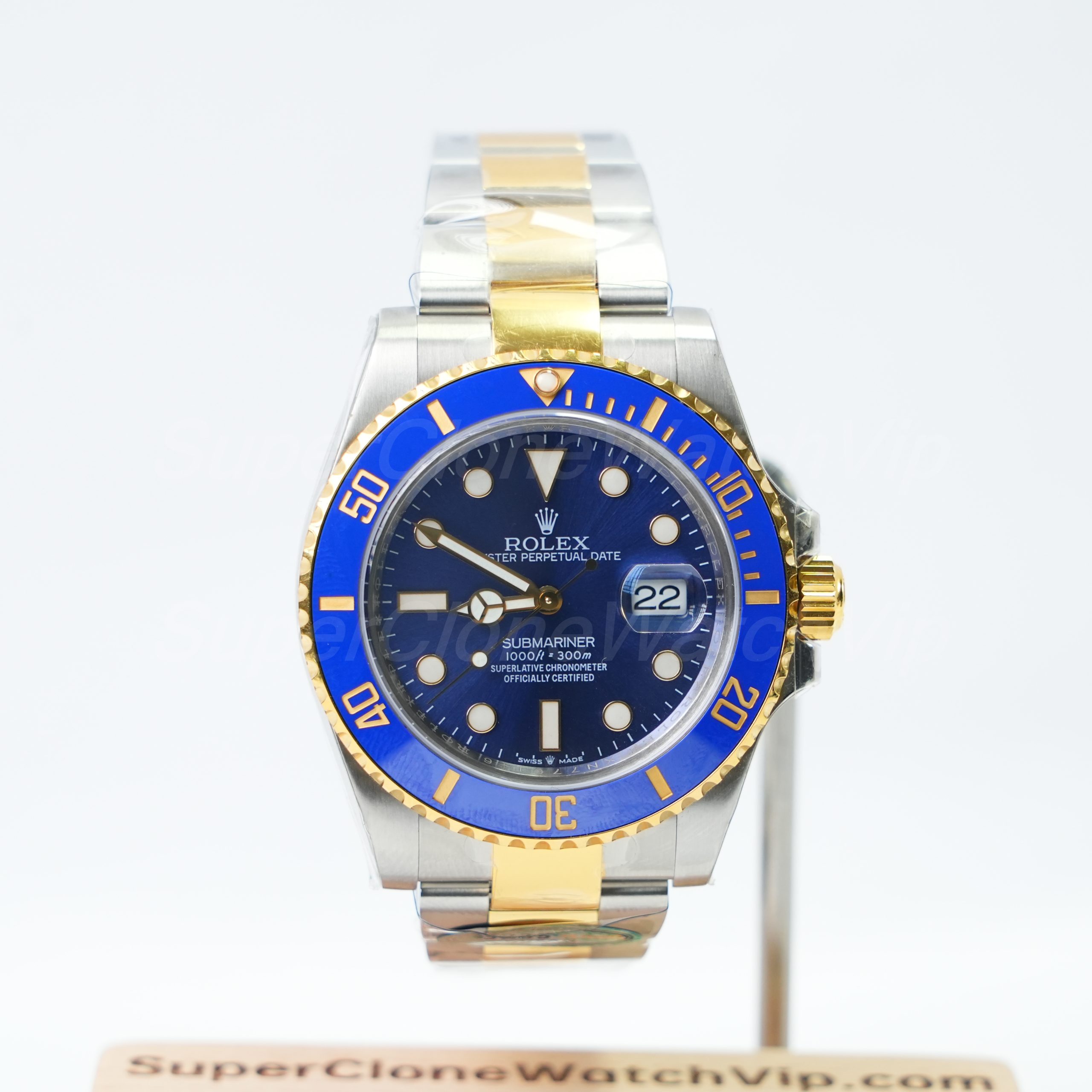
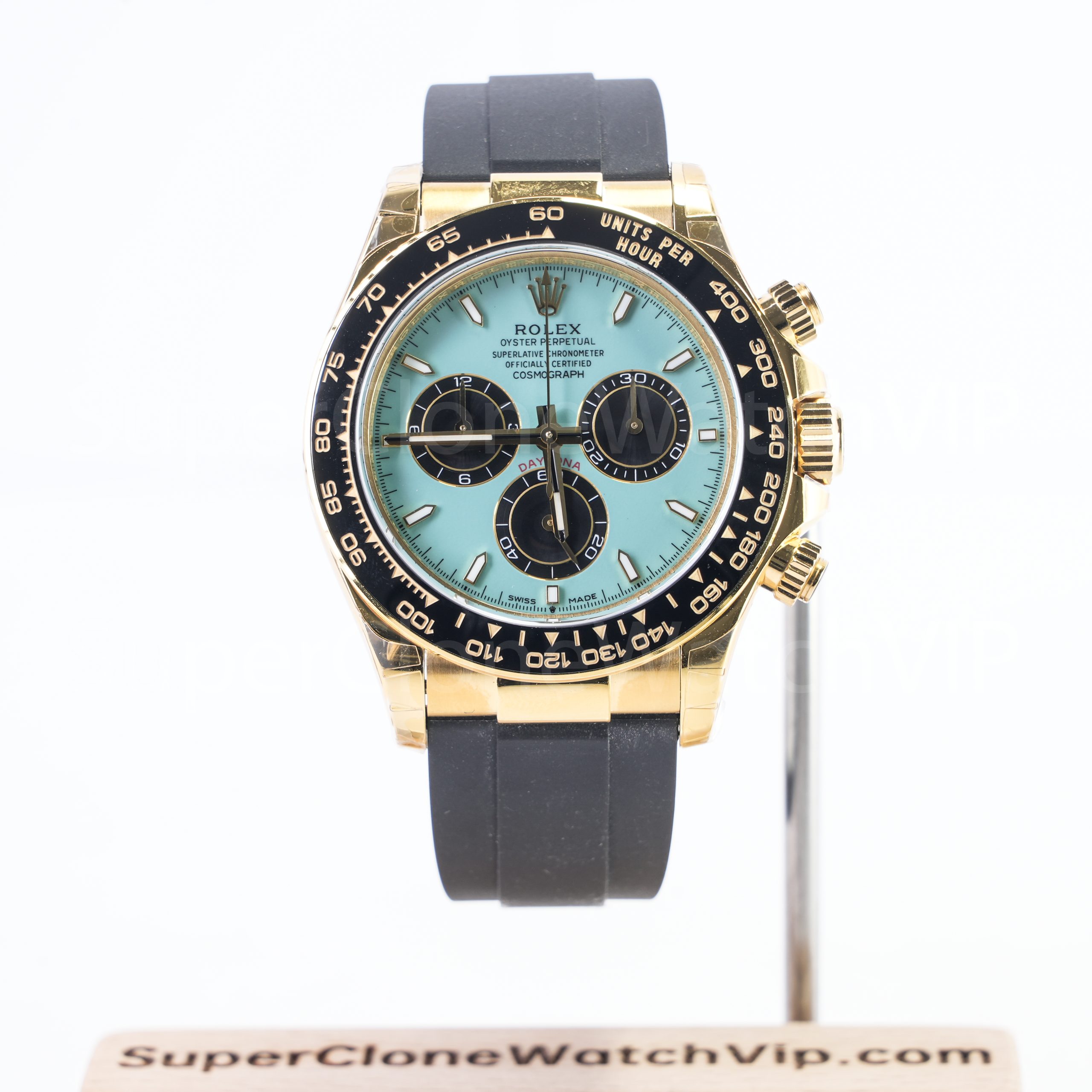
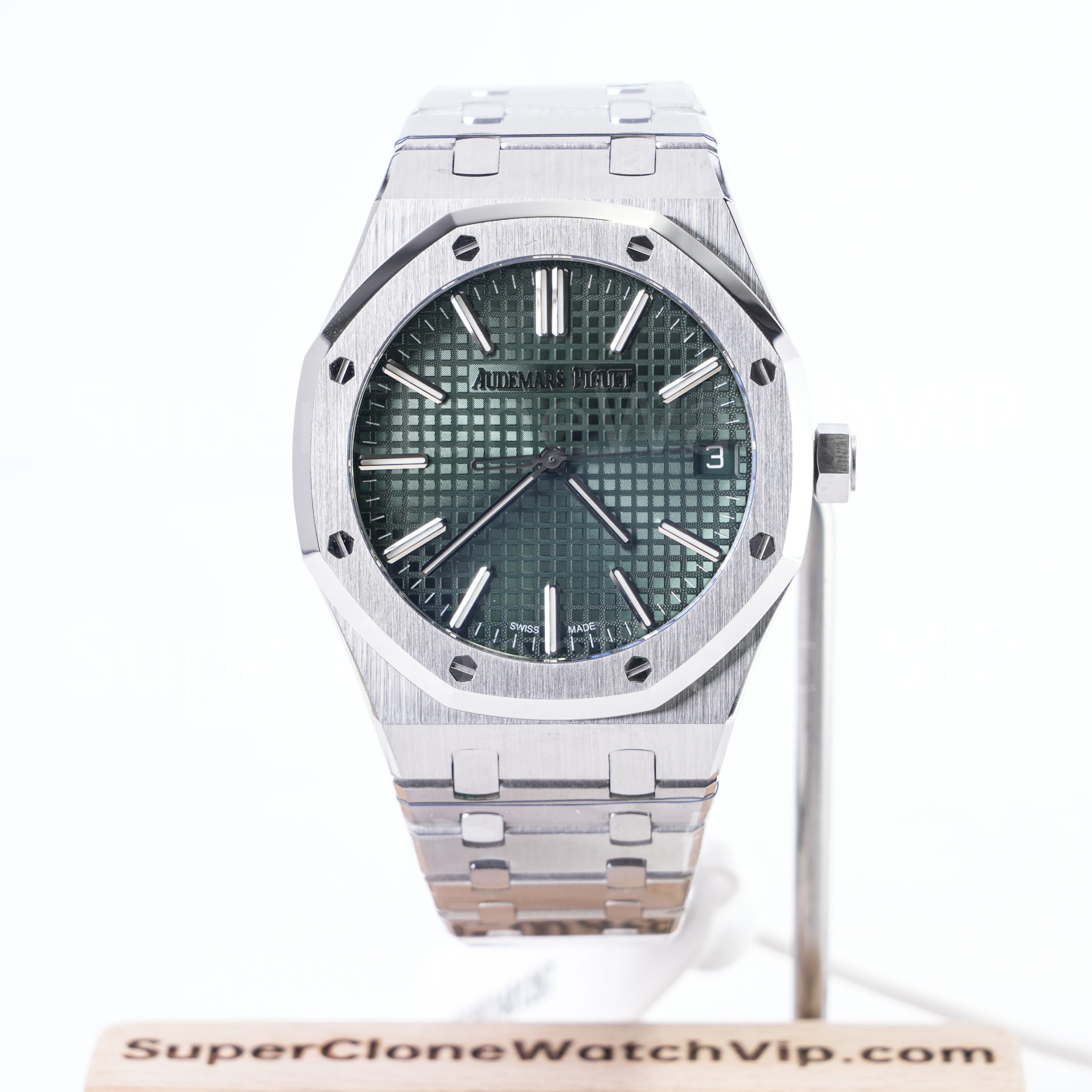
For example, a Submariner-style watch depends on a rotating dive bezel. A GMT-Master II-style watch depends on a two-tone 24-hour bezel. A Daytona-style watch depends on a tachymeter bezel. Meanwhile, a Royal Oak-style watch depends on an octagonal bezel with visible screws.
Why the Bezel Matters Before Choosing a Watch
First, the bezel controls the first impression. The eye reads the dial, then the bezel, then the case. Because of that, a misaligned insert or weak finishing can stand out quickly.
Moreover, the bezel often carries the most recognizable design language. A blue ceramic dive bezel feels different from a black tachymeter bezel. Likewise, an octagonal brushed bezel creates a different wrist presence from a smooth polished bezel.
In QC photos, the bezel can reveal assembly quality faster than many other parts. Alignment at 12 o’clock, insert seating, font filling, screw position, color tone, and side profile all help show whether the watch looks balanced.
Therefore, bezel review should sit beside dial printing, case shape, bracelet fit, clasp finishing, date window placement, and movement-option confirmation. A strong final choice comes from the whole watch, not one polished product photo.
Common Bezel Types and What They Do
Different bezel types need different checks. Therefore, a single generic photo review is not enough. The useful method is to match the QC focus with the bezel function and model family.
Smooth Bezel
A smooth bezel gives the case a clean and understated look. Since there are no numerals or inserts, polishing quality and crystal seating become the main QC points.
Fluted Bezel
A fluted bezel creates stronger light play. The ridges should look even, sharp, and consistent around the full ring without dull sections or uneven reflections.
Ceramic Bezel
A ceramic bezel usually brings deeper color and a glossy surface. The insert should sit evenly, while numerals and markers should look clean under neutral lighting.
Rotating Dive Bezel
A rotating dive bezel is used to show elapsed time. The 12 o’clock triangle, pip, minute scale, insert height, and rotation video all deserve review.
GMT Bezel
A GMT bezel uses a 24-hour scale. On two-tone designs, the color split, font thickness, 12 marker, and 24 marker should look balanced.
Tachymeter Bezel
A tachymeter bezel appears on chronograph-style watches. Since the scale has many numbers, printing sharpness and bezel height are important.
One more point matters for dive-style watches. The official ISO 6425 page explains formal requirements and test methods for diver’s watches. Therefore, a QC rotation video should be treated as appearance and function evidence, not as a water-resistance certificate. Reference: ISO 6425:2018 Horology — Divers’ watches.
Which Bezel Style Fits Which Watch Choice?
A useful article should help the next step feel obvious. Therefore, bezel type can be used as a simple decision filter before comparing factory version and QC photos.
Bezel-Focused Model Examples to Review
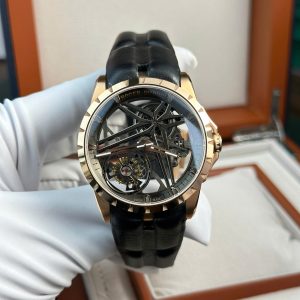
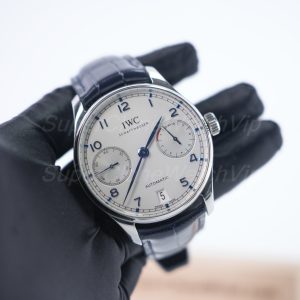
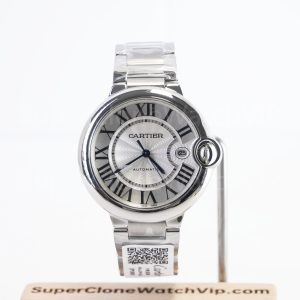
The examples below connect the education part with real model selection. Each image is clickable and leads to the matching product page. The buttons give a second clear path for checking details before asking about QC photos.
Key Details to Check Before Payment
Before payment, the bezel should be checked with model context. A dive bezel is judged by alignment and insert fit. A tachymeter bezel is judged by scale printing. An octagonal bezel is judged by geometry, screws, brushing, and bevels.
First, start with 12 o’clock. The bezel marker should line up with the dial marker and case center. If the front photo is tilted, another straight photo should confirm whether the issue is real.
Next, review the insert or metal surface. A ceramic insert should sit flush. A printed scale should look sharp. A brushed bezel should show clean grain. A polished bezel should reflect evenly without wavy edges.
Then, compare the bezel with the selected factory version. Different factory versions may have different case profiles, insert colors, movement layouts, and bracelet finishing. The Super Clone Watch Factory Guide helps explain why version choice should match the exact model.
Finally, check whether movement option changes the visual result. Chronograph models may show different case thickness. GMT models may show different hand stack appearance. Therefore, bezel review should always be paired with dial and side-profile photos.
QC Photo Checklist Before Shipping
Before shipping, QC photos should show the actual watch prepared for the order. A useful photo set includes a straight front view, angled views, side profile, bracelet view, clasp view, and close-ups when the bezel is a key design feature. The full workflow can be reviewed on the Super Clone Watch QC Process page.
- Check whether the 12 o’clock bezel marker aligns with the dial marker and case center.
- Confirm that the ceramic or metal insert sits evenly without raised edges or visible gaps.
- Review the bezel surface for cloudy finish, chips, rough edges, or uneven shine.
- Inspect engraved or printed numerals for clean shape, equal thickness, and tidy filling.
- Check whether the pip or pearl sits centered and level on dive-style bezels.
- Confirm that a rotating bezel returns cleanly to the zero position.
- Ask for video proof when rotation action, click feel, GMT movement, or chronograph operation matters.
- Review the side profile to confirm bezel height and case thickness.
- Compare brushed and polished areas for clean transitions and correct finishing direction.
- Check screw-set bezels for flush screw heads and consistent slot position.
- Review color depth under neutral lighting, especially on blue, green, black, and two-tone ceramic bezels.
- Confirm that the bezel type matches the product page and selected factory version.
- Check whether movement option changes case depth or bezel profile on chronograph models.
- Clarify any visible alignment issue before shipment approval.
This checklist keeps the review practical. It does not depend on unrealistic claims. Instead, it focuses on visible details that affect daily appearance, model balance, and confidence before shipping.
Factory Version, Movement Option and Bezel Fit
Factory version can influence bezel quality in several ways. One version may offer stronger insert finishing. Another may have a better case profile. A different option may focus more on dial texture, bracelet brushing, or movement layout.
Therefore, the bezel should not be judged alone. A clean insert can still look wrong if the case profile is too thick. Likewise, a strong case can lose appeal if the bezel printing looks soft or the screw alignment looks uneven.
Movement option matters most on chronograph and GMT-style models. For chronographs, movement layout may affect sub-dial spacing and case thickness. For GMT styles, hand stack and dial depth can change the visual relationship between the bezel scale and the hands.
For a complete order path, the Super Clone Watch Buying Guide explains how model choice, factory version, QC photos, support questions, payment steps, and shipping confirmation work together.
Related Models and Selection Notes
Different brand families use bezels in different ways. Therefore, the right review angle should match the watch design rather than follow a generic checklist.
Rolex-Style Sports Watches
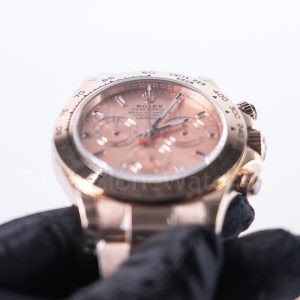
Rolex-style sports watches often place the bezel at the center of the design. The Rolex replica watches category is useful for comparing Submariner, GMT-Master II, Daytona, Datejust, and related model families.
For Submariner-style watches, check triangle alignment, pip position, insert height, ceramic tone, bracelet fit, and clasp action. For GMT-Master II-style watches, check the 24-hour scale, color split, GMT hand relation, and case-side balance.
Audemars Piguet Royal Oak-Style Watches
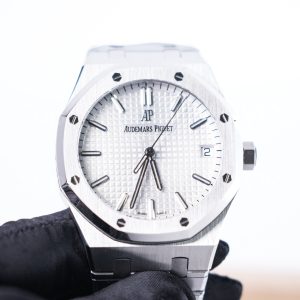
Royal Oak-style watches use the bezel as architecture. The octagonal shape, exposed screws, brushed surface, polished bevels, and integrated bracelet all need to work together. The Audemars Piguet replica watches category gives a practical starting point for this style.
For this case type, a front photo is essential. It should show whether the screws sit flat, whether the brushing runs cleanly, and whether the bezel shape looks balanced from side to side.
Patek Philippe Nautilus-Style Watches
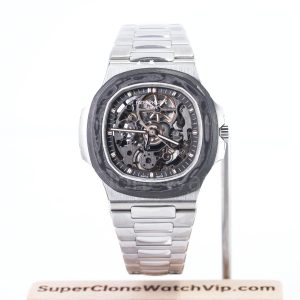
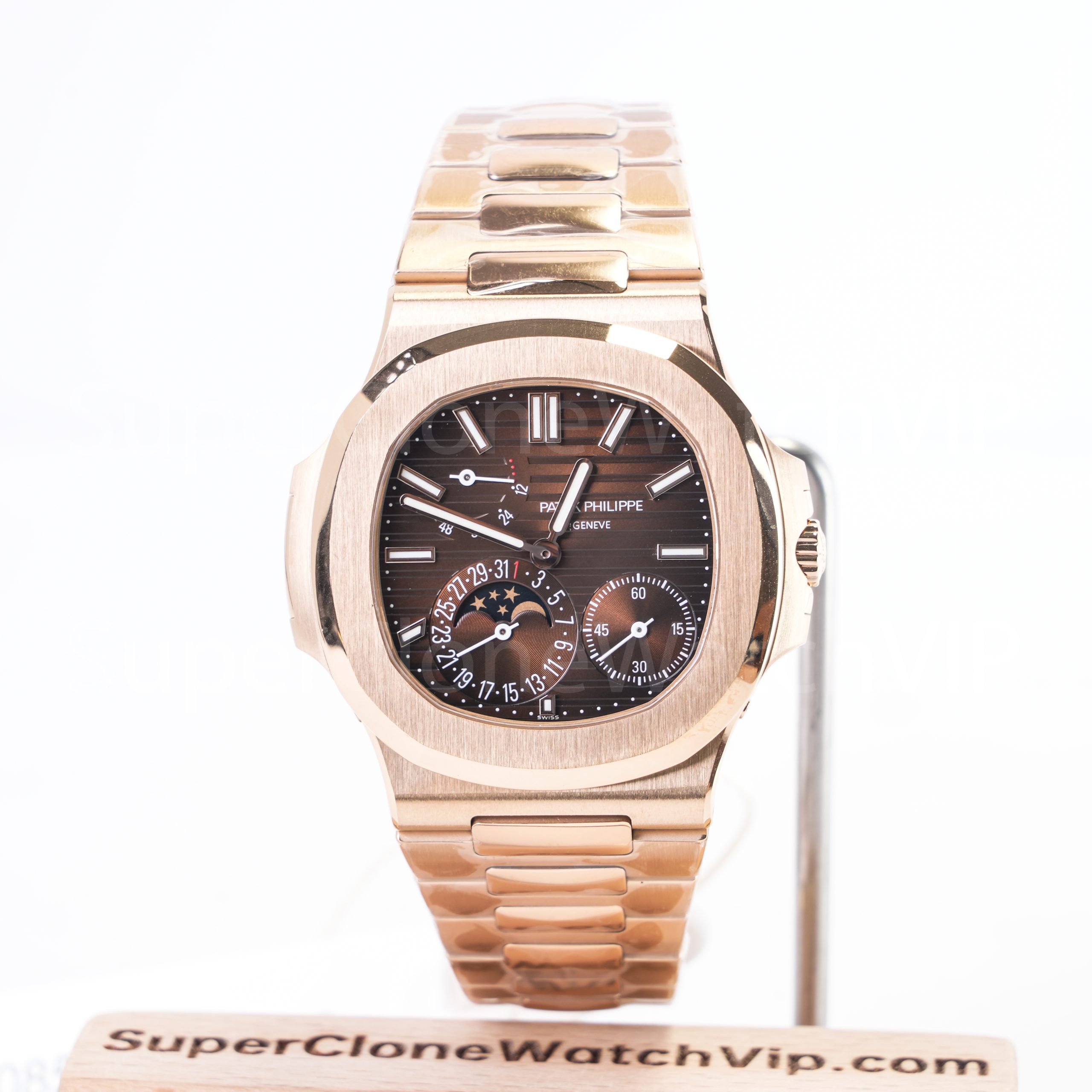
Nautilus-style watches use a softer integrated bezel. The rounded case line, horizontal dial texture, bracelet transition, and side profile should feel connected. The Patek Philippe replica watches category is useful for comparing this type of refined sports-luxury shape.
For this style, the bezel should not look too flat, too thick, or disconnected from the case ears. Front and side photos should be reviewed together before approval.
Common Bezel Issues Seen in Photos
Some issues appear often in photo review. Fortunately, most can be spotted with clear images and a calm comparison process.
Marker Misalignment
The 12 o’clock triangle, pip, 24 marker, or tachymeter reference may sit slightly off-center. A second straight photo should confirm the issue.
Uneven Insert Fit
A ceramic or printed insert may sit higher on one side. Angled photos usually reveal raised edges, visible gaps, or uneven seating.
Weak Font Filling
Engraved numerals may look shallow, thick, or messy. This matters most on ceramic GMT, dive, and tachymeter bezels.
Soft Bevels or Poor Brushing
Integrated sports bezels need clean grain direction and sharp transitions. Soft bevels can make the whole case look less precise.
FAQ
What is the main purpose of a watch bezel?
A watch bezel frames the crystal and helps define the case design. On some models, it also supports timing or travel-style reading. For example, dive bezels show elapsed minutes, while GMT bezels show a 24-hour scale. Therefore, it has both visual and practical value.
Is a ceramic bezel always the best choice?
Not always. Ceramic can offer deep color, clean shine, and strong marker contrast. However, some dress, vintage-style, or integrated sports watches look more correct with metal, smooth, fluted, or brushed bezels. The better choice depends on the model family, factory version, and QC photos.
What bezel detail should be checked first in QC photos?
Alignment should come first. The 12 o’clock bezel marker should line up with the dial marker and case center. After that, review insert fit, font quality, pip position, color depth, polishing, brushing, screw position, and side profile.
Does a rotating bezel prove water resistance?
No. A rotating bezel can show timing-style appearance, click behavior, and alignment. However, it does not prove pressure testing or water performance. QC video is useful for visible function review, but it should not be treated as a professional dive certification.
Why do Royal Oak-style bezels need special review?
Royal Oak-style bezels use visible geometry, brushed finishing, polished bevels, and exposed screws. Therefore, small issues are easy to notice. Screw seating, screw-slot consistency, octagonal shape, and brushing direction should all be checked in clear QC photos.
Can movement option affect bezel appearance?
Yes, especially on chronograph and GMT-style models. Some movement options can affect case thickness, sub-dial spacing, hand-stack appearance, or crystal height. As a result, the bezel should be reviewed together with dial layout, side profile, and factory-version notes.
Final Notes Before Ordering
The bezel is one of the clearest parts to review before approving a watch. It frames the dial, shapes the case, supports model identity, and often shows whether the assembly feels balanced.
In short, how watch bezels work is not only a technical topic. It is also a practical QC topic that connects model style, factory version, movement option, photo proof, and final order confidence.
- First, choose the bezel direction that matches the intended watch style: dive, GMT, chronograph, dress, or integrated sports design.
- Second, request QC photos that show bezel alignment, insert fit, side profile, finishing, bracelet connection, and clasp details.
- Finally, send the model link before payment and ask support to confirm stock, factory version, QC photos, and video proof when rotation or chronograph function matters.