For anyone comparing Rolex-style sports watches, rolex oysterlock clasp explained is a practical QC topic, not a small decorative detail. The clasp affects bracelet comfort, closing feel, visible finishing, and confidence before shipping approval.
Article Navigation
At first glance, the clasp may seem less important than the dial, bezel, or movement option. However, it is handled every time the watch is worn. It also appears clearly in wrist photos, side photos, and pre-shipment close-ups.
Therefore, weak engraving, uneven brushed surfaces, rough polished edges, raised clasp gaps, or crooked safety lock alignment can make an otherwise strong watch feel unfinished. A careful clasp review helps connect product interest with a clearer QC decision.
What Is the Rolex Oysterlock Clasp?
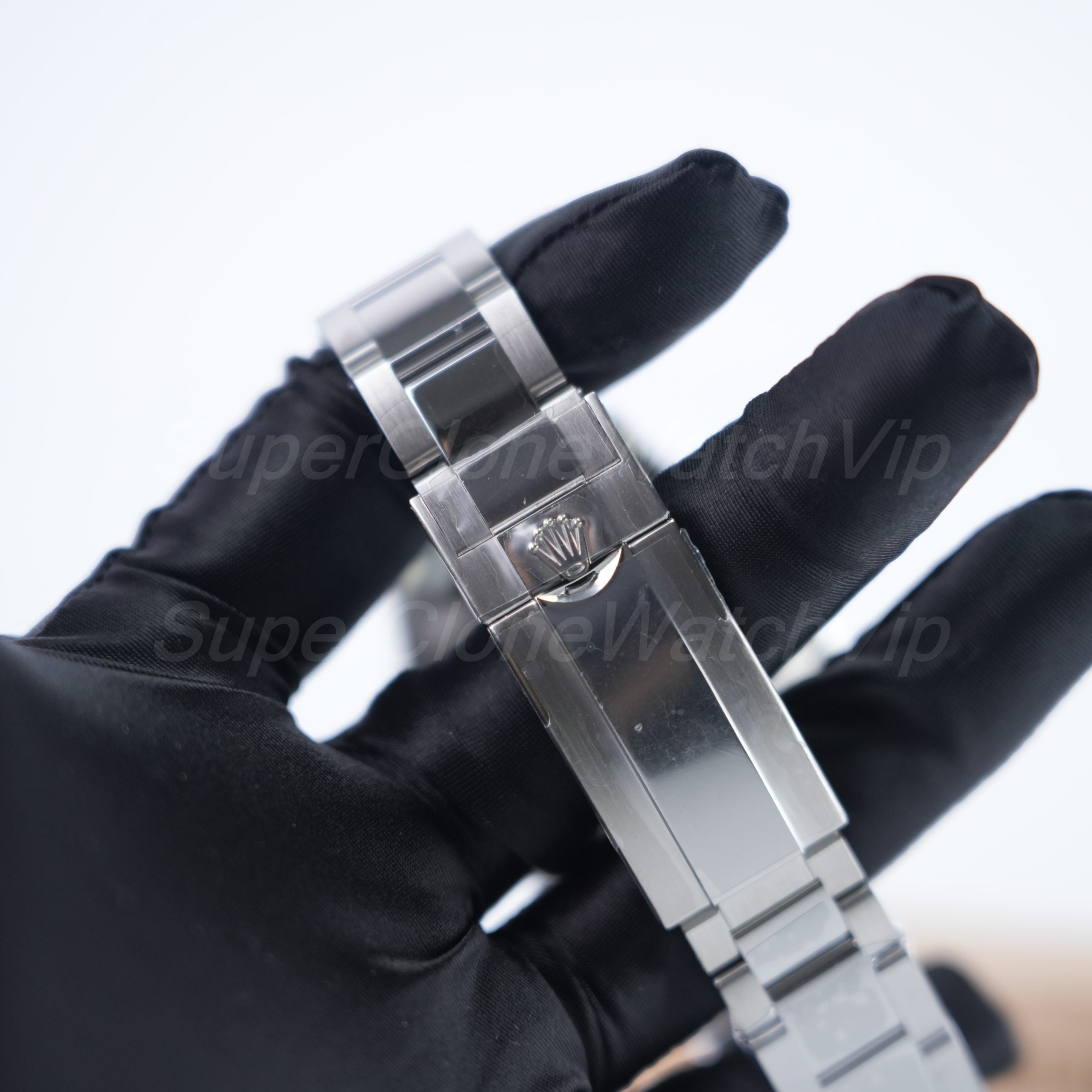
The Rolex Oysterlock clasp is a folding bracelet clasp design often associated with Rolex Professional-style sports watches. It works with the Oyster bracelet, which uses flat three-piece links and a sturdy daily-wear look. In simple terms, the clasp closes the bracelet, while the safety lock helps secure the cover.
However, this part is not only functional. It also affects how the bracelet looks from the side, how the watch feels when handled, and how clean the finishing appears in close-up photos. As a result, the clasp often becomes a key QC point before shipment.
For general terminology, the official Rolex bracelet feature page describes the Oysterlock as a safety-catch clasp used on Professional watches. This article uses that term only as a reference point, then focuses on practical QC review for Rolex-style replica watches. Read Rolex bracelet terminology reference.
At the same time, model context matters. A Daytona-style watch, a Submariner-style watch, and a GMT-style watch may show different bracelet proportions or clasp details. Therefore, the clasp should be checked against the selected model family, not against a random photo from another series.
Why the Clasp Matters in a Replica Watches QC Review
First, the clasp controls the daily wearing experience. A dial may look clean in a straight front photo, but the bracelet decides how the watch opens, closes, and sits on the wrist. If the clasp cover sits unevenly, the whole watch can feel less refined.
Moreover, the clasp is a common place for small finishing issues. It has folding blades, hinge points, engraved areas, brushed panels, polished edges, and moving surfaces. Therefore, it can reveal finishing quality faster than a flat bracelet link.
In addition, the clasp is visible during normal movement. When the wrist turns, the side edges catch light. Brushed grain, polished transitions, and clasp engraving become easier to notice. A cleaner clasp helps the bracelet look more coherent from more angles.
Comfort also matters. Rough edges may rub the wrist, while an uneven closure line may sit slightly raised. Tiny construction lines can exist on folding metal parts, but obvious gaps or crooked alignment should be checked before approval.
Practical takeaway: the clasp does not replace the full QC process. Instead, it adds bracelet finishing, safety lock shape, closure alignment, and engraving quality to the same review path as dial, case, crystal, bezel, crown, factory version, and movement option.
Who This Guide Is Best For
This guide is best for order reviews where the bracelet and clasp are highly visible. It is especially useful for Daytona, Submariner, GMT-Master II, Sea-Dweller, and other Oyster bracelet models. These watches place strong visual pressure on bracelet finishing.
It also helps when QC photos include clasp close-ups but the details feel hard to judge. For example, clasp engraving may look weak in one photo but clear in another. Meanwhile, bright lighting may hide brushing marks or polished-surface haze.
Additionally, this guide is useful when comparing factory version notes. A factory version may improve dial shape, bezel color, or movement option, yet still need a careful bracelet review. Therefore, the clasp should stay in the decision process.
However, this guide is not an authentication promise. It should not be used to claim perfect matching, waterproof performance, or original parts. The practical goal is simpler: review visible details, understand the model, and ask support for clearer QC photos before payment when needed.
Key Details to Check on an Oysterlock Clasp
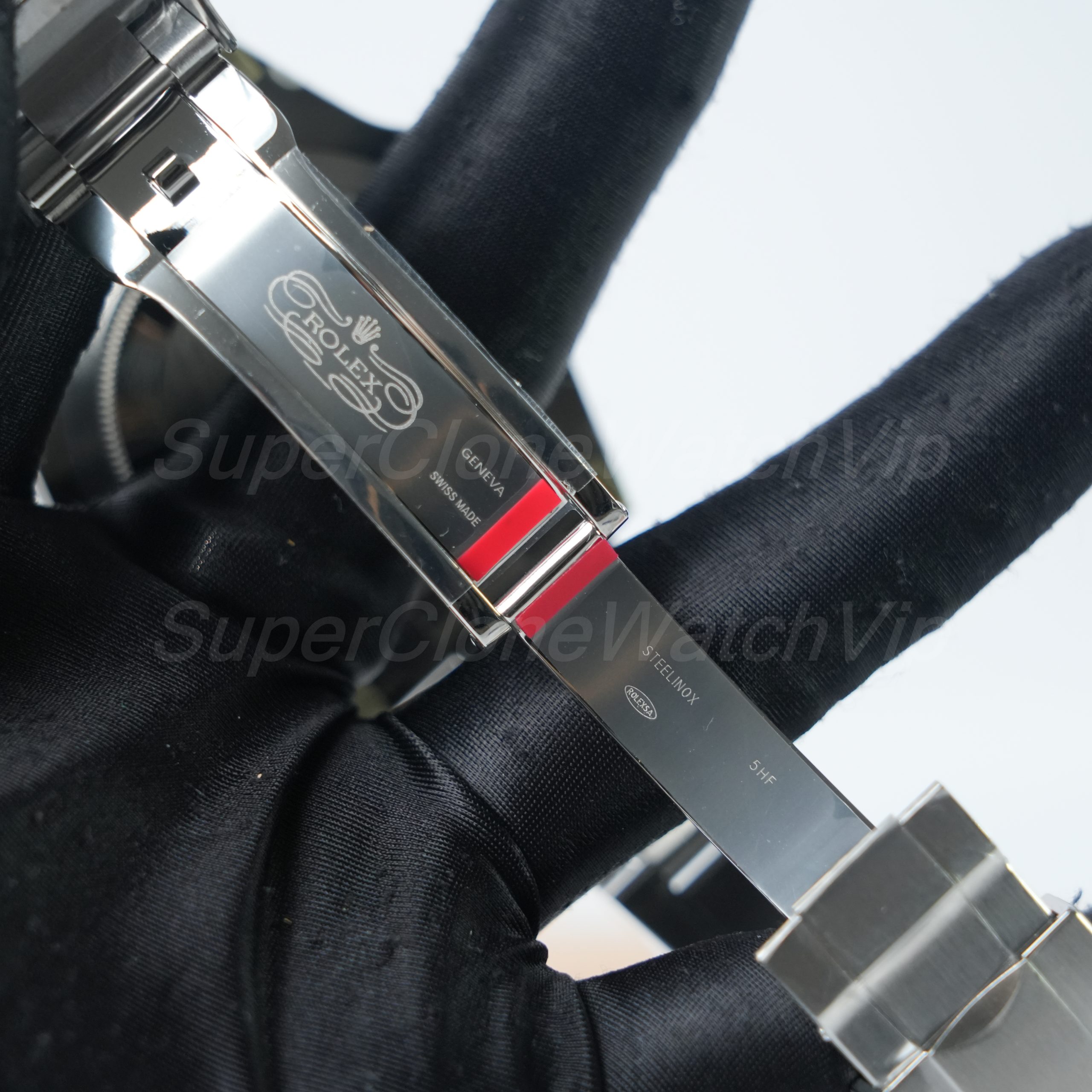
The first detail is clasp engraving. It should look centered, controlled, and clean. It should not appear overly deep, blurry, tilted, or scratched. In many QC photos, engraving issues appear most clearly under angled light.
Next, the safety lock shape deserves attention. The flip-lock should sit flat when closed. Its outline should look balanced from the front and side. If it sits high or leans to one side, the clasp may look less stable.
Additionally, brushed and polished surfaces should match the bracelet. Brushed sections should show straight grain. Polished edges should reflect cleanly without cloudy patches. When these surfaces do not match, the bracelet can look inconsistent.
Clasp gap is another useful checkpoint. A fine construction line can be normal on folding metal parts. However, a large or uneven gap may suggest poor closure alignment. Therefore, side photos are important.
Bracelet link finishing belongs in the same check. The clasp connects directly to the bracelet, so rough link edges or uneven brushing can affect the entire wrist feel. In short, the clasp review should always include the nearby links.
Engraving
Look for centered placement, clean edges, and consistent depth under a close-up clasp photo.
Safety Lock
Check whether the flip-lock sits flat and follows the clasp cover without visible tilt.
Surface Finish
Compare brushed grain, polished transitions, side edges, and nearby link finishing together.
Closure Line
Review side photos to see whether the clasp cover closes evenly along the bracelet.
Details on Super Clone Watches
On super clone watches, the clasp often shows the difference between an average bracelet and a more carefully finished version. A strong dial can attract attention first. However, the bracelet and clasp decide much of the handling experience.
Factory version matters because bracelet finishing is not always equal across versions. One version may improve dial printing, while another may offer cleaner brushing or better clasp alignment. Therefore, version discussion should include bracelet and clasp notes, not only movement notes.
Movement option still matters, of course. It can affect winding feel, hand setting, thickness, and service expectations. Still, it does not automatically improve clasp finishing. For that reason, a higher movement option should not replace visible bracelet QC.
Lighting also changes how the clasp looks. Bright light can hide uneven brushing by creating strong reflections. Meanwhile, soft side light can reveal scratches, grain direction, cloudy polishing, or small closure gaps. Therefore, a complete photo set is more useful than one attractive front image.
There is also a common comparison mistake. Some collectors compare every clasp against one online reference photo. However, clasp proportions can vary by model family, bracelet type, and selected version. A fair review compares the ordered watch with the correct model style.
Factory Version Reminder
Before approval, the selected model, available factory version, bracelet type, and movement option should be confirmed together. This keeps the review practical and avoids judging the clasp from a single isolated detail.
Model Examples: Where Clasp Details Are Easy to See
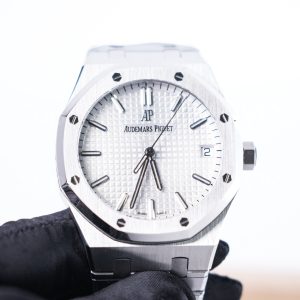
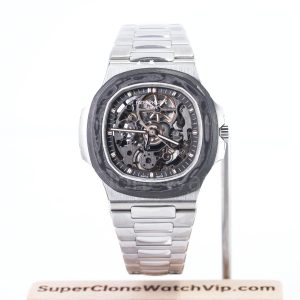
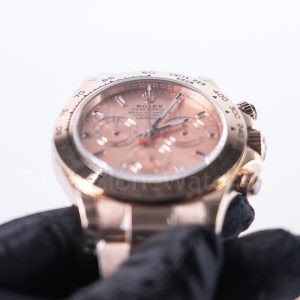
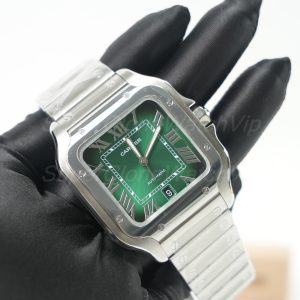
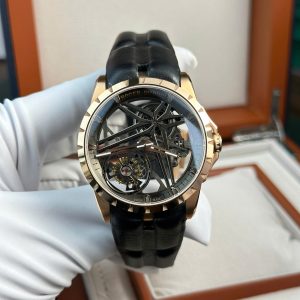
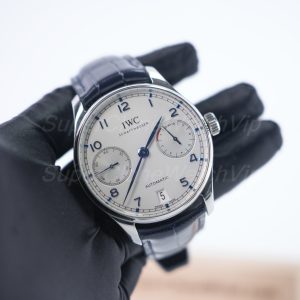
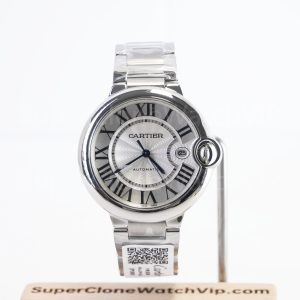
After the theory is clear, the next step is to compare real Rolex-style models where Oyster bracelet finishing is highly visible. Daytona and Submariner models are useful examples because the bracelet, clasp, bezel, dial, and case all carry strong visual weight.
The following product images are clickable, and each button opens the same product page. This keeps the reading path simple: learn the clasp detail, review the model, then confirm QC photos and support questions before payment.
QC Photo Checklist Before Shipping
Before shipping, the clasp should be reviewed together with the full watch. This approach keeps the inspection balanced. First, check the front view. Then, move through case, bracelet, clasp, crystal, bezel, and crown details.
- Check dial alignment from a straight front photo. Hour markers, hands, date window, and printed text should look balanced.
- Review case proportions from front and side angles. The case should not look overly thick, distorted, or uneven.
- Inspect bracelet and clasp finishing. Brushed grain should look even, while polished edges should appear clean.
- Check clasp engraving. The engraving should look centered, clear, and controlled.
- Review the safety lock shape. It should sit flat and align with the clasp cover.
- Compare the clasp gap from both sides. A fine construction line can be normal, but uneven lifting needs attention.
- Check closure alignment. The clasp cover should follow the bracelet line without obvious tilt.
- Inspect bracelet link finishing. Link edges should look smooth, and brushing should stay consistent across links.
- Review crystal clarity. The dial should remain clear through the crystal, without haze or strange distortion.
- Check bezel and crown details. Bezel alignment, crown guards, crown shape, and insert position should match the model style.
- Confirm factory version before approval. Bracelet and clasp quality can vary across versions and batches.
- Confirm movement option separately. Movement choice does not replace visible clasp and bracelet inspection.
- Request one additional closure photo if the clasp fit looks unclear.
- Avoid approval based on one hero image. A complete QC set gives a more honest view.
Overall, this checklist works best when the review stays calm and structured. A small surface mark may not matter in the same way as a crooked clasp cover. Therefore, every detail should be judged by visibility, function, and model relevance.
Need a Clear QC Review Path?
Use the QC process page to understand how model confirmation, photo review, clasp close-ups, and support communication work before shipping approval.
Related Models and Purchase Notes
Rolex sports-style models place strong attention on bracelet details. Therefore, the Oysterlock clasp is especially important when comparing Submariner, Daytona, GMT-Master II, Sea-Dweller, and similar Oyster bracelet watches. The clasp should support the model’s overall profile, not distract from it.
For Daytona-style watches, the dial, bezel, chronograph layout, case side, pushers, bracelet finish, and clasp should be checked together. A clean Panda dial is not enough if the bracelet feels visually weaker than the case.
For Submariner-style watches, the bracelet carries even more visual weight. The clasp should match the practical sports look. Meanwhile, bezel insert alignment, crown guards, crystal clarity, date magnification, and bracelet brushing should remain part of the same QC review.
For broader Rolex-style selection, the main Rolex category is a better starting point than a single product page. It allows comparison across Daytona, Submariner, GMT-Master II, Datejust, and other related collections before narrowing the review.
Rolex Collection
Compare Rolex-style models by case shape, bracelet type, dial layout, and QC support path.
Daytona Collection
Review chronograph layout, bezel printing, bracelet finishing, and clasp alignment by model.
Submariner Collection
Compare bezel alignment, crown profile, Oyster bracelet brushing, and clasp closure details.
Related Guides / Internal Links
A clasp guide works best when it connects to the wider decision path. The following pages support model selection, factory comparison, QC review, and general purchase preparation. They also help keep traffic inside the Rolex educational content cluster.
Super Clone Watch QC Process
Review how pre-shipment photos, clasp close-ups, and support communication work before shipping.
Super Clone Watch Factory Guide
Compare factory version notes by model, movement option, visible detail, and current availability.
Super Clone vs Replica Watches
Understand how model detail, bracelet finishing, factory version, and QC photos affect selection.
FAQ
What does the Oysterlock clasp do?
The Oysterlock clasp helps the bracelet close securely through a folding clasp structure and a small safety lock. During QC review, the key points are closure alignment, safety lock shape, clasp gap, engraving quality, and surface finishing. A clean clasp should look stable, neat, and consistent with the bracelet.
Why is the clasp a common QC problem area?
The clasp has moving parts, engraved sections, brushed areas, polished edges, and hinge points. Because of that, small finishing issues show more easily there than on flat links. Uneven brushing, rough edges, weak engraving, or a raised safety lock can affect both appearance and wearing comfort.
Can QC photos show how the clasp feels?
Photos cannot fully show opening and closing feel. However, they can show useful clues. For example, a raised clasp cover may suggest uneven closure. A tilted safety lock may suggest poor fit. When the clasp looks unclear, an extra side photo or short closure video can help.
Is a small clasp gap always a defect?
Not always. Folding metal parts can show a fine construction line. However, uneven lifting, obvious tilt, or a large side gap deserves closer review. Camera angle can also exaggerate gaps, so front, side, and underside photos should be compared before making a decision.
Should movement option be checked before clasp finishing?
Both details matter, but they answer different questions. Movement option affects winding, hand setting, thickness, and service planning. Clasp finishing affects wearing feel, bracelet appearance, and visible quality. Therefore, movement notes and clasp photos should be reviewed together before approval.
Which Rolex-style models need the most clasp attention?
Sports-style models need careful clasp review because bracelet finishing is highly visible. Daytona, Submariner, GMT-style, and similar Oyster bracelet watches should be checked for engraving, brushed grain, polished edges, safety lock shape, closure line, and nearby bracelet link finishing.
Final Summary and Action Notes
In summary, the Oysterlock clasp is a small part with a large role. It affects daily handling, bracelet appearance, and QC confidence. Therefore, it should be reviewed with the same care as dial alignment, case proportions, bezel details, crystal clarity, and crown shape.
At the same time, the clasp should stay in context. A clean clasp does not replace factory version confirmation or movement option review. Instead, it completes the final picture by showing whether bracelet finishing and closure alignment match the selected model.
For a stronger pre-shipment review, follow these three action notes:
- First, compare clasp engraving, safety lock shape, brushed grain, polished edges, and closure alignment under clear QC photos.
- Next, review the clasp beside the full watch, including dial alignment, case proportions, crystal clarity, bezel position, crown details, and bracelet finishing.
- Finally, check the relevant collection, read the QC Process page, and contact SuperCloneWatchVIP support before payment if any clasp detail looks unclear.
Review the Collection Before Payment
At the final stage, rolex oysterlock clasp explained should lead to a simple order path: confirm the model, review the factory version, inspect the QC photos, and approve only when the clasp and full watch details look consistent.