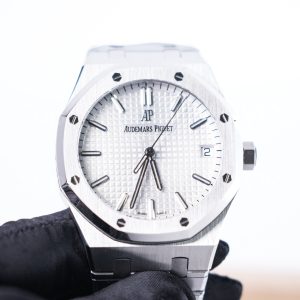
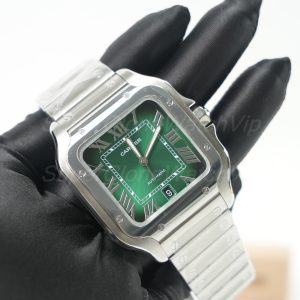
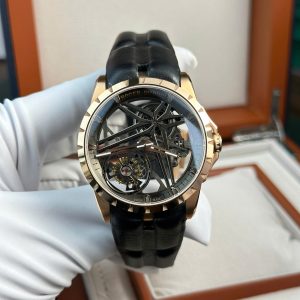
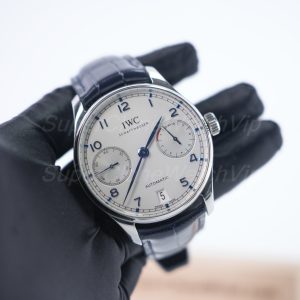
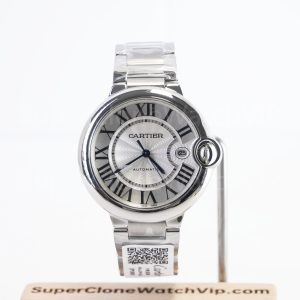
Two sellers show what appears to be the same watch. One listing says “replica watch,” while the other says “1:1 super clone,” yet the listings do not identify the same reference, current version, included functions or comparable QC evidence. In a super clone vs replica watches search, that is the real problem: the labels create expectations, but they do not prove which item is better.
Replica is usually the broader category term. Super clone is commonly used to signal a higher-detail claim, but it is not a standardized quality grade. A useful comparison starts only after the model, version, configuration and evidence have been placed on the same basis.
Why Sellers Use the Labels Differently
Terms such as replica watches, clone watches, high-grade replica, 1:1 and super clone are not controlled by one shared grading authority. A seller may use “replica” for every imitation watch on the site, while another may reserve the word for an entry category. The same inconsistency applies to “super clone”: it may describe a seller’s highest available version, a particular factory listing or simply a stronger marketing headline.
That does not make every label meaningless. A term can indicate the level of detail a seller wants the buyer to expect. What it cannot do is verify the exact watch, the version currently in stock or the functions that will be delivered. The table below separates a possible marketing meaning from the evidence still needed.
| Marketing term | What it may suggest | What it cannot prove | Evidence to request |
|---|---|---|---|
| Replica watch | A broad category for a watch made to resemble a known design. | Its grade, accuracy, material, movement, functions or QC standard. | Exact model, reference style, current version, actual-watch photos and function description. |
| High-grade replica | The seller is positioning the item above a basic listing. | A standardized threshold or consistent quality across different sellers. | A like-for-like specification, clear close-ups and the exact scope of QC. |
| Super clone | A higher-detail expectation for proportions, finishing or movement appearance. | That every example is superior to every item called a replica. | Same-model specifications, version confirmation, exact-watch QC and relevant function video. |
| 1:1 | An intended close resemblance to the reference design. | That every dimension, material, finish or function is measurably identical. | Reference details, stated dimensions when relevant, front and side photos, and configuration notes. |
| Factory version | A source or revision used to distinguish one production option from another. | That a factory name is equally strong for every model or that the quoted version is current stock. | Exact model, current factory/version statement, stock confirmation and actual-item QC. |
| Clone movement | A movement intended to resemble a layout, architecture or function set. | Origin, long-term reliability, complete function behavior or overall watch quality. | Exact movement name, layout images, written function list and an operation video where needed. |
| Swiss movement claim | A claim about the movement or components used in the watch. | Manufacturer, caliber, origin, condition or authenticity without supporting detail. | The stated caliber and origin in writing, plus function proof for the exact watch. |
| QC checked | The seller says an inspection took place. | That the inspection covered the exact item, the buyer’s priorities or every function. | Exact-watch photos, the views supplied, version confirmation and function video when relevant. |
For readers who still need the basic meaning of the term before comparing two listings, the separate What Is a Super Clone Watch? guide covers that narrower definition. This page stays focused on comparison rather than building another terminology glossary.
Compare the Same Model Before Comparing the Label
A label comparison is valid only when the underlying watches are close enough to be compared. A three-hand watch and a chronograph can carry similar marketing terms while having very different cases, dial layouts, movements and function requirements. A smaller version of a model may also use a different movement or date layout from the larger version.
Before deciding whether one listing deserves the stronger name, align four conditions:
If these conditions differ, the result is not really replica vs super clone watches. It is a comparison between two different products or service packages. Fixing the comparison set first prevents a stronger label from receiving credit for differences caused by model complexity or included service.
Construction and Finishing: What Can Actually Be Checked
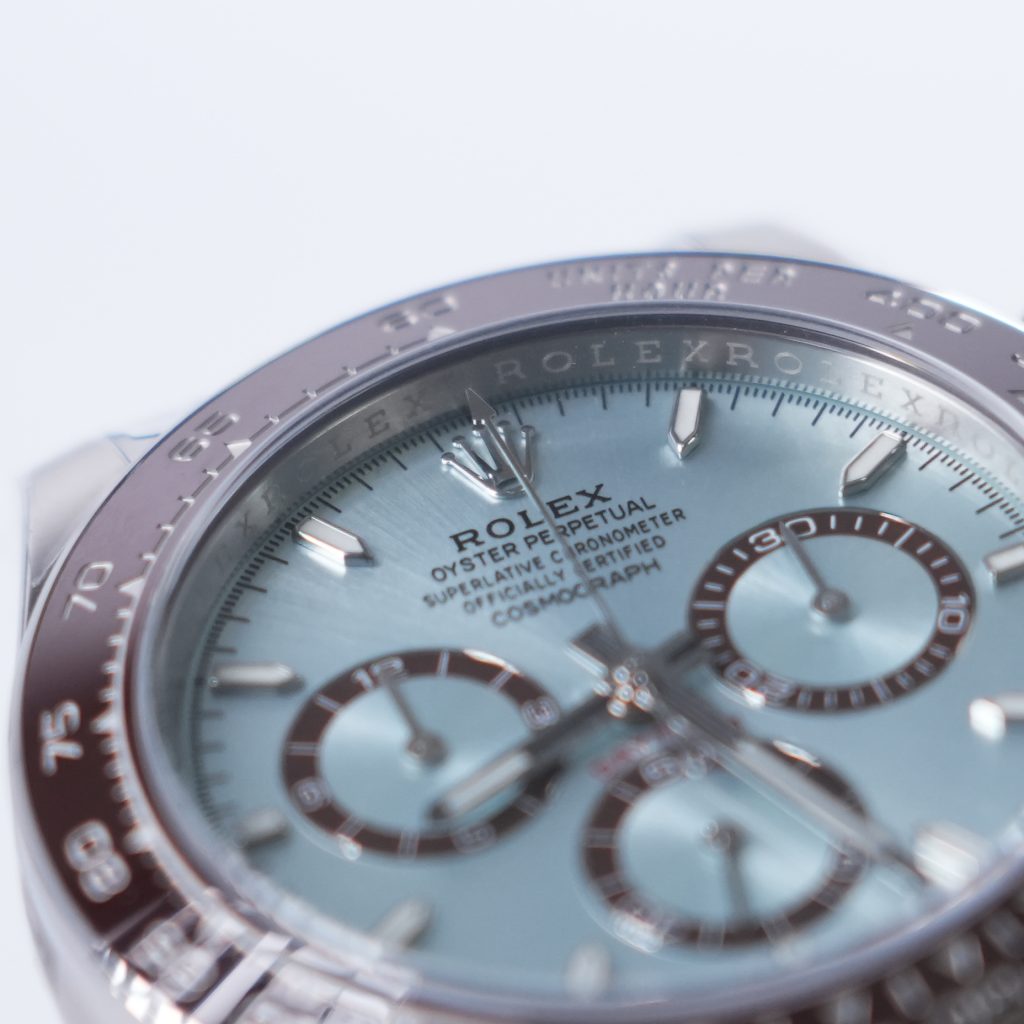
Once the model and version are aligned, photographs can reveal several useful differences. A straight front view can show dial printing, marker alignment, hand position, bezel centering and date-window placement. Side views help compare the case profile, lug shape, crown position and how the bezel sits above the case. Bracelet and clasp images can show link articulation, end-link fit, brushing direction, polished edges and visible clasp finishing.
These checks work best when both sellers provide similar angles, distance and lighting. A sharp macro image from one seller should not be compared with a compressed catalog thumbnail from the other. The evidence standard must be comparable as well as the watch.
Photos also have limits. They cannot establish long-term durability, verify every material claim, confirm water resistance or show the internal condition of parts that are not visible. The correct conclusion is therefore narrow: photographs can support a visible-finishing judgment, not a promise about everything the watch may do over time.
Movement and Function Claims Need Separate Evidence
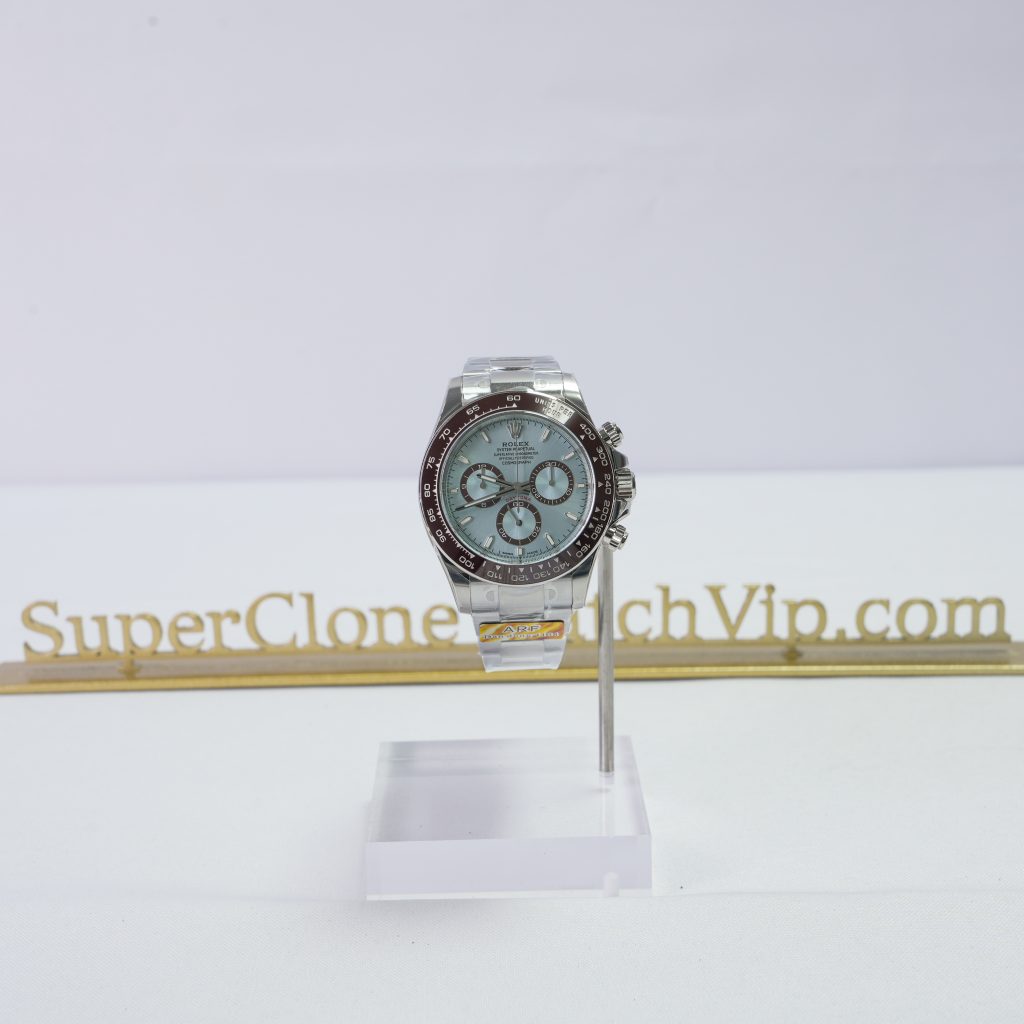
Movement language often receives more weight than it can support. A movement name may describe the base mechanism, the visual layout, a decorative bridge arrangement or a claimed clone architecture. None of those descriptions, by itself, defines the quality of the complete watch.
Separate the movement question into three parts:
- Identity: What exact movement or caliber does the seller state is installed in the offered version?
- Layout: Does the visible hand stack, sub-dial arrangement, date position or caseback appearance match the description?
- Operation: Can the seller demonstrate the functions that matter on the exact model?
Static photographs cannot demonstrate a GMT hand being set, a chronograph starting and resetting, a date quick-set operating or another moving feature behaving as described. When a function affects the buying decision, request a short video that shows the control being used and the relevant display responding.
This is also why a simpler movement claim can be better documented than a more impressive-sounding one. The stronger comparison is the claim that is clearly identified and supported, not the longest movement name in the listing.
QC Evidence and Seller Transparency
Evidence is useful only when it connects the marketing description to the watch being offered. Catalog photography shows a model direction. It does not confirm the exact item, current version or visible condition of the watch allocated to the order.
For a fair comparison, request the same evidence set from both sellers:
- Exact-watch photos: images of the specific watch rather than only a factory render or reused product photograph.
- Front and side views: enough coverage to inspect the dial, bezel, case profile, crown and visible alignment.
- Date and bezel evidence: clear positioning where the model includes these features.
- Bracelet and clasp views: end links, articulation, finishing and closure areas that are not visible from the front.
- Function video where relevant: proof for GMT, chronograph, date-setting or other functions that a still image cannot verify.
- Version and stock confirmation: a written statement connecting the quoted model, version and available item.
Seller transparency in this article means clarity about the product evidence above. It does not require turning the comparison into a full website-trust audit. The dedicated Super Clone Watch QC Process page shows the broader inspection workflow separately.
Why Prices Overlap Between the Two Labels
There is no dependable price boundary where replica ends and super clone begins. A watch listed simply as a replica can cost more than another seller’s super clone because the underlying model, version and included service are different. Two sellers may also use different labels for closely related stock.
Price can be influenced by several factors that exist independently of the headline term:
Compare the final quoted amount only after the model, version, configuration and included scope are aligned. Otherwise, the apparent price gap may come from missing functions or services rather than from the difference between replica and super clone watches.
The Risks of Treating “Super Clone” as a Guarantee
The term can be a useful signal of intended positioning, but it becomes risky when it replaces verification. Five assumptions cause most comparison errors:
- A more advanced name must mean a more accurate watch. The label sets an expectation; it does not confirm the exact version or item.
- A higher price removes the need for QC. Price cannot show alignment, visible finishing or function behavior on the allocated watch.
- Every model from one factory performs at the same level. Factory reputation does not replace model-specific comparison. The factory version guide covers that separate research task.
- The movement name represents the whole watch. Movement identity is one dimension alongside construction, finishing, assembly, functions and QC.
- “1:1” proves every measurement is identical. Without stated dimensions and comparable evidence, it remains a marketing description rather than a measurable certificate.
The practical safeguard is not to reject every marketing term. It is to give the term only the weight that its supporting evidence earns.
A Seven-Step Comparison Before Ordering
Use the same sequence for both offers. It keeps the decision attached to comparable facts rather than allowing one seller’s vocabulary to set the result.
How your priority changes the weight of the evidence
The seven steps stay the same, but different buyers can give more weight to different evidence:
FAQ
Is every super clone automatically better than a replica?
No. The name creates an expectation, but the result still depends on the same model, current version, visible finishing, functions and QC evidence. A well-documented item called a replica may be the stronger offer than an unsupported super clone claim.
Does “1:1” describe measurable quality?
Usually it is marketing language. Unless the seller also supplies a specific reference, relevant dimensions, configuration details and comparable photos, “1:1” should not be treated as a standardized or measurable grade.
Can movement type alone define the category?
It cannot. Movement identity is one comparison dimension. Case construction, dial and bezel work, bracelet finishing, assembly, active functions, version and QC evidence also affect the actual watch.
Why do prices overlap between replica and super clone watches?
Model complexity, factory version, functions, visible treatment, QC service, packaging and included support can differ. Because the labels are not fixed price grades, they do not create a dependable price boundary.
What evidence matters more than the product name?
The exact model, current version confirmation, actual-watch QC photos, necessary function video, configuration details and written confirmation of the quoted item provide more decision value than the headline label alone.
Compare the Offers in the Right Order
Do not begin by asking whether replica or super clone is better. First align the model. Then align the version, configuration and functions. Compare visible construction with equivalent images, request QC evidence to the same standard, compare the complete quoted price and choose the offer with the clearest proof.
That sequence turns super clone vs replica watches from a debate about seller vocabulary into a controlled comparison between two actual offers.
Need a like-for-like comparison?
Send the exact model, version and available QC evidence for a like-for-like comparison.
Send Model, Version and QC Evidence