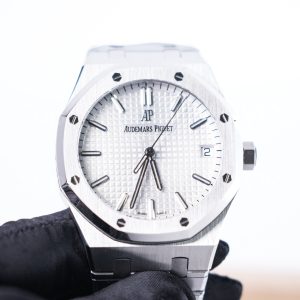
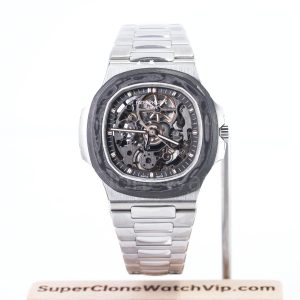
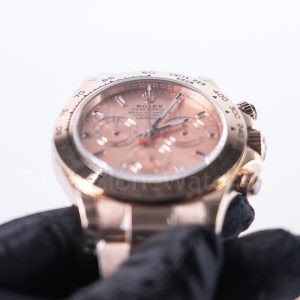
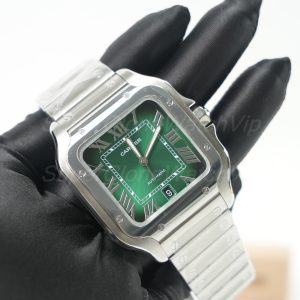
A useful super clone watches review should not depend on one polished product photo or a short comment. Instead, it should use a clear framework for the case, dial, bezel, bracelet, clasp, date window, factory version, QC photos, and video proof.
For wider model research, start with super clone watches, then compare current stock, model pages, factory version guidance, and pre-shipping evidence. This keeps the review practical, not vague or over-promotional.
Why a Review Framework Matters More Than a Single Opinion
First, a review should separate visible evidence from general feeling. A short comment may sound confident, yet it may not explain what was checked. Therefore, a stronger review needs repeatable points that can be compared across different models.
Meanwhile, factory version should be treated as one part of the decision, not the whole decision. A factory name may help narrow options. However, the exact model, current batch, stock status, QC photos, and video proof still carry more weight.
Also, a complete review should not stop at the front dial photo. The side profile, crown area, lugs, bracelet, clasp, date window, and movement function may reveal details that a straight front image can hide.
Practical rule: a useful review should answer four questions: what was checked, what proof was shown, what factory version was confirmed, and what still needs a clearer photo or short video before approval.
Visible Quality
Case shape, dial print, bezel alignment, bracelet finishing, clasp action, and date window centering should appear in clear evidence.
Version Clarity
The exact factory version should match the selected model, not a broad name used without current stock confirmation.
Pre-Shipping Proof
QC photos and video proof help confirm the actual watch prepared for shipment, not only a product display image.
Case Review: Shape, Thickness, Crown, Lugs and Bezel Fit
First, the case should be reviewed from several angles. A front photo may look balanced, but the side profile can reveal thickness, caseback depth, crown position, and crystal height. Therefore, a side photo should always be part of the review.
Next, lug shape should look even from left to right. Poor lug balance can affect how the bracelet sits against the case. Also, polished and brushed transitions should look controlled rather than soft, rounded, or uneven.
For sports models, the bezel deserves extra attention. The insert should sit evenly around the crystal, and the 12 o’clock marker should align with the dial. However, tilted camera angles can distort alignment, so a straight photo is important.
Case Details Worth Checking
At the same time, avoid judging water resistance from the case alone. Crown appearance and caseback fit may look clean, but that does not create a guarantee. A responsible review should focus on visible build, function checks, and practical confirmation.
Dial Review: Printing, Markers, Hands, Date Window and Rehaut
The dial usually receives attention first because it defines the watch face. However, dial color is only one part of the review. A stronger check looks at printing, marker placement, hand length, lume fill, minute track spacing, and date window position.
For example, dial text should look clean under close-up photos. Letter spacing should feel balanced, and the ink should not look heavy in one area and thin in another. Also, applied markers should sit straight without obvious glue marks around the base.
In addition, date models need a separate date window check. The numeral should sit close to the center of the opening. If a magnifier is present, the lens position and date visibility should be reviewed from a straight angle.
Dial Evidence That Should Appear in QC Photos
Also, dial color should be checked under more than one lighting condition when possible. Blue, green, brown, sunburst, and skeleton-style dials can shift under bright light. Therefore, one glossy image should not be the only reference.
Bracelet and Clasp Review: Fit, Finish, Flex and Daily Comfort
Although the dial attracts attention, the bracelet often decides how solid the watch feels in daily wear. Therefore, a useful review should check end links, link brushing, screw heads, taper, clasp closure, and bracelet movement.
First, end links should sit close to the case. Uneven gaps can make the whole watch feel less refined. Next, brushing should follow a consistent direction, while polished areas should look smooth without losing edge definition.
For integrated bracelet designs, the first links matter even more. The bracelet should flow naturally from the case. Otherwise, the watch may look stiff even when the dial and bezel appear strong.
Meanwhile, the clasp should close cleanly and sit flat. Inner clasp edges should not show rough burrs, and engraving should look neat rather than heavy. For current availability, compare related model options before requesting fresh QC photos.
QC Photo Checklist: Evidence Worth Reviewing Before Shipping
QC photos before shipping are the center of a practical review. Product photos show style, while QC photos should show the actual watch prepared for dispatch. Therefore, any final approval should return to the actual evidence.
For a structured pre-shipping path, use the QC photos before shipping page and request the angles that matter for the selected model. In addition, complicated designs may need video because movement and bracelet behavior cannot be judged well from still photos alone.
Additionally, video proof is useful for chronographs, GMT-style watches, rotating bezels, openworked dials, integrated bracelets, and complicated case shapes. For these models, request video proof before shipping to review movement and handling more clearly.
Factory Version Review: Compare the Exact Model, Not Only the Name
Factory version matters, but it should not replace visual review. A known factory may be discussed often for selected models, yet another model from the same source may need a closer check. Therefore, model-level evidence should guide the final decision.
For wider background, the factory version guide explains how version discussions connect with model choice, movement layout, stock, and QC photos. However, fresh evidence for the exact watch remains the more useful reference.
Moreover, old comments should not be treated as permanent truth. Batches can change, and available stock can move quickly. As a result, current QC evidence is usually more useful than older praise.
For broader intellectual property context, WIPO explains how counterfeit goods can involve unauthorized use of protected rights. This article stays focused on visible review evidence and pre-shipping checks.
Model Directions by Review Priority
Different watch styles need different review focus. A tool-watch style model needs stronger checks on dial clarity, fixed bezel engraving, GMT hand position, and bracelet fit. Meanwhile, skeleton and sapphire-style models need closer attention on case transparency, openworked dial structure, screw alignment, and video proof.
Therefore, the model direction should match the review priority. The following examples support different QC review angles, including tool-watch readability, skeleton dial depth, transparent case finishing, clasp checks, and pre-shipping video proof. Each image opens the relevant product page, and each button gives a clear next step.
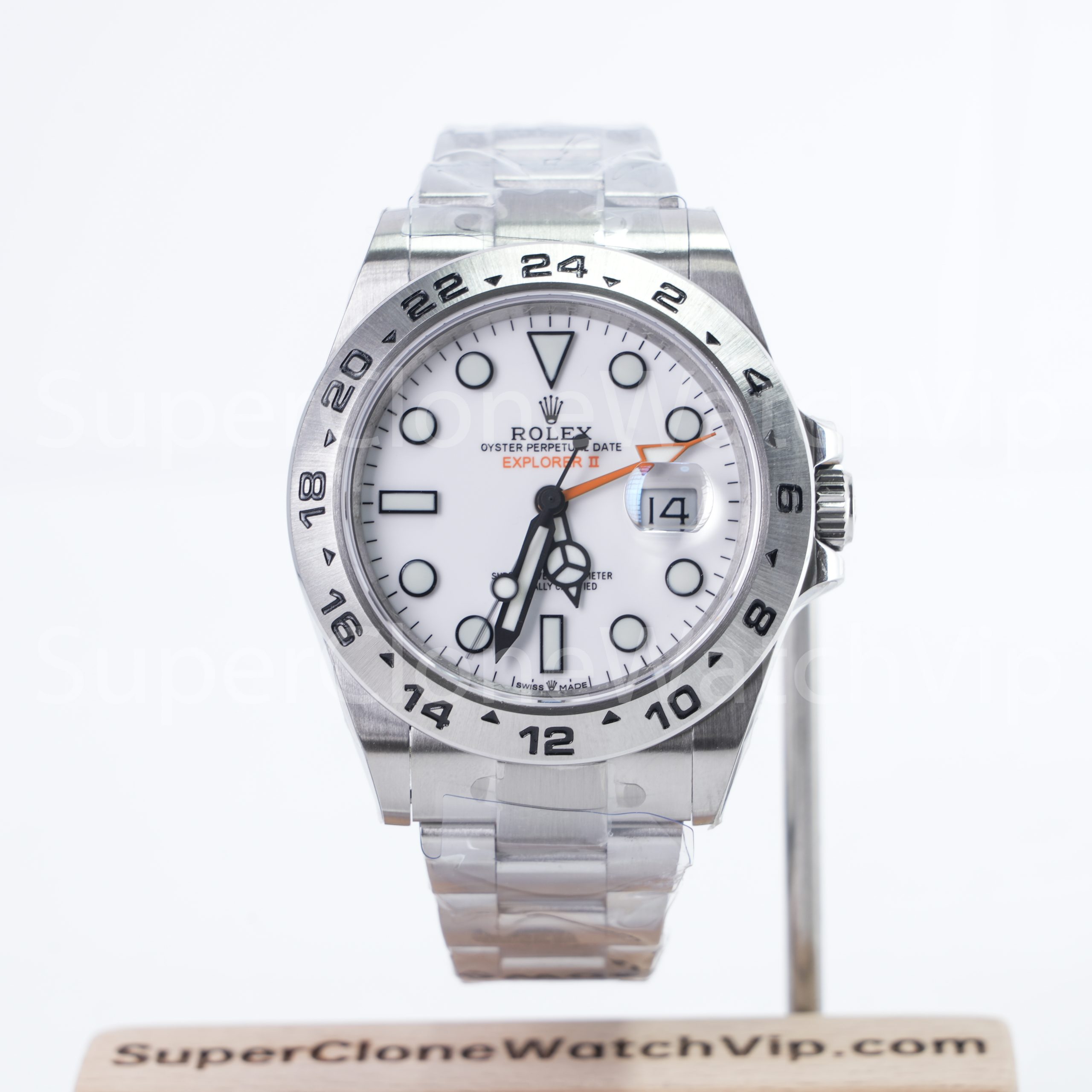
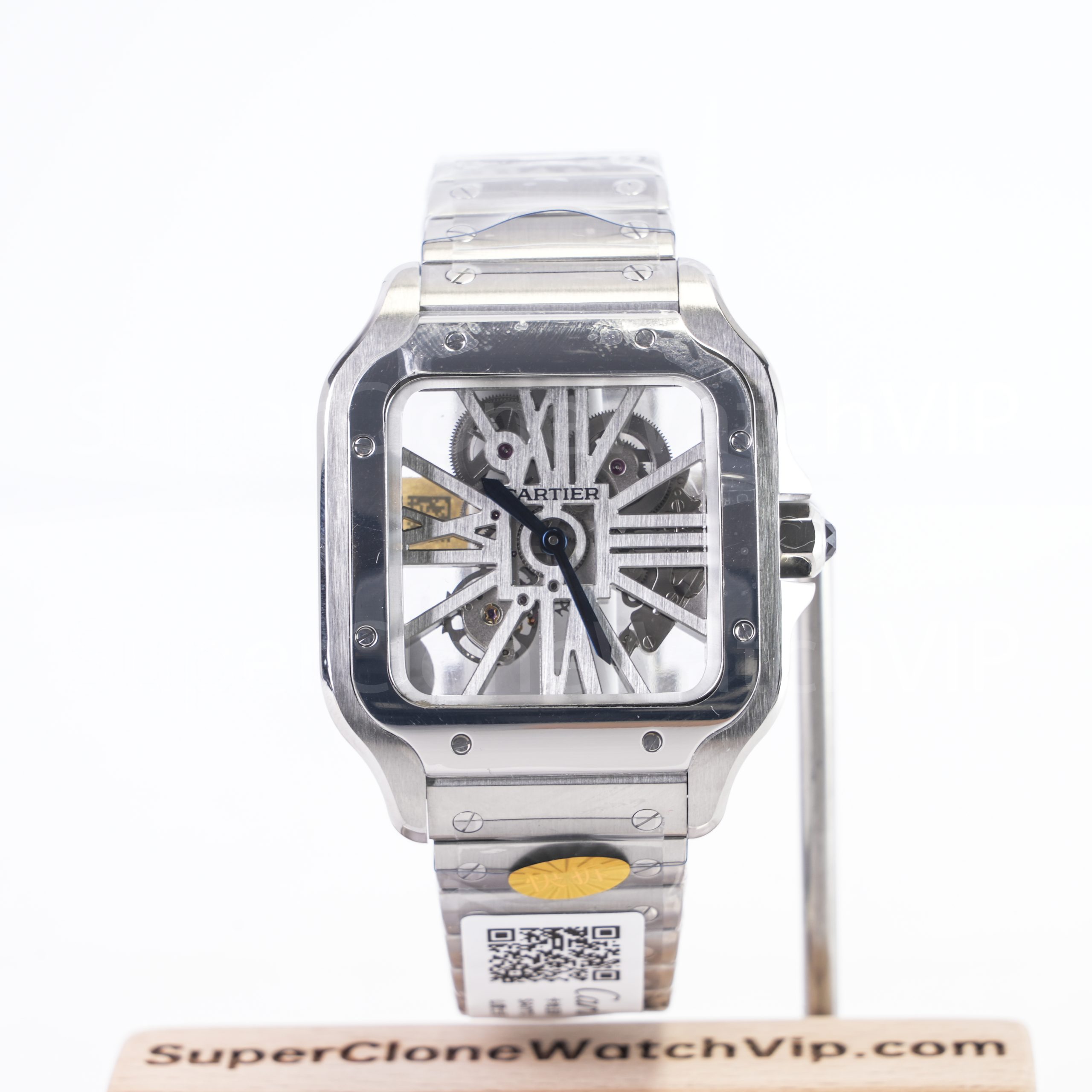

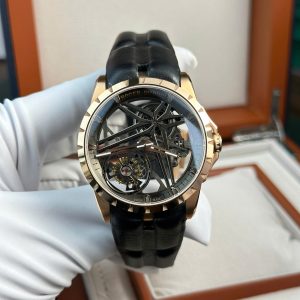
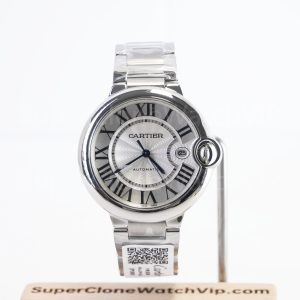
For tool-watch review, compare the Explorer II-style collection because dial clarity, fixed bezel engraving, GMT hand position, bracelet fit, and clasp condition are central. For square-case skeleton review, the Cartier-style collection helps compare exposed screws, case finishing, bracelet or strap options, and openworked dial layout. For transparent case and advanced skeleton styling, the Richard Mille-style collection is useful for checking case structure, screw detail, strap fit, and video proof before shipping.
A Simple Scorecard for Reading Watch Reviews
A review score should guide the process, not replace judgment. The goal is to identify what is strong, what is unclear, and what needs a follow-up photo or video.
Use five areas: case, dial, bracelet, factory version, and QC evidence. If one area is weak, the next step should be specific. For example, an unclear bracelet photo should lead to an end link or clasp close-up, not a full restart.
How to Turn the Review Framework Into a Clear Request
A review framework becomes useful when it turns into a clear message. Instead of asking a vague question, the request should include the target model, dial color, case size, bracelet choice, factory version preference, budget range, and receiving country.
For broader order preparation, the super clone watch buying guide helps organize model choice, QC review, movement questions, and shipping support. For this article, the focus remains narrower: case, dial, bracelet, QC evidence, and video proof.
Final Step: Confirm Stock, Factory Version, QC Photos and Video Proof
Before payment, send the target model, budget range, preferred factory version, receiving country, and any product link or reference photo. Then request current stock, factory version confirmation, QC photos, and video proof for moving details such as clasp action, crown operation, bracelet flex, bezel rotation, or chronograph reset.
For a direct support path, use confirm stock and QC photos. A focused message keeps the decision based on visible proof and gives the next step clearly.