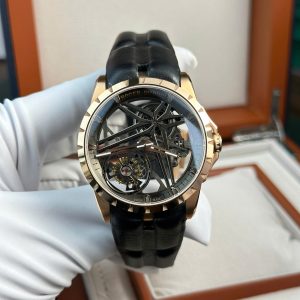
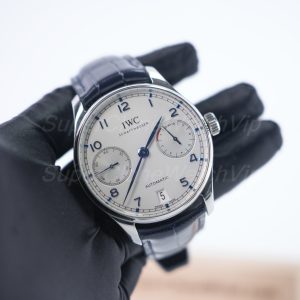
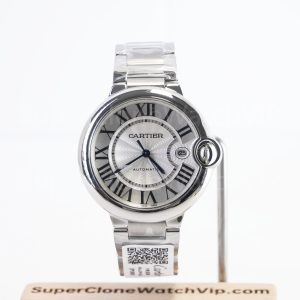
When comparing super clone watches vs replicas, the real gap is not the name alone. Instead, it appears in model accuracy, factory version, case finishing, bracelet feel, date alignment, function testing, and QC proof before shipment.
Therefore, this guide focuses on practical selection. It explains how to compare the same model by year style, budget level, factory version, visible detail, and final photo approval. The goal is simple: move from search intent to a clear model shortlist, then to stock confirmation and QC review.
This article is most useful when the model direction is already close, but the final choice still depends on quality level, factory version, budget, QC photos, and video proof.
Where the Quality Difference Really Shows
At first glance, many watches look similar in small product photos. However, the difference becomes clearer when the same model is compared through dial printing, bezel alignment, case profile, bracelet construction, and clasp finishing.
For example, a sports dive model depends on bezel insert fit, date window position, hand length, bracelet feel, and clasp closure. Meanwhile, a chronograph needs closer review of sub-dial spacing, pusher shape, ceramic bezel print, and function behavior.
In other words, super clone watches vs replicas should be judged by visible evidence. A label may set expectations, but photos, video proof, and factory version details decide whether the watch fits the intended use.
A realistic quality promise
A reliable comparison should stay clear and measured. The useful terms are closer proportions, cleaner finishing, stronger factory version matching, QC photos before shipping, and video proof for function checks.
Also, trademark and customs rules vary by country. For neutral background on global counterfeit trade, the OECD trade-in-fakes report gives broader context without replacing local rules, model checks, or order review.
Model, Year Style and Budget Should Come First
Before comparing this quality gap, the exact model direction matters. A clean daily watch has fewer visible risk points than a chronograph, GMT model, skeleton dial, or integrated-bracelet design.
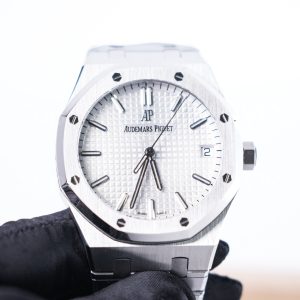
For a sports profile, Rolex-style model categories are often compared by bezel, bracelet, case size, date window, and clasp detail. For integrated designs, AP-style model categories need closer attention to bracelet articulation, bezel screws, case brushing, and dial texture.
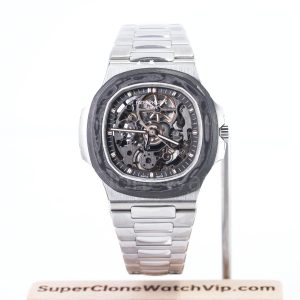
Meanwhile, Patek-style model categories usually depend on slim case shape, dial color, bracelet flow, and strap fit. As a result, the budget should match the detail level of the model, not just the title used in a listing.
For simple daily wear, a cleaner mid-level option may already make sense. However, a ceramic bezel, openworked dial, chronograph function, or complicated bracelet often deserves a stronger factory version and deeper QC review.
Factory Version Is a Model-Based Decision
Factory version is one of the biggest reasons two similar watches can feel different. One version may focus on case shape. Another may offer better bracelet finishing, dial color, bezel engraving, or movement appearance.
Therefore, the factory version guide is useful when comparing common factory names such as VSF, Clean, APS, ZF, 3KF, and other version labels. The stronger approach is to compare factory strengths by model, not by reputation alone.
Still, a factory name does not replace QC. Even a strong version needs clear photos of the exact watch. For that reason, best 1:1 replica watches are usually selected through model fit, factory version, stock status, QC photos, and video proof together.
Practical Comparison Table
The table below gives a clear way to compare quality levels before payment. It keeps the focus on visible details and order evidence, not broad claims.
| Check Point | Regular Level | Higher-Grade Level | Before-Payment Check |
| Case shape | May look close from a distance. | Usually shows closer profile and cleaner edge work. | Check lugs, crown guards, thickness, and side brushing. |
| Dial | Text weight and marker spacing may vary. | Printing, markers, and hands often look cleaner. | Check logo, minute track, lume plots, and hand length. |
| Bezel | Color tone or engraving may look uneven. | Insert fit and number depth are usually stronger. | Check 12 o’clock alignment, font, and insert height. |
| Bracelet | Links may feel lighter or less smooth. | Link finish and clasp action usually feel better. | Check end links, screws, brushing, and clasp closure. |
| Date window | Date may sit high, low, or off-center. | Date font and lens position are often cleaner. | Check centering, font, window edge, and magnifier position. |
| Functions | Function proof may be limited. | Video can show setting, winding, and extra functions. | Check GMT hand, chronograph reset, bezel rotation, and setting action. |
QC Photo Checklist Before Shipping
QC is where the comparison becomes practical. A listing can show the model direction, but the QC photos before shipping page explains how actual-watch photos help reduce uncertainty before shipment.
When reviewing super clone watches vs replicas, the same checklist should be applied to each option. In addition, models with date windows, ceramic bezels, skeleton dials, integrated bracelets, GMT hands, or chronograph functions need closer review.
Check logo position, marker alignment, text weight, hand length, lume plots, and dial color.
Check 12 o’clock alignment, engraving depth, insert fit, number spacing, and color tone.
Check lug shape, side profile, crown guards, caseback fit, brushing, and polished edges.
Check end links, screw finish, link flexibility, brushing direction, and bracelet-to-case fit.
Check logo detail, safety lock, engraving depth, brushing direction, and closure feel.
Check date centering, font weight, window edge, and magnifier position across more than one date.
Check winding, time setting, date change, GMT hand, chronograph reset, and bezel rotation.
Request a short clip for dial close-up, clasp closure, wrist angle, and basic function behavior.
For complicated functions, video proof before shipping is helpful because still photos cannot show winding feel, chronograph reset, GMT hand action, or bezel rotation.
Natural Product Path: From Model Choice to QC Request
After the model direction is clear, stock and QC evidence become the next step. For that reason, the ready-to-ship model page works well for checking available options, factory version status, QC photos, and video proof.
This path fits the topic because the comparison should not end with theory. A practical order flow starts with a target model, then moves to stock status, factory version, visual checks, and contact confirmation.

Omega Seamaster-style dive model
Best fit for checking bezel insert fit, vintage dial markers, broad-arrow hands, case profile, bracelet finishing, and sports-watch balance.

AP Royal Oak-style bracelet model
Best fit when the comparison depends on octagonal bezel shape, screw alignment, dial texture, integrated bracelet finishing, and case brushing.
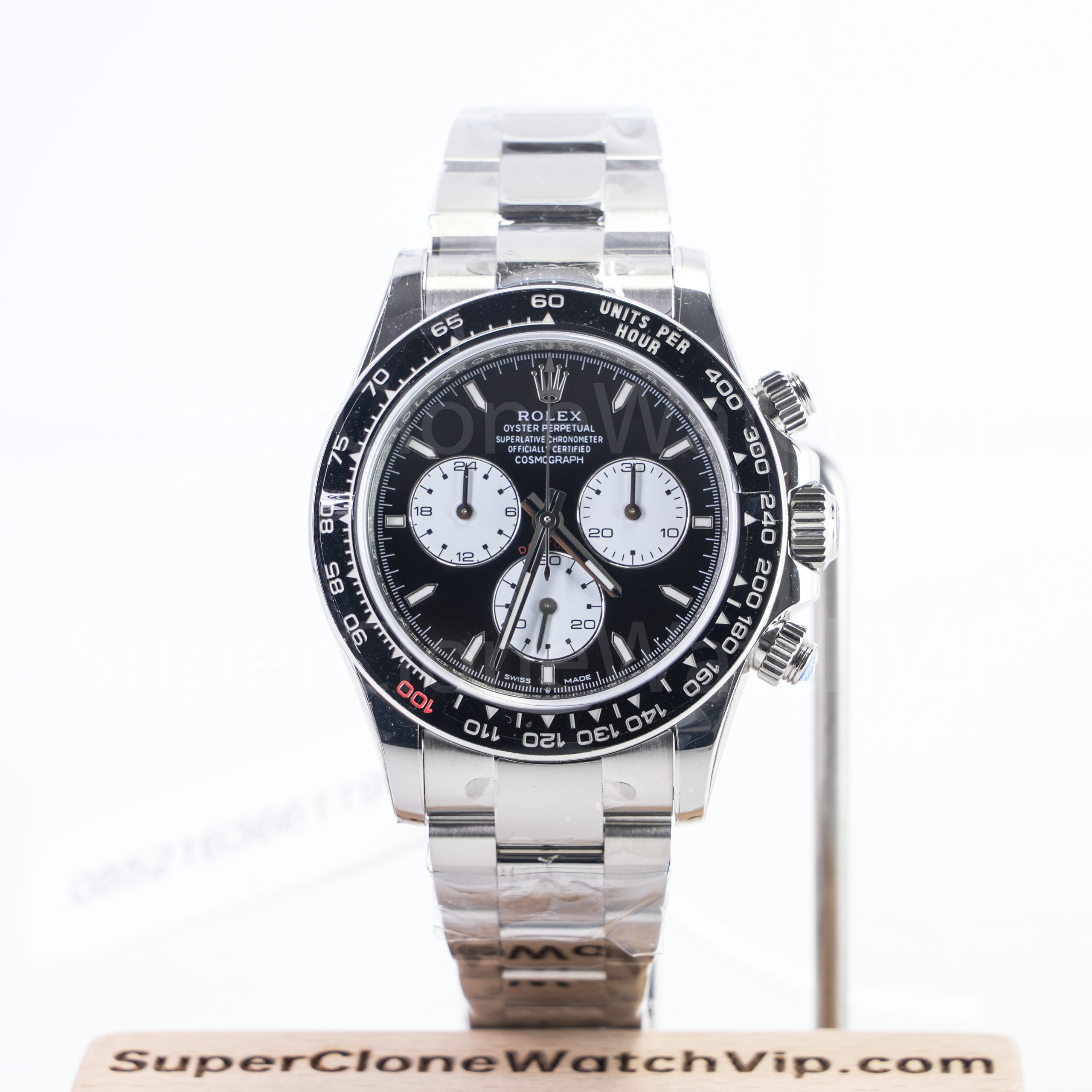
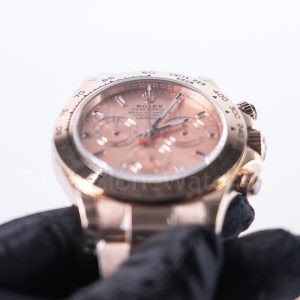
Daytona-style chronograph model
Best fit for checking sub-dial spacing, ceramic bezel printing, pusher shape, bracelet alignment, and video proof for chronograph function.
Choose simpler sports or dress models when comfort, easy matching, and clean proportions matter most.
Choose stronger factory versions when the model has ceramic bezel, open dial, GMT hand, chronograph, or integrated bracelet details.
Choose available-stock options when the preferred model, factory version, QC photos, and shipping route can be confirmed quickly.
Related Reading for Better Site Navigation
The next articles connect this comparison with factory research, QC approval, and order preparation. As a result, the reading path stays focused instead of repeating the same basic definition.
Factory Comparison for 2026
Compare common factory names by model fit, version strength, QC photos, budget level, and availability.
VSF vs Clean Factory
Use model type, current version, dial detail, bezel finish, and QC review to compare factory direction.
Shipping and Customs Guide
Review shipping route, destination country checks, delivery preparation, and contact confirmation before payment.
Final purchasing advice
In short, super clone watches vs replicas should be compared through evidence, not slogans. The stronger path is model fit first, factory version second, QC proof third, and contact confirmation last.
- First, choose the exact model, year-style direction, bracelet or strap, and budget range.
- Next, confirm factory version, stock status, QC photos, and video proof before payment.
- Finally, send the receiving country so shipping route and delivery expectations can be checked.
For a clear response, prepare the target model, budget, factory preference, and country. Then request stock, factory version, QC photos, and video proof in one message.
FAQ: Super Clone vs Replica Watches
What is the main difference between a super clone and a regular version?
The main difference is detail control. Higher-grade options usually focus on closer proportions, cleaner finishing, better bracelet feel, and stronger QC support. However, the exact model and factory version still matter most.
Are factory names enough for choosing the right watch?
No. Factory names help narrow the direction, but they are not enough alone. Therefore, the exact watch should still be reviewed through photos and video proof before payment.
Which models need the most careful QC review?
Detail-heavy models need closer review. Chronographs, GMT designs, skeleton Royal Oak styles, Nautilus-style bracelets, and Richard Mille-style cases usually need more visual checks.
What should be checked first in QC photos?
Start with the dial, bezel, case shape, bracelet fit, clasp, and date window. After that, review movement-related functions and request video proof when the model has GMT, chronograph, or rotating-bezel functions.
Are higher-grade options always better value?
Not always. A simple daily-wear model may not need the highest grade. However, a more detailed model often benefits from a stronger factory version and more complete QC evidence.
Do clone watches always need video proof?
Video proof is especially useful for watches with GMT, chronograph, date-change, clasp, bezel, or skeleton-dial details. For simple models, clear photos may be enough, but video can still reduce uncertainty.