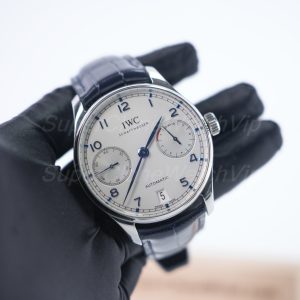
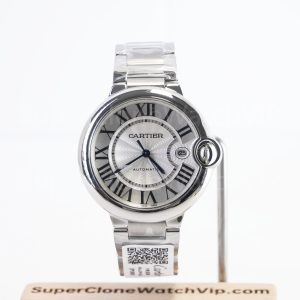
Best Super Clone Watch Factories in 2026 should be judged by model fit, not by one famous factory name. A strong factory version for a diver-style watch may not be the strongest option for a GMT, chronograph, integrated bracelet model, or skeleton-style design.
Therefore, this guide compares factory choices by model type, visible finishing, QC photos, movement function, and video proof. The goal is clear: understand what to check, which model path fits the search intent, and what details should be confirmed before payment and shipping.
Article Navigation
Why Factory Choice Should Start With the Model
First, factory reputation only narrows the search. It does not confirm the exact prepared watch. The practical decision should connect the model family, current factory version, available stock, QC photo set, and function proof.
For example, a Submariner-style watch puts pressure on bezel insert alignment, date magnification, crown guards, clasp action, and bracelet fit. Meanwhile, a Daytona-style chronograph needs cleaner subdial spacing, pusher shape, case thickness, and reset video. The same factory name cannot answer both questions equally.
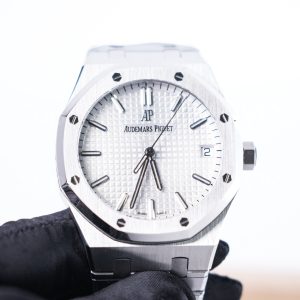
In addition, integrated bracelet models need a different review method. Royal Oak-style and Nautilus-style watches show case lines, bracelet taper, bevels, screw alignment, and side thickness very clearly. As a result, a factory that works well for round sports cases may not automatically suit angular case designs.
For a wider version overview, the factory version guide is the correct category path. It connects factory names with model-based comparison, QC photo support, and current availability checks. Also, a super clone watch selection works better when the exact model comes before factory hype.
The practical rule
Choose the model family first. Then compare factory versions. Finally, approve only after the dial, bezel, case, bracelet, clasp, date window, movement function, and video proof all match the request.
2026 Factory Map by Model Type
Next, factory comparison becomes clearer when it is organized by model type. VSF, Clean, APS, ZF, BTF, C+ Factory, 3K, GMF, and ARF can all appear in factory conversations. However, each label should be checked against the exact watch style.
The phrase top super clone watch factories 2026 can sound like a simple ranking. However, a fixed ranking often creates the wrong expectation. The best clone watch factory for a GMT-style model may not be the right answer for a Royal Oak-style bracelet watch.
Therefore, the table below keeps the decision practical. It does not promise one universal winner. Instead, it shows what each model type usually needs before approval.
| Model Direction | Common Factory Question | Main QC Focus | Best Fit |
| Submariner-style diver | VSF, Clean, or current strong batch? | Bezel, date, rehaut, case side, clasp | Classic daily sports profile |
| Daytona-style chronograph | Clean, BTF, or model-specific version? | Subdials, bezel text, pushers, reset video | Chronograph-focused selection |
| GMT-style travel model | Clean, C+ Factory, or current version? | Bezel color, GMT hand, date, bracelet | Travel-watch styling and color bezel research |
| Datejust-style daily watch | Which version handles dial and bracelet better? | Dial shade, fluted bezel, date, bracelet | Office, dress, and everyday use |
| Royal Oak-style model | APS, ZF, or current case-focused version? | Case brushing, screws, bracelet, clasp | Integrated bracelet and sharp case design |
| Nautilus or Aquanaut style | 3K, PPF, ZF, or current thin-profile batch? | Side profile, dial texture, case ears, bracelet | Refined sport-dress direction |
| OMEGA-style diver or chronograph | VSF, OM, or model-specific version? | Wave dial, bezel, valve, subdials, caseback | Diver look or technical chronograph style |
Overall, super clone watch factories should be compared by role, not by popularity alone. A fixed answer often misses the details that decide the final wrist appearance. Therefore, factory version should always be reviewed with model photos, function needs, and QC evidence.
Rolex-Style Models: Where Factory Differences Show Fast
Rolex-style models are often the easiest place to see factory differences. The reason is simple. Bezel printing, dial balance, bracelet fit, case shape, clasp feel, and date alignment are visible in standard QC photos.
For Submariner-style pieces, the review should start with the bezel insert. The 12 o’clock marker, pearl position, font weight, ceramic shine, crown guards, and rehaut alignment all matter. In addition, the bracelet end links and clasp action affect both appearance and wearing comfort.
For GMT-Master II-style pieces, the bezel color split and GMT hand function become more important. Sprite, Pepsi, Batman, Root Beer, and grey-black directions can vary under different lighting. Therefore, front photos and a short hand-setting video are both useful.
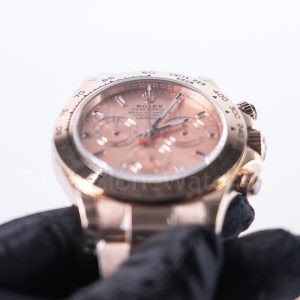
For Daytona-style chronographs, a simple front photo is not enough. Subdial spacing, pusher shape, bezel engraving, case thickness, bracelet finish, and chronograph reset should be reviewed together. In this category, video proof before shipping is especially useful.
For Datejust-style models, the inspection should focus on dial color, fluted or smooth bezel texture, date position, Cyclops clarity, and Jubilee or Oyster bracelet finish. For a wider model path, the related model options page helps organize Rolex-style sports, dress, and travel-watch directions.
Rolex-style factory selection notes
- For a diver-style watch, prioritize bezel alignment, case side profile, and clasp feel.
- For a GMT-style watch, prioritize bezel color split, GMT hand proof, and date position.
- For a chronograph, prioritize subdial layout, pusher action, and reset video.
- For a daily dress-sport model, prioritize dial shade, bezel texture, and bracelet comfort.
- For any current factory version, use real QC photos before final approval.
AP, Patek, OMEGA and Richard Mille Style Factory Logic
Beyond Rolex-style models, factory choice becomes even more dependent on case architecture. AP-style watches expose finishing lines quickly. Patek-style models expose side thickness and dial texture. OMEGA-style models often need function and caseback checks. Richard Mille-style pieces need side-depth review and skeleton-layer inspection.
For Royal Oak-style models, APS and ZF often appear in factory discussions. However, the visible decision should focus on octagonal bezel shape, screw alignment, brushing direction, polished bevels, bracelet taper, and clasp finish. A strong dial alone cannot save weak case geometry.
For Nautilus-style and Aquanaut-style models, thinness is a major visual factor. Case ears, bracelet connection, dial texture, date window, and side profile should be checked from several angles. A thick side view can change the whole impression.
For OMEGA-style divers, wave dial texture, bezel insert, pearl alignment, crown or valve shape, bracelet finish, and caseback detail should be reviewed together. For Speedmaster-style chronographs, tachymeter printing, subdial spacing, pusher feel, and reset proof matter more than a single beauty photo.
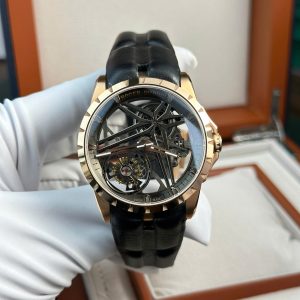
For Richard Mille-style models, case depth and skeleton layout decide the result. The design is bold, but that also makes small finishing problems easier to see. Therefore, angled photos and wrist-side videos are more useful than one flat product image.
In addition, unsupported origin language should not guide factory selection. For official background on Swiss indications of source, the Swiss Federal Institute of Intellectual Property explains Swiss indications at its public guidance page. Therefore, a safer order discussion should focus on factory version, QC photos, and function proof.
Product Paths That Match Factory Selection
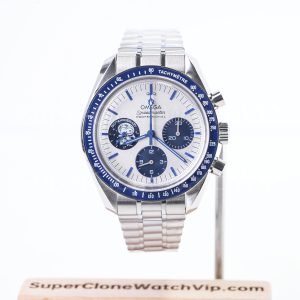
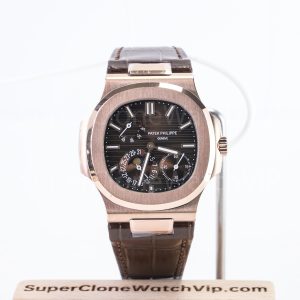
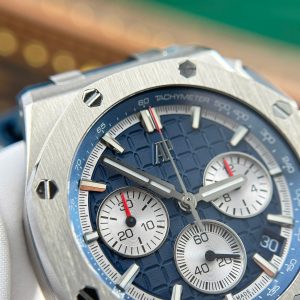
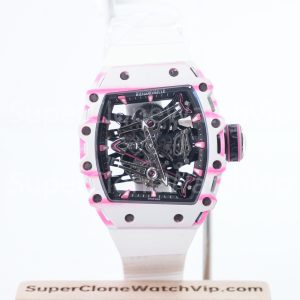
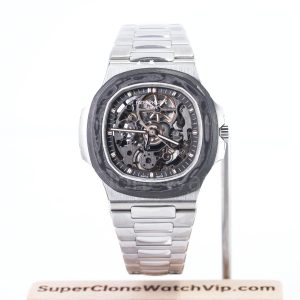
A useful factory guide should connect factory logic with real model paths. The examples below avoid repeated images and cover four cleaner directions: OMEGA chronograph proof, Patek sport-dress profile, AP Offshore case finishing, and Richard Mille skeleton case review.
Each product image is fully clickable. Each button goes to the same product detail page as the image, so the next step stays clear and consistent.
How to choose a path from these examples
First, choose the watch type by inspection priority. Speedmaster-style works for chronograph proof. Nautilus-style works for sport-dress case profile. Royal Oak Offshore-style works for thicker case and pusher checks. RM-style works for skeleton depth and strap curve review.
Next, send the product link, preferred factory direction, budget range, dial preference, bracelet or strap preference, and receiving country through confirm stock and QC photos. This keeps the next step practical and avoids vague factory-name decisions.
QC Photo Checklist and Factory Approval Steps
QC photos connect factory research with the actual prepared watch. A product listing can show the model direction, but the final prepared piece should still be checked before shipping. Therefore, a complete photo set matters more than a factory label alone.
For the full process, review the QC photos before shipping page. For moving parts, clasp action, GMT hands, chronograph reset, and crown operation, request video support through the video proof before shipping page.
Dial
Check marker alignment, logo position, printing sharpness, hand length, lume fill, dust, and surface marks.
Bezel
Check 12 o’clock alignment, insert fit, numeral printing, color split, screw position, and rotation feel.
Case
Review lug shape, crown guards, pusher shape, side thickness, caseback fit, and finishing transitions.
Bracelet
Inspect end-link fit, brushing direction, link flexibility, screw fit, polished bevels, and bracelet taper.
Clasp
Check engraving, lock action, extension system, closing strength, folding structure, and open-close video.
Date Window
Check date centering, font weight, date-wheel spacing, Cyclops position, and front-view clarity.
Movement and Function
Review winding, time setting, date change, GMT hand movement, chronograph start-stop-reset, and crown operation.
Video Proof
Use video for wrist thickness, clasp closure, bezel rotation, crown action, and chronograph or GMT proof.
Also, one attractive front photo is not enough. A front view can hide case thickness. A macro shot can exaggerate small dust. A polished angle can hide bracelet fit. Therefore, front, side, clasp, caseback, close-up, and video evidence should be read together.
Finally, avoid unsupported claims. Terms such as original parts, guaranteed waterproof performance, and exact authentic identity should not guide the decision. A safer standard is factory version comparison, closer proportions, visible finishing checks, QC photos before shipping, and clear confirmation before payment.
Recommended order-planning message
Please confirm current stock for this model:
For a structured order path, the order planning guide supports the next step from model choice to QC review.
Extended Reading and FAQ
A factory guide should connect to related pages, not stand alone. The following articles continue the same topic cluster: factory comparison, model fit, QC process, and order planning.
FAQ
Which factory is best for every model in 2026?
No single factory is best for every model. The stronger answer depends on the model family, current factory version, available stock, QC photos, and function proof. A diver, GMT, chronograph, integrated bracelet watch, and skeleton-style watch all need different checks.
Are VSF and Clean always the safest choices?
VSF and Clean are often discussed for Rolex-style models. However, each current batch still needs unit-level QC. The final choice should depend on dial quality, bezel fit, case shape, bracelet finish, clasp action, date alignment, and video evidence.
Is the newest factory version always better?
Not always. A newer version may improve one visible detail but change another. Therefore, the newest batch should still be compared through real photos, side-angle views, clasp photos, and function video before approval.
What QC photos should be requested before factory approval?
A useful QC set should include front dial, bezel, case side, crown side, bracelet or strap, clasp, date window, caseback, close-up details, and function video when the model has GMT or chronograph functions.
Why does video proof matter for factory comparison?
Video proof shows details that photos can miss. It can show crown action, bezel rotation, clasp closure, chronograph reset, GMT hand movement, bracelet flexibility, and wrist-side thickness.
How should a first factory-version request be written?
A clear request should include the model link, dial color, bracelet or strap type, factory preference, budget range, backup option, receiving country, and a request for stock status, factory version, QC photos, and video proof.
Final Summary: Choose the Model, Then Confirm the Factory
Best Super Clone Watch Factories in 2026 should be reviewed through model fit, current version, QC photos, and video proof. A factory name can guide the shortlist, but the actual prepared watch should decide final approval.
Therefore, the strongest path is simple. Choose the model family first. Compare factory versions second. Then confirm the prepared watch with clear photos, side views, clasp views, and function video before shipping.
- First, send the target model, dial color, bracelet or strap preference, factory direction, budget range, and receiving country.
- Next, request current stock, factory version notes, QC photos, case-side views, clasp photos, and video proof.
- Finally, approve only after dial, bezel, case, bracelet, clasp, date window, movement function, and video proof are clear.
For the next step, start with the factory comparison hub. Then send the model link, factory preference, budget range, and receiving country through confirm stock and QC photos.