Choosing the best super clone watch becomes easier when the decision starts with a real wearing scene. A daily office watch, a sport-style model, a dress piece and a skeleton design all need different QC checks. Therefore, this guide compares Rolex, AP, Patek and Cartier-style options by use case, visible details, product fit and order preparation.
Start With the Wearing Scene, Not the Loudest Model
First, a super clone watch should match the way it will be worn. A black-dial Rolex-style diver can work across workdays and weekends. However, an AP chronograph or Cartier skeleton model creates a stronger visual message. As a result, the most practical choice depends on comfort, outfit range, case shape and the amount of detail that must be checked before shipping.
Moreover, searches for the best 1:1 replica watches often mix several needs into one phrase. Some readers want an easy daily piece. Others want a sport model with strong wrist presence. Meanwhile, formal settings usually call for slimmer proportions and quieter dial detail. So the better article path is not “which brand is best” but “which model type fits this use case.”
For quick availability research, the ready to ship model options page can support the first shortlist. Still, current stock should only start the decision. Factory version, case size, bracelet or strap fit, QC photos and video proof should finish it.
| Use Case | Better Direction | Main QC Focus | Best Fit |
| Daily Wear | Rolex Datejust, Oyster Perpetual, Submariner No-Date or black Submariner style | Dial balance, bracelet comfort, clasp action, date window if present | Office wear, travel, simple rotation, low-friction styling |
| Sport | Rolex Submariner, GMT-Master II, Daytona, AP Royal Oak Chronograph | Bezel alignment, case profile, pushers, bracelet fit, function video | Weekend looks, stronger case presence, casual and sport-luxury outfits |
| Dress | Patek Nautilus, Aquanaut, slim Cartier or leather-strap style | Case thickness, dial texture, marker alignment, strap finish | Business meals, formal outfits, cleaner visual presence |
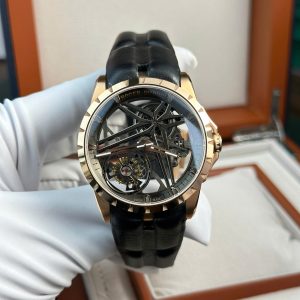
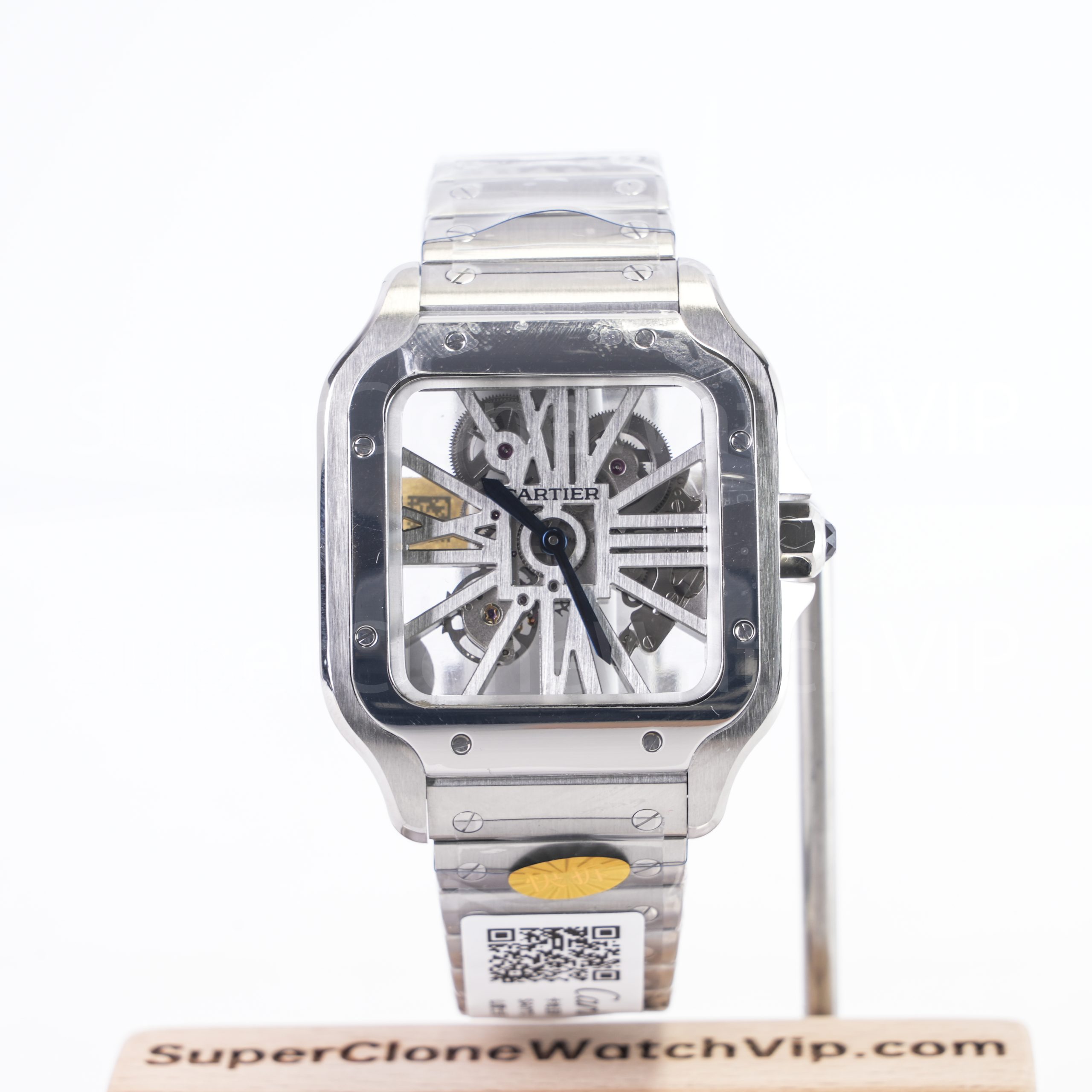
| Skeleton | Cartier Santos Skeleton, AP openworked, Richard Mille-style statement pieces | Open dial symmetry, bridge layout, visible screws, hand clearance, video proof | Statement styling, collection variety, visible mechanical design |
Daily Wear: Comfort, Balance and Easy Outfit Pairing
For daily wear, the safest model is usually not the most complicated one. Instead, the better choice is comfortable, readable and easy to pair with different clothes. A Rolex Datejust-style watch brings a more polished look. An Oyster Perpetual-style watch keeps the dial simple. A black Submariner-style watch adds sport character without becoming too loud.
In addition, daily models should reduce unnecessary QC risk. No-date dials have fewer alignment points. Three-hand layouts are easier to check than chronographs. Meanwhile, a steel bracelet can be more practical than a leather strap for frequent wear.
Rolex Datejust and Oyster Perpetual directions
Datejust-style models suit office and smart-casual settings because they balance a dress feel with daily usability. The fluted bezel, Jubilee bracelet and date window create a classic look. However, these same details need clear QC photos. The date should sit centered, and the Cyclops lens should not look shifted.
Oyster Perpetual-style models work differently. The design is cleaner, so the dial color, marker alignment and case shape become the main checks. For a calmer starting point, the Datejust collection and Oyster Perpetual collection provide useful daily-wear directions.
When a daily watch is not the right fit
However, some watches look better in product photos than in daily life. A large case can feel heavy after several hours. A bright dial may limit outfit options. Likewise, a complicated display can make the watch less flexible. Therefore, a good daily pick should feel natural, not forced.
Sport Models: Bezel, Case Profile and Function Proof Matter More
Sport-style watches are more visual. Therefore, the bezel, case profile, bracelet end links and crown guards need close inspection. Rolex Submariner and GMT-Master II styles are common sport choices because they combine strong recognition with practical daily wear. AP Royal Oak Chronograph models add a sharper sport-luxury case and a more detailed dial.
For wider context, Rolex notes in its official history that the Submariner launched in 1953 with a rotatable bezel for reading immersion time. That history explains why the Submariner silhouette remains strongly tied to sport-watch design. Still, any luxury-style version should be judged by visible QC, not by brand history alone.
Rolex official Submariner history
Submariner and GMT-style sport checks
First, the bezel should align cleanly at 12 o’clock. Then, the insert printing, pearl position and case shape should be checked from a straight front photo. On date models, the date window and Cyclops lens need a separate close-up. For this reason, the Submariner collection is useful for comparing black, blue, green, date and no-date routes.
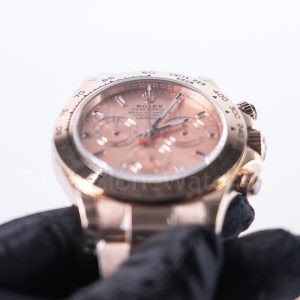
Meanwhile, GMT-style watches need extra attention around the colored bezel and GMT hand. Pepsi, Batman and other two-tone bezels can look excellent, but color separation and numeral spacing should look clean. A travel-style watch also benefits from video proof when hand-setting function needs confirmation.
AP sport-luxury checks
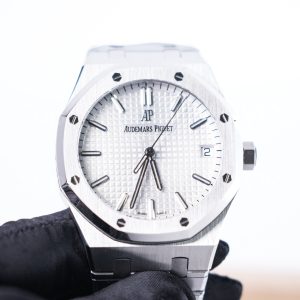
AP Royal Oak-style watches need a different review. The octagonal bezel, exposed screws, integrated bracelet and brushed surfaces form the whole identity. Therefore, screw alignment, tapisserie-style dial texture, bracelet taper and clasp finishing should all be visible. The AP model collection helps compare chronograph, openworked and classic Royal Oak directions.
Dress Models: Slimmer Proportions and Quiet Details Win
Dress-style watches ask for restraint. The case should sit cleanly, the dial should look balanced and the strap or bracelet should match formal clothing. Therefore, a strong dress option is not only about a famous name. It is about proportion, dial texture and clean finishing.
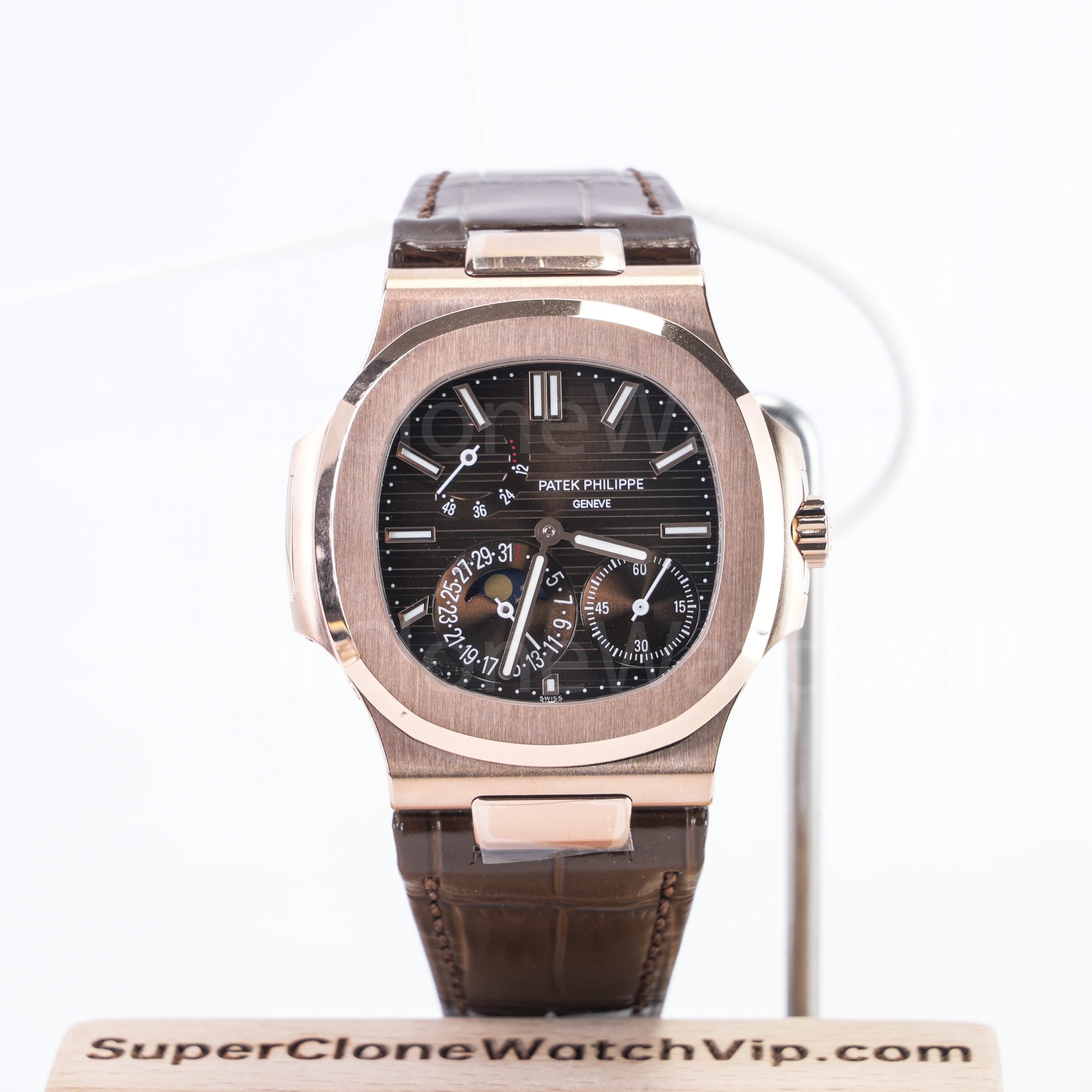
Patek Nautilus-style models sit between dress and sport. The case shape feels recognizable, while the overall profile can still work in business settings. Aquanaut-style models feel more relaxed because of the strap direction. Meanwhile, leather-strap Nautilus-style pieces often lean more formal.
Patek-style dress checks
First, the dial texture should be even under normal light. Then, applied markers, hands, sub-dials and date windows should look centered. On brown, blue or grey dials, lighting can change the look, so multiple QC photos are helpful.
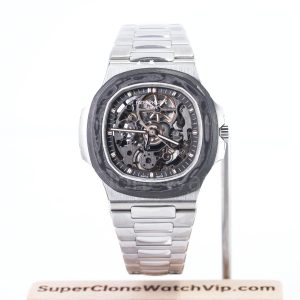
In addition, the case side should not look overly thick. A dress-leaning model works best when the case, strap and dial feel balanced together. The Patek Philippe collection gives a useful path for comparing Nautilus, Aquanaut and complication-inspired styles.
Skeleton Models: Open Dials Need Stricter QC Review
Skeleton designs create a stronger statement because the dial exposes more structure. However, that also makes QC more demanding. Bridge layout, visible screws, hand clearance, open dial symmetry and case finishing can all affect the final impression.
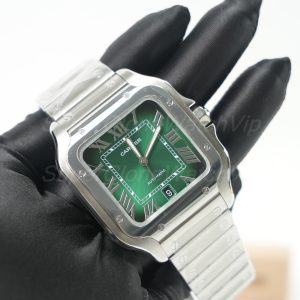
Cartier Santos Skeleton-style models work well for this section because the square case, exposed screws and open Roman numeral structure give a clear skeleton identity. AP openworked and Richard Mille-style watches can also fit this use case. Still, skeleton models should not be approved from one front product image alone.
Skeleton QC priorities
First, the dial opening should look symmetrical. Next, the hands should clear the bridges and markers clearly. Also, screws should sit evenly around the bezel or case. Because the dial is open, dust, rough finishing or uneven decoration becomes easier to notice.
Therefore, skeleton models should include video proof when possible. A short clip can show hand movement, case depth and light reflection across the open dial. The Cartier model collection is a useful place to compare Santos, Tank, Pasha and skeleton-style directions.
Natural Model Picks by Use Case
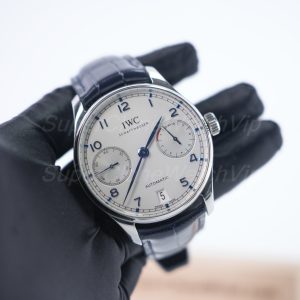
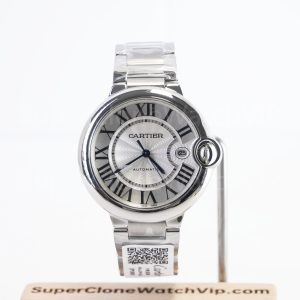
The following model paths connect the article’s selection logic with real product pages. Each image is clickable, and each button goes to the matching product detail page. The goal is not to force one model. Instead, the section helps move from reading to a practical shortlist.


QC Photo Checklist Before Shipping
QC is where a model idea becomes a visible decision. Product photos help with browsing, but QC photos should show the actual prepared watch. Therefore, the review should cover the dial, bezel, case, bracelet, clasp, date window, movement or function points and video proof when relevant.
For a more structured review, use the QC photos before shipping process together with the video proof before shipping page. This is especially useful for chronographs, GMT hands, skeleton dials and date-change checks.
Dial
- Check logo position, text sharpness and marker spacing.
- Review hand length, hand finish and color consistency.
- For textured dials, ask for normal light and angled light views.
Bezel
- Check 12 o’clock alignment and insert seating.
- Review numeral depth, color split and pearl position.
- For AP-style bezels, inspect screw position and brushing.
Case
- Review front, side and lug-angle photos.
- Check crown guards, pushers and case thickness.
- Look for balanced brushing and clean polished edges.
Bracelet and Clasp
- Check end-link fit and bracelet taper.
- Review brushing direction and polished bevels.
- Ask for clasp closure photos or a short clasp video.
Date Window
- Check date centering inside the window.
- Review Cyclops position on Rolex-style date models.
- Ask for another date number if alignment looks unclear.
Movement and Function
- For GMT, check the extra hand and setting action.
- For chronographs, check pusher action and reset position.
- For skeleton models, use video to confirm hand clearance.
Factory Version, Stock and Order Preparation
After the model direction is clear, factory version becomes the next question. However, one factory name cannot cover every watch type. A strong Rolex Submariner version may not be the best AP chronograph version. Likewise, a Patek-style dress model may require different priorities from a Cartier skeleton model.
Therefore, the factory version guide should be used by exact model, not as a general ranking. Case shape, dial detail, bracelet quality and movement appearance can vary by version. Current stock can also change, so confirmation should happen before payment.
For the full order route, the watch selection and ordering guide explains how to prepare model links, factory questions, QC needs and shipping details. That extra step keeps the discussion organized and reduces back-and-forth.
Related Reading for a Stronger Selection Path
These guides continue the same topic cluster. They help traffic move from use-case selection to factory comparison, beginner planning and bezel-level QC review.
Factory Research
Best Super Clone Watch Factories in 2026 Use this guide after a target model is chosen and factory-version comparison becomes the next step.
First Watch Planning
Best Super Clone Watches for Beginners Good for narrowing a first shortlist by style, wrist size, model complexity and QC needs.
Rolex Detail Check
Rolex Ceramic Bezel Guide Useful for Submariner, GMT-Master II and Daytona-style sport models with ceramic bezels.
Final Selection Advice Before Contact
In short, the best super clone watch is the one that fits the wearing scene, matches the expected style and passes a calm QC review. Daily wear needs comfort. Sport models need stronger bezel and case checks. Dress watches need better proportion control. Skeleton pieces need close video review.
Before contact, prepare the target model, budget range, factory version preference, receiving country and any wrist-size concern. Then request current stock, factory version notes, QC photos and video proof before shipping approval.
- First, choose the use case: daily, sport, dress or skeleton.
- Next, compare product detail, factory version, QC photos and video proof.
- Finally, confirm stock, shipping route and visible details before payment.
FAQ: Daily, Sport, Dress and Skeleton Watch Selection
Which use case is easiest for a first model?
Generally, daily-wear models are easier. A Datejust-style, Oyster Perpetual-style or black Submariner-style watch has fewer extreme design details. Therefore, dial balance, bracelet fit and case shape are easier to review through QC photos.
Is a sport model better than a dress model?
Not always. Sport models have stronger wrist presence and more visual energy. However, dress models usually work better with formal outfits. The better direction depends on case size, dial design, strap or bracelet style and the planned wearing scene.
What should be checked first on a Rolex-style sport model?
Start with the bezel. Check 12 o’clock alignment, insert printing, marker spacing and pearl position. After that, review the dial, date window, Cyclops lens, crown guards, bracelet end links and clasp action.
Why do skeleton models need more QC photos?
Skeleton watches expose more parts at once. Because of that, bridge layout, screw position, hand clearance and open dial balance are easier to notice. Front, side, caseback and video views create a clearer review.
Should factory version be chosen before the model?
Usually no. The exact model should come first. Then, the available factory version can be compared for that model. Different factories may perform better on different cases, dials, bracelets and movement layouts.
What information should be sent before QC is requested?
Send the product link or target model photo, budget range, preferred factory version if known, receiving country and any wrist-size concern. Then request stock status, factory version notes, QC photos and video proof before shipping approval.