This daytona ceramic bezel guide explains how the black ceramic bezel, tachymeter scale, text sharpness, case fit, and QC photo set should be reviewed before a Daytona-style chronograph order is confirmed. Instead of treating the bezel as a simple design feature, the article connects it with real model selection, factory-version discussion, movement-option confirmation, and pre-shipping photo review.
Jump to
What Is a Daytona Ceramic Bezel?
First, the ceramic bezel is the fixed outer ring around the dial on many modern Daytona-style chronograph models. It usually appears in black and carries the tachymeter scale around the front of the watch. The bezel gives the watch a stronger racing identity and creates the sharp outer frame that makes the dial easier to read in photos.
However, the bezel is not only a style detail. It affects the full visual balance of the watch. The black ceramic surface, text printing, edge shape, and fit against the case all change how the model looks on the wrist. Therefore, the bezel should be checked together with the dial, crystal, crown, pushers, bracelet, and clasp.
In addition, the tachymeter scale has a functional design background. A tachymeter is used with a chronograph to estimate average speed over a known distance. For a neutral explanation of the basic concept, Citizen’s tachymeter guide explains how the chronograph hand can be read against the outer scale after a fixed distance is measured: how a tachymeter works.
Meanwhile, Daytona-style watches use the tachymeter scale as a major visual signature. Even when the scale is not used for timing, the numbers and markers define the face. A weak scale can make the front look less refined. A clean scale can make the whole chronograph layout feel sharper and more controlled.
For broader model browsing, the super clone watches homepage gives a wider starting point across Rolex-style, AP-style, Patek-style, Richard Mille-style, and other collections. Still, Daytona ceramic bezel review should stay focused on the actual prepared watch and its QC photos before shipment.
Why the Ceramic Bezel Matters on Daytona-Style Watches
To begin with, Daytona-style watches have more visible parts than many simpler sports watches. The dial has three sub-dials, slim hands, applied markers, printed tracks, crown-side pushers, and a strong bracelet or strap profile. Therefore, the bezel must bring structure to the front view instead of adding visual noise.
Moreover, the black ceramic bezel creates the first frame around the dial. On a Panda dial, it makes the white surface and dark sub-dials stand out. On a black dial, it creates a more unified and understated look. On a special dial, it can make the watch feel more technical and more focused.
At the same time, the bezel is one of the easiest areas to judge through QC photos. A straight photo can show whether the tachymeter scale sits evenly. A close-up can show text sharpness. A side photo can show whether the bezel height and case seating look natural. As a result, the bezel becomes a practical pre-shipping checkpoint.
However, the bezel should never be reviewed alone. A clean bezel cannot fix a tilted dial, rough bracelet, cloudy crystal, or uneven clasp. Likewise, a strong case profile can still feel weaker if the bezel text is too thick, too pale, or poorly positioned. The final review should always return to the whole watch.
Therefore, the purpose of this guide is not to praise one part. The goal is to show how bezel review connects with practical model selection. The same process also supports better decisions across Rolex replica watches, especially when the model has a complicated dial or a highly visible bezel.
Key Details to Check on a Daytona Ceramic Bezel
First, the tachymeter scale should look clean and evenly placed. The numbers should not look swollen, broken, or uneven in weight. The small markers should remain clear enough in normal photos. A macro photo can help, although the regular front view matters more for daily appearance.
Next, the black ceramic contrast should look stable. Strong lighting may create reflections, and that is normal. However, the surface should not look cloudy on one side and deep black on another. A controlled ceramic gloss gives the watch a sharper and more refined face.
Also, the bezel edge should follow the case naturally. The outer rim should not overhang the lugs in a strange way. The inner edge should not crowd the crystal. When the bezel looks too thick, too flat, or uneven, the entire case can feel less balanced.
Finally, the bezel should match the crown and pusher side. Daytona-style cases have two pushers and a crown on the same side. Because these shapes sit close to the bezel, an uneven bezel height becomes easier to notice from side photos. Therefore, side-view QC photos are not optional for this model family.
Tachymeter scale
Check number spacing, marker weight, scale centering, and the visual line at 12 o’clock.
Text sharpness
Review whether the printed or engraved-looking text has clean edges under normal lighting.
Black ceramic tone
Look for even contrast, controlled shine, and no obvious cloudy patches across the ring.
Case and bezel fit
Use angled photos to check bezel height, case seating, crown-side balance, and edge profile.
Factory Version, Movement Option and Visible Detail Review
First, factory version should be confirmed for the exact Daytona-style model. A Panda dial on an Oyster-style bracelet does not raise the same visual questions as a black dial on an Oysterflex-style strap. Similarly, a special dial may add extra color, sub-dial, or bezel-scale details that need closer photos.
Next, the factory name should not replace photo review. Factory discussions can help compare version direction, stock availability, case shape, bezel execution, bracelet finish, and movement option. Still, the actual prepared watch decides the final confidence level. That is why QC photos matter more than reputation alone.
Also, movement option should be discussed with practical language. Daytona-style chronographs can be offered with different movement configurations depending on version and availability. Photos alone cannot prove every internal detail. Therefore, the stated movement option, any available function video, and the support confirmation should be reviewed together.
Moreover, the chronograph layout makes this model more sensitive than many simpler watches. The central chronograph hand should rest close to 12. The sub-dial hands should look tidy. The pushers should sit evenly on the case side. The bezel scale should align with the dial in a natural front view.
For a wider version path, the Super Clone Watch Factory Guide explains how factory options are compared by model, movement, case finishing, dial detail, QC photos, and availability. That page works well before narrowing the final Daytona direction.
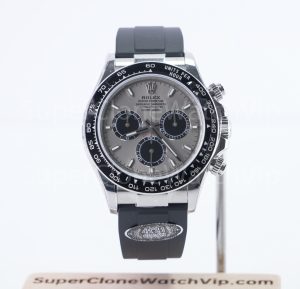
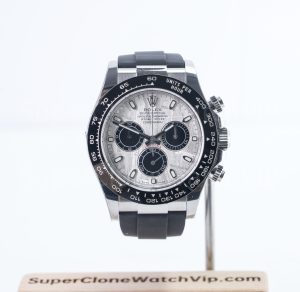
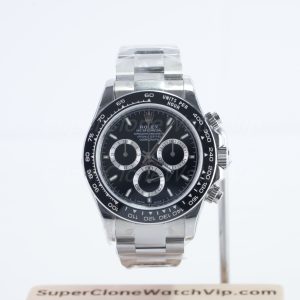
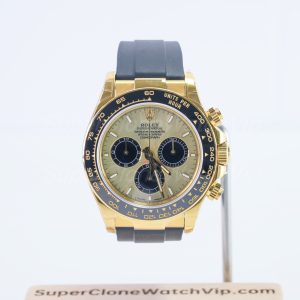
Clickable Daytona Ceramic Bezel Product Directions
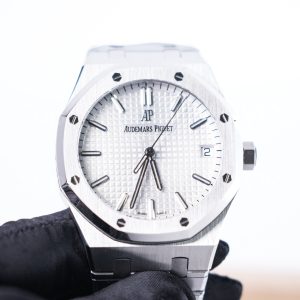
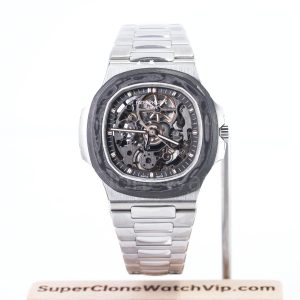
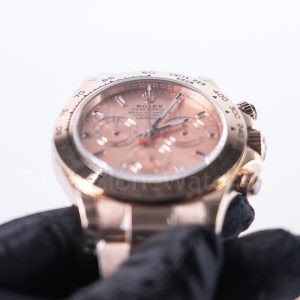
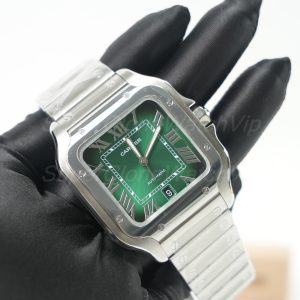
The following Daytona-style products match the article topic because each one gives a clear way to review ceramic bezel contrast, tachymeter scale, dial balance, case fit, and bracelet or strap finishing. Each image is fully clickable, and each card includes a direct product button for a clearer next step.
QC Photo Checklist Before Shipping
Most importantly, QC photos should show the actual watch prepared for shipment. A catalogue image can explain the product direction, but it cannot confirm the exact prepared piece. Therefore, the final review should include front photos, side photos, close-ups, bracelet or strap photos, clasp photos, and clear support confirmation.
At the same time, QC should stay realistic. Photos can confirm visible details, version notes, dial alignment, bracelet finishing, bezel condition, and obvious handling concerns. However, photos should not be treated as proof of hidden construction, pressure performance, or complete technical identity.
- First, review a straight front photo for dial alignment, sub-dial balance, hand position, and bezel scale centering.
- Next, inspect the tachymeter scale for clean numerals, stable text weight, even spacing, and readable small markers.
- Also, check the black ceramic bezel for even tone, controlled gloss, no cloudy patches, and no obvious surface marks.
- Then, compare the bezel edge with the crystal edge to see whether the inner ring sits evenly around the dial.
- After that, use side photos to review case proportions, bezel height, pusher alignment, and crown-side balance.
- Meanwhile, check crystal clarity for heavy glare, dust, distortion, or marks that reduce dial readability.
- In addition, review bracelet or strap finishing, end-link fit, clasp closure, brushing, and polished surfaces.
- Next, confirm the selected factory version, dial color, bracelet or strap type, and movement option match the order notes.
- Finally, request one more photo or short video when the chronograph reset, bezel text, case side, or clasp detail looks unclear.
Which Daytona Ceramic Bezel Style Fits Different Preferences?
Before comparing versions, it helps to decide which Daytona direction fits the intended use. This step prevents weak model choices. A ceramic bezel Daytona can look sporty, technical, dressy, or expressive depending on dial color, bracelet type, strap choice, and case tone.
Also, the same ceramic bezel can feel different across several configurations. A Panda dial highlights contrast. A black dial feels more restrained. A grey dial feels modern and calmer. A champagne or meteorite-style dial creates stronger character. Therefore, model selection should start with style fit before factory-version comparison.
Panda dial direction
A better fit for high-contrast styling, strong chronograph identity, daily rotation, and clear QC review of dial and bezel balance.
Black dial direction
A better fit for understated styling, darker outfits, sport-casual use, and a more unified black ceramic appearance.
Grey or meteorite-style direction
A better fit for modern texture, quieter wrist presence, and more detailed review of dial surface and bezel contrast.
Champagne or gold-tone direction
A better fit for warmer styling, stronger visual presence, and close review of case tone, strap profile, and scale clarity.
Practical Purchase Advice Before Payment
First, the exact Daytona direction should be fixed before asking for version advice. A clear request should include the preferred dial color, bracelet or strap direction, case tone, ceramic bezel preference, and budget range. This keeps the support conversation shorter and more useful.
Next, the product link should be saved from the Daytona collection. A direct product link reduces confusion when several Daytona-style watches look similar. It also makes stock confirmation easier because support can identify the exact model, version direction, and available option faster.
Then, the QC request should mention the most important review areas. For a ceramic bezel Daytona, the main points are front alignment, tachymeter text, black ceramic tone, side case profile, pusher and crown position, bracelet or strap fit, clasp finishing, and chronograph reset behavior if a video is available.
Moreover, the final approval should not happen from one photo. A complete set gives a better view of the watch. Front photos show alignment. Angled photos show gloss. Side photos show case and bezel height. Clasp photos show finishing. A short video can support function confirmation when needed.
Finally, payment should follow stock, version, QC process, and contact confirmation. A clear process makes the decision calmer and reduces avoidable misunderstanding. For support, use the official SuperCloneWatchVIP contact page before any final step.
Common Ceramic Bezel QC Mistakes to Avoid
One common mistake is judging the bezel from a single front photo. That view is useful, but it does not show bezel height or side seating. Therefore, angled photos and side photos should be included before approval.
Another mistake is focusing only on large tachymeter numbers. Small markers and short text sections can reveal uneven printing faster than the large numerals. For this reason, both normal-distance and closer photos should be reviewed.
Also, lighting should be considered carefully. A glossy ceramic surface will reflect light. Some reflections are normal and do not mean the bezel has a problem. However, repeated cloudy areas or uneven tone across several photos deserve a closer check.
In addition, case fit should not be ignored. A clean bezel print can still look weak if the ring sits too high or does not follow the case line. Side images near the crown and pushers are especially helpful because that area has the most visible shapes.
Finally, version discussion should stay model-led. A factory name may be useful, but the exact Daytona configuration, current stock, real QC photos, and support response carry more weight. This approach keeps the decision grounded and avoids one-word factory answers.
FAQ
What makes a Daytona ceramic bezel important in QC photos?
The ceramic bezel frames the dial and carries the tachymeter scale. Therefore, it quickly shows printing quality, black ceramic contrast, scale placement, and case fit. A straight front photo and angled side photo can reveal whether the bezel supports the full chronograph layout.
How should tachymeter scale printing be checked?
First, the full circular scale should be reviewed from a straight front photo. The numerals should look clean, evenly weighted, and properly spaced. Next, a closer photo can show broken edges or fuzzy printing. Finally, the normal-distance photo should decide practical appearance.
Is a Panda dial harder to review than a black dial?
A Panda dial often exposes alignment concerns faster because the white dial, black sub-dials, and black ceramic bezel create strong contrast. However, black dials also need careful lighting because dust, hand edges, and sub-dial texture can hide in darker photos.
Can factory version decide bezel quality alone?
No. Factory version can guide the comparison, but the actual prepared watch still needs review. Current QC photos may show differences in bezel text, ceramic tone, case fit, dial alignment, bracelet finish, and clasp detail. Factory name and photo evidence should work together.
Which QC photos are most useful for a ceramic bezel Daytona?
The most useful set includes a straight front photo, angled dial photo, side profile, crown and pusher side, bracelet or strap connection, clasp close-up, and bezel close-up. In addition, a short chronograph function video can support start, stop, and reset review.
Should water resistance be judged from bezel photos?
No. Bezel photos can show visible case seating, crown position, and surface finishing, but they cannot prove pressure performance. Water resistance should remain a separate service question. The safer review stays focused on visible QC points and support confirmation before payment.
Final Takeaway and Next Step
Overall, the ceramic bezel is one of the most useful visible checkpoints on a modern Daytona-style chronograph. It shapes the dial frame, carries the tachymeter scale, and reveals text sharpness, black ceramic contrast, case fit, and QC photo quality. However, it should be reviewed together with dial alignment, case proportions, bracelet or strap finishing, clasp detail, crystal clarity, crown details, pusher balance, factory version, and movement option.
For the safest path, start with the Daytona collection, compare the exact dial and bezel direction, confirm factory-version availability, review QC photos before shipping, and contact support before payment. This keeps the daytona ceramic bezel guide practical, product-led, and focused on real order decisions.
- First, shortlist the exact Daytona model, dial color, bezel style, and bracelet or strap direction.
- Second, confirm the available factory version, movement option, QC photo coverage, and stock status.
- Finally, request front, side, clasp, crown, pusher, and ceramic bezel close-up photos before approving shipment.