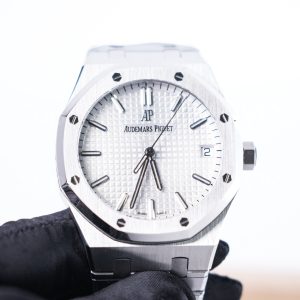
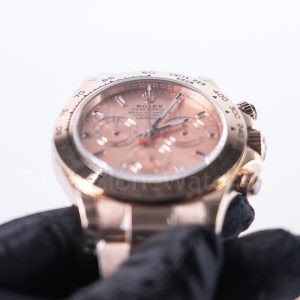
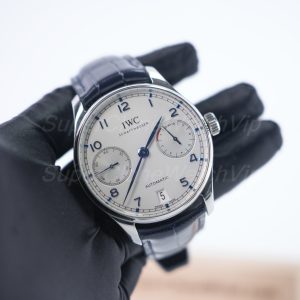
This rolex rehaut engraving guide explains a small front-side detail that can affect the full impression of a Rolex-style watch. The rehaut is the inner metal ring between the dial edge and the crystal. On many modern Rolex designs, this area includes repeated inner ring engraving, a crown marker near 12 o’clock, and a serial number area near 6 o’clock. Therefore, it should be checked carefully in QC photos before approval, together with dial alignment, crystal clarity, case proportions, bracelet finishing, and clasp details.
Quick Navigation
What Is the Rolex Rehaut?
First, the rehaut is the angled inner ring around the dial. It sits below the crystal and above the dial edge. In normal viewing, it creates the visual wall between the watch face and the case opening.
On many modern Rolex-style models, the inner ring carries repeated engraving around the dial. The crown marker normally appears near 12 o’clock, while the serial area sits near the lower section. As a result, this area becomes useful when checking front-side symmetry.
However, the rehaut is not only a decorative ring. It affects how deep the dial appears. It also changes how the crystal, dial markers, hands, date window, and bezel feel together.
For example, a Datejust-style watch often shows the inner ring under bright reflection from the fluted bezel. Meanwhile, a Submariner Date-style watch places the rehaut between a strong dial and a ceramic-style bezel. Therefore, the same detail can look different across model families.
Why the Inner Ring Position Matters
In a front photo, the rehaut helps show whether the dial looks centered. The crown marker near 12 o’clock should relate naturally to the top hour marker. Also, the lower serial area should sit neatly near 6 o’clock.
Still, camera angle can change the view. A tilted photo may make the crown marker look shifted. Therefore, a straight-on QC photo should always carry more weight than a wrist-style angle.
In addition, the inner ring should not look cloudy, rough, or randomly engraved. It should support the dial rather than distract from it. That is why this detail belongs in any serious QC photo review.
A Visual Check, Not an Official Verification
A clean rehaut is useful, but it should be treated only as a visual quality signal. It does not prove official origin. It also does not confirm internal movement identity, water performance, or long-term durability.
Instead, the rehaut helps judge whether the watch face looks neat and balanced. It should be reviewed with the dial, bezel, case, bracelet, clasp, and crystal. This approach keeps the decision practical and avoids unrealistic expectations.
Why Rehaut Engraving Matters Before Payment
Because the rehaut sits around the dial, it is visible every time the watch is viewed from the front. A weak engraving line may look unfinished. A very heavy engraving cut may look harsh. Also, uneven spacing can make the whole dial feel less stable.
Furthermore, this detail helps compare different factory versions of super clone watches and replica watches. Some versions may focus more on case shape. Others may focus more on dial printing, bracelet feel, movement option, or clasp finishing.
Therefore, the rehaut should not decide the whole order by itself. Instead, it should be part of a full visible-quality review. A strong decision looks at the exact watch shown in QC photos, not only at factory names or old reference photos.
For a useful official design reference, Rolex describes the Submariner with a clear dial, rotatable bezel, and recognizable front-side tool-watch layout on its own website. This kind of official reference can help explain general design language, but it should not be used to claim any relationship between replica products and Rolex official production. Rolex official Submariner features
The QC Photo Stage Is the Right Time to Check It
Before shipping, QC photos provide the clearest chance to inspect the actual watch prepared for the order. This is important because product page images and factory examples cannot replace the exact piece being reviewed.
At this stage, the review should include the rehaut, dial markers, hands, date window, crystal, bezel, crown guards, bracelet links, and clasp finishing. In other words, the goal is not to chase one perfect detail. The goal is to confirm a clean and balanced overall appearance.
For the full pre-shipping flow, the Super Clone Watch QC Process explains how QC photos can support visible checks before shipping.
Macro Photos Need Context
Macro photos can reveal useful details. However, they can also exaggerate dust, reflection, and tiny marks. A small reflection on the crystal may look like a scratch. Likewise, a tilted camera can make the rehaut crown marker seem off-center.
Therefore, a fair review should compare normal front photos with close-up photos. If a problem appears only in one extreme macro crop, it may not affect daily viewing. If the same issue appears in several angles, it deserves attention before approval.
Key Details to Check on the Rehaut
A good rehaut review should follow a clear order. First, check the crown marker near 12 o’clock. Next, compare left and right engraving rhythm. Then review the lower serial area near 6 o’clock.
After that, check engraving depth, font spacing, and inner ring cleanliness. This simple order prevents random judgment. It also helps compare Datejust, Submariner, GMT-Master II, and Daytona-style models more consistently.
Crown Marker Near 12 O’clock
The crown marker near 12 o’clock is the most obvious rehaut alignment point. It should sit close to the visual center line. It should also relate well to the top dial marker.
However, the photo angle must be fair. If the watch is tilted, the crown marker may look shifted even when the actual alignment is acceptable. Therefore, the straight-on dial photo should guide the review.
A simple method is to compare three points. Start with the crown marker. Then check the 12 o’clock dial marker. Finally, follow the hands and center pinion down the dial. If these areas feel balanced, the front view is usually more convincing.
Engraving Depth and Clean Cutting
Engraving depth affects the quality impression. If the cut is too heavy, the letters may look rough. If the cut is too shallow, the engraving may disappear under normal light.
Ideally, the text should look readable, controlled, and clean. The edges should not look melted, scratched, or uneven. Also, the metal around the lettering should not show obvious rough patches.
Still, one macro photo can make small texture look larger than it is. Therefore, close-up detail should be compared with normal front-view photos before making a final decision.
Font Spacing and Letter Rhythm
Font spacing is subtle, yet it can change the dial impression. The repeated inner ring text should feel even around the dial. If one side looks crowded while the other side looks stretched, the watch may appear less refined.
However, curved metal surfaces can distort letters near the photo edges. For this reason, the center portion of a straight-on photo is often more reliable than the far left or far right edge.
A practical review compares both sides of the ring. If left and right spacing feel similar, the detail is likely acceptable. If one side looks clearly compressed across several photos, the issue should be clarified.
Serial Number Position Near 6 O’clock
The serial number area normally appears at the lower rehaut on many modern Rolex-style designs. It should sit neatly in the lower zone and should not look crooked, messy, or poorly finished.
Nevertheless, the serial area should never be treated as official verification. It is only a visible detail for appearance review. A tidy lower area can support a better front view, but it does not confirm official status.
Because the lower area often catches crystal reflection, a clear front photo is helpful. If the lower serial area looks unclear in every image, a closer dial photo can help the review.
Clean Inner Ring Finish
A clean inner ring should not show obvious haze, glue-like marks, deep scratches, or uneven polishing. It should reflect light in a controlled way. Since the rehaut is angled, it does not need to look flat or mirror-like.
At the same time, dust can appear during product photography. One tiny dot may sit on the crystal, not on the rehaut. Therefore, repeated marks across multiple images matter more than one isolated spot.
Rolex Models That Make Rehaut Checks Easier
Not every Rolex-style model shows the rehaut in the same way. A clean daily model may make alignment easier to see. A busier sports model may require a slower check. Therefore, model selection should match the type of detail that matters most.
The following product paths are useful because each model highlights different QC points. The full image is clickable, and each button leads to the same matching product page.
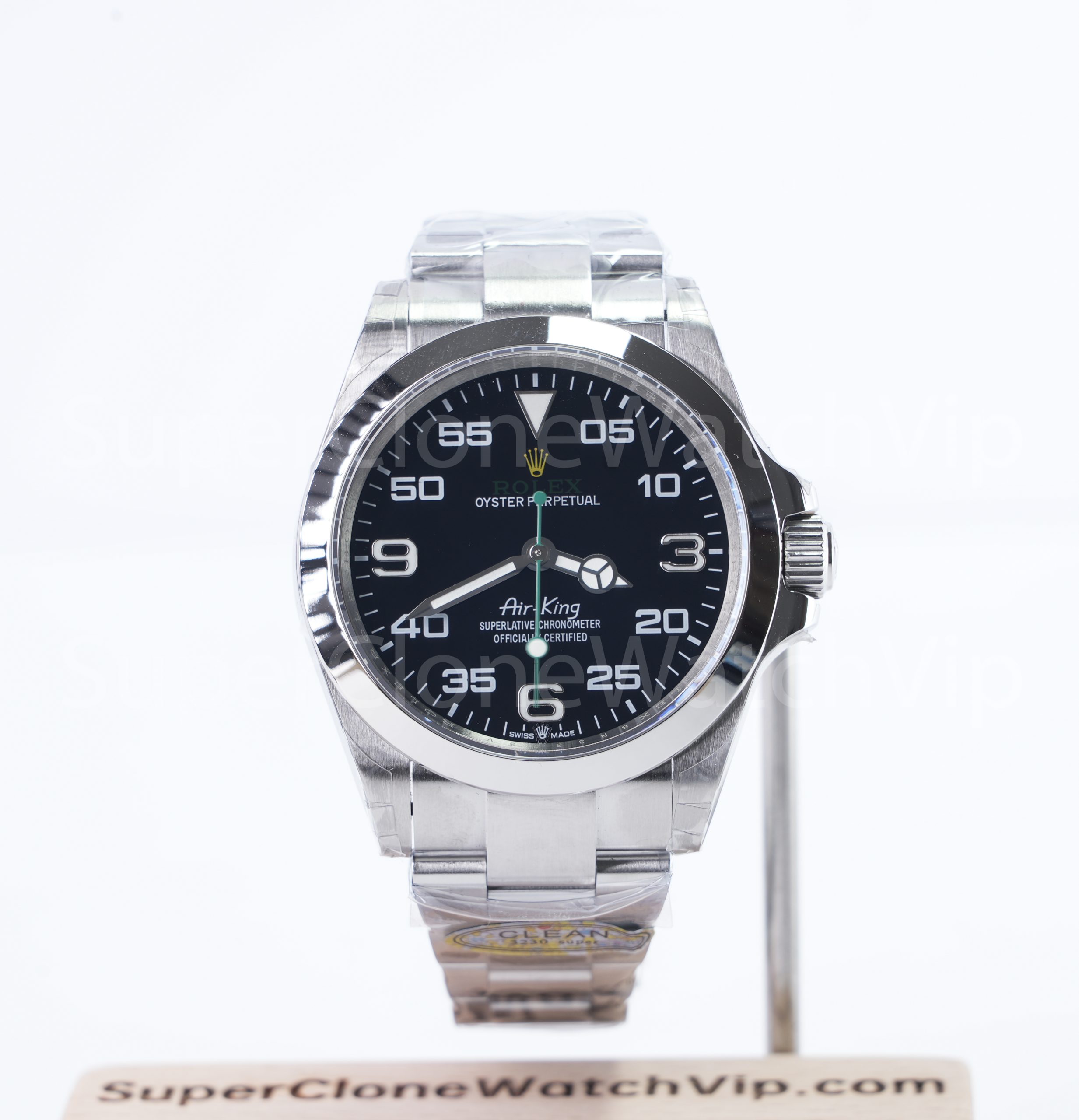
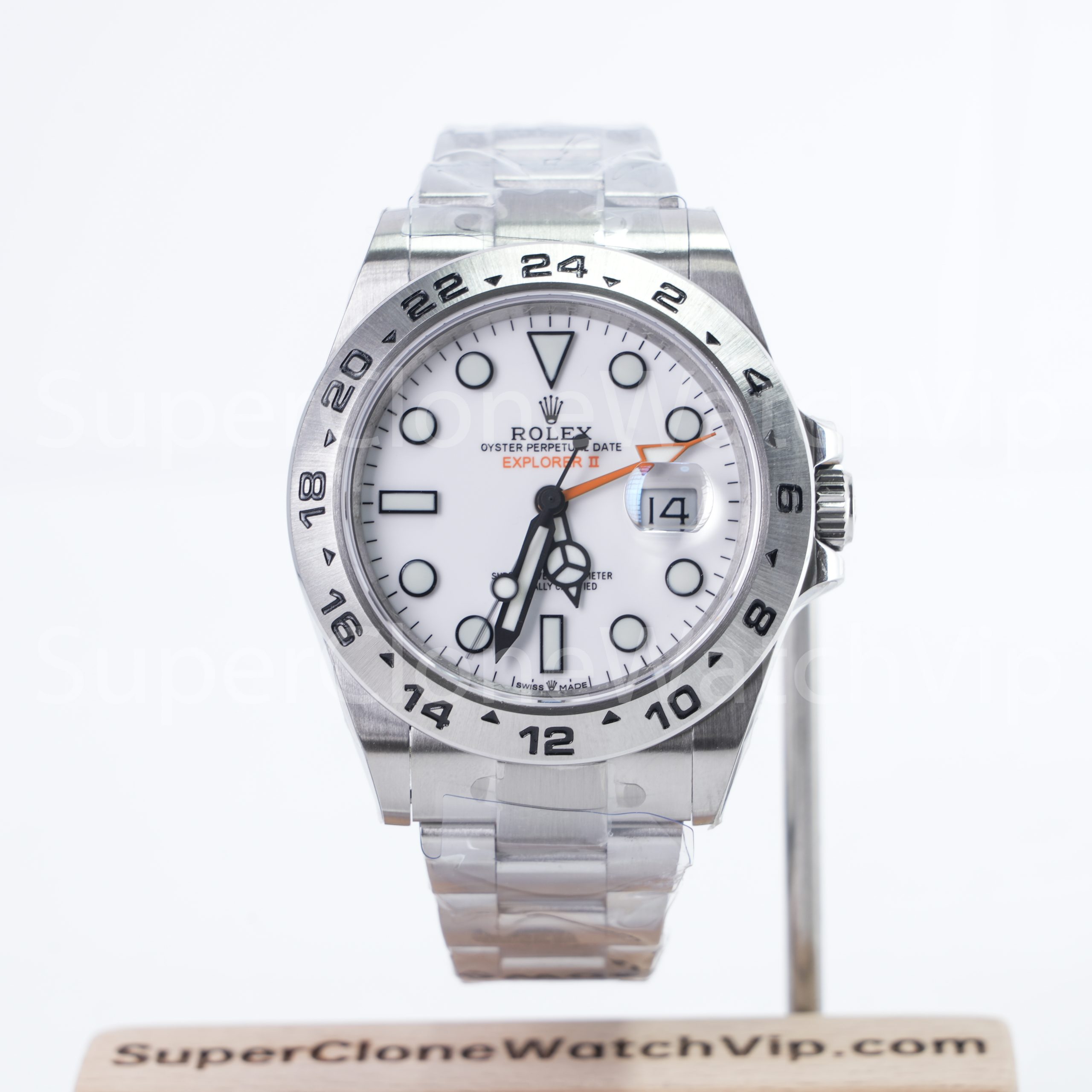
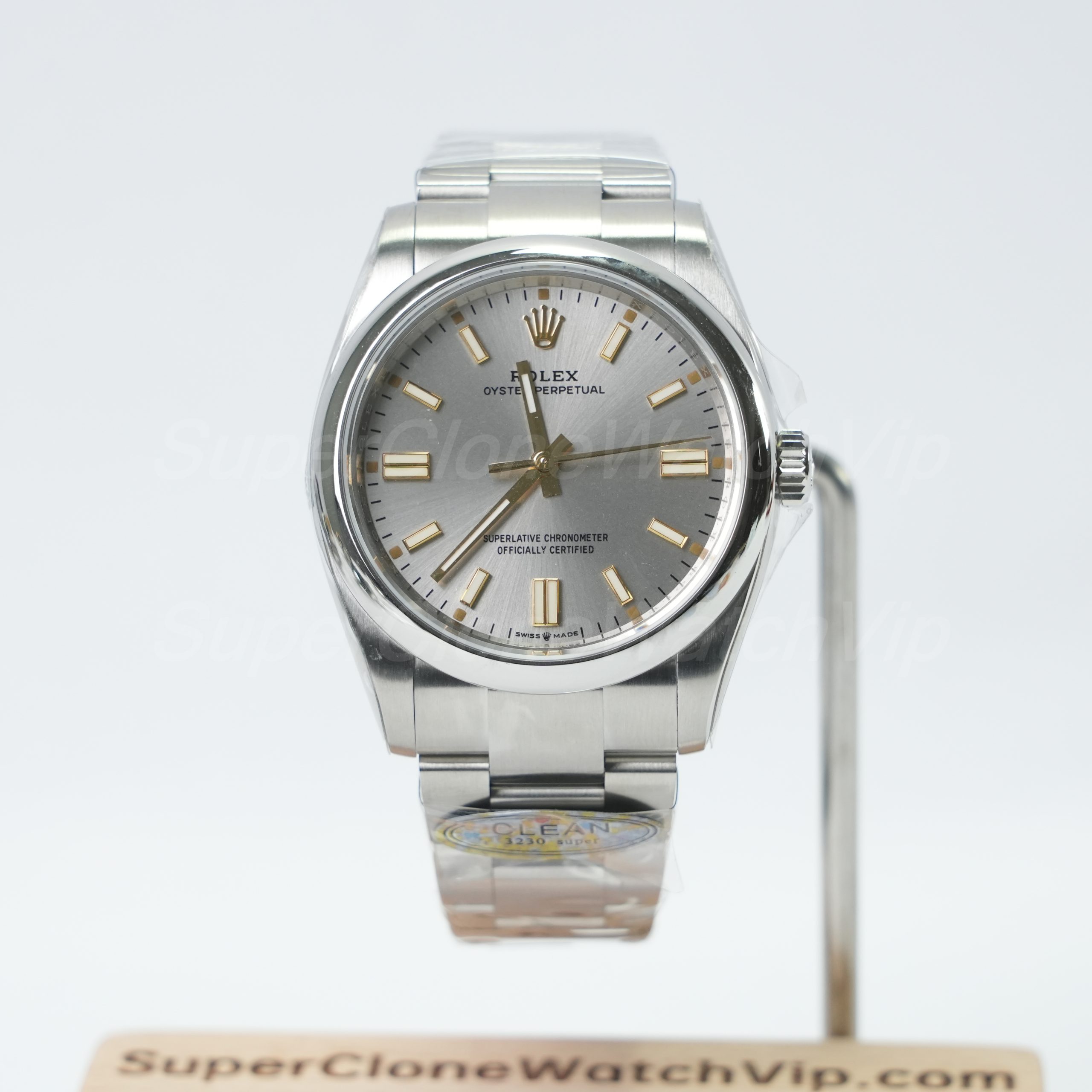
Details on Super Clone Watches, Factory Version, and Movement Option
In Rolex-style super clone watches, the rehaut can vary by model, factory version, production batch, case construction, and crystal fitting. Some versions may look stronger on the dial. Others may perform better on bracelet finishing or bezel profile.
Therefore, factory version should be compared by exact model. A Datejust-style watch needs a different review from a Submariner Date-style watch. Likewise, a GMT-Master II-style watch needs extra attention to bezel position, GMT hand layout, date window, and bracelet style.
For wider version planning, the Super Clone Watch Factory Guide can help compare factory options by model, movement option, case finishing, dial details, QC photos, and current availability.
Movement Option and the Front View
Movement option does not directly decide rehaut engraving. The movement sits inside the case, while the rehaut is part of the front visual structure. However, movement choice can affect case thickness, date position, crown feel, and model configuration.
For example, a date model needs the date window, Cyclops lens, dial seat, and crown position to work together. If the date looks high or low, the front view may feel unbalanced even when the inner engraving looks acceptable.
As a result, movement option should be discussed together with the exact model and QC photos. It should not be judged only by a name. Visible alignment, case profile, and date placement still matter.
Factory Version Should Match the Model
A factory version that performs well on one model may not be the best choice for another model. For instance, a factory may offer strong Submariner-style case shape but a different performance level on Datejust-style details. Therefore, model-specific advice is more useful than a generic factory ranking.
Also, versions can change over time. A past review may not describe the exact current batch. For this reason, current stock confirmation and actual QC photos are more useful than old screenshots or forum comments.
The best approach is simple. Choose the model family first. Then confirm the factory version and movement option. Finally, review the actual watch through QC photos before shipping.
QC Photo Checklist Before Shipping
Before shipping, QC photos should be reviewed in a calm order. This prevents one small detail from hiding a larger issue. It also makes the review more consistent across Submariner, Datejust, GMT-Master II, Daytona, and other Rolex-style models.
Start with the full front photo. Then move to close-up images. After that, check the side profile, bracelet, clasp, and caseback if available. This order keeps the process clear.
The Front Photo Matters Most
A front photo gives the clearest view of rehaut alignment. It also shows the dial markers, hands, date window, crystal, and bezel in one frame. Therefore, this photo should be checked first.
However, one image is not enough when the angle looks unusual. If the watch is tilted or the lens is not centered, the rehaut may look off. In that case, another straight-on photo is useful.
Dial, Case, Bracelet, and Clasp Should Be Checked Together
A clean rehaut cannot fix a weak overall case profile. Likewise, a strong case shape cannot fully hide rough inner ring finishing. Therefore, the QC review should connect all visible details.
Dial alignment, case proportions, bracelet finishing, crystal clarity, bezel placement, crown guard shape, and clasp edges all affect the final impression. This full-picture approach is more useful than judging one part alone.
Related Models and Buying Notes
The best model choice depends on style, wrist presence, dial complexity, and QC priorities. Some Rolex-style models make rehaut checks simple. Others require more attention because the front view includes more visual elements.
For full model browsing, the Rolex replica watches collection is the best starting point. It keeps Datejust, Submariner, GMT-Master II, Daytona, Day-Date, Oyster Perpetual, and other Rolex-style options together.
Datejust Buying Notes
Datejust-style models are useful when a dressier daily watch is preferred. The rehaut should be checked with the Cyclops lens, date window, fluted bezel reflection, and Jubilee or Oyster bracelet finishing.
Additionally, bright dials and polished bezels can create strong reflection. Therefore, Datejust QC photos should be judged with normal front photos and close-ups. The Rolex Datejust replica watches category is useful for comparing dial colors and bracelet styles.
Submariner Buying Notes
Submariner-style models are easier to inspect because the dial is clean and the bezel is bold. The rehaut crown marker should be compared with the 12 o’clock dial marker and the bezel triangle.
Also, the date version needs extra attention to the Cyclops lens and date centering. The Rolex Submariner replica watches category can help compare black, green, blue, date, and no-date style options.
GMT-Master II Buying Notes
GMT-Master II-style models have more visual information. The two-tone bezel, GMT hand, date window, and bracelet style can distract from the inner ring. Therefore, the QC review should follow a fixed order.
Start with bezel alignment. Then check the dial markers, GMT hand, date window, and rehaut. The Rolex GMT-Master II replica watches category is useful for comparing Batman, Batgirl, Pepsi, Sprite, and Bruce Wayne-style options.
Daytona Buying Notes
Daytona-style models require a wider review because the dial is busier. Subdials, bezel text, pushers, crown guards, bracelet finishing, and case profile all matter. As a result, the rehaut may not be the first detail noticed.
Still, the inner ring should look clean and controlled. A rough or cloudy rehaut can weaken the precision feel of the chronograph layout. The Rolex Daytona replica watches category can help compare dial layouts, bezel types, and bracelet or strap choices.
Practical Purchase Advice Before Ordering
A good order decision should connect model choice with QC expectations. Before payment, the preferred model, dial color, bracelet type, approximate budget, factory version request, movement option, and destination country should be confirmed. This gives support enough information to suggest a suitable path.
Also, if rehaut detail is a major concern, it should be mentioned before QC approval. Clear questions help avoid vague communication. For example, the request can focus on crown marker position, lower serial area, date window, and crystal clarity.
For wider order planning, the Super Clone Watch Buying Guide explains how to think about model choice, factory version, QC photos, order support, and shipping confirmation.
Send These Details Before Payment
- Preferred Rolex-style model or product link
- Dial color, bracelet type, and bezel preference
- Factory version or movement option request, if already known
- Main QC concerns, such as rehaut, date window, bezel, clasp, or crystal
- Destination country for stock and shipping route confirmation
Related Reading
The following guides support the same Rolex educational cluster. They help compare model choices, factory versions, QC details, and daily-wear suitability. This internal path keeps the reading journey useful instead of ending at a single article.
Submariner vs GMT-Master II Practical Guide
Compare clean sports-watch styling with a busier travel-watch layout, including bezel style, daily wear, and QC check points.
Daytona vs Submariner Daily Wear Guide
Compare chronograph presence with a cleaner diver-style layout, including sizing, dial complexity, and daily-wear direction.
Clean Factory vs C+ Rolex Comparison
Learn how factory comparison should connect model fit, visible finishing, QC photos, and current version availability.
Summary: A Small Detail That Supports a Better QC Decision
In short, the rehaut is a small detail with a large visual effect. It frames the dial, shows inner ring engraving quality, and helps reveal whether the crown marker, serial area, crystal, and dial sit together cleanly.
However, it should never be used as a single proof of quality. A better review checks the full QC photo set, including dial alignment, case proportions, bracelet and clasp finishing, crystal clarity, bezel position, and crown details.
Finally, this rolex rehaut engraving guide should lead to a clear next step: compare the relevant Rolex collection, confirm factory version and movement option, review QC photos before shipping, and contact SuperCloneWatchVIP support before payment.
- First, check the straight-on QC photo and compare the crown marker with the 12 o’clock dial marker.
- Next, review engraving depth, font spacing, lower serial position, crystal clarity, date centering, and dial alignment together.
- Finally, confirm the model, factory version, movement option, QC expectations, and destination country before payment.
FAQ
What does the rehaut mean on a Rolex-style watch?
The rehaut is the inner ring between the dial and crystal. On many modern Rolex-style watches, it includes repeated engraving, a crown marker near 12 o’clock, and a lower serial area. In QC photos, it helps review front-side balance and inner ring finishing.
Why does rehaut alignment matter in QC photos?
Rehaut alignment matters because the inner ring frames the whole dial. If the crown marker, text rhythm, or lower serial position looks clearly off, the front view can feel unbalanced. However, camera angle can distort this detail, so several photos should be compared.
Should rehaut engraving look very deep?
No. The engraving should look clean, readable, and controlled. Very deep cuts may look rough, while very shallow cuts may disappear under soft light. A balanced result usually looks clear in normal front photos and acceptable in close-up photos.
Can a clean rehaut confirm movement quality?
No. A clean rehaut only supports visual review of the front side. It does not confirm movement identity, official origin, long-term performance, or water resistance. Movement option should be confirmed through the stated version, available photos, and support communication.
Which photo angle is best for checking the crown marker?
A straight-on dial photo is best because it shows the crown marker, top dial marker, lower serial area, and dial center more clearly. Still, one photo is not enough if lighting or camera tilt looks unusual. A complete QC set gives a fairer view.
What else should be checked with the rehaut?
Dial alignment, case proportions, bracelet finishing, clasp edges, crystal clarity, bezel position, crown shape, date centering, and Cyclops placement should be checked together. A clean rehaut is useful, but overall quality depends on the full visible watch.
Need Help Choosing the Right Rolex-Style Watch?
Before payment, send the preferred model, dial color, bracelet type, budget range, factory version request, QC concerns, and destination country to SuperCloneWatchVIP support. The team can help confirm availability, movement option, QC photo process, and suitable alternatives before shipping.