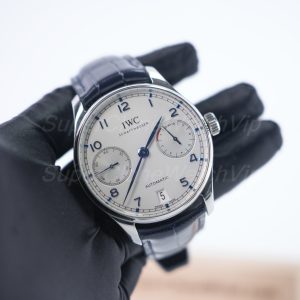
This aps factory ap review explains how to judge Royal Oak case shape, bezel seating, bracelet finishing, clasp behavior, AP 15500 super clone details, and proof before payment. The focus is practical: choose the right AP direction, check the visible details, then request stock status, factory version, QC photos, and video proof.
Why APS Factory Gets Attention on Royal Oak Models
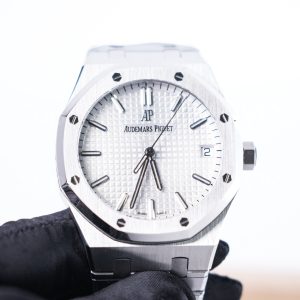
Royal Oak-style watches are difficult to judge from one attractive image. The design is open, angular, and sensitive to small finishing differences. The octagonal bezel, exposed screws, flat brushing, polished chamfers, textured dial, and integrated bracelet all sit in the same visual field.
Therefore, APS Factory Review searches usually come from one clear question: does the current version handle the case and bracelet well enough for the selected AP reference? A factory name can help narrow research, but it should never replace product-level proof.
For broader model research, the main site entry for replica watches connects different watch families, factory information, and support pages. For this topic, the stronger path is the dedicated Audemars Piguet collection, because the decision should stay inside AP Royal Oak case and bracelet details.
A practical AP review should answer three points. First, the case must look balanced from the front and side. Second, the bracelet should continue the case line cleanly. Finally, the exact prepared watch should be confirmed through QC photos and video proof before payment.
Fast route from research to inquiry
Start with the Royal Oak model family. Then compare current factory options. After that, request the actual QC set for dial, bezel, case, bracelet, clasp, date window, movement function, and video proof.
Royal Oak Case Notes: Bezel, Case Side, and Crown Area
The Royal Oak case should look sharp without looking swollen. The bezel should sit flat, the polished bevels should stay narrow, and the brushed surfaces should look even under light. If the bezel looks lifted or overly rounded, the front view loses the clean Royal Oak character.
Side profile matters because Royal Oak models wear wider than many round watches. A front photo can look strong, while the side view may still feel too thick. Therefore, a complete QC set should include the crown side, the opposite case side, and a three-quarter angle that shows crystal height and case thickness.
The crown area also needs a close look. It should sit straight, close to the case, and not appear tilted in side photos. For chronograph models, pusher spacing and pusher height should also look consistent.
As a design reference, the Audemars Piguet Royal Oak collection explains the original design language around the octagonal bezel, screws, textured dial, and integrated bracelet. That reference helps explain what to inspect, while the final decision should still rely on current product photos and QC proof.
Bracelet Finishing: The Detail That Changes the Whole Watch
Bracelet finishing is central to Royal Oak identity. The bracelet is not a separate accessory. It continues the case architecture, controls how light travels across the watch, and decides how the watch sits on the wrist.
The first link should connect closely to the case without a wide gap. It should also drop naturally instead of forcing the watch head upward. After that, the brushing direction should remain consistent from the first link to the clasp.
Polished bevels should look clean and controlled. If the polished edges become too wide, the bracelet can look rounded. If the brushing looks rough or uneven, the watch can feel unfinished even when the dial looks attractive.
For a structured proof process, use the QC photos before shipping page. It keeps inspection focused on dial, bezel, case, bracelet, clasp, date window, movement function, and video proof.
Product Path: AP Models That Fit This Case and Bracelet Topic
A strong article should not stop at theory. The next step is model direction. The three product routes below are selected for case shape, bracelet finishing, open dial inspection, and Royal Oak-style QC logic. Each image is fully clickable, and each button leads to the matching product page.
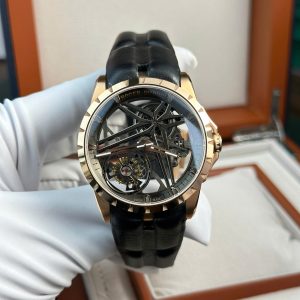
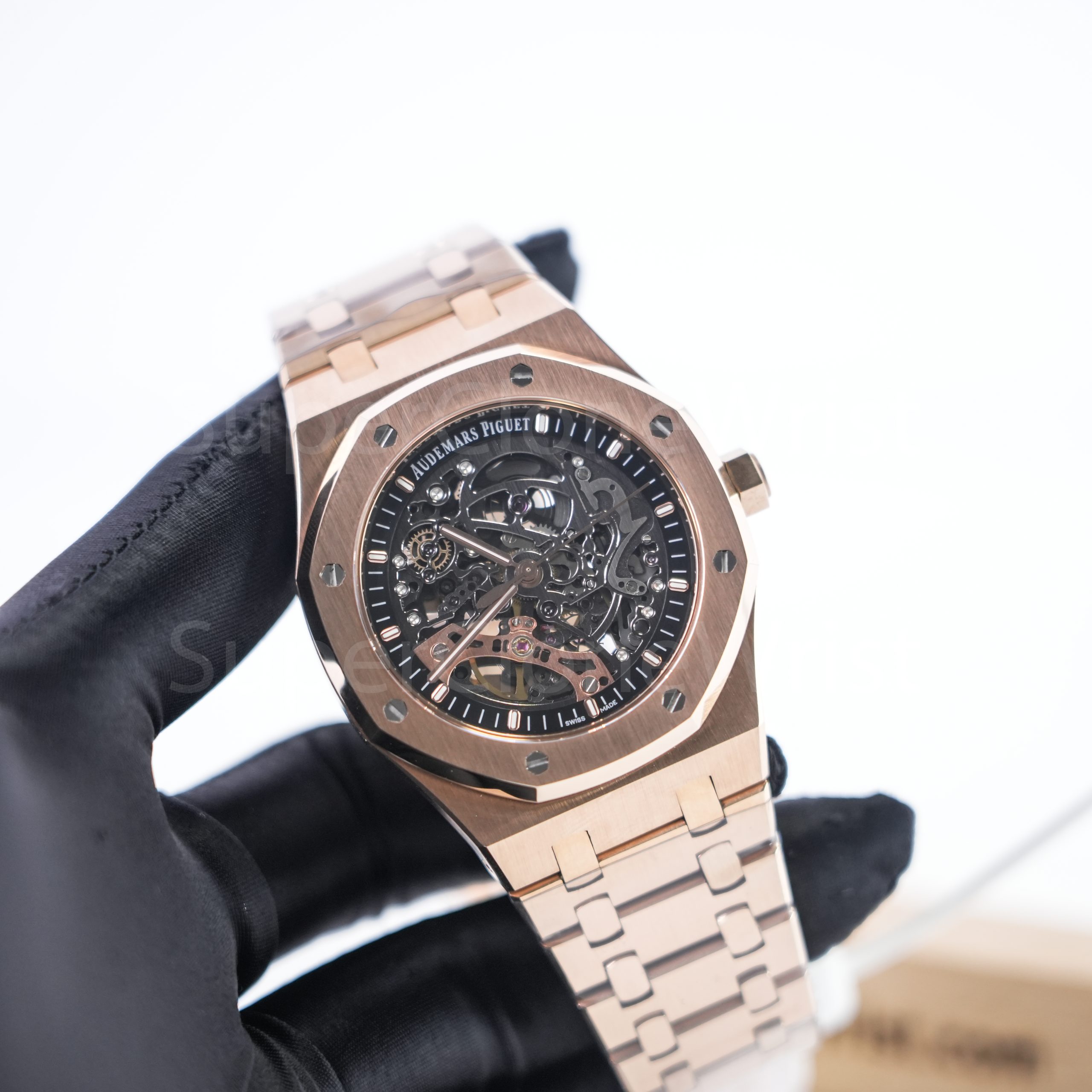 | Case and bracelet detail route Royal Oak 15407OR Skeleton Dial 41mmThis model direction is useful when the main focus is case brushing, rose-tone finishing, open dial depth, bezel screw balance, bracelet integration, and clasp inspection. Because the dial is openworked, photo clarity matters more than usual. It suits a search that values visible structure and strong wrist presence. The QC request should include front view, side profile, caseback, bracelet, clasp, and a short light-rotation video. |
Blue openworked bracelet route Royal Oak Concept Double Balance Wheel 26522ORThis route is useful for judging case edge definition, integrated bracelet flow, openworked dial depth, screw alignment, and polished bevel contrast. The bracelet is visually dominant, so brushing direction and first-link behavior should be checked carefully. It fits a more technical AP-style preference. The recommended proof includes dial close-up, side profile, bracelet top view, clasp view, caseback view, and video proof under normal lighting. | 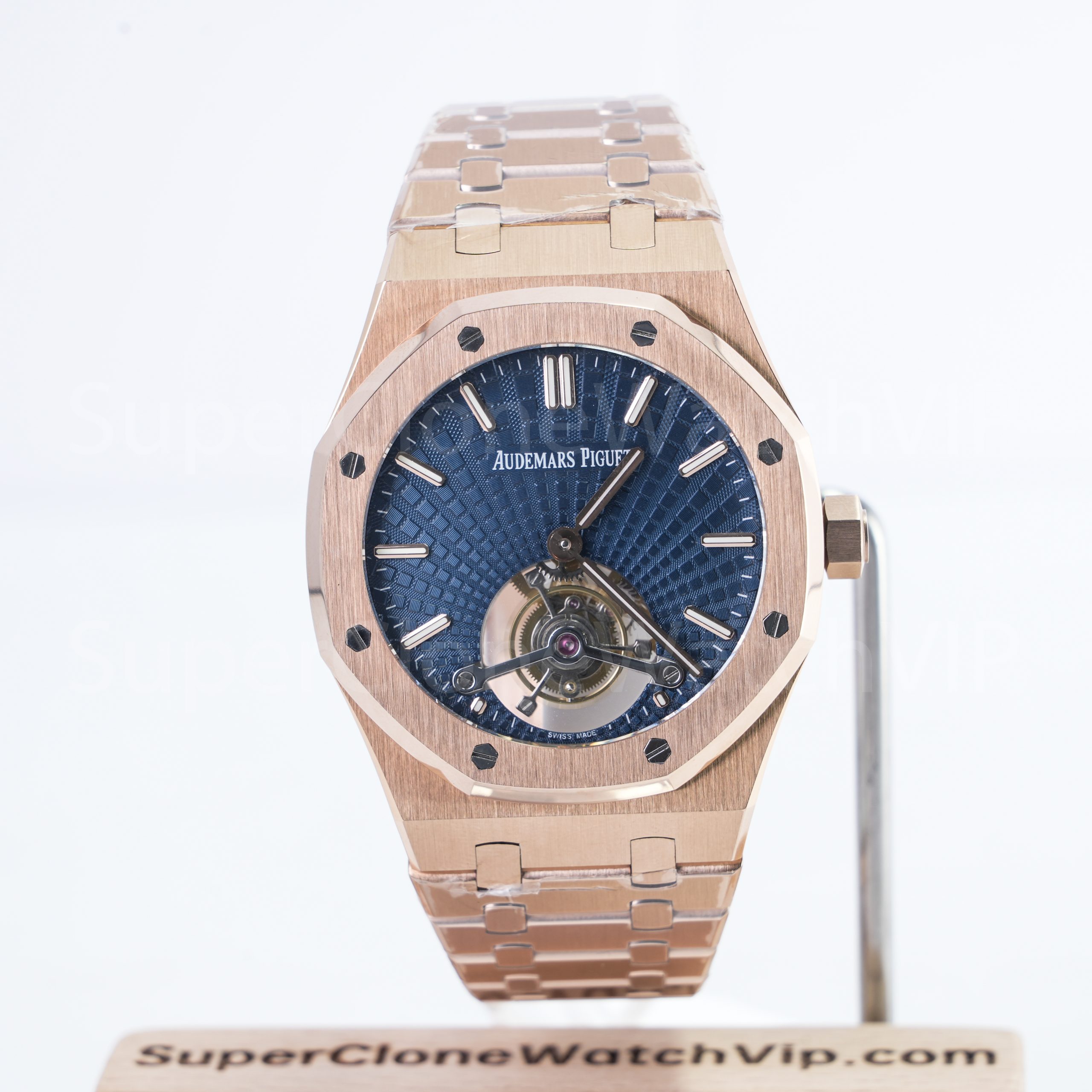 |
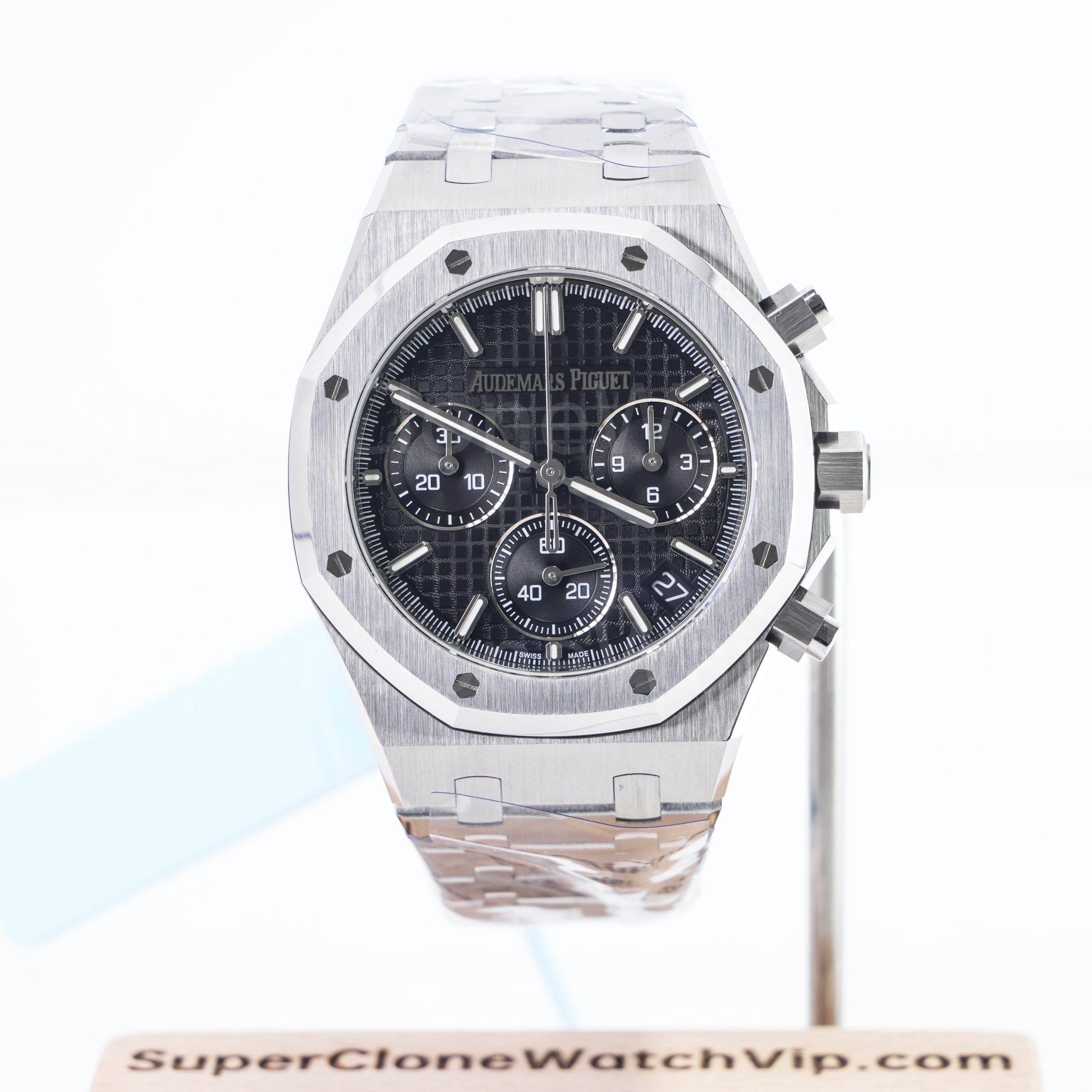 | APS chronograph route Royal Oak Chronograph 26331ST Black Dial APS 41mmThis is the most direct APS-focused product path for the article topic. It should be checked for pusher alignment, case height, sub-dial spacing, bezel screw consistency, bracelet finishing, clasp action, and chronograph reset. It suits a stronger sports-luxury AP direction. Before payment, the request should include front photos, side photos, bracelet and clasp photos, date or function proof, and a short chronograph video. |
QC Photo Checklist Before Shipping
Product images help with model selection. However, QC photos should confirm the exact prepared watch. For Royal Oak-style AP models, the photo set should cover front view, side profile, bracelet, clasp, date area, caseback, and function proof.
Video is especially useful when bracelet movement, clasp closure, crown operation, chronograph reset, or case thickness needs review. The video proof before shipping page supports this step.
| QC area | What to check | Why it matters |
| Dial | Logo position, markers, hand alignment, tapisserie texture, visible dust, print clarity | Royal Oak dials are open and detail-sensitive. |
| Bezel | Octagonal shape, screw spacing, brushed top, polished edge, flat seating | The bezel controls the first impression. |
| Case | Side thickness, crown position, pusher line, chamfer width, caseback fit | Side profile shows whether the watch looks balanced. |
| Bracelet | First link, brushing direction, polished bevels, link gaps, taper | The bracelet is part of the case architecture. |
| Clasp | Closure action, engraving, hinge area, underside finish, centered fit | A clean clasp improves daily confidence. |
| Date window | Date centering, font weight, window edge, several date numbers | A clean AP dial makes date issues easy to notice. |
| Movement and function | Winding, hand setting, date change, chronograph start-stop-reset when relevant | Function proof supports the visual inspection. |
Best Fit: Which Royal Oak Direction Makes Sense?
For a clean daily AP look, a simple Royal Oak time-and-date direction is usually easier to inspect. The main focus stays on case shape, dial texture, date alignment, bracelet flow, and clasp finishing.
For a stronger sport-luxury profile, a chronograph direction makes sense. However, it adds more QC points, including sub-dial spacing, pusher alignment, case height, and reset behavior.
For a skeleton or openworked style, the dial and movement view become important. In that case, front photos alone are not enough. Caseback photos, angle photos, and video proof should be included because depth and reflection can change under light.
For wider factory research, the factory version guide explains how to compare model families, current versions, and finishing details. The full selection guide connects model choice, support, QC proof, and final contact steps.
Practical Request Advice Before Payment
A clear request should include the target product link, dial color, case size, preferred factory route, budget range, and receiving country. Then stock, version, QC photo coverage, video proof, and shipping details can be confirmed before payment.
- Choose the AP direction first: time-and-date, chronograph, skeleton, black ceramic, or openworked.
- Ask which current factory version is available for that exact model.
- Request dial, bezel, case side, bracelet, clasp, date, caseback, and function photos.
- Ask for video proof when bracelet motion, clasp closure, or chronograph reset matters.
Extended Reading for AP and Factory Research
These related guides keep the AP topic cluster connected. They support Royal Oak model choice, APS comparison, QC checks, and final confirmation without repeating the same angle.
Best AP Royal Oak Super Clone Buyer GuideUseful for Royal Oak model direction, bracelet finish, QC photo standards, and current factory comparison. | APS vs ZF AP Royal OakA focused comparison for Royal Oak bracelet, case shape, dial execution, and proof review. | AP Replica Watches GuideA broader AP guide for Royal Oak case shape, bracelet finishing, dial texture, and order support. |
FAQ
What should be checked first on an APS Royal Oak?
Start with the bezel and case shape. The octagonal bezel should sit flat, the screws should look even, and the side profile should not look too heavy. Then review dial alignment, bracelet flow, clasp fit, and video proof.
Why does bracelet finishing matter so much on Royal Oak models?
The bracelet is part of the Royal Oak case design. Brushing direction, polished bevels, first-link fit, taper, and clasp alignment all affect the final wrist impression.
Is AP 15500-style easier or harder to inspect?
It is harder to inspect than many simple round watches. The open dial, 41mm case, date window, and integrated bracelet make visual issues easier to notice in photos.
Should the factory name be chosen before the exact AP model?
No. The model should come first. A time-and-date Royal Oak, chronograph, ceramic model, complex dial, and openworked version all need different checks.
What photos should be requested before shipping?
A complete set should include the straight dial, bezel close-up, side case, bracelet, clasp, date window, caseback, and function proof. A short video is useful for clasp action, wrist roll, and chronograph reset.
Can water performance be assumed from photos?
No. Product photos and QC images can confirm visible details, but they should not be treated as water-use proof. Any water exposure requires separate pressure testing by a qualified watch professional.
Final Step: Confirm the Royal Oak Version Before Payment
A strong Royal Oak selection should move from research to proof. Choose the target reference, compare the current factory route, then review QC photos and video proof before the order moves forward.
The contact message should include the target product link, budget range, preferred APS or alternative factory route, dial color, bracelet preference, and receiving country. Support can then confirm stock, factory version, QC photo coverage, video proof, and shipping details.
Contact for Stock and QC Photos Browse AP Collection
This aps factory ap review should be used as a final checklist for Royal Oak case shape, bracelet finishing, clasp action, date alignment, movement or function proof, and video proof before confirmation.