For Royal Oak and Nautilus style watches, bracelet design is not only a visual detail. It controls case flow, wrist comfort, sizing, clasp feel, finishing quality, and the first impression in QC photos. Therefore, this guide explains what to check before comparing AP and Patek Philippe collections, asking about factory version, and confirming the exact watch prepared before shipping.
What Is an Integrated Bracelet?
First, an integrated bracelet is a bracelet that flows directly into the watch case. Instead of using standard lugs with a separate strap shape, the first links become part of the case structure. As a result, the case and bracelet read as one continuous design.
This design is common in luxury sports watches. The Royal Oak bracelet uses strong geometry, visible link steps, directional brushing, and polished bevels. Meanwhile, the Nautilus bracelet uses a softer case transition, a flatter profile, and a smoother bracelet flow.
However, this structure also makes small issues easier to notice. A normal strap can hide slight gaps around the lugs. By contrast, an integrated bracelet exposes case connection, first-link angle, taper, clasp alignment, and finishing quality.
For design background, AP Chronicles explains how the Royal Oak helped define the modern luxury steel sports watch category. That history is useful context, while the practical decision still depends on current product photos and clear QC photos before shipping. Read the Royal Oak design background.
Why This Detail Matters Before Payment
Because the bracelet is part of the case architecture, it affects the whole watch. A clean dial can still feel weak if the bracelet is stiff, uneven, poorly tapered, or roughly finished. Therefore, bracelet review belongs near the top of the selection process.
In AP-style watches, the eye follows the bezel, screws, case facets, first links, and clasp. Each surface reflects light differently. If brushing direction changes from link to link, the watch can look less refined in real-light photos.
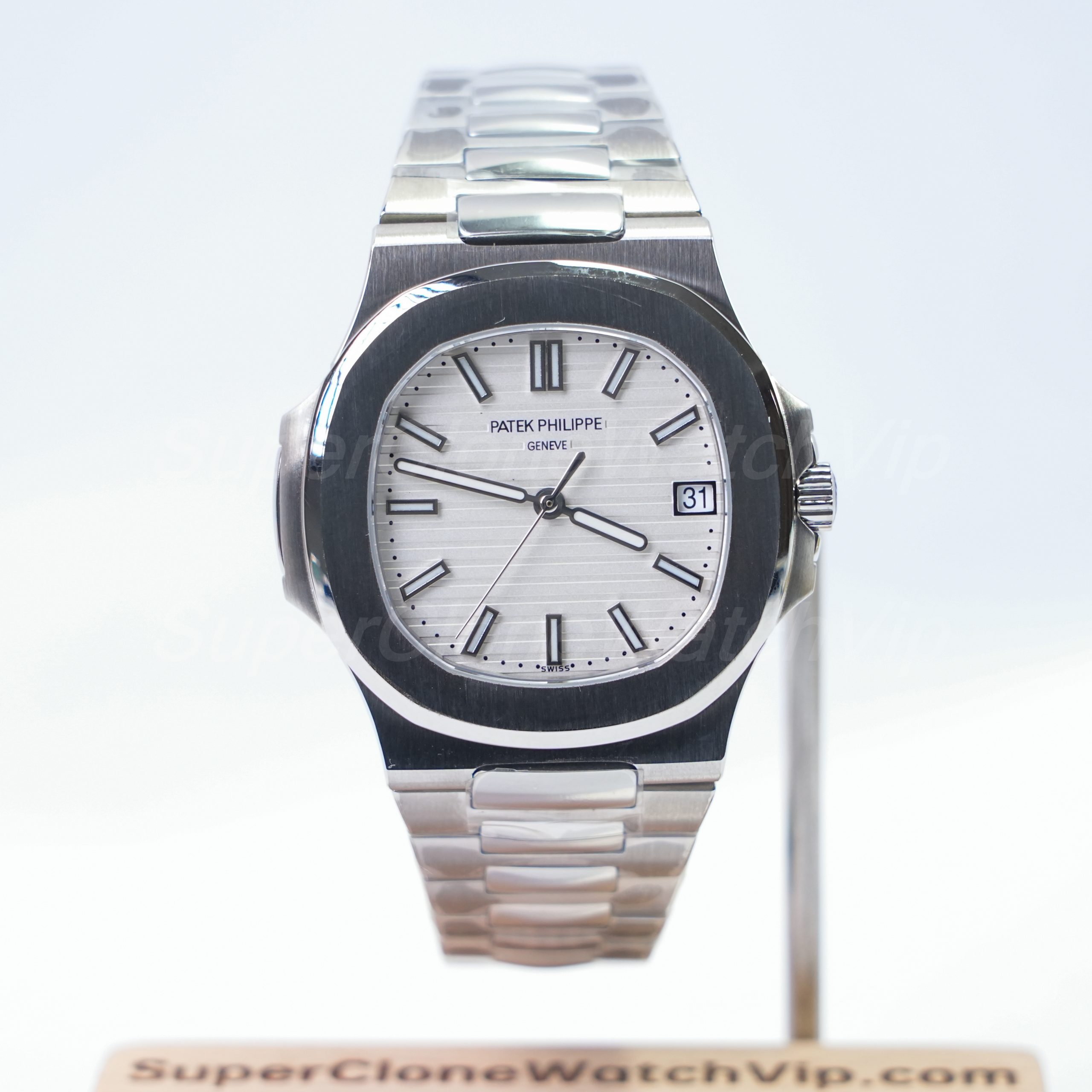
In Patek Philippe-style watches, the case should feel low and balanced. The Nautilus bracelet should not look forced into the case. Instead, it should support the rounded case shape and keep the watch visually thin.
Also, this detail affects sizing. Integrated first links may extend outward before dropping around the wrist. Therefore, a case that sounds moderate on paper can wear broader in daily use.
Royal Oak Bracelet vs Nautilus Bracelet
Although both watches use integrated bracelet design, the review method is different. The Royal Oak bracelet is more architectural. The Nautilus bracelet is more fluid. Therefore, the photo review should match the model language.
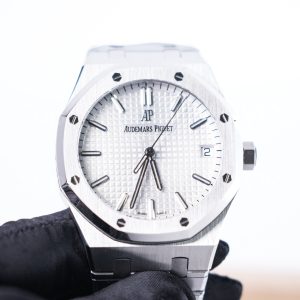
For Royal Oak-style watches, the bracelet should continue the angular case design. The polished bevels should be clean but not exaggerated. In addition, the brushed surfaces should look consistent from case to bracelet.
For Nautilus-style watches, the bracelet should look smooth and controlled. The case should not appear too thick next to the bracelet. Also, the first links should not create a stiff, raised wrist shape.
Models to Compare Before Requesting QC Photos
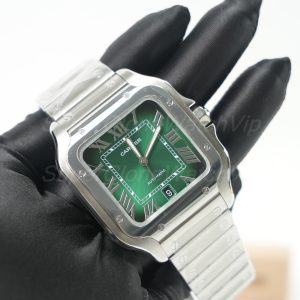
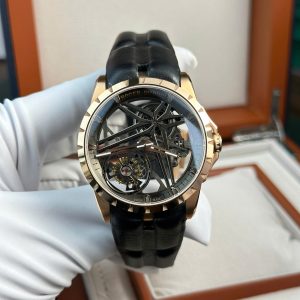
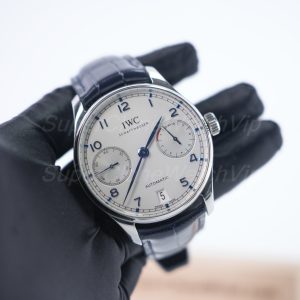
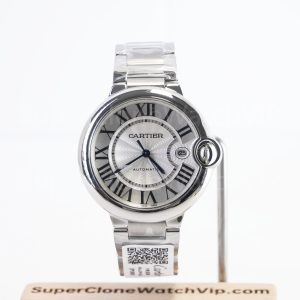
A useful selection path should connect the design lesson to real models. The examples below are placed after the explanation because product research makes more sense once bracelet fit, finishing, and QC priorities are clear. Each image is clickable, and each button opens the matching product page.

Which Integrated Bracelet Style Fits Different Needs?
A stronger selection starts with the wearing scene. In other words, the right model is not only the one with the most attractive front photo. It should match wrist size, style preference, visual presence, and the level of detail that matters most.
Royal Oak steel bracelet
Best for sharp case lines, visible bracelet finishing, octagonal bezel detail, and stronger wrist presence.
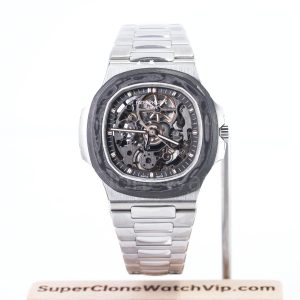
Nautilus steel bracelet
Best for a lower case profile, smoother case flow, cleaner daily styling, and a softer luxury sports look.
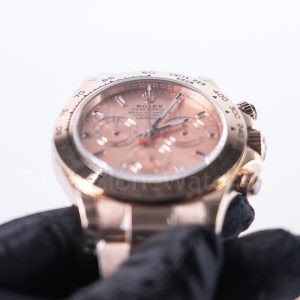
Rose gold tone bracelet
Best for a warmer, more dress-luxury presence. QC should check color consistency, clasp finish, and link edges.
Skeleton or openworked style
Best for a bold visual statement. QC should focus on dial depth, case thickness, bracelet fit, and crystal clarity.
Key Bracelet Details to Check in Product Photos
First, check the case-to-bracelet transition. The first links should not sit too high, too low, or too far from the case. A clean transition makes the watch look designed as one body.
Next, check taper. The bracelet should narrow naturally toward the clasp. If the taper is too flat, the watch may look heavy. If it narrows too quickly, the clasp can look disconnected.
Then, check finishing. Brushing should move in a consistent direction. Polished bevels should look controlled. Also, the edges should appear clean without looking overly rounded.
After that, check clasp construction. The clasp should sit centered and close evenly. The brushing and polishing on the clasp should match the bracelet, especially on AP-style models where finishing contrast is obvious.
Finally, check side profile. Side photos reveal thickness, crystal height, crown position, and first-link angle. These details often decide whether the watch looks balanced on the wrist.
Factory Version, Movement Option, and Visible Detail
Factory version should be reviewed model by model. One version may handle dial texture well. Another may offer stronger bracelet finishing or a better case side profile. Therefore, a factory name alone is not enough.
Movement option also matters, but it should be handled realistically. A movement can affect case thickness, hand layout, and caseback shape. However, movement claims should not replace visible checks in QC photos.
For AP-style watches, common version discussion often includes bracelet brushing, bezel screw position, dial texture, clasp finishing, and case thickness. For Patek-style watches, version review often focuses on case thinness, dial layout, bracelet flow, and movement-related thickness.
For a wider comparison path, use the Super Clone Watch Factory Guide. It gives a clearer way to compare model fit, version notes, QC photos, and current availability before order confirmation.
QC Photo Checklist Before Shipping
Before shipping, QC photos should show more than one clean front image. The full set should confirm the actual watch prepared for the order, including bracelet fit, dial alignment, case profile, bezel detail, crown shape, crystal clarity, clasp finishing, and factory version notes.
- Dial alignment: check marker spacing, logo position, hand alignment, date placement, and dial cleanliness.
- Case proportions: review case thickness, side shape, case-to-bracelet flow, and bezel height.
- Bracelet connection: confirm that both first links sit evenly against the case.
- Bracelet taper: check whether the bracelet narrows naturally toward the clasp.
- Brushing direction: look for consistent grain across the links and case surfaces.
- Polished bevels: check whether bright edges are clean, narrow, and balanced.
- Clasp finishing: review clasp logo, hinge area, closing position, and inner finishing.
- Crystal clarity: look for clear dial visibility and obvious distortion concerns.
- Bezel details: check screw alignment, shape, brushed surface, polished edge, and symmetry.
- Crown details: confirm crown size, position, and case fit.
- Side profile: review case thickness, bracelet drop, and first-link angle.
- Version match: confirm that the prepared watch matches the requested model, dial, bracelet, and movement option.
- Final approval: review all photos together before payment confirmation and shipping approval.
For the full photo review path, see the Super Clone Watch QC Process.
How to Read Bracelet Photos Without Missing Problems
Start with the full front view. This photo shows dial balance, bezel symmetry, case width, and bracelet alignment. However, it does not show enough about thickness, clasp quality, or wrist comfort.
Next, review side photos. The side profile shows whether the case looks too tall, whether the crown sits naturally, and whether the first links drop well. This angle is especially useful for Nautilus-style watches.
Then, study angled close-ups. Angled photos reveal brushing direction, polished bevel width, and uneven surfaces. For Royal Oak-style watches, this step is important because light catches every link edge.
Finally, check clasp photos separately. A bracelet can look strong near the case but weaker at the clasp. Since the clasp affects both daily use and visual quality, it should not be treated as an optional photo.
Practical Purchase Advice Before Payment
First, choose the design direction. AP Royal Oak-style watches are stronger for sharp geometry, bracelet finishing, and bold presence. Patek Nautilus-style watches are stronger for a flatter profile, softer case flow, and a cleaner sports-luxury look.
Next, compare the relevant collection page. The Audemars Piguet replica watches collection is the main path for Royal Oak, Offshore, Concept, openworked, and chronograph directions. The Patek Philippe replica watches collection is the main path for Nautilus, Aquanaut, bracelet, and dress-luxury directions.
After that, prepare a clear message for support. Include the product link, preferred dial color, case size, bracelet direction, receiving country, and any factory-version questions. This makes the response faster and reduces confusion before payment.
For the broader order route, the Super Clone Watch Buying Guide connects model selection, factory notes, QC review, and support contact into one practical path.
FAQ
What makes an integrated bracelet different from a regular bracelet?
An integrated bracelet connects directly with the case shape. Therefore, the first links become part of the design rather than a separate attachment. This creates a cleaner luxury sports watch profile, but it also makes case gaps, first-link angle, taper, brushing, and clasp finishing more visible.
Why does a Royal Oak bracelet need close QC review?
The Royal Oak bracelet depends on sharp geometry, brushed planes, polished bevels, and visible link structure. As a result, uneven brushing or soft edges can change the whole appearance. QC photos should show the bezel, case sides, first links, bracelet close-ups, clasp, and dial alignment.
Why does a Nautilus bracelet need a different check?
The Nautilus bracelet relies more on smooth case flow and low-profile balance. Therefore, side thickness, first-link shape, bracelet taper, dial alignment, and clasp proportion matter. A stiff bracelet or thick case side can make the watch feel less refined in real-light photos.
Which QC photos are most important before shipping?
The most useful set includes front view, side profile, bracelet close-up, clasp view, crown side, bezel close-up, and dial detail. In addition, angled photos help reveal brushing direction and polished bevel quality. One front photo is not enough for a serious integrated bracelet review.
Does movement option affect bracelet or case fit?
Movement option can affect case thickness, hand layout, and caseback profile. Therefore, it can indirectly affect how an integrated bracelet watch sits on the wrist. Still, visible case proportion, bracelet flow, clasp finishing, and version confirmation should remain the main practical checks.
Should bracelet sizing be discussed before payment?
Yes. Integrated bracelet watches can wear larger because the first links extend from the case. Therefore, wrist measurement and preferred fit should be prepared before final confirmation. Link adjustment, clasp length, case thickness, and first-link angle all affect daily comfort.
Final Recommendation
Overall, integrated bracelet explained should lead to a real decision path, not only a design definition. On Royal Oak and Nautilus style watches, bracelet quality affects case flow, wrist comfort, sizing, finishing, clasp feel, and the final QC decision.
The best route is simple. Choose the model family first, compare AP or Patek Philippe collection pages second, confirm factory version third, and review the full QC photo set before payment and shipping approval.
- First, compare Royal Oak and Nautilus directions by wrist fit, bracelet shape, and daily style.
- Next, request photos that show dial alignment, case side, bracelet taper, clasp finishing, crown, crystal, and bezel.
- Finally, confirm model link, factory version, movement option, QC timing, and shipping support through the official contact page.
Review the Collection, QC Process, and Contact Support Before Payment
Compare AP and Patek Philippe models, check bracelet and case details, then confirm QC photos, factory version, movement option, and shipping notes before payment.