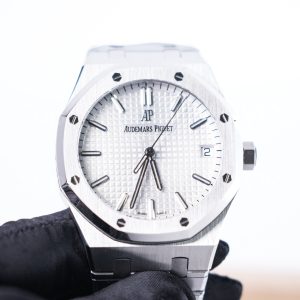
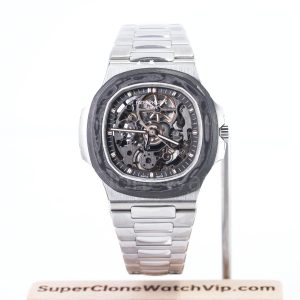
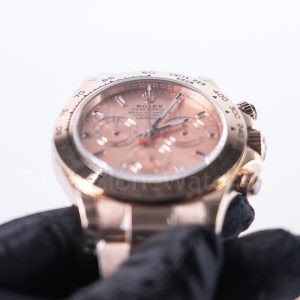
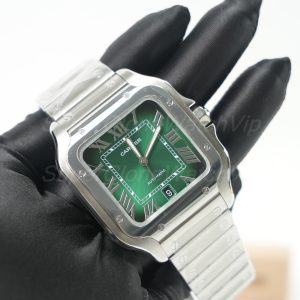
A careful VSF watch decision should start with visible inspection, not factory hype. Therefore, this guide explains how to review the dial, case, bezel, bracelet, clasp, date window, movement option, QC photos, and video proof before final approval. The goal is simple: compare the right details, choose a suitable model direction, and know exactly what to confirm before shipping.
Quick navigation
Why a VSF Checklist Works Better Than Factory Hype
First, a factory name can help with research, but it cannot replace inspection. VSF watches are often discussed for balanced Rolex-style proportions, clean dials, and popular sports-watch configurations. However, the prepared piece still needs to match the requested model, version, dial color, bracelet type, and movement option.
In addition, a useful VSF review should focus on visible details. Dial printing, marker alignment, bezel position, case profile, bracelet finish, clasp fit, date centering, and function checks all matter. Therefore, the order process should move from model selection to factory confirmation, then to QC photos before shipping.
For broader factory context, the factory version guide is the right starting point. It helps compare VSF, Clean, ZF, APS, and other directions without turning the article into a broad factory ranking.
Also, general terms can create confusion during research. A super clone watch search may cover many model families and factory levels. This article stays narrower and focuses only on how to check a VSF-related order request with a practical QC checklist.
Start With the Model Before Comparing the Factory Version
First, the model direction should come before the factory discussion. A Submariner-style model, a Datejust-style model, a GMT-style model, and a Daytona-style model all have different inspection priorities. As a result, the same factory name can mean different things across different references.
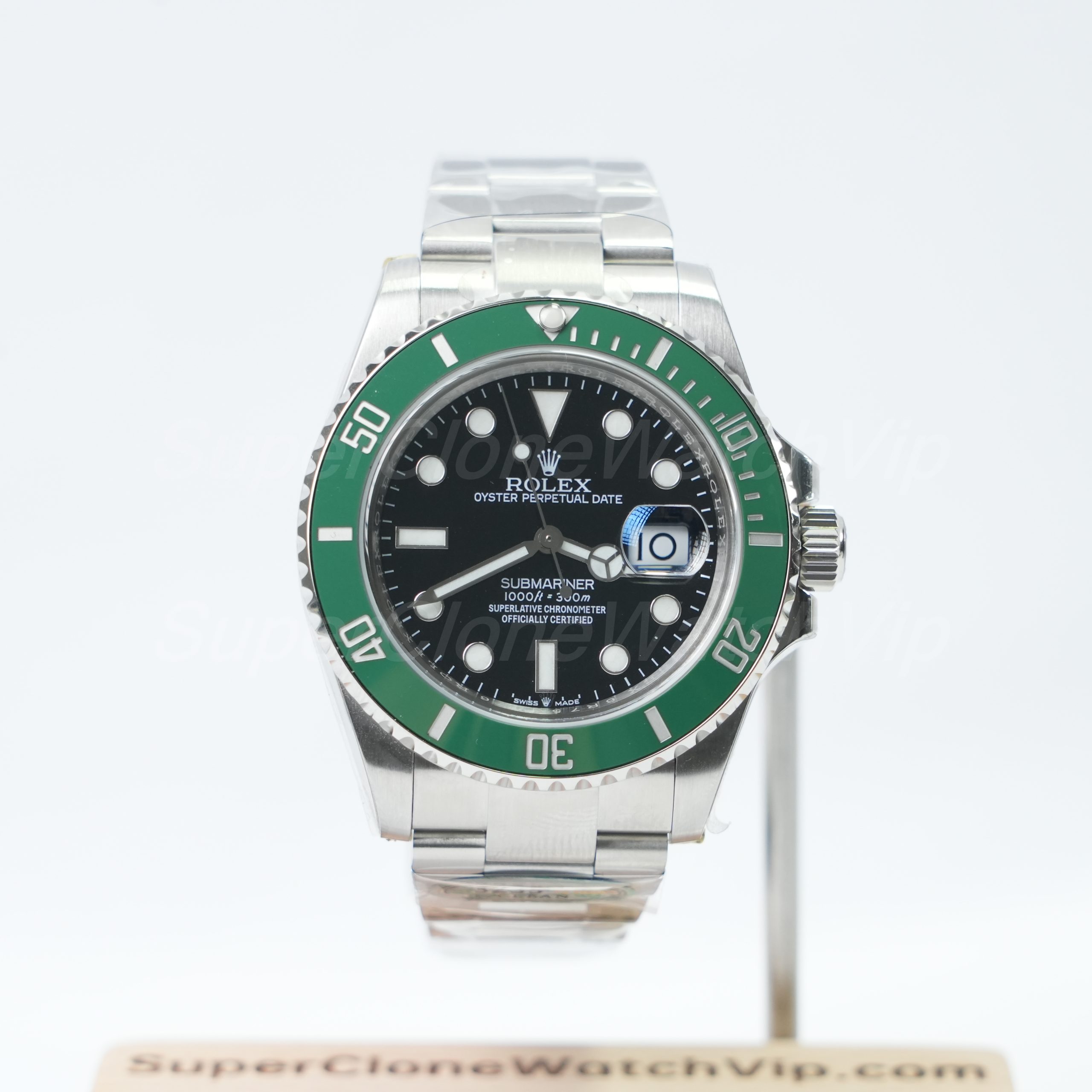
For sports-style daily wear, Submariner models usually require stronger attention on bezel alignment, case guards, Oyster bracelet fit, clasp shape, and date window balance. Meanwhile, a no-date version removes the date check but makes dial symmetry more visible.
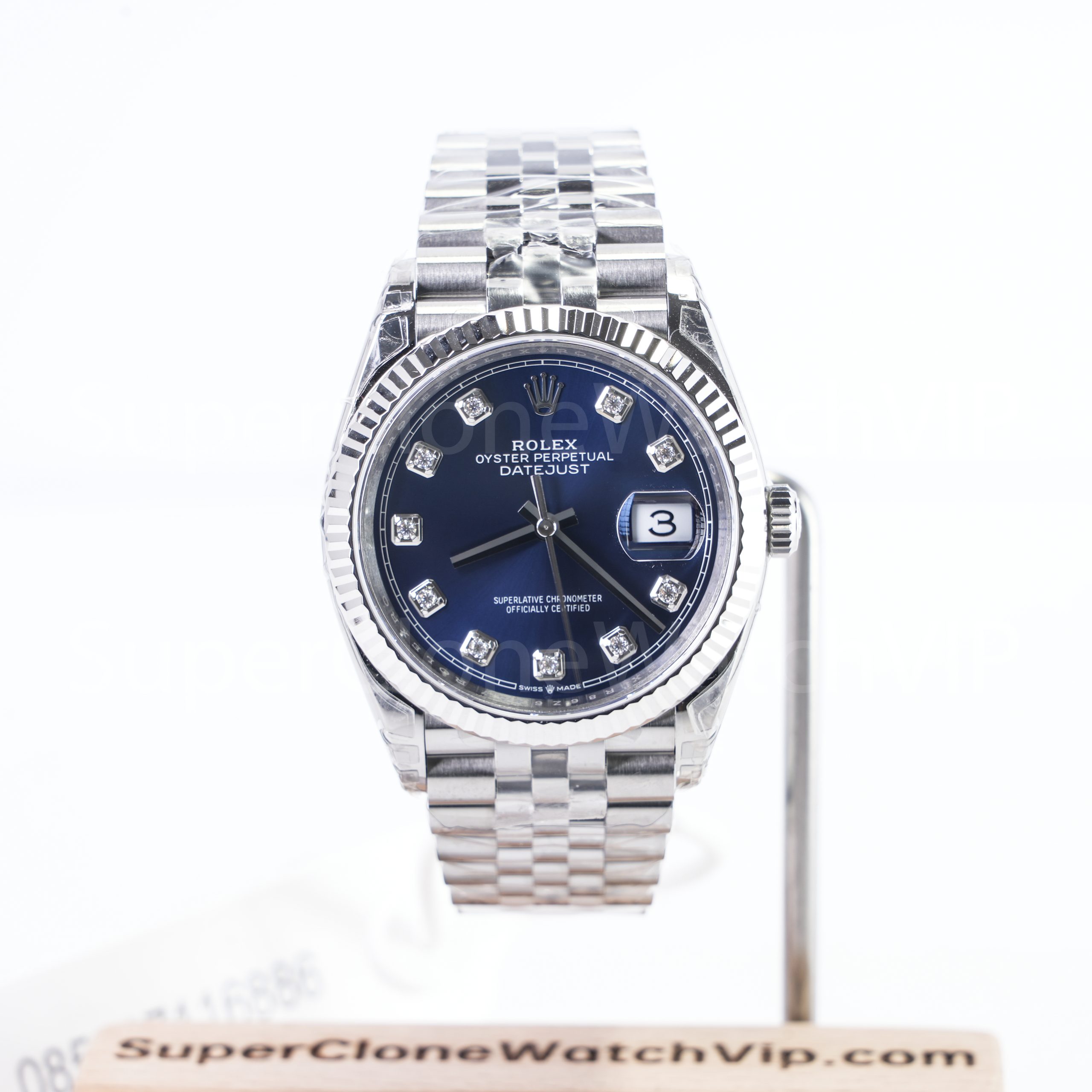
For a dress-sport direction, Datejust models need closer review of the dial tone, fluted bezel reflection, Cyclops position, and Jubilee bracelet finishing. In contrast, a GMT-style model adds extra checks for the 24-hour bezel, GMT hand, date position, and hand-setting function.
Therefore, a strong selection process should begin with the exact product family. The Rolex model options page helps compare product detail, dial direction, case style, and bracelet choices before asking for current stock.
| Submariner path Best fit for a sport-style daily watch with bezel, case, bracelet, and clasp checks. |
| Datejust path Best fit for a cleaner dress-sport look with dial, date, bezel, and bracelet checks. |
| GMT path Best fit for travel-style design with bezel color, GMT hand, and date checks. |
| Daytona path Best fit for chronograph styling with pusher, sub-dial, bezel, and video checks. |
Dial, Hands, Bezel, and Date Window Checks
First, the dial should be checked before any small technical discussion. A clean dial gives the strongest first impression. Therefore, the logo, text spacing, minute track, hour markers, hands, and lume filling should be reviewed in a straight front photo.
Next, marker alignment needs a calm look. Round markers should sit evenly. Rectangular markers should not lean. Triangle markers should point straight. Also, the outer minute track should not look crowded or uneven around the six o’clock and twelve o’clock positions.
For date models, the date window is one of the most important checks. The number should sit close to center, and the Cyclops lens should align naturally with the window. However, camera angle can distort magnification, so a front photo and a slight angle photo work better together.
Meanwhile, bezel alignment should be reviewed beside the dial. The twelve o’clock bezel marker should line up with the twelve o’clock dial marker. On ceramic bezel models, the insert should sit evenly. On fluted bezel models, the reflection should look consistent under normal light.
For neutral watchmaking terminology around lugs, crown guards, Twinlock, Triplock, and case structure, the official Rolex watchmaking case guide can be used as an outside reference. Still, final QC should focus on the prepared watch and its actual photos.
Dial photo set to request
- Straight front dial photo for logo, text, marker, and hand alignment.
- Close-up date window photo for font position and Cyclops alignment.
- Angled dial photo for crystal reflection, dial texture, and color tone.
- Natural-light photo for blue, green, silver, or sunburst dial colors.
Case, Bracelet, Clasp, and Wrist Presence
First, the case profile should not be judged from only one front photo. Side photos reveal thickness, crown position, crown guard shape, lug balance, and caseback finishing. Therefore, a complete QC set should include left side, right side, front, and back views.
In addition, lug shape affects how the bracelet sits. A clean end-link fit makes the watch look more complete. Wide gaps, uneven seating, or rough finishing can weaken the final impression even when the dial looks attractive.
The bracelet also deserves its own inspection. Oyster-style bracelets should show clean brushing and controlled polished edges. Jubilee-style bracelets need even small-link alignment and a smooth visual flow. Rubber-style and leather-style straps should match the requested model and case tone.
Finally, the clasp should close flat and sit neatly. Engraving should look tidy, although macro photos may make tiny marks look stronger. If the extension system matters for daily comfort, a short clasp video should be requested before final approval.
Movement Option and Function Proof
First, the movement option should match the exact model and factory version. A date model, GMT-style model, and chronograph-style model do not need the same function review. Therefore, the movement question should stay tied to the chosen reference.
For three-hand models, crown pull, time setting, and smooth hand movement are the basic checks. For date models, date change and date wheel position matter more. Meanwhile, GMT-style models need extra attention on GMT hand position, bezel action, and date operation.
For chronograph-style watches, pusher action and reset behavior should be reviewed when function is important. However, no unsupported technical promise should replace actual proof. A practical request should ask for movement option confirmation and short video proof when necessary.
In addition, the Rolex movement guide can help explain movement-related terms. For visible function checks, the video proof before shipping page is the better next step.
QC Photo Checklist Before Shipping
First, QC photos before shipping should answer one question: does the prepared watch match the requested model and version? Product pages show the style direction, while QC photos show the actual prepared piece. Therefore, the QC photo process should be reviewed before final approval.
Also, one attractive photo is not enough. A structured QC checklist keeps the review organized and makes the next action clear. If a detail looks unclear, an extra photo is better than guessing from a weak angle.
| QC Area | What to Check | Why It Matters |
| Dial | Logo, printing, minute track, hour markers, hands, lume, dust, and color tone. | The dial creates the first visible quality signal. |
| Bezel | Insert fit, twelve o’clock alignment, pearl, numerals, fluted edges, and rotation feel. | Bezel balance affects the whole face of the watch. |
| Case | Lugs, side profile, crown guards, crown position, caseback, and finishing marks. | Case shape controls proportion and wrist presence. |
| Bracelet | End links, brushing, polished sections, link fit, flexibility, and size adjustment. | Bracelet quality affects comfort and daily wear. |
| Clasp | Closure, engraving, safety lock, folding feel, and adjustment system. | Clasp fit affects both appearance and practical use. |
| Date Window | Date centering, font consistency, Cyclops alignment, and window cleanliness. | Date flaws are easy to notice in normal wear. |
| Movement / Function | Crown setting, date change, GMT hand, bezel action, and chronograph reset. | Function proof reduces uncertainty before shipping. |
| Video Proof | Dial angle, case profile, bracelet movement, clasp operation, crown action, and light reflection. | Video adds context that still photos cannot show. |
Natural Model Recommendations for Different Watch Plans
First, product selection should feel natural inside the article. The checklist explains what to inspect, while the model module shows where that inspection becomes practical. Each product direction below links to a matching product page, and each image is fully clickable.
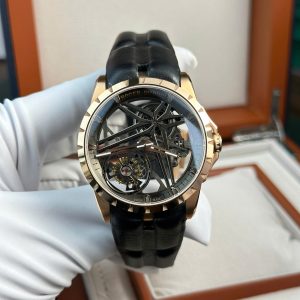
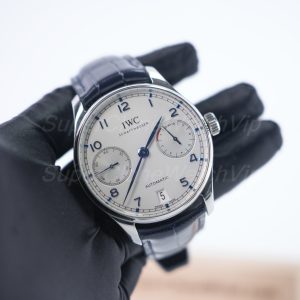
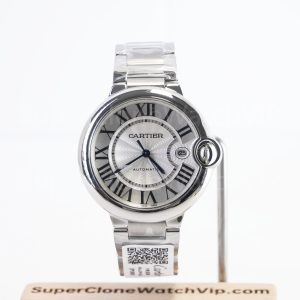
Moreover, the right model depends on use case. A green-bezel Submariner-style watch gives a stronger sports look. A blue Datejust-style watch feels more balanced for office and daily wear. A blue-bezel Submariner-style watch offers a sportier color direction with clear bezel and date-window checks.

How to turn model interest into a clear request
First, send the product link or model photo. Then add preferred factory direction, dial color, bracelet type, budget range, receiving country, and required QC checks.
After that, stock, factory version, movement option, QC photos, and video proof can be confirmed before shipping.
Common VSF Selection Mistakes to Avoid
First, choosing only by factory name can lead to weak decisions. A factory name is useful for narrowing options, but the prepared watch still needs QC photos. Therefore, the final review should always return to the actual dial, case, bracelet, clasp, and function proof.
Second, ignoring the date window is a common problem. A centered date looks clean during daily wear. However, a date that sits too high, low, left, or right can distract from an otherwise strong watch.
Third, case thickness can be missed when only front photos are checked. Side-view photos help confirm profile, crown position, and caseback shape. This is especially important for sports and chronograph-style models.
Finally, skipping video proof can leave function questions open. Photos show appearance, while video can show bezel rotation, date change, crown setting, clasp closure, and chronograph reset. Therefore, video proof should be requested whenever function matters to final approval.
Extended Reading for Stronger Internal Flow
For better site flow, this article should not stand alone. The following pages connect factory comparison, model selection, QC process, and order support into one clear path.
FAQ: VSF Review, QC Photos, and Movement Option
What should a VSF review include before payment?
A practical VSF review should include the exact model, current stock status, factory version, movement option, QC photo scope, and video proof request when needed. Moreover, the review should focus on the prepared watch rather than a factory name alone.
Which QC photos matter most for VSF watches?
The most useful photos show the straight dial, angled dial, date window, bezel, case sides, caseback, bracelet, clasp, and visible finishing details. In addition, a short function video can support final approval.
How should the movement option be checked?
The movement option should match the exact model and factory version. For example, date models need date-change review, GMT-style models need GMT hand checks, and chronograph-style models need reset and pusher proof.
Is video proof necessary for every model?
Not every model needs the same level of video proof. However, video is useful when bezel action, clasp operation, crown setting, date change, GMT hand movement, or chronograph reset matters to the order request.
Can factory version comparison replace QC photos?
No. Factory version comparison helps narrow the direction, but QC photos confirm the actual prepared watch. Therefore, factory research and pre-shipping inspection should work together.
What details should be sent for stock and QC confirmation?
A clear request should include the target model, dial color, bracelet type, preferred factory direction, budget range, receiving country, and required QC checks. Then stock, factory version, movement option, QC photos, and video proof can be confirmed.
Final confirmation
Confirm Stock, Factory Version, QC Photos, and Video Proof
In summary, a strong VSF selection comes from model-specific checking. Dial printing, bezel alignment, case profile, bracelet finishing, clasp fit, date centering, movement option, QC photos, and video proof all deserve attention before shipping.
For final VSF watch confirmation, send the target model, budget range, preferred factory direction, receiving country, and any must-check details. Then request current stock, factory version, QC photos, and video proof before approval.
- First, choose the exact model family, dial color, bezel style, and bracelet type.
- Next, confirm stock, factory version, movement option, and QC photo scope.
- Finally, review dial, bezel, case, bracelet, clasp, date window, movement function, and video proof before final approval.
For route and timing questions, review shipping and customs support before final approval.