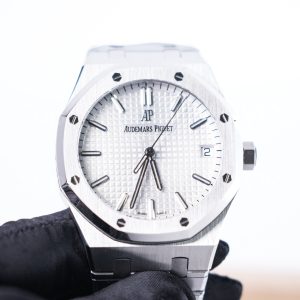
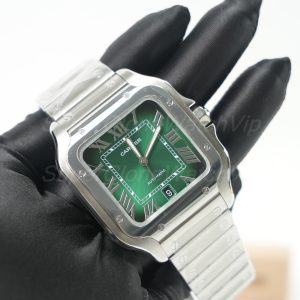
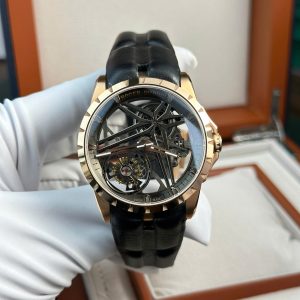
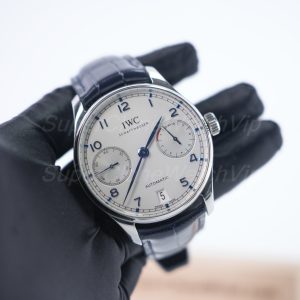
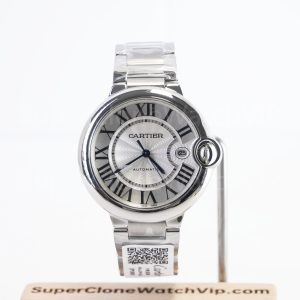
Before deciding whether a watch is “worth it,” answer three questions: What do you expect to receive? Which risks can you accept? How will you verify the exact watch before it ships? The question are super clone watches worth it cannot be settled by a catalog photo, a factory name, or a discount. It is a personal value decision built around purpose, evidence, budget, and the amount of uncertainty you are willing to carry after payment.
This page does not decide where to buy, give a universal legal answer, or break down every price factor. Its job is narrower: help you decide whether this type of purchase fits your expectations and whether the remaining risks are acceptable to you.
Define What “Worth It” Means for You
“Worth it” is not another name for “looks good.” A purchase can satisfy the visual goal and still fail on comfort, function, service, or risk. Start by choosing the result that matters most to you.
Appearance Goal
You want a particular design, case profile, dial layout, bracelet style, or wrist presence for normal wear. Decide how much visible variation you can accept before browsing.
Use Goal
You want a watch for office use, casual rotation, travel outfits, events, or style testing. The intended routine should determine size, complexity, and the functions you actually need.
Process Goal
You want enough evidence before shipment to judge the actual piece rather than relying only on listing photos. This makes QC and written support terms part of the value.
Write one sentence before you compare anything: “This purchase is worth it only if it gives me ______ without requiring me to accept ______.” The first blank states the benefit. The second identifies your limit. A buyer who wants design enjoyment may reach a different answer from someone who wants official ownership, authorized service, or resale value.
Browsing broad replica watches can show available design directions, but category breadth does not prove value. Value begins only when one specific model, one intended use, and one acceptable downside are defined.
Reasons Some Buyers See Value
Some buyers judge the purchase positively because their goal is limited and measurable. They are not asking the watch to provide official provenance or guaranteed future value. They are deciding whether the design, wearing experience, and pre-shipping evidence justify the money they are prepared to spend.
The Design Has a Clear Job
A restrained three-hand watch may fill an office role. A sports model may be reserved for weekends. A chronograph may be chosen because the dial architecture is the main attraction. Clear use makes the value easier to judge after delivery.
Normal-Wear Details Matter Most
Case shape, dial balance, bracelet feel, clasp action, and overall proportion affect daily use more than claims hidden in a product title. A buyer who prioritizes these visible and tactile details has a practical comparison standard.
The Purchase Can Be Verified
Actual photos and function clips can reduce avoidable surprises. They do not remove every long-term risk, but they let the buyer confirm configuration and visible condition before the watch is dispatched.
Value may also come from testing a case shape, dial color, or bracelet style before committing more money to a different watch route. That test is useful only when the buyer accepts what the watch is and does not represent it as genuine.
The same logic applies when comparing clone watches: a familiar design can be enjoyable, but the decision remains personal. The label itself cannot confirm finish, function, durability, support, or legal comfort.
Reasons the Same Purchase Disappoints Others
Disappointment usually begins with an expectation the product cannot satisfy. The issue is not always a visible defect. It may be a mismatch between what the buyer believed they were purchasing and what this category can realistically provide.
Four Expectation Mismatches That Change the Answer
- Ownership mismatch: official documentation, authorized service, brand-backed warranty, collectability, or dependable resale value is required.
- Accuracy mismatch: the buyer expects perfect equivalence under macro photography, side-by-side inspection, and every operating detail.
- Complexity mismatch: a complicated dial or function set is selected for appearance, but the buyer is unwilling to verify each visible and operating point.
- Risk mismatch: the buyer wants a cross-border transaction, delivery process, and after-sales outcome with no uncertainty.
Another common problem is using price as a promise. Paying more may provide access to a different version, finish level, configuration, or service scope, but it does not make QC unnecessary and does not guarantee that the watch will meet an individual buyer’s standards. Detailed price drivers belong in the separate cost guide linked near the end of this page; this page only asks whether the amount is sensible for your goal and risk tolerance.
The simplest test is emotional as well as practical: if a small visible difference, a delayed shipment update, or an issue requiring evidence-based support would make the entire purchase feel unacceptable, the category is probably a poor fit even when the initial photos look strong.
Expectation Gaps Around Finish, Function and Durability
Three different questions are often compressed into “quality.” Separating them prevents one attractive feature from hiding another area that has not been verified.
Finish: What Can You See?
Check dial cleanliness, printing, marker alignment, hand position, bezel alignment, case edges, brushing, polishing, end-link fit, bracelet gaps, and clasp condition where relevant.
Limit: one front-facing photo cannot show side profile, bracelet articulation, clasp action, or how the surfaces look under different light.
Function: What Is Demonstrated?
List the functions you actually need, then ask for evidence relevant to those functions. A date display, GMT hand, chronograph, rotating bezel, or openworked movement area creates different checkpoints.
Limit: never assume every displayed feature operates exactly as expected because the listing name sounds complete.
Durability: What Cannot Be Proven Yet?
Pre-shipping evidence can show visible condition and basic operation at that moment. It cannot prove how the watch will respond to months of wear, impact, moisture exposure, magnetism, poor handling, or lack of maintenance.
Limit: durability should be judged together with your wear habits, service access, and willingness to manage repairs.
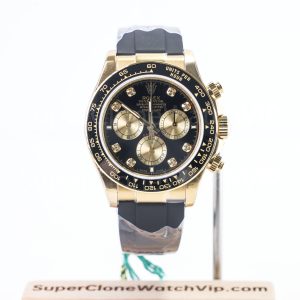
Why a Chronograph Raises the Inspection Burden
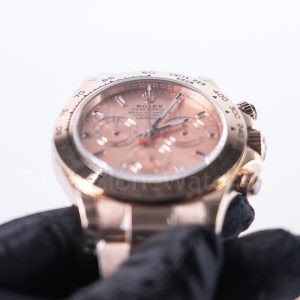
A chronograph-style layout adds sub-dials, pushers, extra hands, bezel markings, and more alignment points. That does not automatically make the watch better or worse. It means the buyer needs more evidence than they would for a simpler three-hand model.
Use this as a complexity example, not as a product recommendation. The value question is whether you care enough about the design to inspect and accept the additional checkpoints.
QC, Shipping and After-Sales Risk
Risk does not disappear because the watch passes a visual review. The useful approach is to separate risks by stage, identify what evidence can reduce each one, and decide which residual risks remain unacceptable.
01 · BEFORE DISPATCH
QC Risk
Confirm that photos show the actual allocated watch, the requested configuration, multiple angles, and relevant function evidence. Use the published QC process as the detailed reference rather than repeating every photo requirement here.
02 · AFTER APPROVAL
Shipping Risk
Confirm the destination, available route, tracking process, address details, and what happens when tracking pauses. Delivery estimates and customs handling should be read on the current Shipping & Customs page.
03 · AFTER DELIVERY
After-Sales Risk
Read what evidence is required, what types of issues may be reviewed, and whether the available outcomes are acceptable. The site’s Warranty & Support page describes an order-based review process; it should not be interpreted as an automatic replacement promise.
04 · PERSONAL THRESHOLD
Legal and Customs Concern
Rules and enforcement can differ by destination and circumstances. This page does not make a legal conclusion. If any uncertainty is unacceptable, stop the decision and review the separate legal and customs risk guide linked near the end of this page together with local information.
A useful decision does not ask whether risk is “low” in the abstract. It asks whether each remaining risk is visible, documented, and small enough for you to accept without regretting the purchase later.
Who Is a Good Fit—and Who Should Avoid the Purchase
More Likely to See Value
- The main goal is design enjoyment or normal daily rotation, not official ownership.
- The buyer can define acceptable visible differences before seeing QC.
- The intended functions are limited, relevant, and can be checked.
- The budget is discretionary and does not depend on future resale.
- The buyer will read shipping and support terms rather than assume them.
- Some residual uncertainty remains acceptable after verification.
Better Not to Buy
- Official papers, authorized service, brand warranty, investment value, or reliable resale are required.
- Any legal, customs, delivery, repair, or replacement uncertainty is unacceptable.
- The buyer expects perfect equivalence in every visible and mechanical detail.
- No actual-watch QC evidence is available before dispatch.
- The purchase would interfere with essential spending or create pressure to recover the money later.
- The decision is being driven by urgency, social pressure, or a discount rather than a defined use.
A Personal Value Scorecard
Score each dimension from 0 to 5. A score of 0 means the category conflicts with your requirement. A score of 5 means the category fits that requirement and you have evidence or a clear personal standard. Multiply each score by the listed weight using this formula:
Weighted points = (your score ÷ 5) × weight. Add all six dimensions for a total out of 100.
One-Veto Items
Do not let a high total overrule any condition that makes the purchase unacceptable. Stop if even one of these applies:
- You require genuine status, official documents, authorized service, or investment value.
- You cannot accept any legal, customs, shipping, repair, or replacement uncertainty.
- The exact configuration or actual-watch QC evidence cannot be confirmed.
- After-sales terms are unavailable, unclear, or unacceptable to you.
- The possible loss would affect essential expenses or create financial stress.
Decision Before Payment
Do not pay because the total score feels encouraging. Pay only after the evidence behind the score is current, specific to the intended watch, and consistent with the published policies.
- State the purpose. Write where and how often the watch will be worn, plus the details that matter most.
- Confirm the configuration. Save the model, size, dial, bracelet or strap, version information, and functions in writing.
- Review actual evidence. Check multiple QC angles and any function demonstration relevant to the model.
- Read the delivery and support terms. Do not replace written policies with assumptions from chat messages or reviews.
- Check the lowest score. Resolve that dimension before focusing on the total.
- Apply the veto test. If one non-negotiable remains unresolved, the correct action is not to buy yet.
A factory name can be part of the configuration check, but it should not become a substitute for evidence. Use the factory guide only after the exact model is clear.
Separate Questions for the Next Step
Final decision rule: use the total score to measure fit, then use the veto list to protect your non-negotiables. A high score with one unresolved veto is still a “not yet.” A lower score that becomes acceptable only after changing your expectations is evidence that the original purchase was not worth it for you.
FAQ
Are super clone watches worth it for daily wear?
They may suit daily wear when the model is comfortable, the visible details meet your normal-wear standard, the functions you need are confirmed, and you accept that future service may not follow an authorized-brand route. Daily use makes bracelet comfort, clasp action, crown operation, and your exposure to impact or moisture more important than catalog appearance alone.
Who is most likely to be disappointed?
The highest-risk buyer expects genuine status, perfect one-to-one equivalence, guaranteed resale, authorized service, or a completely risk-free cross-border transaction. Disappointment is also likely when a complicated model is chosen without checking its extra visual and functional points.
Does a higher price remove the need for QC?
No. A higher quoted price does not confirm the exact configuration, visible condition, alignment, finish, or operation of the allocated watch. QC is still needed to connect the offer to the piece prepared for dispatch.
How should after-sales support affect the decision?
Treat support as a weighted value factor, not a vague reassurance. Read what issues may be reviewed, what proof is required, what outcomes may be offered, and what is excluded. Score the purchase lower when those terms are unclear or when the available process would not satisfy you.
When is it better not to buy?
Do not buy when any veto item applies: official ownership is required, legal or customs uncertainty is unacceptable, actual-watch evidence is unavailable, after-sales terms are not acceptable, or the possible loss would affect essential spending. Postponing is also sensible when the model is being chosen for urgency or status rather than a defined wearing purpose.