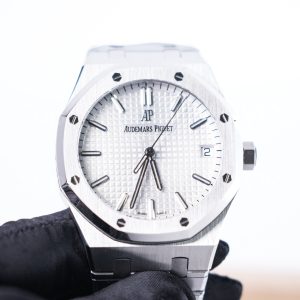
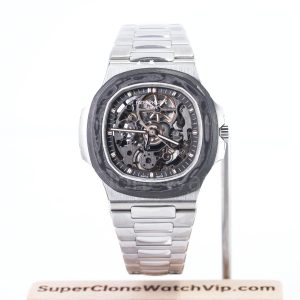
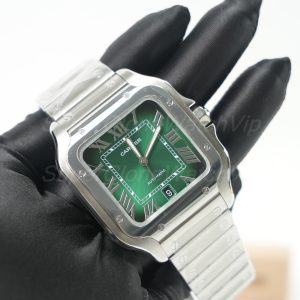
Doubling a watch budget should not merely buy a louder factory label or a more polished product page. For buyers comparing the best replica watches under $1000 with a roughly $500 order, the extra spend should produce evidence: tighter exterior finishing, a function worth testing, deeper exact-unit QC, or clearer after-sales handling. If the seller cannot show which of those changed, the upgrade has not been proven.
This guide is not a ranked product list and does not claim that every watch near the budget ceiling reaches the same level. It shows how to decide whether a higher quote is paying for a verifiable improvement or only for stronger marketing language.
What the Extra Budget Should Actually Improve
A higher budget creates value only when it removes a weakness that matters to the chosen model. On a simple daily watch, that may mean a cleaner dial, a better-shaped case, tighter end-link fit, more consistent brushing, or a clasp that closes properly. On a function-heavy model, it may mean clearer movement identification and a video showing the relevant operation. On any order, it may mean that the exact unit is photographed from enough angles to make approval meaningful.
Do not demand every possible upgrade at once. A $1000 ceiling is still a limit, not a guarantee of flawless exterior work, perfect movement decoration, complete functional parity, or uniform quality across every factory and model. The useful question is: which specific weakness is the extra money supposed to reduce, and what proof will demonstrate that reduction? Use the factory version guide only after the model and priority are clear, so a factory name supports the decision instead of replacing it.
Upgrade test: Ask the seller to name one visible improvement, one functional or version improvement, and one service improvement over the lower-priced option. If the answers cannot be connected to photos, video, written specifications, or support terms, keep the lower budget or change the model.
Exterior Finishing vs Movement and Function
The biggest allocation mistake is paying for exterior refinement and mechanical complexity without deciding which one matters more. The same budget can support a cleaner-looking simple watch or a more complicated watch that needs stronger function proof. It rarely removes every compromise from both areas.
Exterior-led decision
Pay for what stays visible on the wrist
Prioritize dial balance, marker placement, date centering, bezel alignment, case profile, bracelet fit, clasp finish, strap edges, and consistent polishing or brushing. Keep the movement and complication set simple enough to verify.
Function-led decision
Pay for the operation you will actually use
Prioritize clear movement identification and proof of the relevant function. A GMT hand, chronograph reset, power-reserve display, date mechanism, rotating bezel, or special clasp adds value only when its operation is shown and understood.
A more complex movement is not automatically better value. Complexity creates additional inspection points, possible thickness changes, and more functions that need proof. A simpler model with stronger proportions and cleaner finishing may deliver a more convincing daily result than a complicated model selected mainly for its specification list.
Before choosing, write one sentence that defines success: “I want the cleanest exterior for daily wear,” or “I am paying specifically for a working GMT or chronograph function.” That sentence decides where the budget belongs and prevents attractive but irrelevant upgrades from taking priority.
Model Categories That Benefit Most From More Budget
Extra budget is most useful when the model exposes enough detail to verify an improvement. The categories below are not rankings. They show where stronger exterior work, deeper QC, or function evidence can change the result in a way the buyer can inspect.


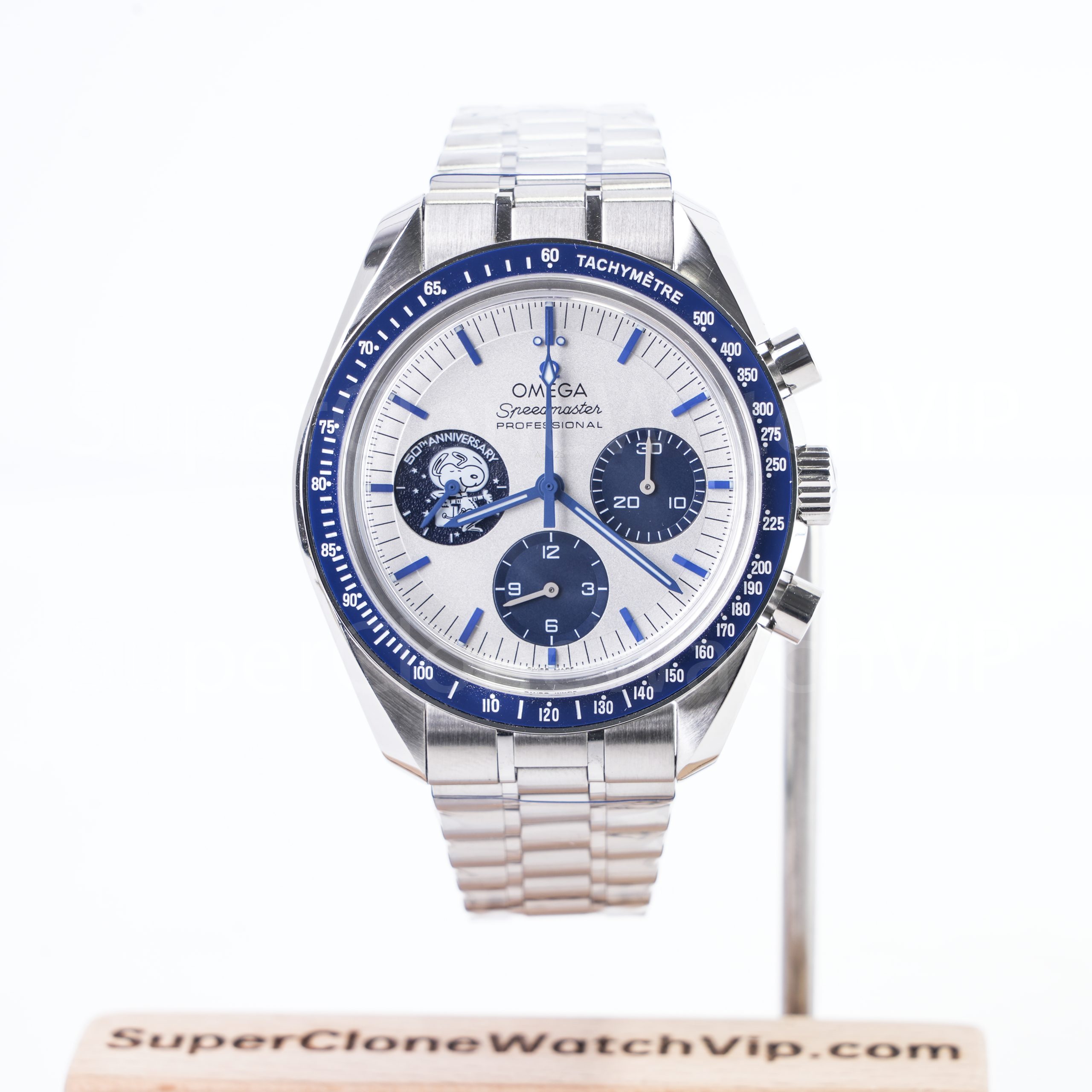
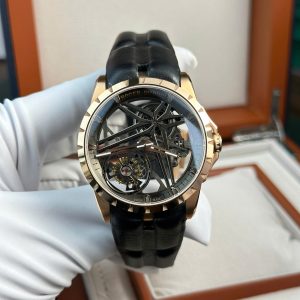
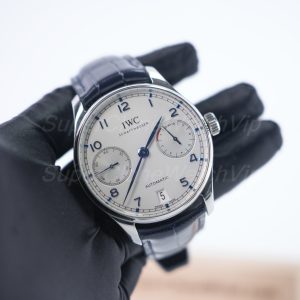
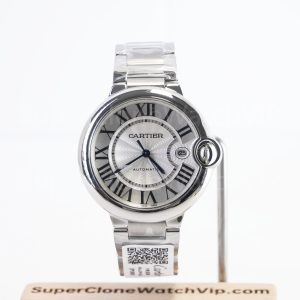
These linked models are inspection examples, not a top-three ranking. Confirm the current listing price, stock, version, and QC availability before treating any model as eligible for the budget. Buyers who want to compare immediately available options can also review the ready-to-ship model list without turning this page into a stock catalogue.
QC Depth, Video Proof and After-Sales Value
At a higher budget, QC photos before shipping should become more specific rather than merely more numerous. Ten nearly identical front photos are less useful than a smaller set that answers the actual buying questions. A daily steel watch needs clear case, bracelet, clasp, date, and alignment views. A chronograph or GMT needs those exterior checks plus video proof before shipping for the function that justified the extra cost.
After-sales value is also part of the upgrade, but it must be read from the current policy rather than assumed from the price. A higher quote does not automatically create unlimited warranty, automatic replacement, local repair, or guaranteed outcomes. Review the site’s warranty and support process, then ask how order records, QC records, photos, and videos are used if an issue is reported.
The practical service upgrade is not a vague promise that “everything is covered.” It is a clearer path: one official contact route, specific evidence before shipping, documented approval, and an explained method for reviewing an issue after delivery.
Allocate the Budget by Buyer Priority
Do not split the budget evenly across every possible feature. Choose one primary allocation, one supporting allocation, and one area to keep simple. The following three plans are intentionally qualitative because the real price difference depends on the exact model and current version.
Plan A
Appearance-first allocation
Largest share: dial, case shape, bezel, bracelet or strap, clasp, and finishing quality.
Supporting share: exact-unit close-ups and natural-light video.
Keep simple: complications and movement decoration that do not improve daily appearance.
Plan B
Function-first allocation
Largest share: the movement direction or complication that motivated the purchase.
Supporting share: targeted operation video and model-specific version confirmation.
Keep simple: decorative extras, special finishes, and details unrelated to the chosen function.
Plan C
Support-first allocation
Largest share: exact-unit QC depth, clear communication, approval records, and defined issue-review steps.
Supporting share: a stable, easier-to-check model and current stock confirmation.
Keep simple: rare configurations or complex functions that increase uncertainty and sourcing time.
How to choose among the three plans
Choose the appearance-first plan when the watch will be judged mainly by wrist presence and visible finishing. Choose function-first when a GMT, chronograph, power-reserve display, or other operation is the reason for the purchase. Choose support-first when uncertainty, first-order risk, communication, and after-sales handling matter more than collecting the most complicated specification.
Under-$1000 Value Approval Checklist
Approve the higher budget only after each extra cost has a matching benefit and proof. This checklist is deliberately stricter than a general buying checklist: it tests the upgrade itself.
Approval rule
Do not approve a $700–$1000 option merely because it is more expensive than a $500 option. Approve it when the added price is tied to at least one visible, functional, QC, or service improvement that matters to your chosen priority—and the evidence is available before shipment.
FAQ: Proving the Upgrade Below $1000
Before approving the upgrade
Match Every Extra Dollar to a Verifiable Improvement
Run the final check in order: name the improvement, confirm that it serves your appearance, function, or support priority, request the evidence, and record the remaining compromise. The best replica watches under $1000 are not defined by reaching the budget ceiling; they are defined by proving that the upgrade removed a weakness you actually care about.
Send the target model or product link, the lower-priced option you are comparing, your chosen priority, the version question, and the exact proof you need. Ask support to explain what the higher quote adds before you approve the watch.