Ten minutes before payment is the wrong time to discover that a polished storefront cannot explain who receives the money, which version will be supplied, or what happens if the QC evidence does not match the order. A search for the best super clone watch website should therefore lead to a seller audit, not a popularity claim. The useful question is whether the website and its support team can produce consistent, written evidence across the product page, quotation, QC process, payment request, shipping terms and after-sales policy.
Use this page before sending a deposit or full payment. Record what the seller states, mark what is still missing, and stop when the evidence conflicts. A professional design can support trust, but it cannot replace verifiable order information.
Verify the Business Before Evaluating the Watches
Begin with identity consistency. The domain, published contact channel, quotation, payment instructions and support account should describe the same seller. An online store may use email, messaging apps or both, but the contact route should be visible before checkout and should not change without a clear written explanation.
A broad catalog of replica watches does not prove that a business can complete a specific order. Save the exact product URL, the support handle, the date of the quotation and the name or account that will receive payment. If the seller later changes one of those details, compare the new instruction with the original record before proceeding.
The first response also reveals how the business handles evidence. A useful reply answers the exact model, version, stock and policy questions. A weak reply repeats phrases such as “top quality” or “trusted seller” while avoiding the details needed to verify the transaction.
Create a Pre-Payment Evidence Record
- Store domain and exact product-page URL.
- Published email address or messaging account.
- Seller name or identifier shown on the quotation.
- Payment recipient, currency and quoted total.
- Screenshots of QC, shipping and after-sales terms discussed in chat.
Product Pages Must Show Model and Version Specificity
A product page should identify the watch closely enough for the buyer and seller to discuss the same item. At minimum, look for the model family, reference or identifying configuration, case size when stated, dial and bracelet or strap description, and the version or factory information the seller is prepared to confirm. Even when a site groups products under clone watches, the individual page still needs model-level detail.
Treat factory names and version labels as claims that require order-specific confirmation. A page may remain online after stock or versions change. Before payment, ask whether the quoted item is the same version shown on the page, whether substitutions require approval, and which visible details distinguish the available version.
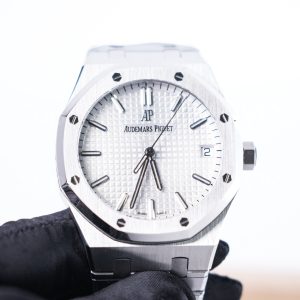
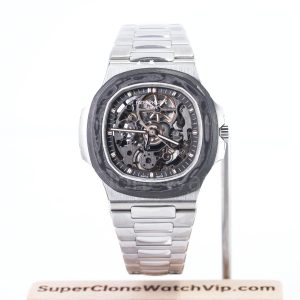
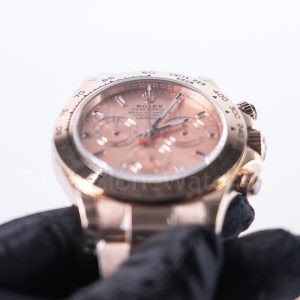
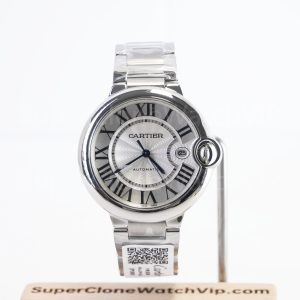
The three pages below are retained as examples of model-specific URLs. They are not rankings. Use them to check whether the page title, configuration and quoted item remain consistent through the QC stage.
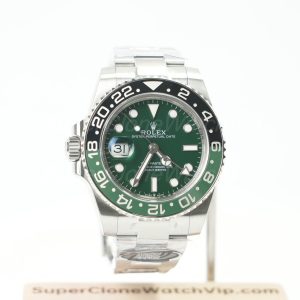
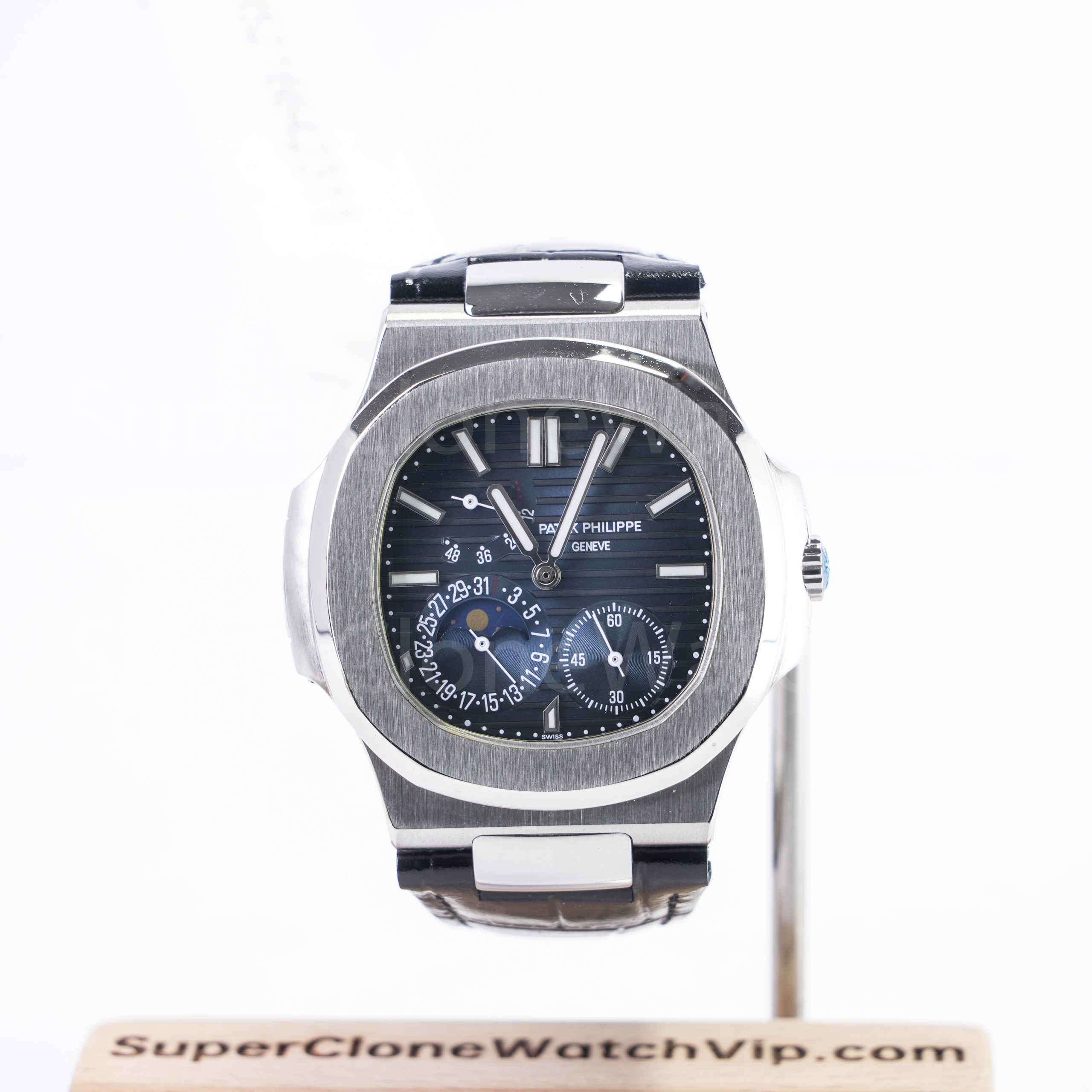

Practical test: send the product link back to support and ask them to restate the model, current version, total price and expected QC evidence in one written reply. If the answer changes the item without explaining why, mark the product check as unresolved.
QC Policy: Photos, Videos and Approval Rights
Catalog images describe a model; QC evidence should relate to the watch prepared for the order. The seller should explain when QC is produced, what views are normally supplied, whether video is available for relevant functions, and what the buyer may do after reviewing the evidence.
Do not assume that every seller provides QC before any payment. Some order processes require a deposit or full payment before sourcing begins. The reliability test is whether the sequence is disclosed before money is sent: payment stage, QC timing, approval rights, correction or replacement procedure, and the point at which shipment becomes final.
Useful QC coverage depends on the model, but the set should allow basic checks of the dial, hands, markers, bezel where relevant, case sides, crown, bracelet or strap, clasp and caseback. A date display, GMT function or chronograph adds model-specific checks. The seller should not treat one distant front photo as complete evidence.
Before approval, compare the QC set with the exact product page and quotation. Check that the configuration, color, bracelet or strap, reference direction and stated version have not changed. For a clearer explanation of the site’s published workflow, review the QC Process.
Evidence Question
“Will the QC set show the actual item allocated to my order, and how will it be linked to my order details?”
Approval Question
“What may I request if the QC evidence shows a visible defect, wrong configuration or unclear detail?”
Payment Methods, Deposits and Invoice Clarity
A payment request should be understandable before the buyer chooses a method. Ask for a written quotation or invoice that states the exact product, quoted version if confirmed, total amount, currency, shipping charge, additional fees, deposit or balance structure, and the policy that applies if the order cannot proceed as quoted.
The payment recipient should remain consistent with the seller’s written instructions. A different recipient is not automatically proof of fraud, but it requires a clear explanation through the original contact channel. Pause if the recipient, currency, amount or method changes only after the buyer is ready to pay.
No payment method makes an unclear transaction safe. The stronger protection is a consistent evidence trail: product link, quotation, recipient details, payment stage, QC rights and after-sales terms. Keep the final written version rather than relying on a disappearing message or a phone call alone.
Pause the Payment When
- The seller adds an unexplained fee after issuing the quotation.
- The recipient changes and the original contact cannot verify the change.
- The seller refuses to state whether the payment is a deposit or full settlement.
- The buyer is pressured to pay immediately to avoid an unverified stock or price threat.
- The seller asks the buyer to misrepresent transaction information.
Shipping, Customs Communication and Tracking
Shipping language should separate what the seller controls from what the carrier or customs authority controls. A reliable explanation uses estimates for preparation and transit, states when tracking is normally issued, and describes what support is available if movement stops. Absolute claims such as guaranteed delivery, guaranteed clearance or zero customs risk should be treated as unsupported unless a written remedy is also defined.
Before payment, ask which route is expected for the destination, when dispatch is estimated after QC approval, whether tracking begins immediately or after transfer to another carrier, and how long the seller waits before opening an investigation. The answer should also distinguish delay, loss, return to sender and customs action because these situations may have different remedies.
Customs communication must be careful and conditional. The seller can describe previous routes or normal procedures, but should not promise a decision controlled by authorities. The buyer should understand who communicates with the carrier, what evidence may be required, and whether a replacement or refund policy applies if the parcel does not arrive.
Read the published Shipping & Customs information, then compare it with the individual quotation. If chat instructions contradict the published page, request written clarification before paying.
Returns, Replacement and After-Sales Evidence
After-sales terms matter most when an order does not follow the expected path. Ask the seller to separate four situations: the wrong item is supplied, damage is visible on arrival, a function does not operate as described, or the parcel is delayed or lost. One vague “warranty” sentence cannot explain all four.
Written terms should identify the reporting window, the photos or video required, whether the item must remain unworn, who decides between repair, replacement, store credit or refund, and who pays any return shipping. The seller should also state whether a visible issue shown and approved during QC is treated differently from a problem first discovered after delivery.
Do not rely on a promise that support will “take care of everything.” Ask for the applicable remedy and conditions before payment. A policy is useful only when the buyer can match it to the order and preserve a copy.
Terms to Confirm in Writing
- Which problems qualify for review.
- How soon the buyer must report the problem.
- What photo, video or packaging evidence is required.
- Available remedies and who chooses among them.
- Return address, shipping responsibility and any exclusions.
Reviews, Contact History and Red Flags
Reviews can support an audit, but they should not replace it. Look for comments that connect a model, QC stage, communication event and delivery outcome. Generic praise gives less usable evidence than a review that explains what the seller did when a question or problem occurred.
Contact history is often more revealing than a review score. Compare the first answer with the final quotation. Check whether the seller continues to use the same account, repeats the same product and version information, and answers policy questions without changing the subject. A consistent history does not prove perfection, but contradictions show where more evidence is required.
Use public feedback as corroboration only. The separate Customer Reviews page is included in the related reading section for buyers who want to inspect the site’s published order experiences without turning this seller-audit page into a full review-analysis guide.
Request More Evidence
- A policy exists but does not cover the quoted order.
- The version is named but current stock is not confirmed.
- Shipping estimates are given without a delayed-parcel procedure.
Stop the Transaction
- The seller refuses to identify the exact item being paid for.
- Payment details repeatedly change without verification.
- QC is promised, then removed after payment.
- Pressure replaces written answers to material questions.
A 20-Point Website Reliability Audit
Mark every item as Pass, Needs Evidence or Stop. “Pass” means the claim is supported by consistent written information. “Needs Evidence” means the transaction should pause while a missing detail is clarified. “Stop” means the seller has refused, contradicted or materially changed information required to understand the order.
Do not turn the list into a cosmetic score. Identity, item, QC, payment recipient and remedy terms are critical controls. One serious contradiction in these areas can outweigh several polished website features.
FAQ
What contact information should a reliable website provide?
It should publish at least one stable pre-payment contact route and use that same identity when issuing quotations and confirming payment instructions. Save the domain, email or messaging handle, quotation name and date. A sudden switch to an unrelated account needs verification through the original channel.
Should a buyer pay before receiving QC evidence?
That depends on the disclosed order sequence. Some sellers require a deposit or payment before sourcing the item and preparing QC. Before paying, obtain written confirmation of when QC will be supplied, what approval rights apply, and what happens if the evidence shows the wrong configuration or a visible problem.
Which payment requests are red flags?
Stop or pause when the recipient changes without verification, new fees appear after the quotation, the seller will not define deposit and balance terms, payment urgency replaces written answers, or the buyer is asked to misrepresent transaction information.
How should shipping and customs promises be worded?
They should use estimates, identify the expected route and tracking stage, and explain the procedure for delay, loss or customs action. A seller can describe its support process but should not guarantee decisions made by carriers or authorities.
What after-sales terms need written confirmation?
Confirm covered issue types, reporting deadline, required photos or video, whether the item must remain unworn, available remedies, who decides the remedy, and who pays return shipping. Separate product problems from parcel delay or loss because the procedures may differ.
Use the Audit Result to Choose the Next Action
Do not finish the audit with a vague impression. Convert the evidence into one of three transaction decisions:
Continue the Inquiry
Proceed only when the seller identity, exact item, QC sequence, payment request, shipping terms and after-sales procedure are consistent in writing.
Request More Evidence
Pause payment when a detail is missing but no contradiction has appeared. Ask one precise question, save the answer and update the relevant audit item.
Stop the Transaction
Do not send funds when identity or recipient details conflict, the item cannot be defined, promised QC is removed, or written remedies disappear under pressure.
The purpose of the 20-point audit is not to crown a website as “best.” It is to decide whether this seller has produced enough consistent evidence for this order. Continue asking only where proof can close a clear gap; stop when the gap becomes a contradiction.