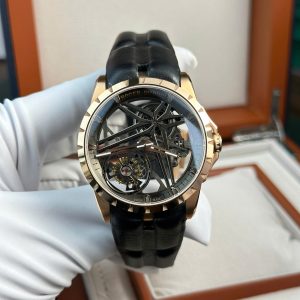
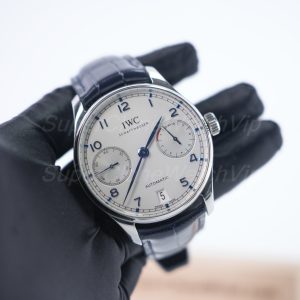
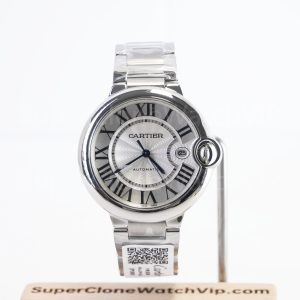
An integrated metal bracelet makes a Nautilus feel architectural and continuous; a fitted rubber strap gives an Aquanaut a lighter, more casual rhythm. That contrast is the fastest way to begin a Patek Philippe super clone shortlist. Before comparing a specific reference or factory label, decide how the watch should sit on the wrist, how much dial information you want, and which surfaces must be proven in QC.
For readers comparing higher-grade replica watches, this page stays at brand-family level. It maps Nautilus, Aquanaut and a limited “other Patek direction” by wearing style, size feel, function complexity and inspection burden. Exact 5711, 5712 and 7118 selection belongs in the dedicated Nautilus article, while PPF versus 3KF belongs in its own factory comparison.
Start a Patek Philippe Super Clone Shortlist With Nautilus or Aquanaut
The family decision should come before the reference decision. A Nautilus is led by the relationship between bezel, case and bracelet. An Aquanaut is led by the relationship between case, embossed dial and fitted strap. Those two attachment systems change the watch’s formality, apparent size and QC priorities more than a dial color does.
Open the Patek Philippe replica watches collection only after choosing the direction below. Product browsing is more efficient when the attachment style and function level are already fixed.
Begin with Nautilus when
The bracelet should be part of the watch’s architecture, the wardrobe is smart-casual to polished, and you are prepared to inspect bezel geometry, first-link fit and finishing continuity.
Begin with Aquanaut when
A rubber strap, casual clothing and lighter visual flow matter more than bracelet presence, while strap-to-case fit and clasp alignment can be checked clearly before approval.
Use another Patek direction when
Neither an integrated bracelet nor a sport strap matches the intended wardrobe. Keep that route brief here; dress and alternative case families should be judged on their own proportions rather than forced into a Nautilus-versus-Aquanaut answer.
Nautilus: Case Shape, Bracelet and Dial Architecture
A Nautilus should be reviewed as one continuous object. The bezel outline, side ears, case thickness, first bracelet links and clasp all contribute to the silhouette. A good dial photograph cannot compensate for a heavy side profile or a bracelet that leaves the case at an awkward angle.
Read the case in three views
- Straight front: compare the left and right bezel shape, marker placement, logo position, date area and overall dial balance.
- Side profile: check whether the case appears controlled rather than bulky, and whether the crown and caseback sit neatly within the silhouette.
- Forty-five-degree angle: inspect brushing and polished edges, the first-link transition and whether both sides of the bracelet fall naturally.
Treat the bracelet as a visible function
The bracelet does more than hold the case. Ask for close views of the first links, articulation, taper and clasp. The two sides should meet the case with similar spacing. Brushing should run consistently across adjacent links, polished boundaries should look controlled, and the clasp should close flat without an obvious uneven gap.
Exact reference comparison is intentionally limited here. Once Nautilus has won the family decision, use the 5711, 5712 and 7118 Nautilus guide to choose among clean, complication-led and smaller-proportion directions.
Nautilus approval action
Do not approve from a single front photograph. Require one straight dial image, one true side view and one angled bracelet-and-clasp view. Those three frames reveal the architecture before you spend time on tiny printing.
Aquanaut: Strap Integration and Sportier Wear
Aquanaut shifts the attention from bracelet finishing to strap geometry. The fitted strap should look designed for the case rather than added afterward. Check where the strap enters the case, whether both sides follow the same angle, and whether the gap remains visually even in a straight photograph.
The embossed dial and strap texture should also feel related. They do not need to appear identical in every photograph, but the pattern should remain clear under normal light rather than disappearing into glare or looking unusually flat. Ask for a neutral-light front image and a second angled image to separate actual texture from camera reflection.
Strap-to-case junction
Look for equal left-right seating, a clean transition at the case, no obvious twisting and no unexplained gap that appears on only one side.
Strap and clasp relationship
Request a clasp-open and clasp-closed view. Confirm that the strap sits centrally, the clasp is not visibly skewed and the supplied sizing method suits the intended wrist.
Casual-wear advantage
The rubber-strap direction is usually easier to place with T-shirts, polos, travel clothing and relaxed layers. The trade-off is that strap fit becomes a front-line QC issue rather than a secondary accessory check.
Before any irreversible strap adjustment, confirm the supplied strap, clasp, sizing method and replacement options for the exact product. Do not assume that every Aquanaut-style strap is prepared or sized in the same way.
Reference Size and Wrist Proportion
The listed diameter is only one part of size. Nautilus can look broader because the case flows directly into the first bracelet links. Aquanaut can look visually lighter because the strap breaks up the metal surface, yet its dial, bezel and strap shoulders still create a clear footprint.
Judge proportion with the product’s own dimensions and photographs rather than using one universal wrist rule. The site’s watch size guide can support the general measurement step, but the family-specific checks below should make the final decision.
Four proportion checks before shortlisting
- Case width: confirm the dimension listed on the exact product page rather than borrowing a size from another reference.
- Case length and attachment span: look at how far the case plus first links or strap shoulders travel across the wrist.
- Side thickness: request a level side photograph; an angled glamour image can hide height.
- Closure position: make sure the clasp can sit under the wrist without pulling the case off-center.
When two references are close, compare photographs taken from similar distances and angles. A wider camera lens or a watch held near the lens can make a smaller model appear larger than it wears.
Simple Time-Only vs Complication Choices
Function complexity changes both the visual character and the evidence needed before approval. A simple time-and-date layout places more attention on alignment, texture and proportion. A complication-led dial adds display zones, hands, scales, pushers or calendar elements that must be checked individually and as one balanced composition.
Time and date
Best for a restrained dial and a lower inspection burden. Concentrate on marker alignment, hand length, logo placement, date centering, dial texture and the case-to-attachment transition.
Evidence: straight front, side profile, crown setting and date-change confirmation when relevant.
Calendar, moonphase or multi-display layout
Best for buyers who value dial character and accept more review work. Inspect each printed scale, display window, sub-dial position and hand relationship without assuming every visible element operates identically.
Evidence: close-up stills plus a function video showing the controls and actual display behavior.
Chronograph direction
Best for a sportier dial and stronger visual presence. Pusher shape, hand reset, sub-dial spacing, date placement and case-side balance all require additional attention.
Evidence: one uninterrupted start, stop and reset clip, followed by a side view of the pushers and crown.
Do not buy a dial function from a still image
A photograph proves appearance at one moment. It does not prove how a pusher resets, how a calendar control responds or which display is functional. Open the video proof before shipping page when the selected watch has more than basic time-and-date operation.
Dial, Case, Bracelet or Strap QC
The QC set should prove the actual prepared watch, not repeat polished listing images. Use the QC process for the site-wide workflow, then apply the family-specific sequence below.
1. Dial
Straight framing, marker alignment, logo and minute-track position, hand finish, date centering, texture and visible dust.
2. Case and bezel
Left-right symmetry, side thickness, crown position, edge definition and clean separation between brushed and polished areas.
3. Bracelet or strap
Nautilus: first-link seating, taper, articulation and brushing. Aquanaut: equal strap seating, texture, curve and clean case integration.
4. Clasp
Open and closed views, centered closure, even visible gaps, interior finishing and a short clip showing normal operation.
5. Functions
Crown setting, date change, calendar or moonphase controls when present, and chronograph start-stop-reset for applicable models.
6. Lighting consistency
At least one neutral-light image. Heavy warm filters and dark reflections make dial color, texture and metal finish harder to judge.
Reject the evidence set before rejecting or approving the watch. When a critical area is hidden, blurred or shown only at an angle, request that exact view again rather than guessing from another photo.
Factory and Version Verification
Factory labels should organize the verification process, not end it. Across clone watches, a name that is relevant to one reference or batch may not answer a different model question. Confirm the exact watch first, then compare the available version against visible evidence.
Version verification record
- Exact family, reference, dial color and case finish.
- Bracelet, leather strap or rubber strap configuration.
- Factory label and stated version for the current item.
- Movement or function layout stated on the exact product page.
- Current QC photographs of the prepared watch, not a sample set.
- Function video for any complication that affects the decision.
This brand guide does not rank PPF against 3KF. Open the PPF vs 3KF Nautilus QC guide only after the Nautilus reference is known and a factory-level comparison is genuinely needed.
Avoid claims such as “best factory for every Patek.” A defensible answer is narrower: this stated version, for this exact model, passed or failed these visible and functional checks.
Build a Patek Sports-Watch Shortlist
Use this table to keep the decision at brand-navigation level. It separates attachment style, apparent size and function burden before sending readers to a deeper article.
| Direction | Wearing style | Size feel | Function complexity | QC priority | Deep guide |
| Nautilus integrated bracelet | Polished daily and smart-casual | Broad, continuous span from case into first links | Low to high, depending on dial | Bezel geometry, side thickness, dial balance, first-link fit, taper and clasp | Reference guide |
| Nautilus alternative strap or complication | Refined with more dial or strap emphasis | Case can feel similar while a busy dial adds visual weight | Medium to high | Sub-display spacing, controls, case profile and strap connection | Factory QC guide |
| Aquanaut time and date | Casual daily, travel and warm-weather wear | Visually lighter, with size shaped by dial and strap shoulders | Low to medium | Strap-to-case fit, embossed dial, date centering, clasp and sizing | Current collection |
| Aquanaut chronograph or complication | Sportier and more visually assertive | Denser dial and stronger case-side presence | High | Pushers, reset position, sub-dials, date, strap symmetry and function video | Video checks |
| Other Patek direction | Formal, quieter or alternative architecture | Depends on case shape and attachment system | Varies by reference | Case proportion, dial restraint, attachment finish and model-specific functions | Browse by model |
Two existing product paths, used in the right context
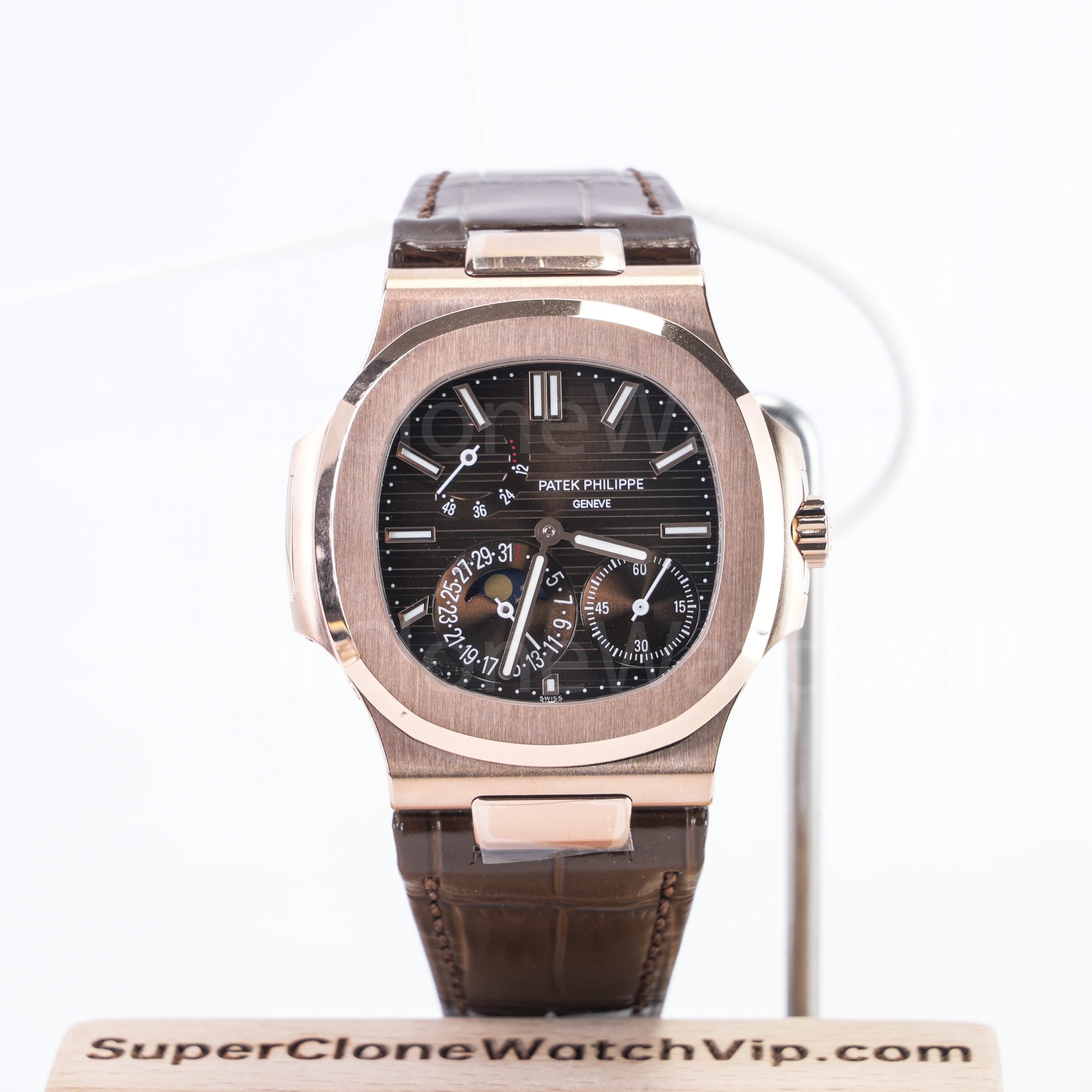
The saved product modules remain valid, but the first example is a leather-strap Nautilus complication rather than the integrated-bracelet starting point. It now sits here as an alternative branch, while the Aquanaut example illustrates the higher-QC chronograph route.

Finish with two candidates, not ten tabs
Keep one Nautilus candidate and one Aquanaut candidate. Remove any option whose attachment style, size feel, function burden or QC evidence is still unclear. If the bracelet-led candidate wins, move to the dedicated Nautilus reference guide. If the strap-led candidate wins, send the exact product link and request strap-to-case, clasp and function evidence.
Browse Patek ModelsSend a Two-Watch ShortlistRequest QC on WhatsApp
Patek Sports-Family FAQ
Which family is easier for casual daily wear?
Aquanaut is usually easier to place in a casual wardrobe because the fitted rubber strap reduces the formal bracelet effect. That does not make it automatically easier to approve: strap seating, texture, clasp alignment and wrist sizing still need clear evidence.
How should an integrated bracelet be checked?
Inspect both first links at the case, left-right spacing, articulation, taper, brushing direction, polished boundaries and clasp closure. A straight front view, angled wrist-flow view and clasp-operation clip are more useful than one beauty shot.
What strap-integration issues matter on Aquanaut?
Look for equal seating on both sides, a clean case junction, no visible twist, consistent texture, centered clasp placement and a sizing method that fits the intended wrist. Clarify the supplied strap before any irreversible adjustment.
Which complications require function video?
Chronograph start-stop-reset, calendar controls, moonphase adjustment and any multi-display layout that affects the purchase decision should be shown in video. The clip should identify what moves, how it is controlled and whether it returns to the expected position.
When should the dedicated Nautilus guide be opened?
Open it after the integrated-bracelet or Nautilus case direction has already won. Its job is to separate 5711, 5712 and 7118 reference choices; it should not be used to decide whether Aquanaut is the better family.
Close the Brand Decision Before Opening Another Guide
Put one bracelet-led Nautilus and one strap-led Aquanaut beside the decision table. Remove the option that creates the wrong size feel, demands more functions than you want, or cannot be supported by clear attachment and function evidence. That leaves a real two-watch shortlist instead of another broad search.
A Nautilus winner should move to the reference guide, then to factory comparison only when necessary. An Aquanaut winner should move directly to the exact product page and a strap-focused QC request. The next click is determined by the unresolved question—not by another variation of the same Patek keyword.