Compare polished nautical character with restrained dive-watch styling through bezel reflection, case finishing, dial color, bracelet personality and daylight QC.
In direct sunlight, a Yacht-Master bezel can throw back a bright metallic glow while its polished case surfaces catch sharp highlights. A black Submariner answers with a darker bezel, broader brushed areas and a more controlled tool-watch look. That visual split is the real starting point in Yacht-Master vs Submariner: choose how the watch reflects light and dresses an outfit before comparing feature lists.
The Yacht-Master direction suits buyers who want a sports watch to look refined, nautical and slightly dressier. The Submariner direction suits buyers who prefer a simpler black palette, clearer functional styling and less dependence on polished detail. Neither choice should be made from a single front-facing studio image.
Use the comparison below to set a style priority, then open the exact Yacht-Master collection or Submariner collection and judge the chosen reference in daylight QC photos. Buyers still comparing broader replica watches should finish this style decision before moving to another model family.
Yacht-Master vs Submariner: Luxury-Sport Polish or Tool-Watch Restraint?
The Yacht-Master and Submariner share a recognizable sports-watch outline, but their surface treatment changes the message. Yacht-Master styling uses reflection, relief and color to create a more leisurely luxury impression. Submariner styling relies more on contrast, brushed metal and a clear timing-bezel layout, so it reads as an instrument even when worn only as an everyday watch.
Rolex describes the Submariner as its benchmark divers’ watch, while the official Yacht-Master family is presented in several sizes, materials and bracelet directions. That official positioning is useful for understanding design language, but it must not be treated as proof of the material, waterproofing or construction of a replica version.
The table therefore compares visible selection factors. Size and side profile are included only as context; there is no invented thickness ranking and no unverified water-resistance comparison.
| Decision factor | Yacht-Master direction | Submariner direction | Practical action |
|---|---|---|---|
| Size context | The linked examples are 40mm styles; the wider family includes different case directions. | The linked examples include 40mm date and 41mm no-date styles. | Compare the exact reference, not the family name alone. |
| Thickness feel | Rounded and polished surfaces can make the case look softer from normal viewing distance. | Defined bezel edges and brushed surfaces can make the watch look more solid. | Request a level side photo; do not infer thickness from diameter. |
| Function language | Nautical leisure styling with a more decorative bezel presence. | Dive-watch timing layout with stronger instrument character. | Choose the visual function you want; this is not a waterproofing claim. |
| Appearance | More reflective, dressier and reference-dependent in color. | More restrained in black configurations and immediately recognizable. | View both under direct and indirect light before deciding. |
| Bracelet or strap | Metal-bracelet versions emphasize polish; Oysterflex-style versions feel modern and relaxed. | Oyster-bracelet styling reinforces the clean tool-watch profile. | Check clasp position, link finish and strap-to-case fit. |
| Everyday wear | Best when normal outfits are polished casual, light-colored or resort influenced. | Best when a watch must work with simple casual, travel and outdoor-looking clothing. | Judge against the clothes worn most often, not a rare occasion. |
| Formal pairing | Usually transitions more naturally into smart-casual and evening settings. | Works with clean office clothing but keeps a stronger sports-tool identity. | Prioritize Yacht-Master when polished dress crossover matters. |
| QC difficulty | Reflections can hide uneven polishing, bezel texture or tone differences. | Alignment, pearl position, brushing and dial symmetry are easier to isolate but still need straight photos. | Use daylight, oblique and straight-on views rather than one glamour shot. |
| Daily marks | Highly polished areas tend to reveal fine hairlines sooner under angled light. | Broad brushed surfaces usually disguise light swirls better, although polished sides still show them. | Choose according to tolerance for visible surface wear. |
| Best suited to | A buyer who notices finishing, color and outfit coordination first. | A buyer who wants a simpler first sports-watch decision and stronger outdoor styling. | Let style priority break the tie, then confirm the exact watch through QC. |
Bezel Material, Texture and Light Reflection
The bezel is the quickest way to understand the difference, but material names must be handled carefully. A reference may be associated with platinum, ceramic or precious metal in the original design; that does not prove the material used on the exact replica. Confirm the product listing and the watch supplied for QC rather than assuming composition from the reference number.
On a bright raised-numeral Yacht-Master style, light should reveal the relief cleanly without making the surface look flat or cloudy. On a dark Oysterflex-style Yacht-Master, the bezel should remain legible when the angle changes rather than becoming a featureless black ring. A black Submariner-style bezel should show an even insert, clean graduation, a centered luminous pearl and consistent alignment with the dial.
1. Straight daylight
Use a front photo near a window to check numeral shape, pearl position, dial-to-bezel alignment and overall tone.
2. Thirty-degree angle
Ask for a slight tilt so raised details, polished edges and surface texture become visible instead of being hidden by flat lighting.
3. Short light sweep
A brief video moving from shade to daylight can expose uneven reflection, cloudy polishing or a bezel that only looks correct from one angle.
Approval rule
Do not approve the bezel from a heavily edited studio image. The decisive evidence is the exact watch photographed straight on, tilted and moved through ordinary daylight.
Case Finishing and Scratch Visibility
Polish creates the Yacht-Master’s refined character, but it also creates more demanding QC. Bright case flanks, crown-guard transitions, bracelet center surfaces where present, bezel relief and clasp covers can look excellent in one photo while hiding waves or fine marks in another. The finish should change smoothly as the watch turns, without abrupt dull patches or distorted reflections.
The Submariner usually presents more brushed surface area across the top of the case and bracelet, which visually suppresses light hairlines better. That does not make it scratch-proof. Polished case sides, bezel edges and clasp details can still show handling marks, while inconsistent brushing may appear as lines running in different directions.
Inspect more closely on Yacht-Master
- Case-side reflections from lug to crown guard
- Raised bezel numerals and the surrounding texture
- Polished bracelet areas and clasp cover, where present
- Color consistency between case, bezel, bracelet and clasp
- Strap-to-case fit on Oysterflex-style configurations
Inspect more closely on Submariner
- Even brushing across lugs and bracelet links
- Clean separation between brushed and polished surfaces
- Bezel edge condition and insert seating
- Clasp finish, hinge alignment and bracelet articulation
- Case-side marks visible under an oblique light source
For ownership rather than QC, ask which imperfection will bother you more: visible hairlines on mirror-like surfaces or a stronger, more utilitarian finish. Buyers who expect the watch to stay visually quiet after frequent desk wear may prefer the Submariner’s brushed emphasis. Buyers who accept normal hairlines in exchange for a brighter luxury effect may prefer the Yacht-Master.
Case balance still matters, but this article does not turn the comparison into a thickness contest. When lug coverage, wrist shape or clasp length becomes decisive, review those measurements separately from the style choice made here.
Dial Color and Bracelet Personality
Dial and bracelet choices can move either family away from its default character. A blue Yacht-Master on a metal bracelet feels brighter and more maritime. A dark Yacht-Master on an Oysterflex-style strap looks warmer, sportier and more modern. A black Submariner Date is the familiar all-purpose direction; a no-date layout removes the cyclops and keeps the dial more symmetrical.
Choose color after deciding how much attention the watch should attract. Blue, rhodium-style and warm-tone Yacht-Master configurations reward buyers who coordinate watches with clothing. Black Submariner configurations ask less from the wardrobe and place more emphasis on the silhouette. The four live product paths below are retained because each represents a different style outcome, not because one reference is universally superior.
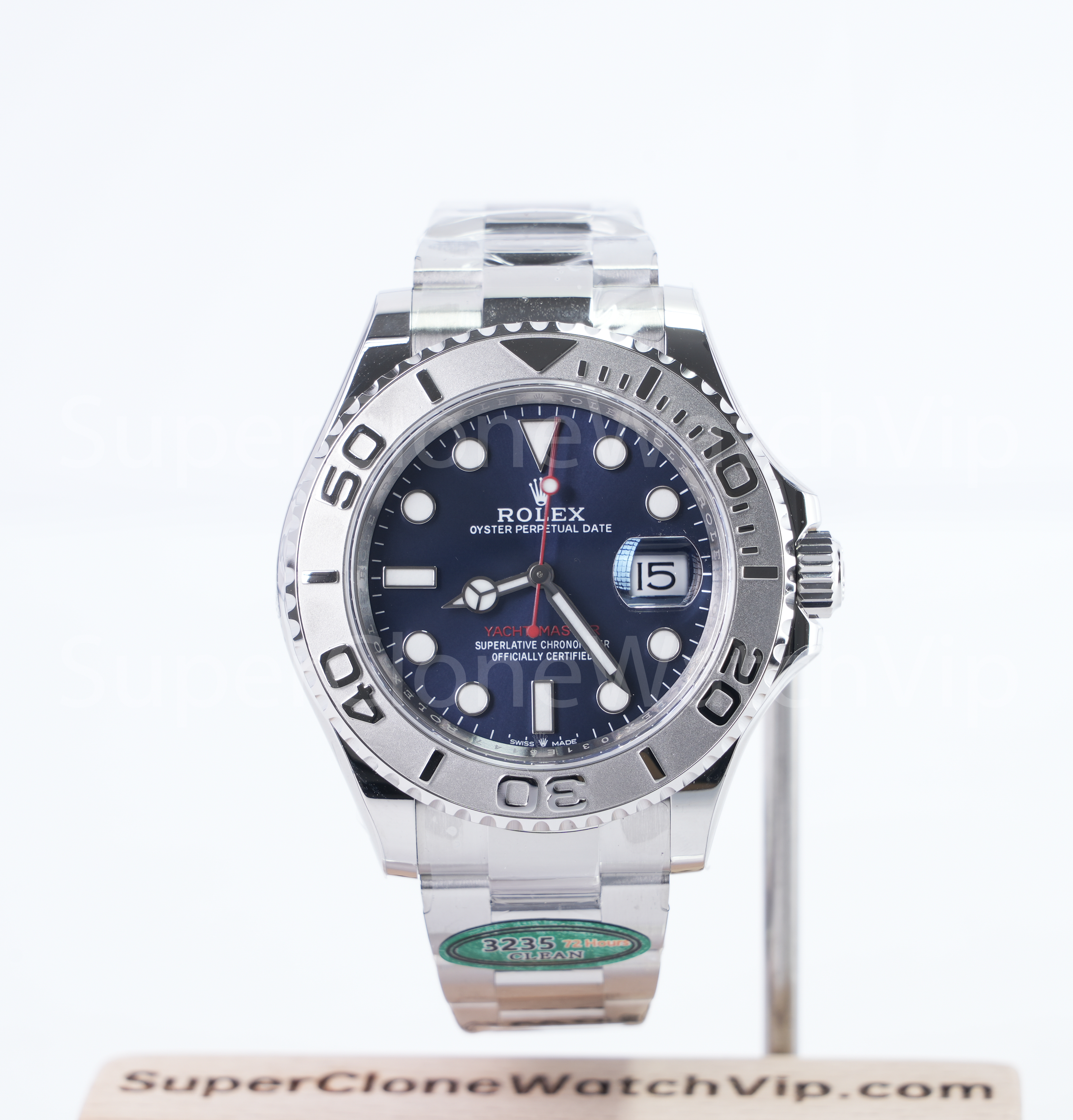
Bright refined sport
Yacht-Master 116622 Blue Dial 40mm
Best considered when blue dial reflection, raised bezel detail and polished bracelet character are central to the choice.
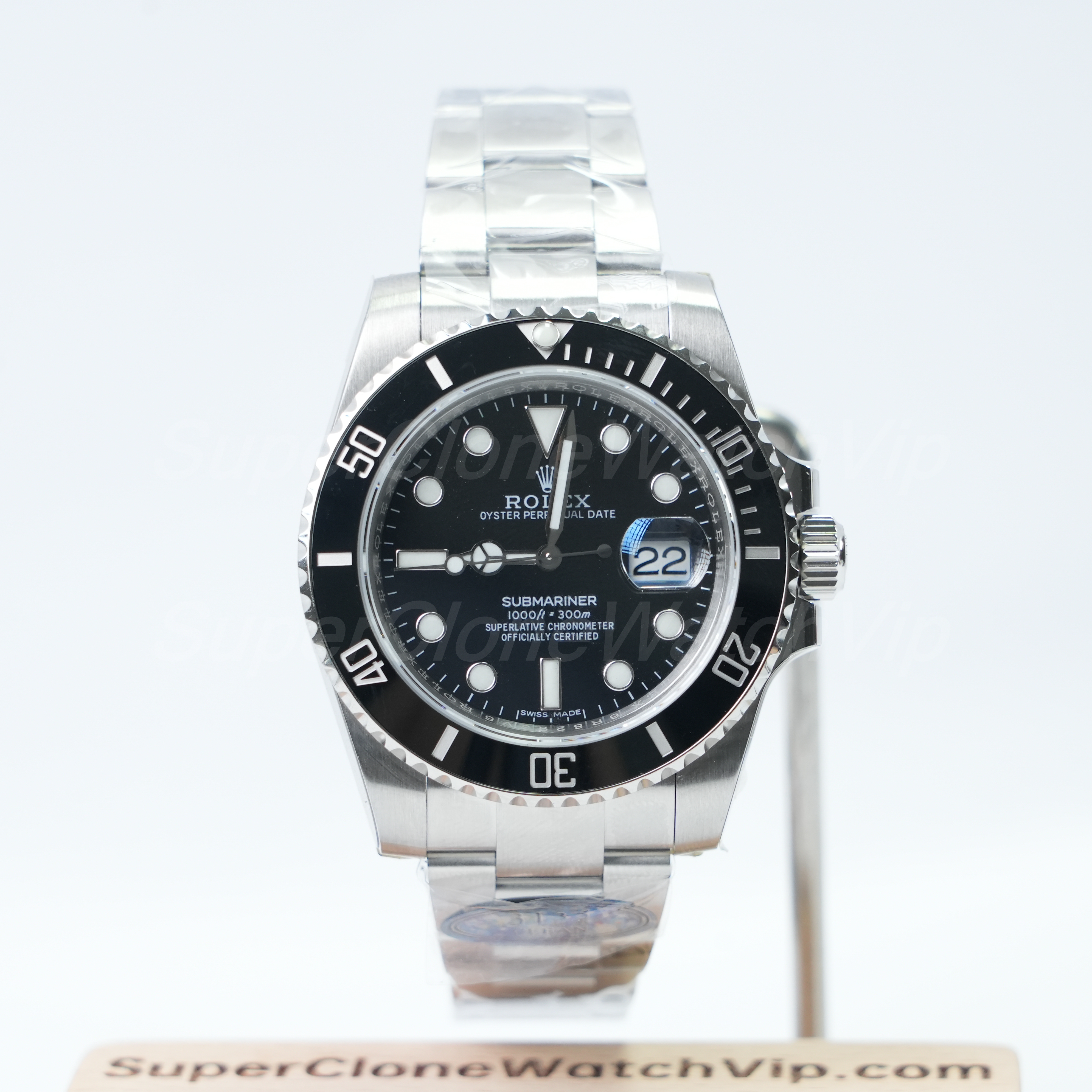
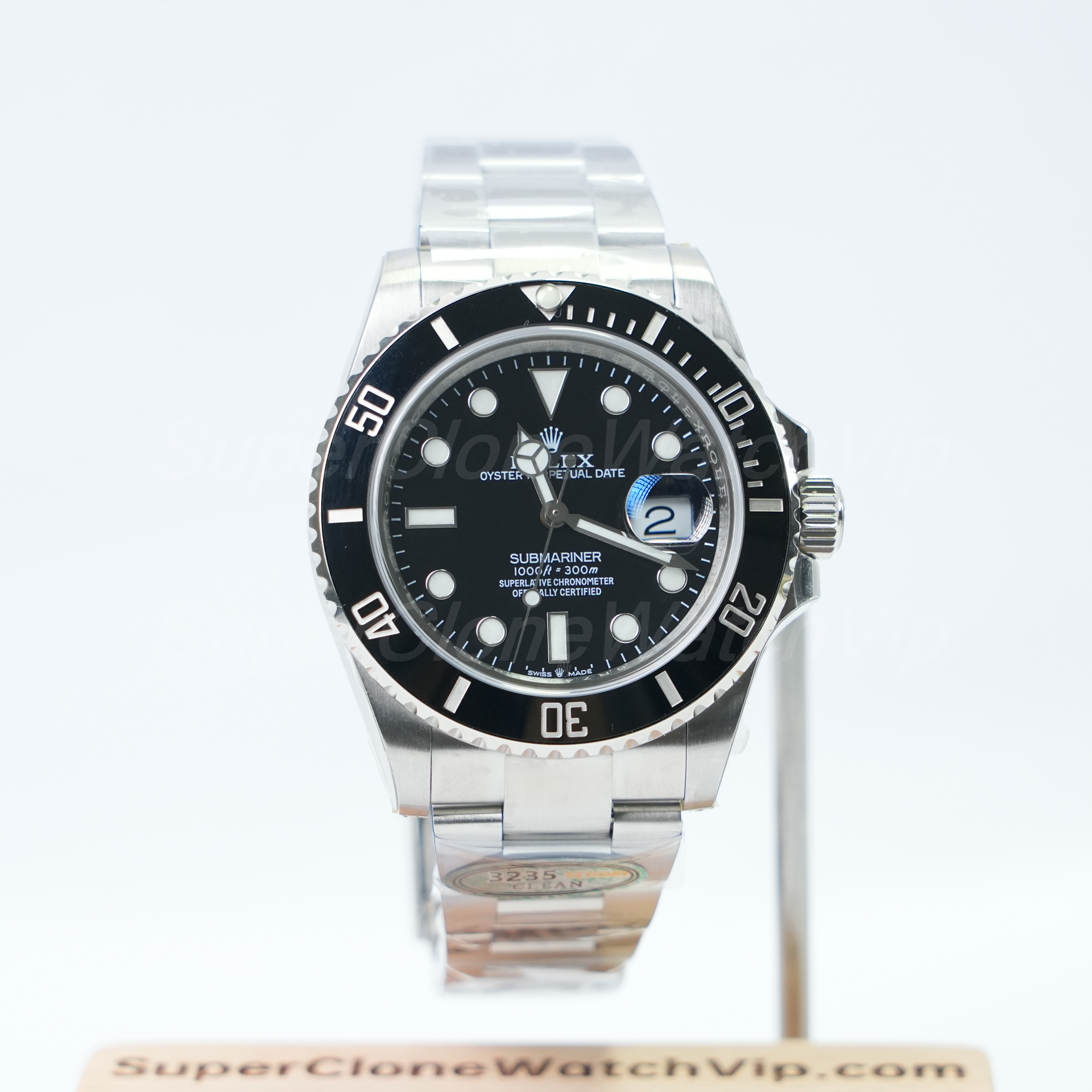
Familiar black daily choice
Submariner 116610LN Black Dial 40mm
A direct option for buyers who want a black bezel, date layout and low-planning outfit compatibility.
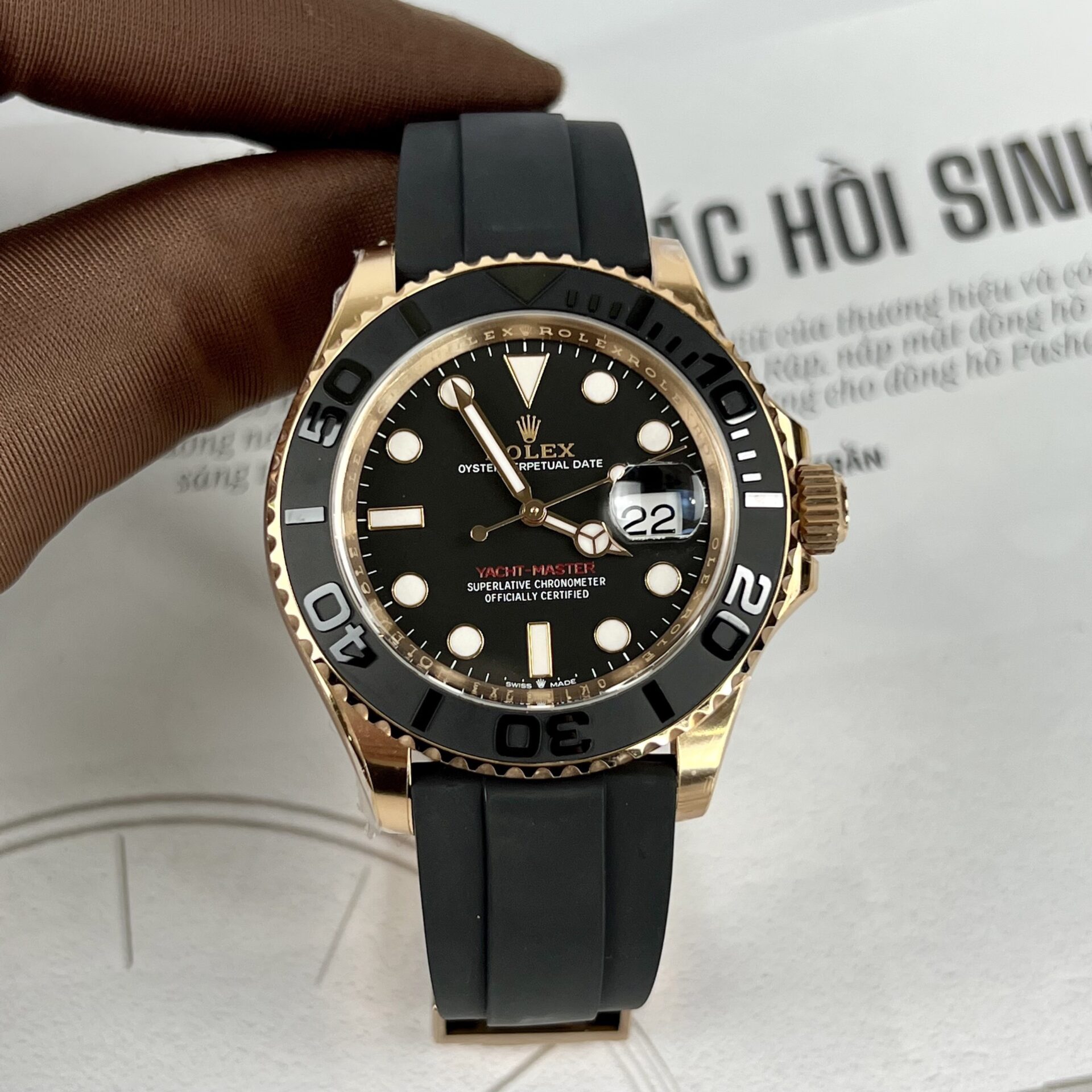
Warm modern resort look
Yacht-Master 116655 Oysterflex 40mm
A stronger style statement for buyers who prefer a dark strap, warm case tone and relaxed luxury presentation.
Cleaner dial symmetry
Submariner 124060LN No-Date 41mm
A restrained direction when dial symmetry and a simple black tool-watch outline matter more than a date window.
Resort, Office and Everyday Styling
The Yacht-Master vs Submariner decision becomes clearer when it starts with the most common setting. Yacht-Master is strongest where reflected light, color and polished detail can support the outfit: linen, knit polos, light tailoring, suede, clean sneakers and evening resort clothing. Submariner is strongest where the watch should look settled without special coordination: denim, black or white T-shirts, polos, field jackets, travel layers and outdoor-inspired casual wear.
The text scorecard below is a style radar in table form. It evaluates visible character, not movement quality, waterproofing or durability. “High” means the design naturally serves that style goal; it does not mean the watch is objectively better.
| Style dimension | Yacht-Master | Submariner | How to read the score |
|---|---|---|---|
| Low-key presence | Medium — softer shape, but polished surfaces can flash in light. | Medium — black is neutral, but the design is highly recognizable. | Neither is invisible; choose the type of attention you prefer. |
| Refined finish | High — polish, relief and color carry the design. | Medium — refinement is present but subordinated to function. | Choose Yacht-Master when surface treatment is the main attraction. |
| Long-term visual neutrality | Medium–High — blue and rhodium-style options stay versatile but remain expressive. | High — a black configuration is difficult to outgrow. | Submariner is safer when one neutral sports watch must last across changing wardrobes. |
| Formal pairing | High — polished detail works well with smart-casual and evening clothing. | Medium — compatible with office wear, but visually remains a dive watch. | Yacht-Master wins when the watch must dress up without becoming a dress watch. |
| Outdoor visual style | Medium — sporty, but the mood remains leisure oriented. | High — bezel layout, brushing and contrast support a practical outdoor look. | Submariner suits buyers who want the watch to look functional even off the water. |
Resort and warm weather
Choose Yacht-Master when linen, open-collar shirts, light trousers and polished casual shoes dominate. Oysterflex-style configurations make the luxury effect more relaxed.
Office and social settings
Yacht-Master usually blends more smoothly with knitwear and soft tailoring. Submariner works when the office wardrobe is simple, monochrome and intentionally sporty.
Everyday and outdoor-inspired wear
Choose Submariner when denim, jackets, backpacks, travel clothing and practical footwear appear more often than polished evening outfits.
QC for Polished Surfaces, Bezel and Alignment
The two models need different emphasis, but both require the same photo discipline. A front photo checks geometry. A side photo checks case shape and finishing. An oblique daylight photo checks reflections. A short video verifies that the attractive finish remains consistent while the angle changes.
- Start with an unrotated front image. The 12 o’clock marker, bezel zero point, dial text, date window where present and bracelet centerline should be easy to compare.
- Move to natural daylight. Check whether Yacht-Master polishing and bezel texture stay even, or whether Submariner brushing and insert color remain consistent.
- Use a level side profile. Look for a balanced crystal, bezel seating, crown position, case symmetry and strap or first-link fit.
- Inspect the clasp and bracelet separately. Check scratches, finish direction, gaps, hinge alignment and whether the clasp sits naturally rather than twisting.
- Ask for one slow rotation video. A moving reflection is more useful than another edited still image for judging polished surfaces.
- Separate appearance from performance claims. Photos cannot establish water resistance, so this comparison does not rank the two replica families by waterproofing.
Yacht-Master approval focus
Prioritize bezel relief or dark-bezel texture, dial tone in daylight, clean polished case lines, consistent bracelet finish and neat strap-to-case contact on Oysterflex-style versions.
Submariner approval focus
Prioritize bezel and pearl alignment, marker symmetry, date-and-cyclops placement where present, even brushing, clean insert seating and a straight bracelet-to-clasp line.
The site’s QC process explains the general approval stage. For this comparison, add the daylight and moving-reflection requests above because polished surfaces and bezel texture are the details most likely to change character between product photos and the exact watch.
FAQ: Finish, Styling and Daylight Checks
Does Yacht-Master look more formal than Submariner?
Usually, yes. Its polished surfaces, raised or more decorative bezel treatment and broader color choices move more naturally into smart-casual and evening outfits. It remains a sports watch, not a traditional dress watch.
Which polished surfaces need closer QC?
Check case flanks, crown-guard transitions, polished bracelet areas where present, bezel relief and clasp covers. Ask for an angled daylight image because flat front lighting can hide waves, hairlines and uneven transitions.
Is the bezel easier to judge in daylight photos?
Yes. Daylight exposes relief, texture, insert tone, pearl position and alignment more reliably than strong studio lighting. Use both a straight photo and a slight tilt so reflection does not hide the surface.
Which model hides daily wear marks better?
A Submariner-style watch generally hides light swirls better on its broad brushed top surfaces and bracelet. Yacht-Master polishing reveals fine hairlines sooner under angled light, although the exact finish and how the watch is worn still matter.
Who should choose Submariner for a first sports watch?
Choose it when a neutral black palette, clear tool-watch styling, easy casual matching and lower sensitivity to polished hairlines matter more than dial color or dressier surface treatment. A no-date version also suits buyers who prefer symmetry.
Who Should Choose Refinement—and Who Needs Simplicity?
End the decision by ranking style priorities, not by assigning a universal winner. Read from the top and stop at the first statement that describes how the watch will actually be worn.
- Polished reflection and formal crossover come first: choose Yacht-Master, then select the dial and bracelet or strap that fit the wardrobe.
- A simple black sports watch with outdoor visual language comes first: choose Submariner.
- Visible hairlines will be frustrating: favor the Submariner’s brushed emphasis and still inspect its polished sides.
- Resort clothing, knitwear and light tailoring appear most often: favor Yacht-Master.
- The score remains tied: compare one Yacht-Master and one Submariner in the same daylight, at the same angle, and choose the finish that still looks convincing without edited lighting.
That final daylight comparison is more useful than opening another broad list of clone watches. Send the two exact product links and request matching front, side and moving-reflection QC views.