The best watch is not the one with the most specifications; it is the one that fits the intended use and can be verified well enough before approval. That is the practical meaning of the best super clone watch: a model whose style, budget, complexity and available QC evidence match one buyer rather than an imaginary universal ranking.
This page is a cross-brand selection method. It does not rank the year’s releases, choose one Rolex model for everyone or explain the full payment and shipping process. Use it to reduce the wider replica watches catalogue to one defensible candidate by moving through six filters: use case, budget, complexity, watch category, QC difficulty and evidence quality.
Redefine the Best Super Clone Watch Around the Buyer
“Best” should describe fit, not prestige. A technically complicated watch can be the wrong choice when the buyer needs a quiet office piece, has limited time for QC review or does not intend to use the extra function. A simpler model can rank higher when it fits more days, creates fewer uncertain checkpoints and can be approved with clearer evidence.
Before opening brand pages, write one sentence that completes this formula: I need a watch for [main scene], with [acceptable wrist presence], under [firm budget ceiling], and I am willing to review [low, medium or high] complexity. Any model that cannot fill that sentence cleanly should not enter the shortlist.
Choose the Use Case Before the Brand
Brand preference is useful only after the job is clear. Start with the situation that will account for most wrist time, then choose the design language that serves it. This prevents a famous name from pulling the shortlist toward a watch that is too loud, too thick, too complicated or too limited for ordinary use.
Daily and office
Prioritise neutral colour, readable dial, moderate presence and a bracelet or strap that works with several outfits.
Eliminate: anything that needs a special outfit or feels tiring after several hours.
Sport and weekend
Look for clear dial contrast, a strong bezel or case profile and a bracelet that supports the intended sport-luxury look.
Eliminate: delicate dress-only directions that do not fit casual use.
Travel and time-zone use
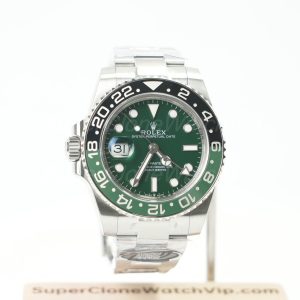
Choose a GMT-style layout only when the additional hand or bezel will solve a recurring need rather than add visual noise.
Eliminate: travel complications that cannot be demonstrated clearly in a continuous video.
Dress or statement
Decide whether the goal is quiet proportion or deliberate wrist presence; square cases, integrated bracelets and open dials create different review demands.
Eliminate: a statement design chosen only because it looks dramatic in one front image.
A buyer who needs one flexible watch should usually keep daily and office directions at the top. A buyer building a second or third watch can accept a narrower use case because the model no longer has to cover every situation.
Set a Budget and a Complexity Limit
A budget ceiling should control both price and review workload. More money does not automatically create a better fit, and a higher quote is not proof of cleaner finishing or stronger function. The useful question is: what visible, functional or support improvement does the extra spend remove? If the difference cannot be named and shown, it should not move a candidate higher.
Set the complexity limit before asking for versions. This stops a visually exciting chronograph, skeleton or unusual calendar from entering a shortlist that was supposed to remain easy to verify.
Budget rule: spend to remove a weakness you actually care about—such as exterior finishing, function proof or clearer exact-unit QC—not to reach the highest available tier.
Select a Watch Category, Not a Random Model
A broad catalogue becomes manageable when each candidate belongs to a category with a clear job. Across clone watches, the category predicts what will matter in daily use and what must be checked before a model can advance.
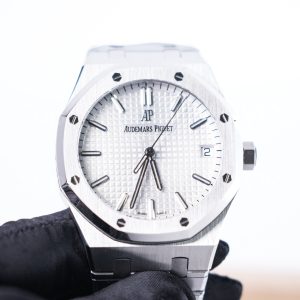
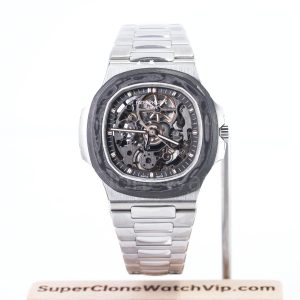
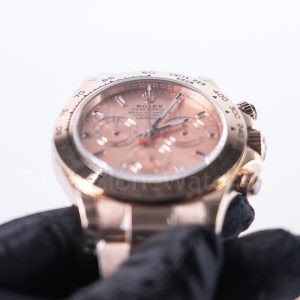
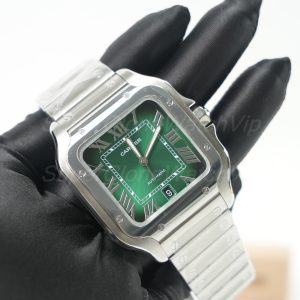
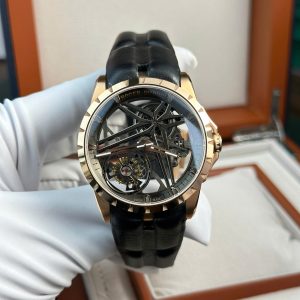
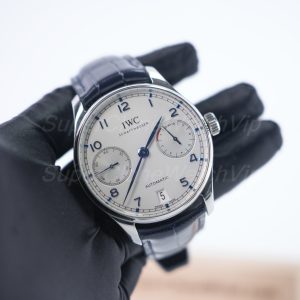
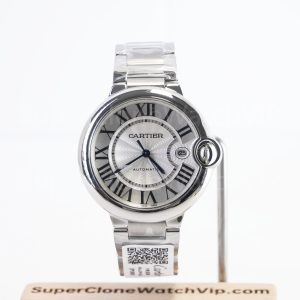
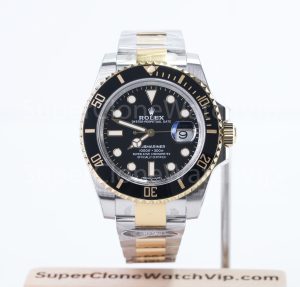
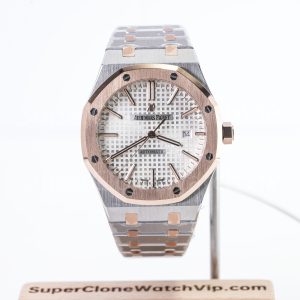
The following product cards are category examples already used on this page. They are not a ranking and should remain only when their product URLs, images and current descriptions are valid.
Estimate QC Difficulty Before Shortlisting
QC difficulty is not a quality grade. It is the amount of evidence needed to judge the exact candidate. A watch becomes harder to approve when more details can be misaligned, more surfaces depend on lighting, more moving functions need proof or the case and bracelet cannot be understood from a straight front image.
Use the site’s QC photos before shipping page for the full photo workflow. For GMT, chronograph, openworked or bracelet-action checks, the separate video proof page explains what moving evidence can add.
Balance Exterior Accuracy, Function and Support
No candidate wins every dimension. One may look cleaner externally but offer less compelling function evidence. Another may have a more interesting complication but create more QC work. A third may be less dramatic yet arrive with clearer configuration confirmation and a better-supported review path.
Use five priority tokens before comparing final candidates. Give each token to exterior, function or support. The total must stay at five, and no category may receive all five. This forces a real trade-off instead of calling every factor equally important.
Exterior-led profile: 3 / 1 / 1
Use when case shape, dial, bezel, bracelet and visible finishing matter far more than added functions.
Function-led profile: 1 / 3 / 1
Use when a GMT or chronograph display is part of the purpose and can be demonstrated clearly.
Confidence-led profile: 2 / 1 / 2
Use when a balanced appearance and a clear exact-unit review path matter more than complexity.
Factory or version research belongs here, after the exact category and priority profile are fixed. Use the factory version guide to compare the offered version for a specific model, not to choose a brand or factory name in isolation.
Build and Eliminate a Five-Watch Shortlist
Do not begin with five versions of the same idea. Give every slot a role, then eliminate by evidence. This prevents the shortlist from becoming a gallery of attractive screenshots with no decision logic.
FAQ About Best-Fit Selection
Does the most expensive option automatically rank best?
No. A higher price matters only when it removes a weakness that affects your decision, such as exterior finishing, useful function evidence or a clearer QC path. If the improvement cannot be identified and shown, the higher quote should not outrank a better-fitting candidate.
Which watch types are easiest for a first order?
A time-only, no-date or straightforward date watch with a conventional case is usually easier to review. It has fewer moving functions and fewer alignment-sensitive parts, leaving more attention for dial balance, case shape, bracelet fit and the condition of the exact prepared watch.
How should QC difficulty affect the shortlist?
Treat QC difficulty as an elimination filter. Keep a complicated candidate only when every important visual and functional point can be shown in the correct format. Remove it when the evidence burden exceeds the time or uncertainty you are willing to accept.
Should brand or use case come first?
Use case comes first. Decide whether the watch must handle daily wear, sport, travel, dress or statement use, then select the brand and model family whose design serves that role. Starting with the brand makes it easier to rationalise a poor practical fit.
How many models should remain before requesting quotes?
Three at most. Five models are useful for initial elimination, but quote comparisons become meaningful only after use case, budget and complexity have removed the weak fits. Reduce the three quoted options to two finalists before requesting the most detailed version and QC evidence.
Final Best-Fit Decision Tree
Run the final decision in one direction only. Do not return to brand browsing after the use case and complexity limit are fixed, and do not compare quotes until the candidates are equivalent enough to judge.
The five-to-one finish
Start with five roles. Remove one for scene mismatch, one for unproven budget value and one for excessive complexity. Compare the final two on wrist fit and equivalent QC evidence. Approve one only when its most important claim can be checked.