The wrong Rolex family stays wrong even when its finishing looks impressive. A thick tool watch may fight a narrow wrist, a bright travel bezel may feel out of place at work, and a complicated dial may demand more QC than a first-time buyer wants to manage. The best Rolex super clone watches should therefore be filtered by family, wrist proportion, function and normal wardrobe before any factory name enters the discussion.
Choose the Rolex Family Before the Factory
Factory comparison cannot repair a poor family match. Start by deciding whether the watch should be simple, tool-focused, travel-oriented, chronograph-based or formal. That decision controls the dial density, case presence, bracelet character and number of functions that must be checked later.
Use the Rolex model collection to compare families, not to select a factory immediately. Buyers still comparing Rolex with other replica watches should settle the brand direction first, because this page only handles the Rolex-level shortlist.
Use the table to remove families, not to crown a winner. A buyer who wants a quiet office watch can eliminate Sea-Dweller and bright GMT options immediately; someone who wants a visible sport watch can remove Oyster Perpetual and formal Day-Date directions just as quickly.
Daily Simplicity: Oyster Perpetual and Datejust
Oyster Perpetual is the cleaner route when the watch should disappear into a normal week. The simple dial avoids a date window and keeps the visual review focused on marker spacing, dial surface, hands, case shape and bracelet finish. It suits buyers who prefer quiet daily wear over immediate model recognition.
Datejust adds a date display, more bezel and bracelet choices, and a brighter dress-casual character. That flexibility is useful, but it creates decisions that should be made before factory research: compact or stronger case presence, smooth or fluted bezel, Oyster or Jubilee-style bracelet, and a neutral or expressive dial.
Choose Oyster Perpetual when…
you want a clean dial, low visual complexity, easy outfit matching and a QC process with fewer date-related checkpoints. Dial color still matters: a vivid color can turn a simple watch into the main element of the outfit.
Choose Datejust when…
one watch must move between meetings, dinners and casual weekends. Ask for straight-on date and Cyclops photos, plus angled images that show how the bezel and bracelet reflect normal light.
Explorer also belongs in the simple-daily conversation when a sportier dial is preferred without a rotating bezel or date-heavy presentation. It is a useful third option for buyers who find Oyster Perpetual too plain and Datejust too polished.
Tool-Watch Options: Submariner and Sea-Dweller
Submariner is the more forgiving tool-watch route because its familiar dial and bezel work across casual clothing, travel days and many office-casual settings. A black version is usually easier to repeat than a green, blue or two-tone direction; a no-date style removes one visual checkpoint, while a date style adds the date wheel and Cyclops to QC.
Sea-Dweller should enter the shortlist only when the buyer actively wants a larger, thicker and more tool-focused wrist profile. The side view matters as much as the front. Ask for a wrist-angle photo or compare the listed dimensions with a watch already owned; otherwise, a strong product image can hide how much case and clasp the wrist must carry.
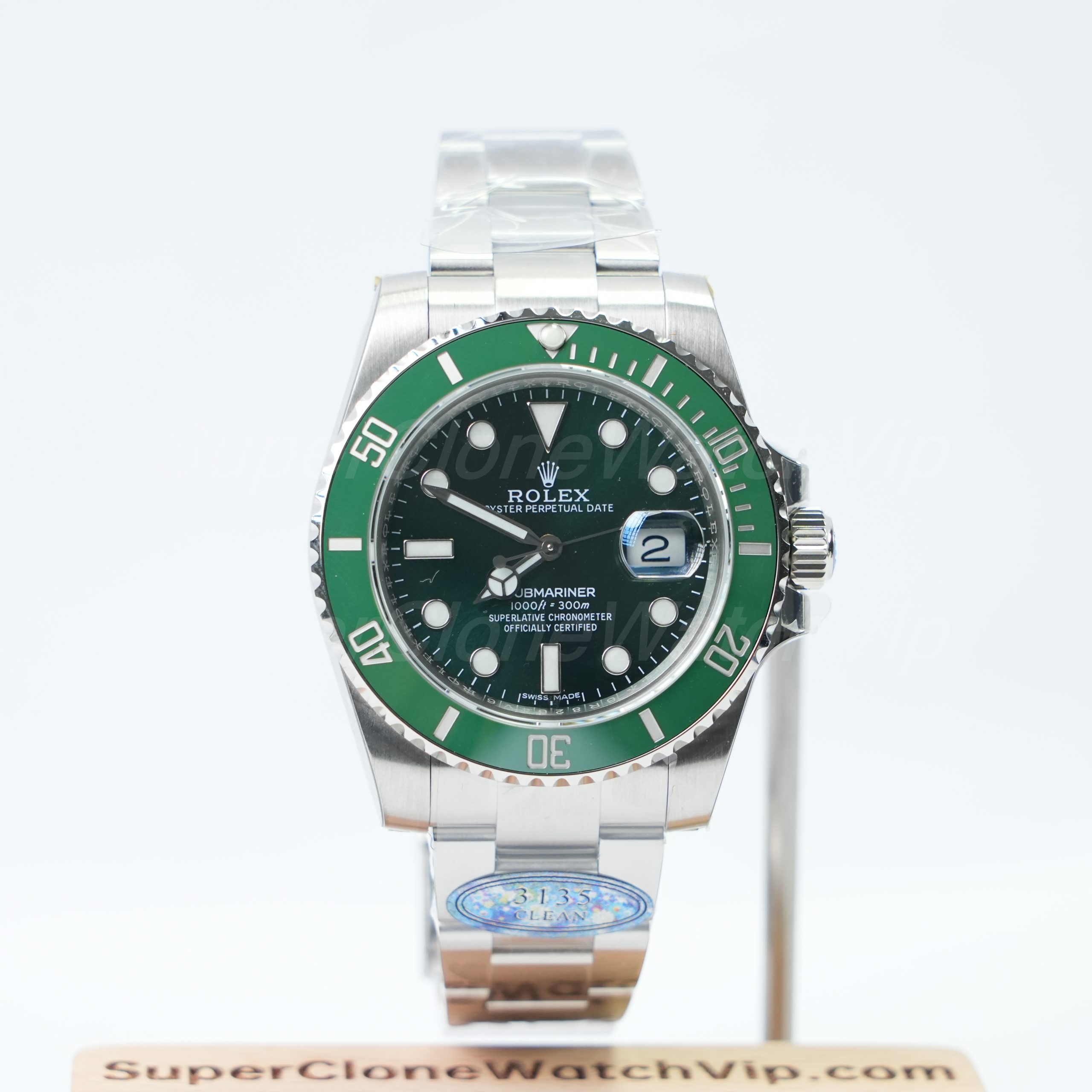 View Hulk-Style Submariner
 Use a Color Model to Test Wardrobe Confidence
A green dial and bezel make color tone, bezel alignment and wrist presence easy to judge. They also reveal whether the buyer actually wants a recognizable statement or only liked one bright catalog image.
Keep the model only when it still works with the buyer’s most common jackets, shirts and casual clothing. Otherwise, move back to a black Submariner or a quieter Explorer rather than trying to solve the mismatch through a different factory.
Travel and Complications: GMT-Master II and Sky-Dweller
GMT-Master II is the easier travel-family choice when the goal is a sporty case with extra color and a fourth hand. Pick the bezel direction before discussing factories. Blue-black and black-grey combinations are usually easier to repeat, while brighter red-blue, green-black or warm brown-black combinations make the watch more visible.
Sky-Dweller creates a larger, dressier and more layered impression. It works better when the wardrobe can support a stronger fluted bezel and a more complicated dial. A buyer who mainly wants an easy travel look may prefer GMT-Master II; a buyer who wants business-travel presence may accept the extra size and inspection work of Sky-Dweller.
Functional decision: do not pay for visual complexity that will not be checked. GMT hand setting, date change and any Sky-Dweller-style display should be demonstrated in a short video when function matters. If the buyer only wants the look and prefers the simplest review, return to Submariner, Explorer or Datejust.
Chronograph and Statement Choices: Daytona and Day-Date
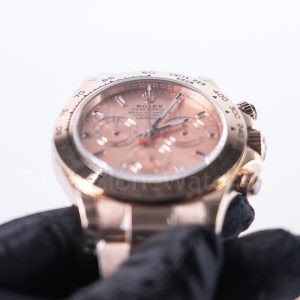
Daytona creates statement through technical detail. Sub-dials, bezel text and pushers make the face more active than a Submariner or Datejust. It belongs on the shortlist when the buyer enjoys that detail and is willing to inspect it, not simply because the model is famous.
Day-Date creates statement through formal presentation: a day display, date window, fluted-bezel options and a dressier bracelet profile. Neutral metals and dials can suit business or evening wear; highly reflective combinations become the center of the outfit and should be chosen deliberately.
when the chronograph layout is the reason for buying and a reset/function video will be reviewed.
when the normal wardrobe is formal enough for a brighter bracelet, bezel and day/date display.
when a quiet first watch, simple dial or minimal QC workload matters more than recognition.
Wrist Size, Bracelet and Wardrobe Filters
Case diameter is only the first wrist-fit number. Lug shape, side thickness, bracelet taper, end-link fit and clasp length decide whether the watch feels balanced after several hours. Compare the product listing with a watch already owned, then request a side photo and an angled wrist photo before committing to a larger sports or travel family.
Wrist Filter
Narrow or flat wrists usually benefit from shorter visual length, moderate thickness and a clasp that does not dominate the underside. Compact Datejust, Oyster Perpetual and Explorer directions deserve early attention.
Bracelet Filter
Oyster-style bracelets look cleaner and sportier. Jubilee-style bracelets add light and flexibility. President-style bracelets read as formal. Strap-based Yacht-Master or Daytona options change both comfort and visual weight.
Wardrobe Filter
Choose the watch for the clothing worn five days a week. Shirts and tailored layers favor Datejust or restrained Day-Date; denim and travel clothing favor Submariner, Explorer or GMT; minimal outfits can support a stronger color accent.
A dedicated watch size guide should be opened when the remaining models differ materially in diameter, thickness or clasp length. Do not use size content to reopen every family after the shortlist has already been narrowed.
Model-Family QC Priorities
A generic front-photo checklist is not enough. Request the standard dial, bezel, case, bracelet, clasp and date views through the QC process, then add the family-specific checks below.
Simple Daily Families
Oyster Perpetual / Explorer / Air-King: inspect dial surface, printing, marker alignment, hand length, case symmetry and bracelet fit. With fewer complications, small dial issues carry more visual weight.
Date and Dress Families
Datejust / Day-Date: check date centering, Cyclops position, day alignment where applicable, bezel finish, dial markers and bracelet/clasp presentation under normal light.
Diver and Sport-Luxury Families
Submariner / Sea-Dweller / Yacht-Master: inspect bezel alignment and surface, case side, crown area, date display if present, end links, clasp and overall thickness. Ask for a side view, not only a straight front image.
Travel and Chronograph Families
GMT-Master II / Sky-Dweller / Daytona: add hand-position checks, bezel or dial-layout review, pusher inspection where relevant and a short function clip. Use video proof before shipping for moving functions.
Only after one or two families survive these checks should factory comparison begin. The factory guide can then be used for the exact reference, current version and available stock instead of treating one factory name as the answer for every Rolex family.
Build a Three-Model Rolex Shortlist
Stop broad comparison at three candidates. More models usually repeat the same role and make factory or QC discussions harder to interpret. Build the final set with one baseline, one alternative and one deliberate stretch choice.
The Daily Baseline
Choose Oyster Perpetual, Datejust or Explorer. This model must fit the normal wrist, most-used clothing and preferred level of visual simplicity.
The Sport or Travel Alternative
Choose Submariner, Sea-Dweller, Yacht-Master or GMT-Master II. Keep only the option whose size, bezel and bracelet solve a different use scene from Model 1.
The Deliberate Statement
Choose Daytona, Sky-Dweller or Day-Date only when the added dial detail, size or formal shine is wanted enough to justify the stricter QC.
Final elimination test: remove any model that fails two of these four questions: Will it fit the wrist from the side? Will it match the weekly wardrobe? Will its main function be used or appreciated? Is the buyer willing to check its family-specific QC?
Once three remain, open the dedicated guides shown in the navigation table. Compare exact references inside those families, then request current factory/version advice. Do not restart the full Rolex list.
Three Supporting Pages After the Shortlist
Send the Three Models, Not a Vague “Best” Request
List the three families or product links, wrist size, preferred bracelet, normal wardrobe and the function that matters. Support can then confirm current versions and tell you which candidate deserves the full QC review.