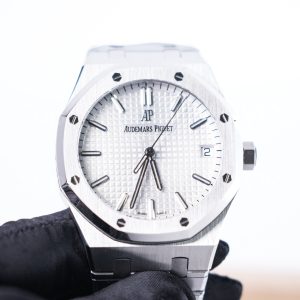
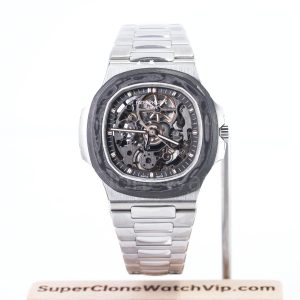
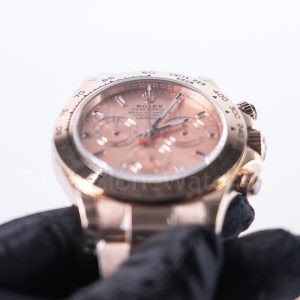
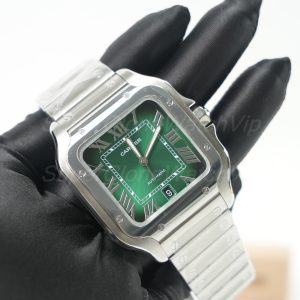
For a 36mm Datejust or 41mm Datejust, datejust case sizes explained should mean more than reading the number on a product page. In real daily wear, case diameter, lug shape, bracelet style, clasp position, bezel shine, dial color, wrist size, and QC photos all affect the final result.
Moreover, this topic matters even more when comparing super clone watches and Rolex-style replica watches. A clean listing image can show the design direction, while pre-shipping QC photos help confirm the actual watch, bracelet finish, case proportion, date window, clasp detail, and visible alignment.
| View Datejust Collection | Check QC Process | Contact Support |
Start With the Right Datejust Product Direction
A sizing article should also make the next step clear. Therefore, the product path below connects the main size choices with real Datejust product pages. Each image is fully clickable, and each card links to the matching product page for a smoother selection route.
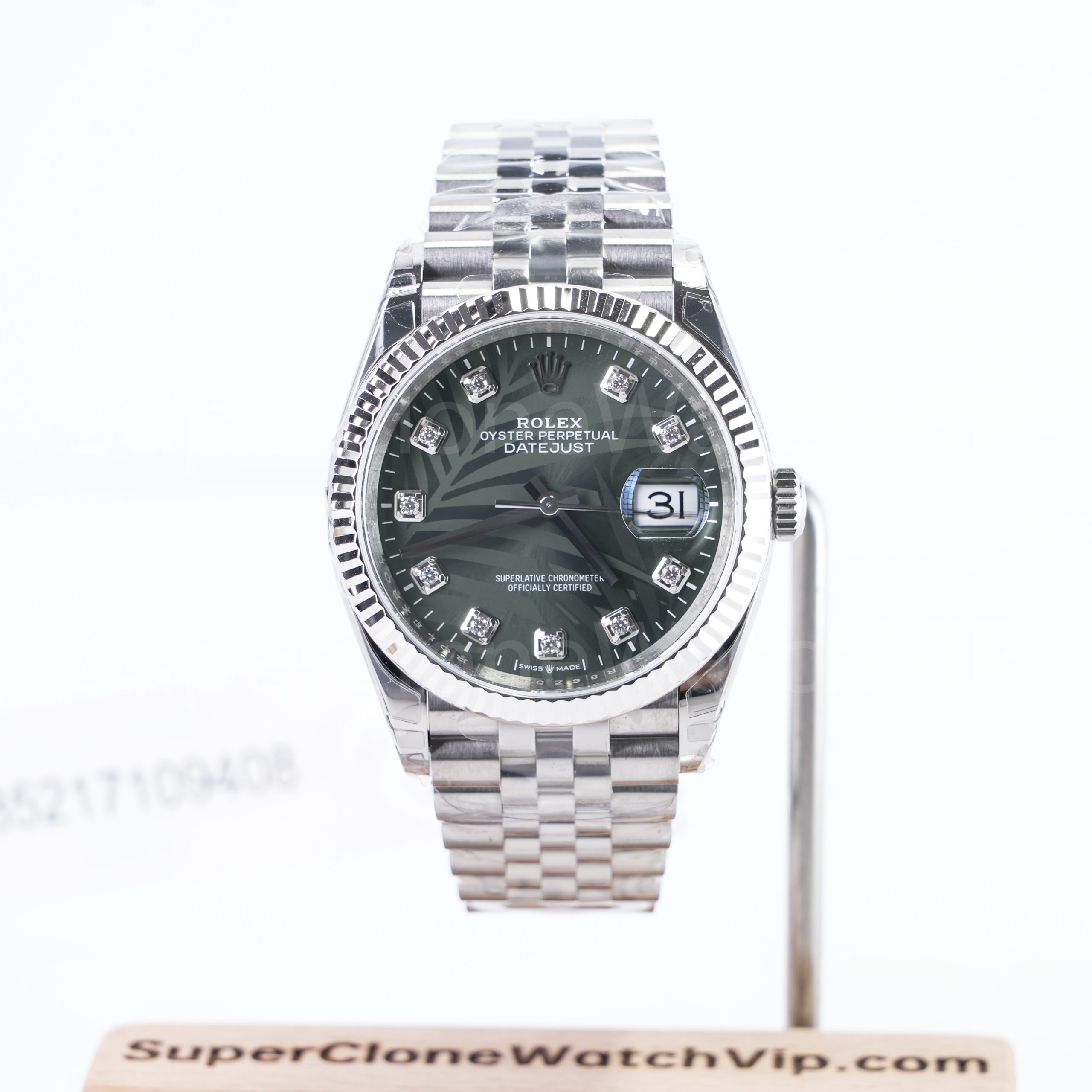
36mm Datejust Direction Classic compact case, green palm motif dial, Jubilee braceletBest fit for a more restrained daily-wear profile, smaller to medium wrists, and a dressier Datejust look. View Product
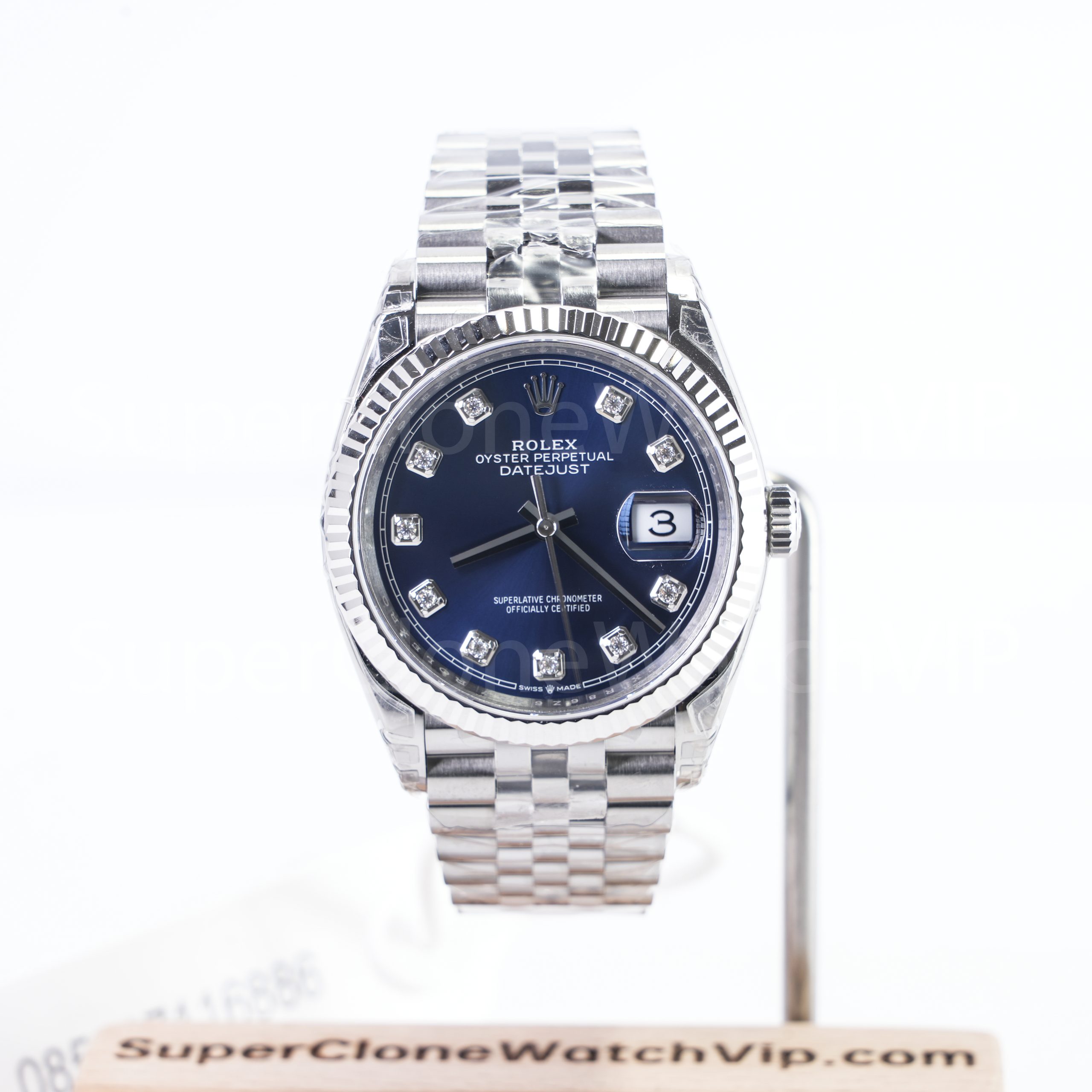
| 41mm Datejust Direction Modern wrist presence, blue sunray dial, fluted bezelBest fit for stronger visibility, wider wrists, business-casual outfits, and a more current Datejust profile. View Product
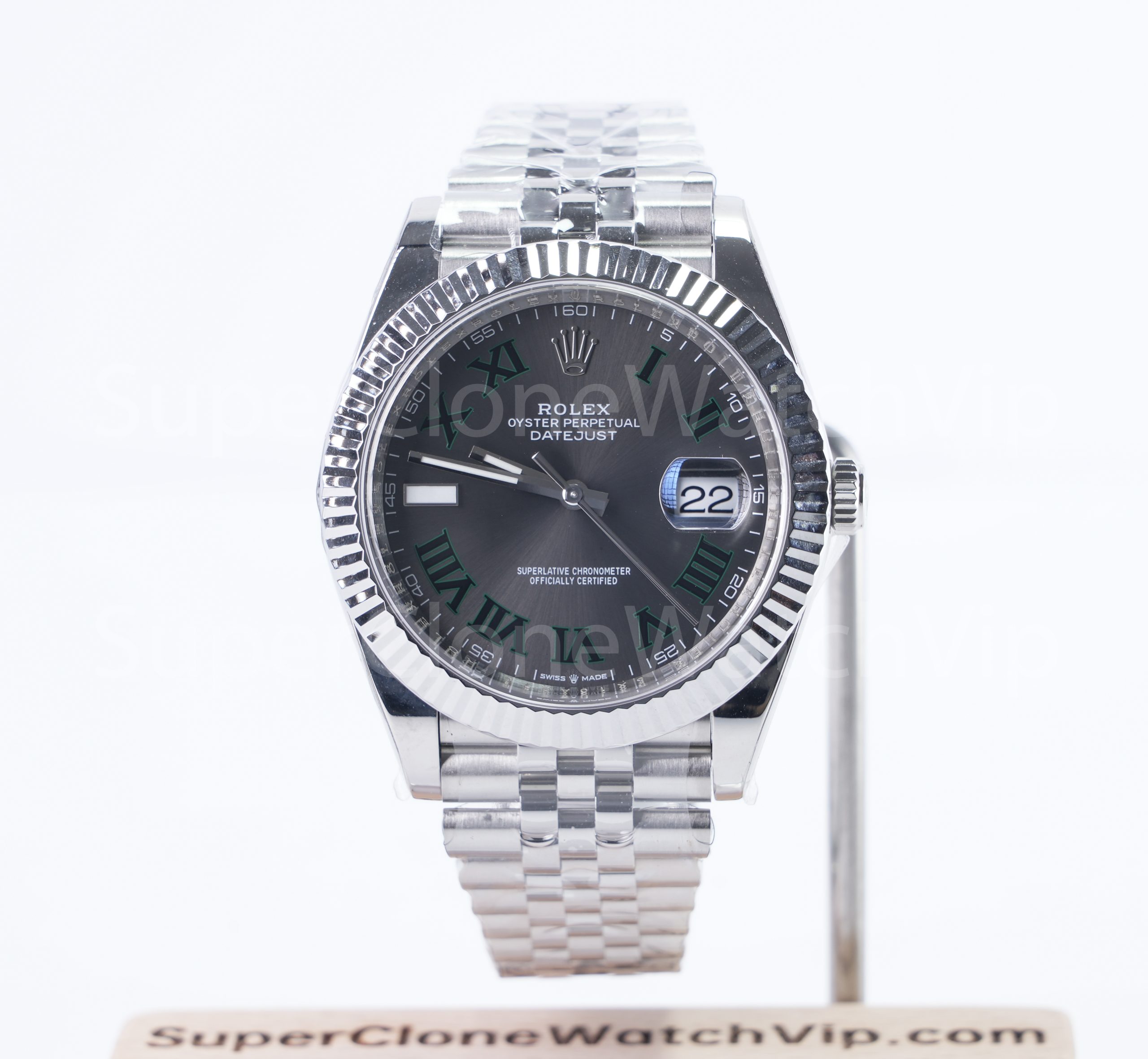
| Slate Dial Datejust Roman marker dial, fluted bezel, Jubilee bracelet balanceBest fit for a recognizable dress-daily style where dial alignment and marker balance need careful QC review. View Product
|
What Is Datejust Case Sizing?
In simple terms, Datejust case sizing refers to the listed case diameter and the full wearing effect of the watch. However, the number alone does not show how the lugs sit, how the bracelet falls, or how much the dial opens visually.
For example, a 36mm Datejust often feels classic, compact, and controlled. Meanwhile, a 41mm Datejust gives a stronger modern profile and a larger dial view. Both sizes can work well, but each size creates a different daily-wear mood.
Moreover, the Datejust reacts strongly to small design choices. A fluted bezel reflects more light. A smooth bezel looks quieter. A Jubilee bracelet adds dress detail, while an Oyster bracelet creates a cleaner and sportier line.
For official design background, the Rolex Datejust reference page shows the Datejust family and its signature design elements. This article uses that official page only as neutral model background, not as any connection, endorsement, or authorization claim.
Therefore, case sizing should be reviewed as a complete system. Case width, lug shape, dial opening, bezel type, crystal height, bracelet structure, clasp position, and wrist shape all work together.
Why the case number can mislead
A listed diameter gives a useful starting point. Still, it does not show the full top-down wrist coverage. In addition, wrist shape can change the result. A flat wrist may carry a larger case better, while a rounded wrist may make the same case feel wider.
Also, dial color changes perceived size. A silver, white, or light blue dial can look more open. By contrast, black, slate, or deep blue can make the watch appear more contained under normal lighting.
For that reason, the Rolex Datejust replica watches collection should be reviewed by configuration, not only by size. Dial color, bracelet type, bezel shape, and available version all affect the final selection.
Why It Matters for Daily Comfort and Wrist Presence
First, size affects comfort. A Datejust usually works best when it feels natural during repeated daily wear. Therefore, the case should not feel unstable, oversized, or difficult to position under a sleeve.
Next, wrist presence affects style. The Datejust sits between formal and daily-wear categories. It can work with a shirt, a jacket, a knit layer, or a relaxed weekend outfit. However, the proportion must stay controlled.
A 36mm Datejust often suits a cleaner daily profile. It avoids the heavy look that can happen when polished metal, a fluted bezel, and a bright dial meet a smaller wrist. In addition, it often slides under a cuff more easily.
A 41mm Datejust gives more visual strength. It can look modern and confident on a broader wrist. However, the larger dial opening can make small alignment issues more visible in QC photos.
As a result, the stronger choice depends on the whole use case. Daily comfort, wrist width, preferred clothing, bracelet feel, and pre-shipping review all matter more than choosing the larger number by default.
36mm Datejust for classic balance
The 36mm Datejust remains a classic direction because it keeps the case compact and refined. Moreover, it works across many wrist sizes when the bracelet is adjusted properly.
For a smaller wrist, 36mm can reduce lug overhang and keep the case centered. For a medium wrist, it creates a mature profile that feels less trend-driven. Therefore, 36mm often fits office wear, simple jackets, and quiet daily use.
However, 36mm does not always look understated. A fluted bezel, diamond-style markers, or green palm motif dial can create strong visual detail. Therefore, dial and bezel selection should support the intended wearing style.
41mm Datejust for modern presence
The 41mm Datejust offers more wrist presence and a stronger dial view. It often fits people who already like 40mm to 41mm sport watches. In addition, it can make blue, slate, champagne, and black dials feel more expressive.
Still, the larger case needs careful review. The lugs should not extend too far across the wrist. Meanwhile, the bracelet should not create visible gaps near the end links.
Therefore, 41mm should be checked from front, side, and wrist-angle photos. This gives a better view of case proportion, bracelet drop, clasp position, and overall balance.
Key Details to Check Before Selecting a Size
The most important detail is total wrist presence. In other words, the case, dial, bezel, bracelet, and clasp should look like one balanced design. A suitable case diameter can still feel wrong if one area looks bulky.
First, case proportions need attention. The lugs should not look too thick, too thin, or awkward beside the bracelet. In addition, the crown side should look clean and properly seated.
Second, dial alignment matters. Hour markers should look evenly placed. The hands should sit cleanly. The date window should appear centered inside its frame and readable through the crystal.
Third, bracelet and clasp finishing affect daily comfort. Jubilee links should show neat spacing and flexible articulation. Oyster links should show consistent brushing and polished edge control where the model uses that finish.
Finally, crystal clarity should be checked. A Datejust dial is simple, so haze, distortion, or poor date visibility can stand out quickly. Therefore, straight and angled QC photos are useful.
Fast fit comparison
| Direction | General impression | QC focus |
| 36mm Datejust | Classic, compact, refined, easy under sleeves | Marker alignment, date centering, bracelet fit |
| 41mm Datejust | Modern, stronger, more visible on the wrist | Case proportion, dial balance, end-link fit |
| Jubilee bracelet | Dressier, more flexible, more reflective | Link spacing, clasp position, articulation |
| Oyster bracelet | Cleaner, stronger, sportier daily profile | Brushing, end-link height, clasp line |
Wrist size and wrist shape
Wrist circumference is useful, yet wrist width across the top can be more practical. A flat wrist may carry a 41mm Datejust better than expected. Meanwhile, a rounded wrist may feel more comfortable with a 36mm case.
In addition, fit preference changes the result. A close bracelet fit keeps the case centered. A relaxed fit gives more movement, but it can make the watch slide and feel larger.
Therefore, wrist measurement should be shared with support before payment. The support team can then discuss whether the bracelet can be adjusted before dispatch or whether final local adjustment may still be needed.
Bezel, dial, and bracelet combination
A fluted bezel usually makes the watch look brighter and more formal. Meanwhile, a smooth bezel gives a quieter profile. This difference can make the same case size feel larger or smaller in practice.
Dial color also matters. Blue and silver often feel open. Black and slate feel more contained. Green, palm motif, and diamond-style markers add visual interest, so proportion should be checked carefully.
Bracelet choice completes the effect. Jubilee brings dress detail and flexibility. Oyster looks cleaner and stronger. Therefore, the best setup should match wrist size and daily style instead of chasing one popular configuration.
Factory Version, Movement Option, and Visible Details
For this category, Datejust sizing should be reviewed through real product photos and QC photos rather than only through a product title. A title can show size, dial, bracelet, and movement option, but it cannot show the actual watch prepared for dispatch.
Moreover, factory version notes can affect expectations. Different batches may vary in case shape, bezel sharpness, dial tone, bracelet feel, clasp finishing, and crystal clarity. Therefore, version language should support visual review, not replace it.
A strong Datejust-style selection should show balanced case proportions. The bezel should not overpower the dial. The lugs should not look bulky. In addition, the bracelet should meet the case without obvious side gaps.
Dial details also deserve close inspection. The logo area, hour markers, minute track, hands, and date window should look centered and consistent. Small issues become easier to notice on a clean Datejust dial because the layout is simple.
For broader purchase structure, the Super Clone Watch Buying Guide helps organize factory version, QC, movement option, payment, and shipping questions before final confirmation.
Factory version notes
Factory version language appears often in this market. However, it should not be treated as a shortcut. The exact model, size, dial color, bezel style, bracelet type, and movement option still need confirmation.
For example, a 36mm Datejust with a palm motif dial is a different request from a 41mm Datejust with a blue dial and Jubilee bracelet. As a result, support should confirm the current version against the exact product link or reference image.
Additionally, version availability can change. The Super Clone Watch Factory Guide gives a more structured path for comparing factory names, model fit, QC support, and stock confirmation.
Movement option notes
Movement option matters because it can affect winding feel, date operation, thickness expectations, and service awareness. However, movement claims should stay realistic and tied to the stated product configuration.
Therefore, the best path is simple. Confirm the listed option, review support notes, and check visible details through QC photos. The article should never promise performance beyond what can be confirmed before shipment.
Water exposure should also stay conservative. Daily exposure should not be assumed from a product title. If water exposure matters, independent testing after receipt is the safer practical step.
Datejust Bracelet Sizing Guide
Bracelet sizing turns a good Datejust selection into comfortable daily wear. Even a correctly chosen case size can feel wrong when the bracelet is too loose, too tight, or unevenly balanced around the clasp.
First, wrist circumference should be measured where the watch normally sits. The tape should be snug, but it should not press into the skin. If no soft tape is available, a strip of paper can be wrapped and measured against a ruler.
Next, fit preference should be stated clearly. Some people prefer a close fit that keeps the case centered. Others prefer a slightly relaxed fit for warmer weather or longer wear.
Then, bracelet type should be considered. Jubilee bracelets feel flexible because they use smaller links. Oyster bracelets feel more structured and direct. Therefore, the same wrist measurement can feel different across bracelet styles.
For additional sizing context across more watch families, the Watch Size Guide explains case diameter, thickness, bracelet style, wrist fit, and daily comfort in a broader way.
Jubilee bracelet fit
The Jubilee bracelet usually feels softer because it has smaller links and more articulation. In addition, it gives the Datejust a dressier identity, especially with a fluted bezel.
However, the smaller links make finishing consistency important. QC photos should show link spacing, polished center surfaces, brushed outer surfaces where relevant, and the clasp position on the underside of the wrist.
Therefore, the Jubilee bracelet works best when it drapes neatly without large gaps. A loose Jubilee can make the watch slide, while an overly tight bracelet can reduce comfort during long wear.
Oyster bracelet fit
The Oyster bracelet creates a cleaner and sportier look. It often makes a 41mm Datejust feel stronger. Meanwhile, it can give a 36mm Datejust a more direct daily-wear profile.
Because the links are broader, brushing quality becomes easier to see. QC photos should show straight brushing, clean polished edges where present, and an even clasp line.
Additionally, end-link fit is important. The bracelet should meet the case cleanly. If the end links sit too high, too low, or unevenly, the watch may look less balanced from the front.
Clasp position and link distribution
Clasp position affects comfort more than many people expect. Ideally, the clasp rests near the underside center of the wrist. If it sits far to one side, the case may rotate during movement.
Also, link distribution should feel balanced. Too many links on one side can shift the clasp and make the case sit off-center. Therefore, support should receive wrist measurement and fit preference before bracelet adjustment.
Still, bracelet sizing is not exact tailoring. Final micro-adjustment may depend on local sizing after receipt. The goal before dispatch is to reduce obvious mismatch and confirm a sensible starting fit.
QC Photo Checklist Before Shipping
QC photos should confirm that the selected Datejust size and bracelet setup match the intended order. Product page images support browsing, but QC photos show the actual watch prepared for dispatch.
Therefore, the Super Clone Watch QC Process should be reviewed before payment. If extra detail is needed, support can provide clarification before shipment moves forward.
- Front dial view: Check dial alignment, marker spacing, hand position, logo placement, and overall symmetry.
- Date window: Review date centering, date font visibility, and Cyclops lens position when the model includes it.
- Case proportions: Compare the case shape, lug thickness, side profile, and the balance between case and bracelet.
- Bezel details: Check fluted or smooth bezel finish, edge consistency, shine control, and alignment around the dial.
- Crown side: Review crown seating, case-side polishing, crown guards where relevant, and the clean transition into the case.
- Crystal clarity: Look for clear dial visibility, clean reflections, and no obvious haze in straight or angled views.
- Bracelet finishing: Check Jubilee or Oyster link brushing, polished edges, link spacing, and flexibility impression.
- End links: Review the connection between bracelet and case, especially gaps, height, and left-right balance.
- Clasp finishing: Check clasp alignment, brushing, closing shape, and visible finishing on the clasp surface.
- Bracelet size notes: Confirm wrist measurement, link count, and whether support can adjust sizing before dispatch.
- Factory version: Confirm the current version label, exact size, dial, bezel, bracelet, and movement option.
- Handling video: Request a short video when case thickness, bracelet flexibility, or date operation needs extra confidence.
Dial alignment checks
Dial alignment is one of the most important Datejust checks. The Datejust dial is symmetrical, so small errors can stand out. Therefore, marker placement and date alignment deserve close attention.
The hour markers should look evenly placed. The hands should sit cleanly over the dial. In addition, the date window should not appear too high, too low, or shifted to one side.
On bright dials, alignment may be easier to see. On darker dials, reflections can hide some detail. Therefore, both straight and angled photos create a better review.
Bracelet and clasp checks
Bracelet finishing affects comfort and perceived quality. The Jubilee bracelet should look flexible and refined. Meanwhile, the Oyster bracelet should look structured and clean.
Clasp finishing matters because it receives frequent contact during use. A rough edge, crooked clasp, or uneven brushing can reduce comfort. Therefore, close clasp photos should be part of the QC set.
End-link fit also matters. The bracelet should meet the case without large gaps or uneven height. In addition, both sides should look balanced from the front.
FAQ
Is 36mm Datejust too small for daily wear?
No. In many cases, 36mm Datejust gives the most classic and balanced daily profile. Moreover, a fluted bezel, Jubilee bracelet, and bright dial can add enough presence. The final result depends on wrist width, bracelet fit, clothing style, and the intended level of visual attention.
Is 41mm Datejust better than 36mm Datejust?
Not always. A 41mm Datejust gives stronger modern presence, while 36mm feels more traditional and compact. Therefore, the better choice depends on wrist shape, sleeve comfort, and daily style. QC photos should also confirm case proportion, dial balance, bracelet fit, and clasp finishing.
What wrist size works best for a 36mm Datejust?
A 36mm Datejust often suits smaller to medium wrists, but wrist shape matters more than a simple number. For example, a flat wrist may carry more size, while a rounded wrist may prefer a compact case. In addition, bracelet sizing can make the watch feel more stable.
What wrist size works best for a 41mm Datejust?
A 41mm Datejust usually works best on medium to larger wrists or on wrists that can carry a stronger case. However, the top width of the wrist matters. Therefore, front and wrist-angle QC photos help confirm whether the lugs, case, and bracelet look balanced.
What should be checked in Datejust QC photos?
Important QC checks include dial alignment, date window position, crystal clarity, bezel finishing, crown side, case proportions, bracelet finishing, end-link fit, and clasp alignment. In addition, the exact size, dial color, bracelet style, factory version, and movement option should be confirmed before payment or shipping.
Can bracelet sizing be handled before shipping?
Bracelet sizing support can often be discussed before dispatch, but final comfort may still need local adjustment. Therefore, wrist circumference and fit preference should be shared clearly. In addition, clasp position, removable links, and bracelet type should be confirmed during pre-shipping communication.
Final Summary and Practical Next Steps
In summary, Datejust sizing is not only about choosing 36mm or 41mm. It is about finding the right balance between wrist size, case proportion, bracelet feel, dial presence, bezel shine, and daily comfort.
A 36mm Datejust remains the classic option for restrained daily wear. Meanwhile, a 41mm Datejust offers stronger modern presence. Both can work well when the bracelet is sized properly and the visible details look balanced.
For replica watches, the final decision should not depend on one product image. Instead, the process should include factory version confirmation, movement option discussion, real QC photos, and bracelet sizing notes before payment.
- First, choose between 36mm and 41mm based on wrist width, daily clothing, and preferred wrist presence.
- Next, confirm bracelet type, wrist measurement, clasp position, factory version, and movement option with support.
- Finally, review QC photos for dial alignment, case proportions, bracelet finishing, crystal clarity, bezel details, and crown-side finishing before shipping.
Confirm Datejust size, bracelet fit, and QC photos before payment
As a final note, datejust case sizes explained should lead to a clear selection path, not a vague size preference. Review the Datejust collection, compare the Rolex category, check the QC process, and contact SuperCloneWatchVIP support before payment for size, bracelet, factory version, and QC photo confirmation.
| Review Datejust Collection | Check QC Process | Contact Support Before Payment |