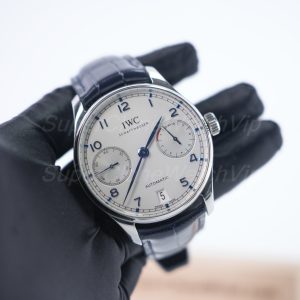
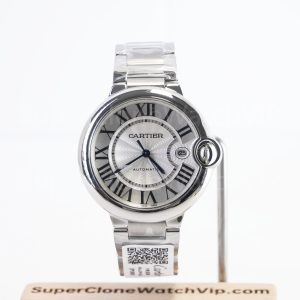
The datejust vs day-date decision is not only about status. It is about wrist presence, daily comfort, outfit range, and how naturally a watch fits normal use.
For a cleaner daily profile, start with the Datejust replica watches collection. For a stronger formal look, compare the Day-Date replica watches collection first.
Quick verdict: datejust vs day-date
For a first Rolex-style watch, Datejust is usually the safer daily choice. It looks refined without feeling too formal, so it works with office clothing, knitwear, jackets, and weekend outfits.
Day-Date is different. It creates a stronger formal signal through the day window at 12 o’clock and the President-style bracelet. Therefore, it fits dressier wardrobes better than very casual routines.
In short, the datejust vs day-date choice is a balance between flexibility and presence. Datejust suits more days. Day-Date makes a stronger impression.
Authority note: Rolex describes the Datejust as a model with a date window at 3 o’clock and emblematic Datejust features, while the Day-Date is known for showing both the date and full day of the week in separate windows. For original model background, see the official Rolex references: Rolex Datejust and Rolex Day-Date.
Use cases: which watch fits which lifestyle?
Datejust daily wear: easier for normal rotation
Datejust is easier to wear repeatedly because it does not demand a formal outfit. A fluted bezel and Jubilee bracelet can feel classic, while a cleaner dial keeps the watch practical.
As a result, datejust daily wear is the main advantage. It can move from work to dinner without looking out of place. This makes a datejust replica a sensible first step for balanced styling.
Day-Date presence: better for dressier moments
Day-Date carries more visual weight. The full day display and President-style bracelet create a formal identity before the dial color is even considered.
Therefore, a day-date replica suits formal outfits, business shirts, tailored jackets, and evening settings. However, it may feel too strong with very relaxed clothing.
Datejust vs Day-Date comparison table
A useful comparison should not stop at model prestige. Instead, it should look at size, bracelet feel, daily comfort, and how clear the next purchase step becomes.
| Decision point | Datejust | Day-Date | Best first-time direction |
|---|---|---|---|
| Main impression | Classic, balanced, versatile | Formal, powerful, status-focused | Datejust for safer daily use |
| Outfit range | Office, casual, dinner, travel | Formal, smart casual, evening wear | Choose by real weekly clothing |
| Sizing risk | Lower, especially in 36mm or balanced 41mm styles | Higher because bracelet and dial feel stronger | Check wrist presence before Day-Date sizing |
| Visual strength | Moderate and easy to control | Stronger and more recognizable | Datejust first if unsure |
| Best role | One-watch daily rotation | Statement dress watch | Match the watch to wearing frequency |
Selection standards: how to choose without regret
1. Start with real wearing frequency
First, consider which watch will be worn more often. Datejust usually wins when one watch needs to cover work, travel, weekends, and social dinners.
2. Judge size by total wrist presence
Next, case diameter should not be judged alone. Bracelet design, bezel shine, dial color, and case profile all affect how large the watch feels. This is especially important for day-date sizing.
3. Keep the first dial easier to style
Finally, simple dial colors are safer. Black, silver, white, blue, and champagne tones work across more outfits. Meanwhile, green, diamond, or strong gold-tone looks should be chosen with a clear style reason.
Product match: practical routes after comparing Datejust vs Day-Date
After the main comparison, the next step should be simple. One route focuses on daily flexibility. The other route focuses on stronger formal presence. Each image below is clickable and leads to the matching product page.
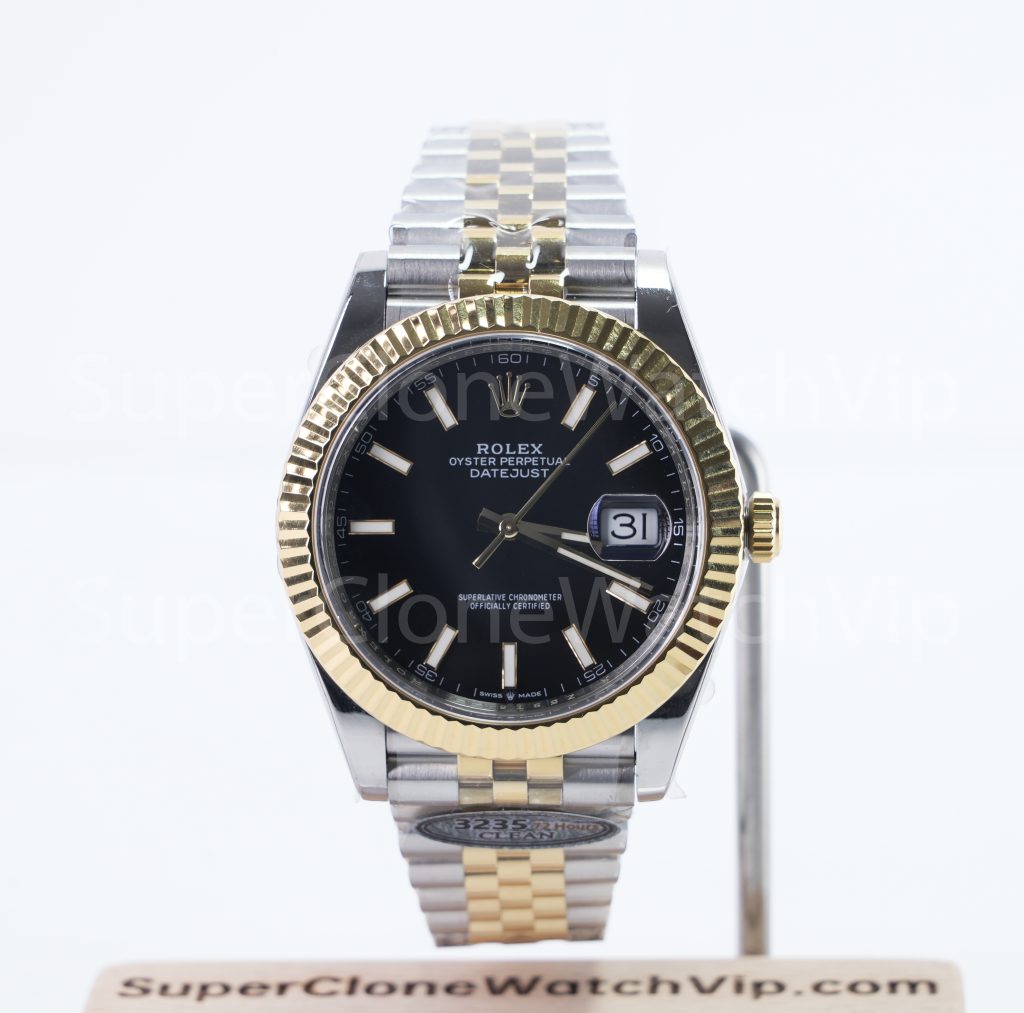
Datejust 126333 black dial 41mm
This Datejust route fits daily wear with a more polished edge. The black dial controls the shine, while the fluted bezel and Jubilee bracelet keep the watch recognizable.
Best fit: first Rolex-style daily watch, office wear, smart casual outfits, and a balanced luxury look without going fully formal.
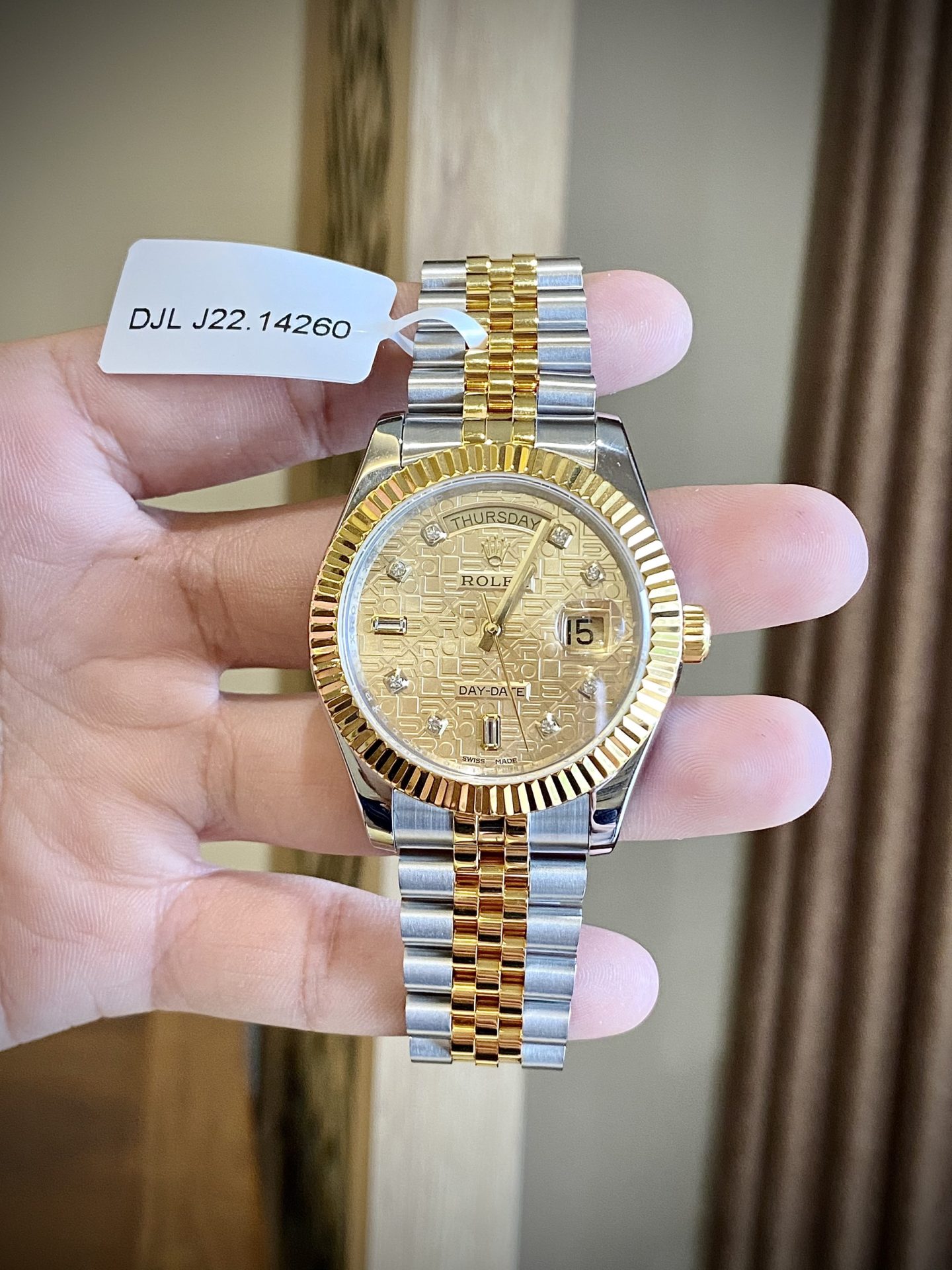
Day-Date 116233 gold dial 40mm
This Day-Date route is stronger and more formal. The gold dial, day window, and dress-style bracelet create a clearer statement on the wrist.
Best fit: formal outfits, business shirts, evening settings, and a watch choice where visible presence matters more than quiet versatility.
Need QC comparison before deciding?
When both models feel close, compare real QC photos before shipment. Dial tone, marker alignment, date window position, bracelet finishing, and clasp details can change the final decision.
Common mistakes when choosing Datejust or Day-Date
Mistake 1: choosing only by status
Day-Date may look like the higher-status answer. However, a stronger watch is not always the better first watch. If it feels too formal, it may get less wrist time.
Mistake 2: ignoring bracelet impact
Bracelet style changes the full impression. Jubilee feels classic and flexible. President-style bracelets feel more formal and heavier in mood. Therefore, bracelet choice should not be treated as a small detail.
Mistake 3: choosing a dial that is hard to wear
Strong dial colors look attractive in product photos. However, simpler colors usually work better for a first watch. Black, silver, white, blue, and champagne tones are easier to match across the week.
Buying advice: a clear path from comparison to selection
A practical datejust vs day-date decision should begin with the wearing scene. Datejust is the stronger first choice when one watch needs to cover many situations. Day-Date is the stronger choice when the watch should feel more formal and symbolic.
Before placing an order, compare the series page, product photos, size direction, dial color, and QC process. For a wider view, the full Rolex replica watches category can help confirm whether another Rolex-style model fits better.
- Choose Datejust when daily wear, lower styling risk, and outfit flexibility matter most.
- Choose Day-Date when formal presence, gold-tone styling, and stronger recognition matter most.
- Request QC photos before shipment, especially for dial, bezel, bracelet, clasp, and date-window details.
FAQ: Datejust vs Day-Date
Is Datejust better than Day-Date for a first Rolex-style watch?
In most cases, yes. Datejust is easier to wear with more outfits and feels less formal. Day-Date is better when stronger presence is the main goal.
Which one is better for daily wear?
Datejust is usually better for daily wear. It has a more flexible profile, more dial directions, and less styling pressure than Day-Date.
Is Day-Date too formal for casual outfits?
It can be. Day-Date works well with smart casual clothing, but it may feel too dressy with very relaxed outfits. A simpler dial can soften the effect.
What should be checked in QC photos?
Check dial printing, hour markers, hands, date window, day window on Day-Date, bezel profile, bracelet finishing, clasp, and overall visible condition.
Which size is safer for a first choice?
A 36mm Datejust or Day-Date feels classic. A 40mm Day-Date feels stronger. A 41mm Datejust feels modern but can still remain balanced with the right dial.
Final advice: choose the watch that will actually be worn
The final datejust vs day-date answer is simple. Datejust is the stronger first choice for everyday flexibility. Day-Date is the stronger choice for formal presence and a more powerful wrist statement.
For the most practical route, shortlist one Datejust and one Day-Date, compare sizing, then request QC photos before shipment. This keeps the decision clear and reduces the chance of choosing only by product photos.