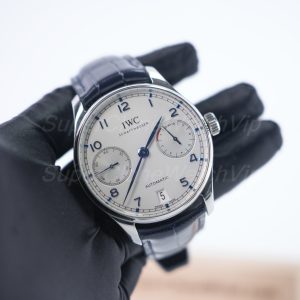
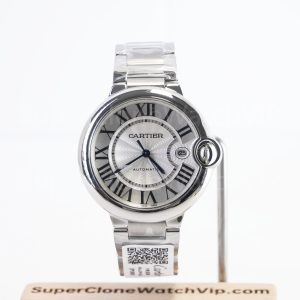
A seaside weekend and a mechanical chronograph dial suggest two completely different ideas of an Omega-style watch. One calls for a rotating bezel, clear markers and an easy sport profile; the other makes sub-dials, a tachymeter scale and pusher action part of the attraction. The Omega super clone Seamaster Speedmaster decision should therefore begin with the routine you actually repeat, then move to the family-specific QC evidence needed before approval.
This is not a choice between two versions of the same sports watch. Seamaster designs are built around dive-watch visual language, while Speedmaster designs are built around chronograph heritage. The best direction becomes clearer once you compare function layout, dial complexity, case profile, bracelet or strap use, and the photos or videos that can verify the prepared piece.
Article sections
Choose Dive-Watch Utility or Chronograph Heritage
Start with the feature you expect to notice every time the watch goes on the wrist. A Seamaster-style model puts the bezel, markers, hands and bracelet or rubber strap at the center of the experience. It reads quickly and carries a stronger outdoor or weekend character. A Speedmaster-style model asks you to enjoy a busier dial, a fixed tachymeter frame and the mechanical ritual of chronograph pushers.
The distinction matters because the approval process changes with it. A dive-style face can be judged heavily through alignment, insert fit, dial texture and bracelet connection. A chronograph face adds sub-dial spacing, hand reset, pusher position and function behavior. Neither family is automatically better; one simply asks for more visual and functional evidence.
Do not let a special colorway decide before the family does. First choose the type of watch you want to live with, then compare dial color, case size and available version inside that family. The Omega model collection is the appropriate browsing route after that first decision.
| Scenario | Function | Dial Complexity | Wrist Feel | QC Photo or Video | Recommended Family |
|---|---|---|---|---|---|
| Frequent casual and weekend wear | Time, date where included, and rotating-bezel layout | Moderate; waves, markers and bezel must stay visually aligned | Sporty and visually direct | Straight dial photo, angled bezel photo and rotation clip | Seamaster |
| Chronograph interest is the main attraction | Start, stop and reset where the listed version supports them | High; sub-dials, hand stack and printed scales share the face | Technical and detail-focused | Front and side photos plus a full chronograph operation video | Speedmaster |
| Simple first Omega-style purchase | Easy time reading with fewer controls to verify | Lower than a multi-register chronograph | Familiar sport-watch presence | Complete photo set; short bezel and clasp video | Seamaster Diver direction |
| Office-casual clothing with mechanical character | Chronograph layout without a dive-style bezel | High, but visually restrained in classic dark-dial versions | Tool-watch character that can look less bulky | Dial close-up, side profile and reset proof | Speedmaster |
| Bold wrist presence is intentional | Dive or dive-chronograph layout, depending on the exact model | Moderate to high | Thicker and more substantial | Side profile, end-link fit and wrist-angle photos | Seamaster Planet Ocean direction |
Seamaster: Bezel, Wave Dial and Bracelet
A Seamaster-style watch is read from the outside inward. The rotating bezel forms the first frame, the wave-pattern dial creates depth, and the hands and markers must remain clear against that texture. A straight front photo should show whether the 12 o’clock bezel marker, dial center, minute track and main hand stack sit on the same visual line.
The bezel insert should appear evenly seated around the crystal, with clean numeral spacing and no obvious height change from one side to the other. Reflections can make ceramic-style surfaces look uneven, so request one direct photo and one angled photo before deciding. Still images can show alignment and finish; they cannot show rotation. A short clip should demonstrate movement, resistance and return to the reference position without making any unverified water-resistance claim.
Wave texture needs normal-light inspection rather than an overexposed close-up. The pattern should remain visible without swallowing the printed text or making markers appear misplaced. Check the four main quarter positions, hand length, lume fill and date centering where a date is included. The official Omega Seamaster Diver 300M collection can be used only as design background; approval must come from the actual prepared watch.
Bracelet fit completes the Seamaster look. End links should meet the case without one side sitting noticeably higher. Brushing should run consistently, polished transitions should look controlled, and the bracelet should drop naturally rather than flare away from the lugs. Rubber straps need a different check: the curve near the case, keeper position, buckle finish and edge treatment matter more than link alignment.

Planet Ocean direction for stronger wrist presence
Use this model direction to judge whether a larger case, chronograph layout, bold bezel accents and steel bracelet fit your routine. Ask for a side profile and wrist-angle view before treating diameter alone as a fit decision.
Speedmaster: Sub-Dials, Bezel and Chronograph Layout
A Speedmaster-style watch should be reviewed from the center outward. Begin with the central chronograph hand at rest, then compare the sub-dial positions, printed tracks and hand lengths. The registers should feel balanced as a group rather than crowded toward one side. Small differences become more visible because the dial contains several visual centers instead of one.
The tachymeter bezel is fixed visual architecture, not the same type of feature as a Seamaster rotating bezel. Check numeral clarity, spacing, the position of the 60 marker and the gap between the bezel and crystal. A slight camera tilt can make the scale look off-center, so use a direct front image before judging.
Side photos are essential because the crown and pushers control the case profile. The upper and lower pushers should appear parallel, the crown should sit straight between them, and the case should not look unexpectedly blocky for the chosen version. Bracelet end links or strap gaps can also change how the watch sits even when the front view looks balanced.
Special dial themes add another layer. On silver-blue or artwork-focused versions, inspect color consistency, small printed details and caseback presentation without allowing the theme to distract from basic chronograph alignment. The official Omega Speedmaster Moonwatch Professional collection provides design context, but the selected piece still needs its own straight photos and function video.
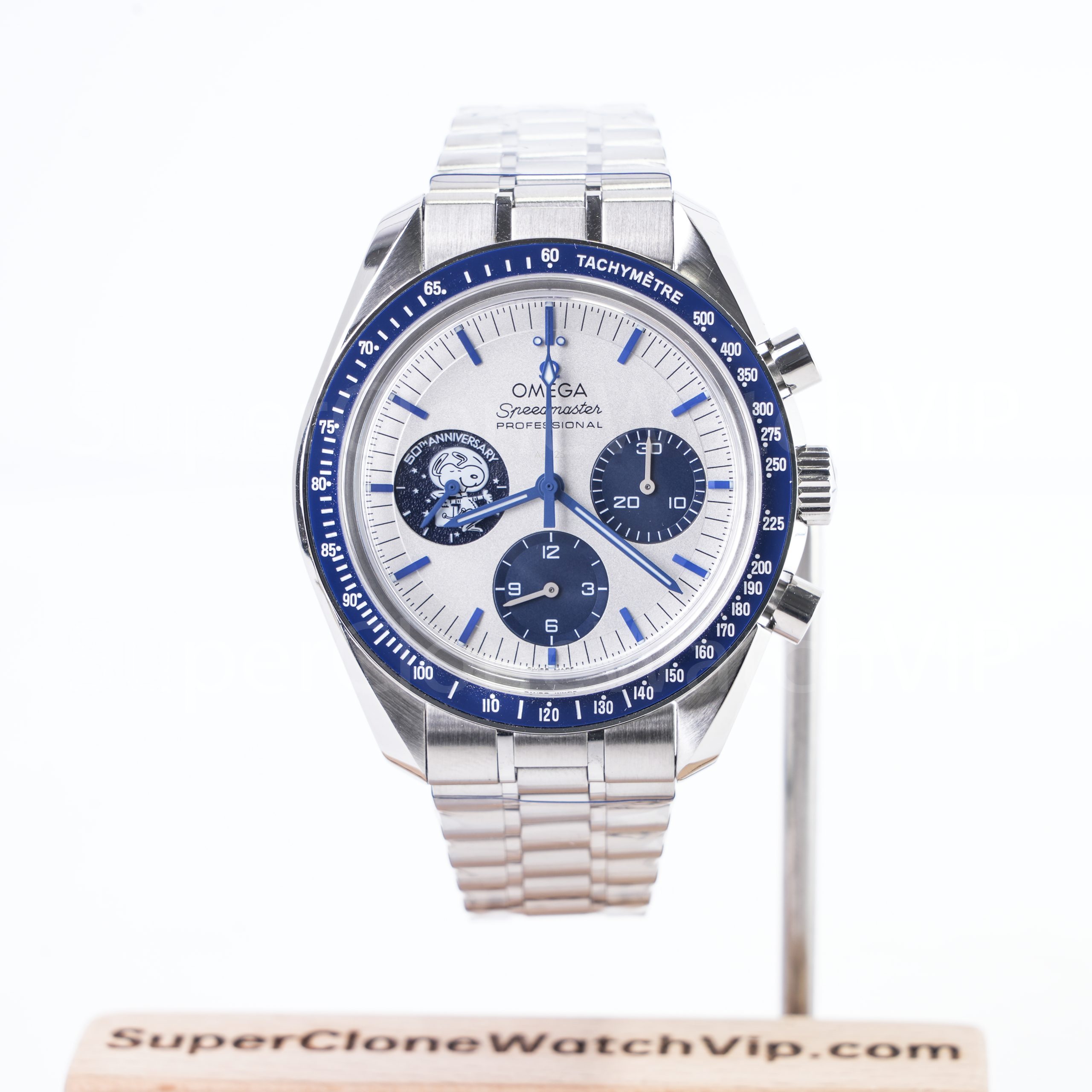
Silver-blue Speedmaster direction for a more distinctive dial
Use this model direction to inspect blue bezel tone, silver dial clarity, sub-dial balance, bracelet fit and themed details. Request a short start-stop-reset video rather than approving the chronograph from still photos alone.
Case Size, Thickness and Wrist Feel
Diameter is only the first fit signal. Thickness, lug shape, end-link behavior and the position of weight above the wrist often matter more. A watch with curved lugs and flexible first links may wear smaller than its number suggests, while a thick case with flat end links can feel larger and more top-heavy.
Seamaster Diver directions often create width through the bezel and bracelet. Planet Ocean directions can add more height and visual mass, especially when chronograph controls are present. Speedmaster directions may look flatter from the front, but the pusher side, crystal profile and exact movement construction can still affect thickness. Do not transfer a wrist-fit conclusion from one reference to the entire family.
Before approval, ask for three fit-oriented images: a full side profile, a three-quarter angle showing the lugs, and a wrist-style or cushion shot showing how the bracelet or strap leaves the case. Compare those images with a watch you already wear comfortably. The site’s watch size guide can support this step without replacing model-specific side photos.
Fit rule: choose a larger Seamaster direction because you want its height and presence, not because its product photo looks more impressive. Choose a Speedmaster because the chronograph face appeals to you, not because every version is assumed to wear thin.
Bracelet, Strap and Everyday Styling
A steel bracelet gives both families a complete sports-watch profile, but the visual effect differs. On a Seamaster, the bracelet reinforces the bezel and high-contrast dial. On a Speedmaster, it supports the compact technical character of the chronograph face. Inspect brushing direction, polished transitions, screw or pin areas, end-link seating and clasp flatness because these details are handled and seen every day.
Rubber is most natural when you want the Seamaster to feel casual and contemporary. The strap should follow the case curve without a large open gap, and the first section should bend rather than push the case upward. Leather or fabric-style straps can soften a Speedmaster and make its dial the main focus, but stitching, edge paint, buckle alignment and lug gaps deserve close photos.
For a one-watch casual rotation, neutral dial and strap combinations are usually easier to repeat through the week. A themed Speedmaster or brightly accented Planet Ocean works better when the visual statement is intentional. Styling should follow frequency: the watch worn four days a week needs easier clothing compatibility than the watch chosen for occasional weekend use.
Movement and Function Checks by Family
Factory or version names should be considered after the exact model is chosen. One label cannot prove that every Seamaster bezel, every Speedmaster chronograph or every batch will perform the same way. Ask which current version is available for the exact product link, then request proof that matches the functions listed for that version.
For a Seamaster three-hand or date layout
- Show crown operation for winding and time setting.
- Show date setting and a centered date display where the selected model includes a date.
- Show bezel rotation and return position on rotating-bezel versions.
- Show clasp opening and closure, plus strap or bracelet articulation.
For a Seamaster chronograph or Speedmaster chronograph
- Record the central chronograph hand starting, stopping and resetting.
- Confirm that the reset returns cleanly to its intended rest position.
- Show the advertised sub-dial behavior rather than assuming every register is functional.
- Include a side angle while the pushers are operated so alignment and handling can be seen together.
- Show crown setting and clasp closure in the same evidence set.
Movement decoration visible through a caseback may support a visual check, but it does not replace operation proof. Avoid approving a chronograph from a movement label or catalog description alone. The family, listed functions, current version and evidence from the prepared watch should agree.
Seamaster vs Speedmaster QC Evidence
A useful QC set answers different questions for each family. The site’s pre-shipping QC process provides the general workflow. For this comparison, approval should also follow the family-specific evidence below.
Seamaster evidence set
- Straight dial image for bezel-to-dial alignment.
- Angled image for insert seating and wave texture.
- Side image for case height, crown and valve position where present.
- End-link, bracelet drop, clasp or rubber-strap close-ups.
- Short bezel, crown, date and clasp handling video as applicable.
Speedmaster evidence set
- Straight dial image for sub-dial spacing and hand rest position.
- Bezel close-up for tachymeter print and insert fit.
- Pusher-side image for case profile and control alignment.
- Bracelet or strap, clasp and caseback close-ups.
- Chronograph start-stop-reset video, plus crown and clasp operation.
Chronograph complexity should change the evidence threshold, not create automatic rejection. More printed scales and moving parts mean more opportunities for misalignment or uncertainty, so approval should require more angles and a complete operation clip. The video proof page explains how motion evidence can support still photos.
Use a simple approval rule: do not reject a watch because one angled photo creates reflection, and do not approve a function because the seller says it works. Ask for one extra direct image when alignment is unclear and a short continuous video when operation is unclear. Keep the product link, version note, QC set and final approval message together.
Choose the Omega Family That Fits Your Routine
Count activities instead of collecting brand stories. If most weeks contain casual clothes, travel, outdoor errands and easy weekend wear, a Seamaster Diver direction is usually the more natural starting point. If the pleasure comes from reading sub-dials, operating pushers and looking at a classic timing layout, a Speedmaster direction deserves the extra inspection work.
A larger Planet Ocean direction makes sense when substantial case presence is part of the goal and side-profile photos confirm that the height is acceptable. A themed Speedmaster makes sense when the special dial is something you will still enjoy after the novelty of the first week. Neither choice should be made only because it carries the louder model story.
Before sending a request, write down three facts: the activities you repeat most often, the approximate wrist size or a comfortably worn reference watch, and the exact product link. Then ask whether the prepared piece can be shown with the appropriate Seamaster or Speedmaster evidence set. This turns a broad family preference into an approval decision that can be checked.
Request evidence for the family you selected
Send the target model, preferred bracelet or strap, wrist-fit concern and the family-specific photo or video checks you need. Ask for missing evidence before approval rather than trying to solve uncertainty after shipment.
Request family-specific QC evidenceRelated Omega Checks
Seamaster Bezel, Bracelet and Dial QC
Use the model-specific guide when wave texture, bezel rotation, date centering, end links and clasp action need a deeper review.
Read the Seamaster QC guideSpeedmaster Chronograph, Bezel and Dial QC
Use the chronograph-focused guide for sub-dial balance, tachymeter printing, pusher alignment, reset proof and themed-dial details.
Read the Speedmaster QC guideWatch Size and Case-Fit Guide
Compare diameter with thickness, lug shape and bracelet behavior before deciding that a larger Omega-style case will fit.
Review watch sizingFAQ: Seamaster or Speedmaster?
Which family is easier for daily casual wear?
A Seamaster Diver direction is usually easier when casual wear, travel and weekend use dominate the week. Its sport profile is visually direct, and the main QC areas are easier to organize. A Speedmaster can still work daily, especially in a restrained dark-dial configuration, but its chronograph layout requires more inspection.
What Seamaster bezel and wave-dial details need QC?
Check the 12 o’clock bezel marker against the dial center, insert seating, numeral clarity and bezel edge. On the dial, review wave spacing under normal light, marker positions, hand length, lume fill and date centering where included. Use direct and angled photos, then request a short bezel-rotation clip.
Which Speedmaster functions require video?
Ask to see chronograph start, stop and reset, including the central hand returning to its intended rest position. The clip should also show the advertised sub-dial behavior, crown setting and clasp closure. Still photos remain necessary for print, spacing and alignment.
How does chronograph complexity affect approval?
It raises the amount of evidence needed. More registers, hands, scales and controls create more alignment and function checks, so one front photo is not enough. Complexity is not a reason to reject the family; it is a reason to require a complete photo set and continuous operation video.
Should a first Omega-style watch prioritize dive or chronograph design?
Prioritize dive design when you want straightforward daily styling and a simpler evidence set. Prioritize chronograph design when sub-dials, tachymeter layout and pusher operation are the main reason for choosing the watch and you are willing to review more detailed QC.