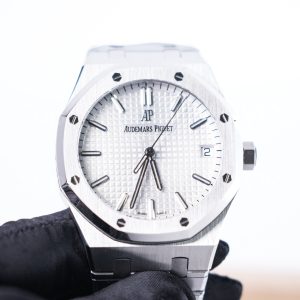
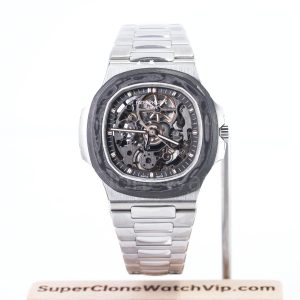
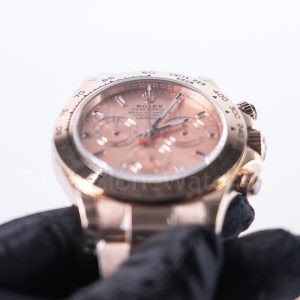
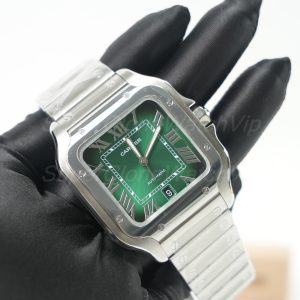
The safer route is the one that leaves fewer important facts unverified before payment and dispatch.
In a ready to ship vs custom order replica watch decision, ready stock usually carries less sourcing uncertainty. However, a custom request can be safer when the exact dial, strap, bracelet, case tone, or reference cannot change.
The practical test is simple. Confirm the intended configuration, record the payment sequence, review evidence for the allocated unit, and approve shipping only after the visible details match the request. This method suits both a straightforward first order and a narrow model search where a near match would not be acceptable.
Ready to Ship vs Custom Order Replica Watch: What Makes One Route Safer?
Safety does not come from the route label. Instead, it comes from alignment between the requested model, the payment record, the evidence shown, and the unit approved for dispatch. A super clone watch order becomes easier to assess when those four points remain connected from the opening inquiry to final approval.
Ready stock reduces the number of sourcing steps. By contrast, a custom request reduces the chance of accepting the wrong configuration. Neither advantage matters when current availability, QC scope, payment timing, or acceptable alternatives remain vague.
Choose ready stock when the exact configuration is already confirmed.
The route is strongest when current stock evidence and pre-shipping review remain part of the process.
Choose custom sourcing when a near match would defeat the purpose.
A precise written brief must define the reference, visible configuration, acceptable alternatives, and approval sequence.
When Ready-to-Ship Is the Lower-Risk Choice
A ready-to-ship route works best when the exact reference already exists and the current unit can be tied to the order record. As a result, the sourcing stage becomes shorter and fewer details can change before QC.
Still, “in stock” is only a starting point. A useful confirmation names the reference, dial, bracelet or strap, available version, present condition, and next action. Broad statements about an entire collection do not confirm one specific watch.
Green lights
- The exact model link and visible configuration are confirmed.
- Current stock evidence matches the written order summary.
- QC review still happens before dispatch.
- No special sourcing or uncommon alternative is needed.
Stop signals
- Only catalog images support the stock claim.
- Payment urgency replaces written confirmation.
- The available strap, dial, or case tone differs from the request.
- Shipping approval appears automatic rather than explicit.
When the model already fits every non-negotiable point, ready stock is usually the cleaner path. For broader model research before that confirmation, the site’s watch buying guide helps organize model choice, version questions, QC, and shipping considerations.
When a Custom Order Creates the Safer Result
Custom sourcing adds time and uncertainty, yet it avoids a different risk: settling for the wrong watch. This route makes sense when a particular dial, strap, bracelet, case tone, or reference defines the whole decision.
However, the request must be narrow enough to verify. Phrases such as “closest version” or “something similar” leave too much room for interpretation. A strong brief states what must match, what may change, and what should happen if sourcing cannot meet the request.
The Custom Order Brief
Complete Before Payment
The order and payment process should match that brief. In particular, the stock status, payment stage, QC sequence, and dispatch approval should be confirmed for the selected model rather than copied from a different transaction.
A Practical Ready to Ship vs Custom Order Replica Watch Decision Table
One priority should lead the route choice. Meanwhile, any unresolved issue around identity, payment, or approval means the decision is not ready.
| Decision signal | Safer route | Reason |
|---|---|---|
| Exact reference is confirmed now | Ready-to-ship | Fewer sourcing variables remain |
| Dial or strap cannot change | Custom order | The configuration leads the search |
| A near match would be acceptable | Ready-to-ship | Current options can be compared directly |
| Rare combination matters most | Custom order | Speed matters less than exact sourcing |
| Current unit or QC scope is unclear | Pause | Neither route has enough evidence |
Three mistakes that distort the decision
The first mistake is treating speed as proof. A short dispatch promise does not confirm the exact unit, current condition, or approval sequence. When urgency enters the conversation, the written summary should become more specific rather than shorter.
Another mistake is ranking every detail as equally important. That creates a long checklist without a real decision. A better approach separates three non-negotiable points from several preferences, so an available alternative can be judged without changing the original purpose.
The final mistake is mixing model selection with QC. Selection defines what should be sourced, while QC checks whether the allocated unit matches that definition. If those stages blur together, a visible difference may be accepted simply because sourcing has already taken time.
Proof, Payment, QC, and Shipping Approval
Evidence should match the stage of the order. Before payment, the record should prove the requested configuration and explain the process. After allocation, the evidence should show the actual unit prepared for review.
Catalog photographs, current stock photographs, and allocated-unit QC are not interchangeable. Each one answers a different question. Keeping those stages separate prevents an attractive product image from being treated as proof of current availability or final condition.
Identity
Record the exact product link, reference, dial, and strap or bracelet.
Payment scope
Confirm the amount, included costs, payment stage, and official contact route.
QC evidence
Review the allocated unit through agreed front, side, clasp, and detail views.
Dispatch approval
Approve shipping only after the visible configuration matches the written record.
What a useful QC set should answer
A straight front view should confirm the reference direction, dial layout, marker placement, hands, visible date or sub-dials, and overall cleanliness. Side views should then show the case profile, crown position, pushers when present, and the way the bracelet or strap meets the case.
Bracelet models need clear clasp and link views because finishing problems can affect the entire appearance. Strap models need different evidence, including stitching, edge finish, buckle, attachment points, and natural curve. In both cases, neutral lighting is more useful than dramatic reflections.
The site’s QC process outlines front, side, caseback, bracelet, clasp, and close-up checks. Meanwhile, video proof before shipping can add context for reflections, clasp action, bracelet movement, strap curve, or visible functions when available.
Color should also be judged carefully. White balance, exposure, and reflective surfaces can shift the appearance of a dial or case tone between images. When a mismatch seems possible, request a repeat view under consistent lighting instead of relying on two unrelated photographs.
After approval, shipping becomes a separate stage. Recipient information, destination, route expectations, and tracking should then follow the site’s shipping and customs guidance. This separation keeps product questions from being carried unresolved into dispatch.
How One Patek 5712 Choice Changes the Order Route
The Patek Philippe collection shows why route choice cannot be separated from configuration. A bracelet-led 5712/1R and a leather-strap 5712R may share a related design direction, yet the fit, visual balance, clasp, attachment points, and QC priorities are different.
Suppose the bracelet version is confirmed as current stock, while the leather version needs sourcing. Ready-to-ship is safer only when the bracelet is genuinely preferred. If the leather strap defines the intended look, custom sourcing avoids an immediate compromise.
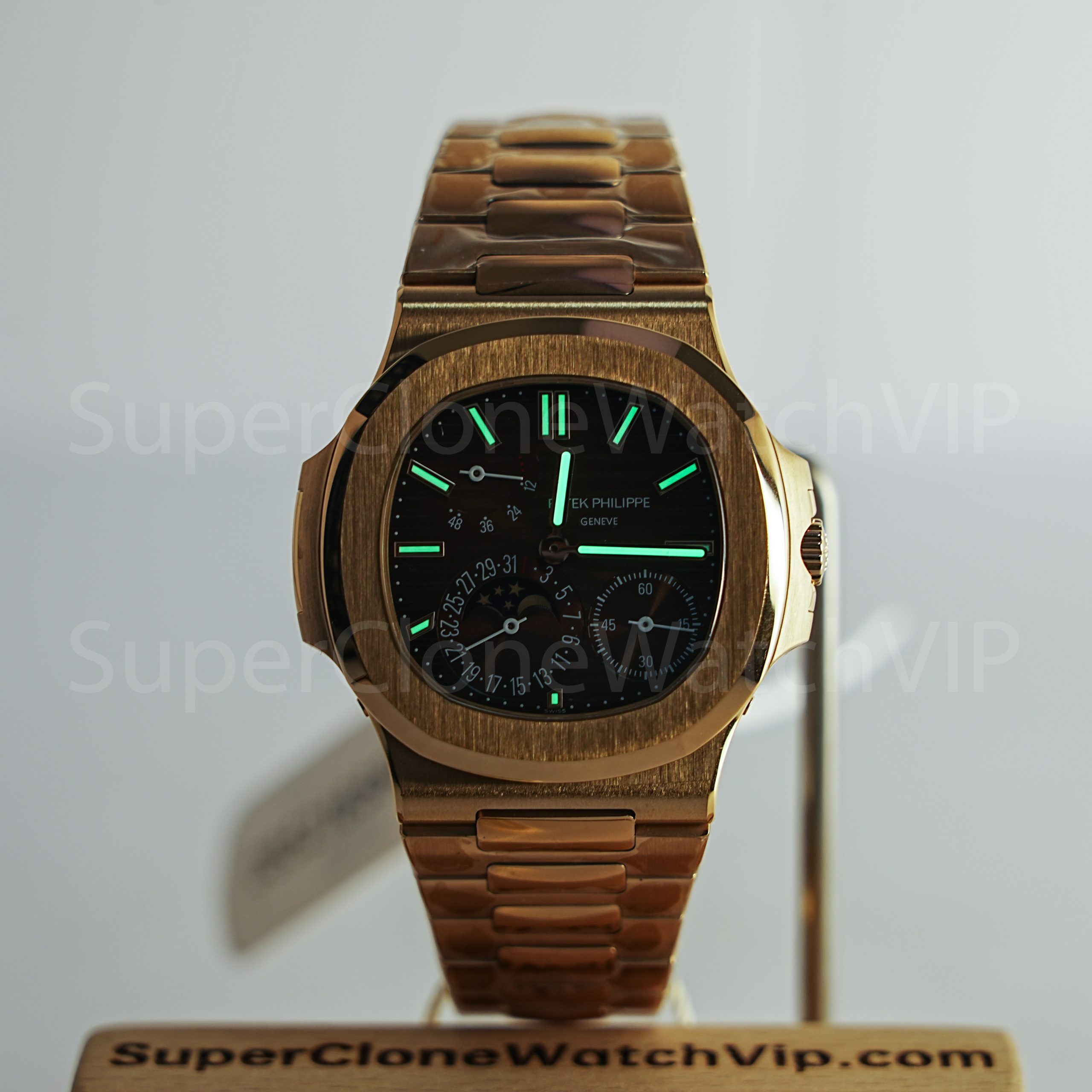
5712/1R Bracelet Configuration
Prioritize the exact bracelet, clasp, link finish, dial layout, and case-to-bracelet transition.
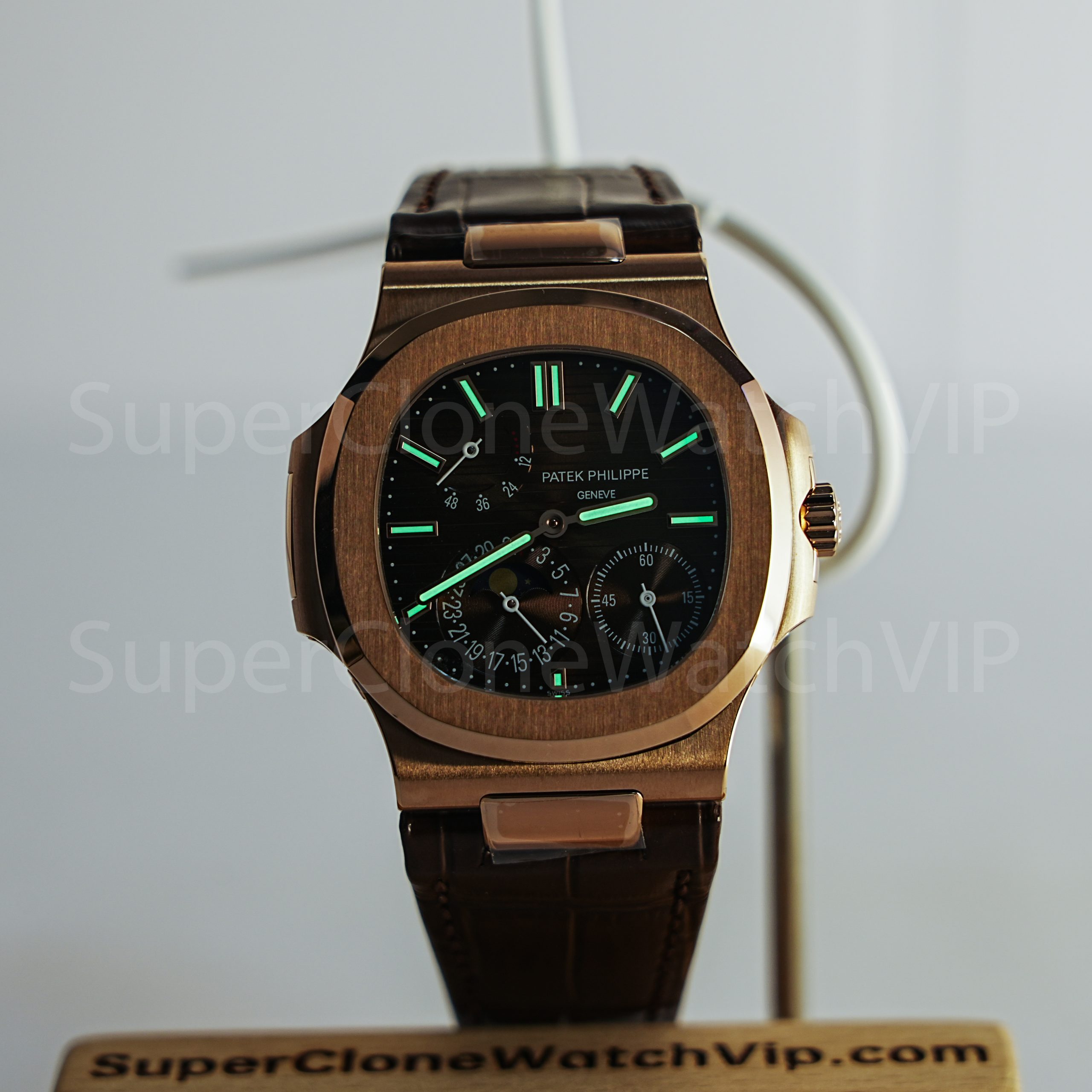
5712R Leather Configuration
Confirm strap color, stitching, attachment, buckle style, dial layout, and acceptable alternatives.
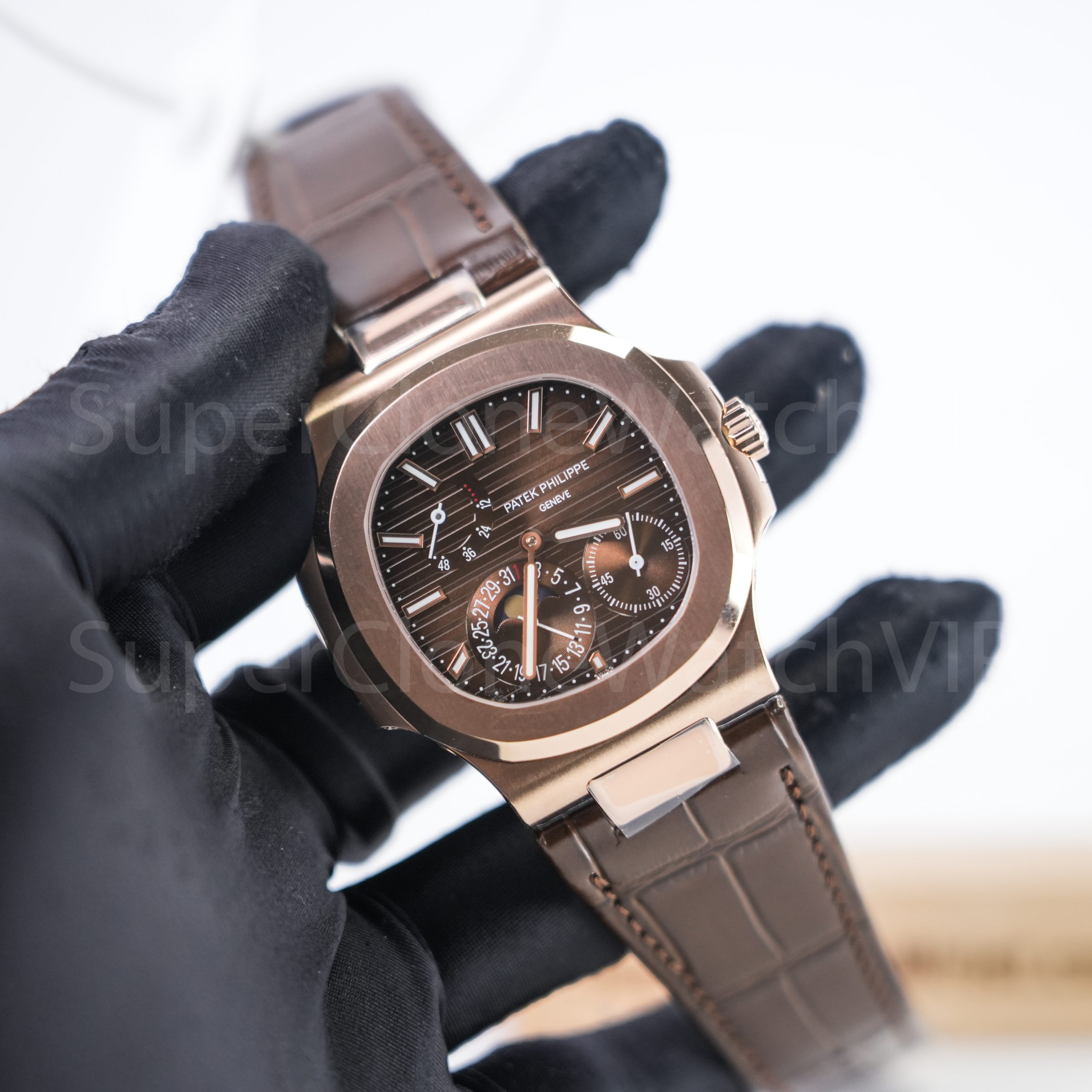
Case and Strap Perspective
An angled view adds context for case profile, crown position, strap connection, and real-light appearance.
The route also changes with other case families. In the Cartier collection, case shape, bracelet construction, strap choice, and wrist presence may lead to a different set of non-negotiable details.
This is why a ready to ship vs custom order replica watch comparison should begin with wearing priorities rather than stock alone. A bracelet may create a stronger integrated look, while a leather strap may suit a quieter setting. Once that preference is clear, the order route becomes easier to defend and the QC request becomes more focused.
For a broader Patek design comparison, the published Nautilus vs Aquanaut guide separates bracelet-led and strap-led priorities before QC.
Choose the Route, Then Lock the Evidence
The ready to ship vs custom order replica watch comparison ends with one question: which path leaves fewer meaningful unknowns? Ready stock is usually safer when the exact configuration already exists. Custom sourcing is usually safer when the configuration matters more than speed.
Next, save the preferred product link and one acceptable alternative. Then confirm the route, payment stage, QC scope, and dispatch approval through the official contact page. More model and process articles are available in the guide library.
- Record the exact reference, dial, bracelet or strap, and accepted alternatives.
- Confirm current availability, payment timing, QC evidence, and the reselection path.
- Approve dispatch only after the allocated unit matches the written request.
Ready to Ship vs Custom Order Replica Watch FAQ
Is ready-to-ship always safer than custom sourcing?
No. Ready stock lowers sourcing uncertainty only when the exact configuration is confirmed. If the available watch changes a non-negotiable detail, a precise custom request can create the safer outcome.
What should prove that a ready-to-ship watch is currently available?
The confirmation should identify the exact reference, visible configuration, available version, and next step. Current stock images or an allocation update add more value than a general catalog image.
When does a custom order make more sense?
Custom sourcing makes sense when the intended dial, strap, bracelet, case tone, or reference is not available. The brief should also state which alternatives are acceptable and which details cannot change.
Should payment happen before QC photographs?
The sequence can vary with stock status and the model. However, the payment stage, QC timing, reselection process, and shipping approval rule should be documented before funds move.
What is the safest final approval message?
The message should confirm the correct model and configuration, note any accepted limitations, and state clearly that shipping may proceed. Silence or a vague reaction should not serve as dispatch approval.