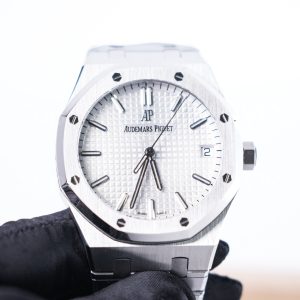
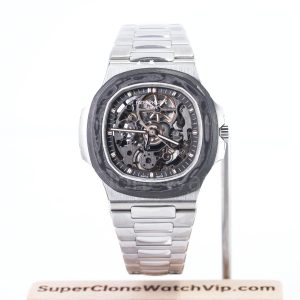
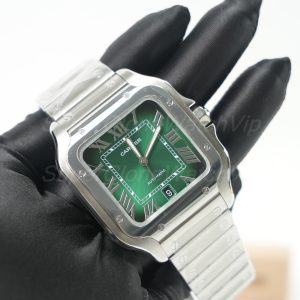
A useful watch video proof before shipping should confirm three things: the prepared watch matches the order, the visible condition is clear, and the relevant moving parts behave consistently on camera. This review matters most for a first order, a chronograph, a rotating bezel, a date display, an openworked dial, or a detailed clasp. However, video should support still QC photos rather than replace them. Photos allow slow inspection, while motion reveals crown use, clasp action, bezel movement, bracelet articulation, hand response, and changing reflections. For broader model research, the main replica watch page provides the category path. The dedicated video proof overview explains the supporting service.
What the Video Must Prove
The strongest clip begins with identity, not motion. At the opening, the watch should appear beside an order reference or another agreed identifier. Meanwhile, the dial color, bezel style, bracelet or strap, case finish, and visible layout should match the written order.
Next, a straight front view should remain still for several seconds. This angle makes dial balance, hand position, date placement, bezel alignment, and obvious surface marks easier to review. By contrast, constant wrist rolls may look polished while hiding the details that matter.
Side views should follow at a slower pace. The crown side, opposite case side, lugs, strap connection, end links, clasp, and caseback should remain visible without fingers covering the area. In practice, a controlled pass offers more evidence than fast cinematic movement.
Function should match the model. A simple three-hand design may only need crown use, time setting, date change, clasp closure, and bracelet movement. A chronograph, rotating bezel, GMT-style display, or openworked design needs a more focused sequence. The site’s QC process provides the wider still-photo framework for the same approval stage.
A useful continuity rule
Keep the same watch in frame during identity, function, and closing views whenever possible. If a cut is necessary, the agreed reference should appear again before the next test.
Build the Request Before Recording Starts
A strong watch video proof before shipping request is short, specific, and tied to the selected model. Before recording, the written order should already confirm the model, visible configuration, bracelet or strap, and the actions that need demonstration. Otherwise, an attractive clip may arrive without answering the main approval question.
For earlier selection work, the order selection guide separates model choice from final inspection. In addition, the first-order checklist connects stock confirmation, QC evidence, approval, and dispatch in one record.
Identify the exact piece
Show the agreed reference beside the watch at both the opening and closing views.
Hold useful angles
Pause at the front, both case sides, the clasp, the strap or bracelet, and the caseback.
Test only relevant actions
Demonstrate crown, date, bezel, chronograph, or clasp operation only when the model includes it.
Use neutral lighting
Reduce strong glare, heavy shadows, filters, and rapid focus changes that hide small details.
Control framing, timing, and scale
Framing should stay wide enough to keep the whole watch identifiable. However, important details still need enough size for a fair review. A useful sequence can begin with the complete watch, move closer for one area, and then return to the full view.
Timing also matters. A date change or chronograph reset should not happen between cuts. Instead, the camera should show the control being used and the visible result in the same sequence. This removes doubt about which action caused the change.
Scale can be helpful when case presence or bracelet length remains uncertain. In that case, a neutral reference beside the watch may provide context. Still, the approved product listing and written configuration remain the main sources for size-related decisions.
The final request should read like an inspection plan, not a long wish list. For example, one clear date-window view is better than asking for “more detail.” Likewise, one continuous clasp sequence is better than several unrelated wrist shots.
A Practical Video-Proof Decision Table
This watch video proof before shipping table turns each request into an approval decision. As a result, the review does not depend on vague impressions or one attractive angle.
When one row remains unclear, a short targeted clip is usually enough. In contrast, repeating the full recording can create more footage without resolving the actual question.
Match the Evidence to the Watch
Different designs need different proof. Within the OMEGA collection, a clean three-hand layout needs less motion evidence than a crowded chronograph. Accordingly, watch video proof before shipping should follow the dial layout and visible controls rather than one universal script.
The examples below serve as inspection exercises. Each image links directly to the matching product page, while the notes explain which evidence would carry the most value.
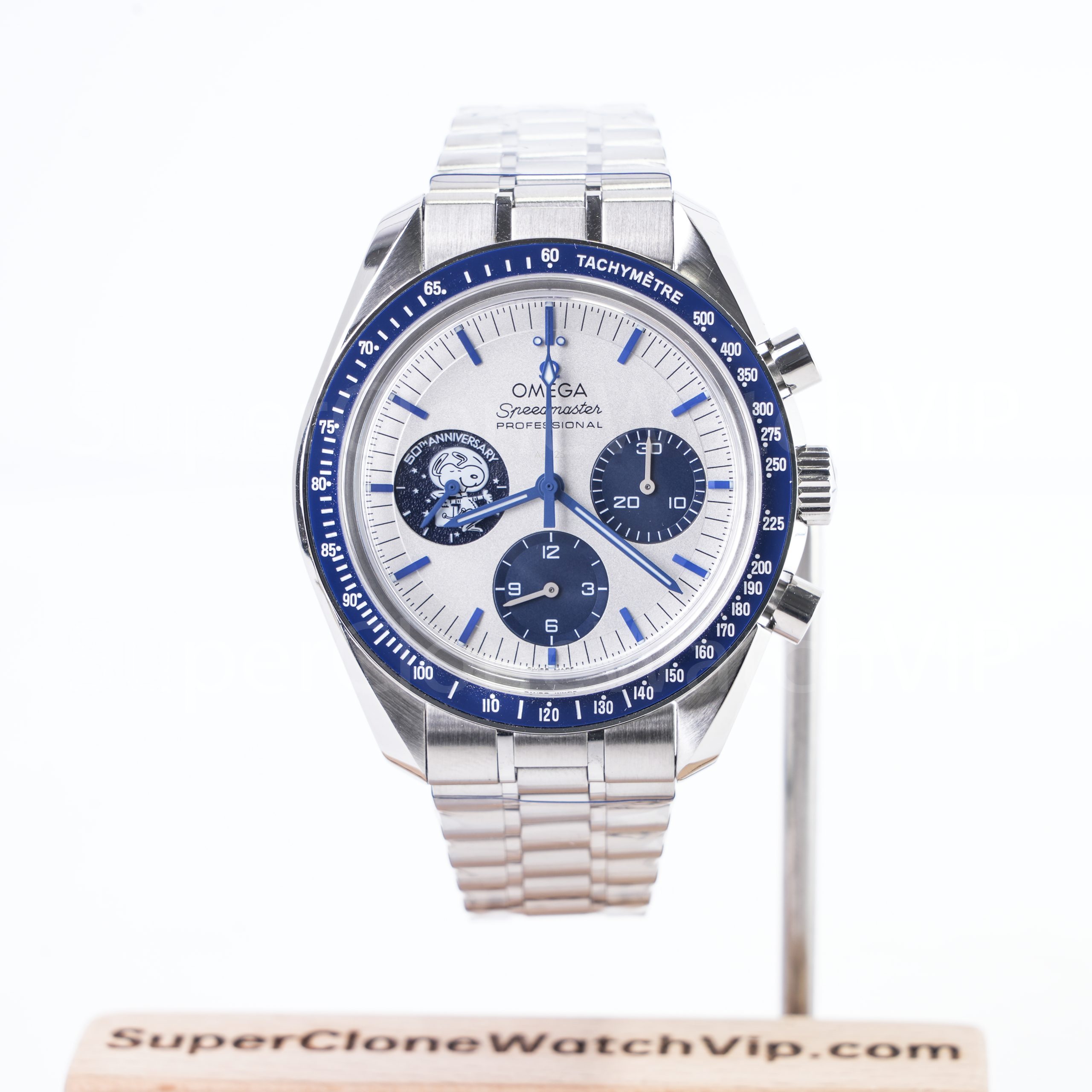
Chronograph review
Omega Speedmaster Silver Snoopy
Hold the dial straight, then show the pushers and one uninterrupted start, stop, and reset sequence. Bracelet and clasp views should follow.
View the model →

Bezel and color review
Omega Planet Ocean Grey-Orange
Use steady neutral light for the dial and bezel. Afterward, show the case sides, crown area, pushers, bracelet movement, and clasp closure.
View the model →
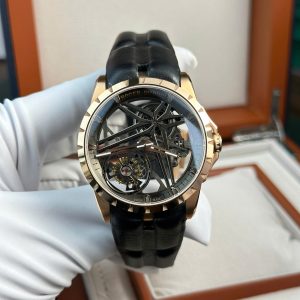
Openworked dials and unusual case shapes need a slower pace. The Richard Mille collection offers useful examples of layered dials, curved cases, strap connections, and exposed visual architecture. Here, focus should remain stable while the camera pauses at the front, case edges, crown area, and strap junctions.
Add proportion checks when wrist fit matters
A product image explains design, yet it does not always show how the case and bracelet relate in normal handling. When proportion matters, one top-down hand-held view can show lug spread, bracelet drop, clasp length, and the visual weight of the case.
Even so, a hand-held view should not become a precise sizing promise. Camera distance, lens choice, and hand size can alter perception. The clip works best as supporting context beside the confirmed listing and order details.
After comparing model types, the wider OMEGA model page can help separate simple layouts from function-heavy options. That distinction keeps the evidence request proportionate.
What Video Cannot Confirm—and Where Approval Goes Wrong
Even clear watch video proof before shipping has limits. It cannot establish long-term accuracy, water resistance, shock resistance, internal lubrication, exact material composition, or future reliability. Likewise, it cannot confirm hidden parts that never appear on camera.
Still photos remain better for dial print, marker edges, date centering, small scratches, and other details that need zooming. Meanwhile, video works better for motion, continuity, clasp action, crown use, bezel movement, and changing reflections. A balanced approval uses each format for its strongest purpose.
Mistake: approving the overall look first
A clean clip cannot correct the wrong dial, bracelet, strap, or visible configuration. Order identity comes before finishing.
Mistake: relying on one wrist roll
A wrist roll shows shine and presence. However, it can hide the clasp, caseback, crown side, and straight dial alignment.
Mistake: accepting rushed function clips
When the watch leaves frame during a function test, the result remains unclear. The relevant display should stay centered.
Mistake: judging sound alone
Microphones exaggerate clicks, room echo, and hand contact. Sound adds context, yet visual consistency remains more useful.
Lighting can also distort judgment. Strong reflections may hide dust or small marks, while warm light can shift dial and bezel color. In that situation, a short repeat under softer neutral light solves more than a broad complaint.
Keep the Final Approval in Writing
The recording provides evidence, while the written message records the decision. After watch video proof before shipping is reviewed, the final note should identify the model, visible configuration, approved QC set, reviewed function clip, destination details, and dispatch status.
The order process places QC review before shipment approval. Meanwhile, the official contact page keeps model, evidence, payment, and shipping questions in one route. Further model research remains available in the watch guides library.
Approval note template
“Model and visible configuration confirmed. QC photos reviewed. Video reviewed for the agreed crown, clasp, bezel, and function checks. Approved for shipment to the confirmed destination details.”
Make follow-up requests easy to answer
A useful follow-up names the exact area, preferred angle, and required action. For example, “show the clasp from fully open to fully closed” is clearer than “send another clasp video.” Likewise, “hold the date window straight for five seconds” removes unnecessary interpretation.
The response should then be compared with the original order record, not with memory. This step matters when several models, colors, or strap options appeared earlier in the same conversation. One concise written reference prevents details from drifting.
However, approval should pause when one visible question remains unresolved. A focused close-up or short repeat clip should settle that point before dispatch. A reaction icon or casual reply does not create a clear order record.
FAQ and Final Actions
Is watch video proof before shipping necessary for every order?
No. A simple watch with a complete still-photo set may only need a short identity and handling clip. However, chronographs, rotating bezels, date displays, openworked dials, and detailed clasps benefit more from motion evidence.
Should the clip arrive before payment or during final QC?
The evidence request should be agreed before payment. Meanwhile, a clip of the prepared piece belongs to the QC stage before shipment approval. Availability and scope should never remain assumed.
How long should the recording be?
Length matters less than coverage. A concise continuous clip that shows identity, useful angles, relevant actions, and the closing reference carries more value than a long edited montage.
Can video replace QC photos?
No. Photos support zooming and slow comparison. By contrast, video supports motion, continuity, handling, light response, and model-specific function checks.
What should happen when one action remains unclear?
Approval should pause. A targeted repeat should show one area, one angle, and one action. This approach resolves the question without restarting the whole inspection.
Three actions before shipment approval
A reliable watch video proof before shipping review stays narrow and evidence-led. The clip should match the order, show relevant motion, and end with a clear written decision.
- Confirm the exact model, visible configuration, and agreed reference at the opening and closing views.
- Compare still QC photos with one continuous clip covering only the relevant moving parts.
- Record approval in writing, then release the order through the confirmed process and contact route.