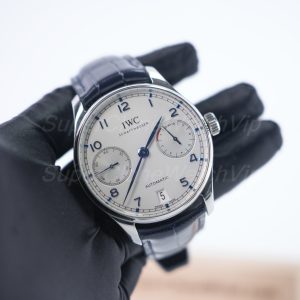
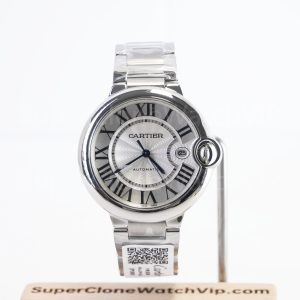
When comparing datejust vs day-date, the real question is not only which watch looks more prestigious. Instead, the better decision depends on wrist size, daily clothing, dial taste, bracelet comfort, and how formal the watch should feel in real life.
For a flexible first Rolex-style watch, the Datejust replica usually gives easier daily balance. However, the Day-Date replica creates a stronger formal identity with its full day display and President-style bracelet.
Quick verdict: datejust vs day-date
In most first-watch situations, Datejust is the safer and more wearable choice. It has a cleaner profile, more flexible sizing, and a wider range of dial and bracelet combinations. As a result, it fits office wear, weekend clothing, travel outfits, and casual dinners without looking forced.
Day-Date is better when the watch should feel more formal and more symbolic. The day window at 12 o’clock, date window at 3 o’clock, fluted bezel, and President-style bracelet create a stronger presence. However, that same presence can feel too dressy for simple daily outfits.
Fast answer
- Choose Datejust for daily balance, easier styling, and a softer first Rolex-style look.
- Choose Day-Date for formal presence, stronger recognition, and a more prestige-driven wrist image.
- Choose the exact model only after checking size, dial, bracelet, date alignment, and QC photos.
Clear definition before choosing
What the Datejust represents
Datejust is a classic dress-sport watch with a date window, Cyclops-style date magnifier, and a very adaptable case shape. In addition, Rolex’s official Datejust page presents the model around its date window at 3 o’clock, Cyclops lens, and Jubilee bracelet identity. Reference: official Rolex Datejust page.
For replica selection, Datejust works well because the design does not rely on one loud detail. A smooth bezel can look clean and modern. Meanwhile, a fluted bezel with Jubilee bracelet gives a more traditional Rolex-style finish.
What the Day-Date represents
Day-Date is a more formal Rolex-style watch. It shows both the day and the date, so the dial carries more visual weight than Datejust. Moreover, the President-style bracelet makes the watch feel dressier even before considering dial color or case tone.
Therefore, Day-Date should not be chosen only because it looks more expensive. It should be chosen when a stronger, more ceremonial wrist presence fits the wardrobe and occasion.
Why this guide is not only about prestige
Many shallow comparisons treat Day-Date as the automatic winner because it feels more prestigious. However, prestige alone does not decide whether a watch will feel natural after one week of wear. A stronger model can still be the wrong choice if the size, shine, bracelet weight, or dial layout does not match the actual wearing scene.
For that reason, this comparison puts daily use, wrist proportion, outfit fit, and QC risk ahead of status language. In practical terms, the better watch is the one that looks convincing on the wrist, passes visual checks, and supports the way it will actually be worn.
Best use cases for datejust vs day-date
Datejust for daily wear and low-risk styling
For office wear, business casual clothing, short travel, and regular dinners, Datejust usually feels more natural. The case profile is familiar, the dial is easy to read, and the bracelet choices make styling simple. Therefore, datejust daily wear remains the main reason many first-time collectors start here.
A 36mm Datejust feels classic and controlled. Meanwhile, a 41mm Datejust gives more modern presence without turning the watch into a full statement piece. For a first watch, that middle ground is valuable.
Day-Date for formal presence and stronger identity
Day-Date fits a different role. It works best with tailored clothing, evening outfits, business dinners, and moments where the watch should be noticed. However, it is less neutral than Datejust because the day window and President-style bracelet create instant recognition.
For a refined look, silver-tone, white dial, or rose-gold-tone versions can feel more controlled. For maximum classic presence, yellow-gold-tone Day-Date remains the most recognizable direction.
Mid-page decision help
Before selecting a model, compare wrist size, dial color, bracelet type, and QC photos. This avoids choosing a watch that looks good in a product image but feels too dressy or too large in daily use.
Key differences: datejust vs day-date
The table below focuses on practical ownership factors. Instead of only comparing design names, it looks at daily comfort, sizing, style risk, and product-matching logic.
| Factor | Datejust | Day-Date | Better first choice when… |
|---|---|---|---|
| Daily wear | Flexible, clean, easy under sleeves | Dressier and more noticeable | Datejust wins for daily use |
| Wrist presence | Balanced and controlled | Formal, strong, status-driven | Day-Date wins for statement style |
| Sizing | 36mm and 41mm are common practical options | 36mm feels classic; 40mm feels stronger | Datejust offers easier size comfort |
| Visual risk | Low to medium, depending on bezel and dial | Medium to high, depending on gold tone and dial | Datejust is safer for a first watch |
| QC risk | Date window, bezel, dial markers, bracelet fit | Day wheel, date window, bracelet, gold-tone finishing | Check photos before final approval |
Product matching
Related products matched to the comparison
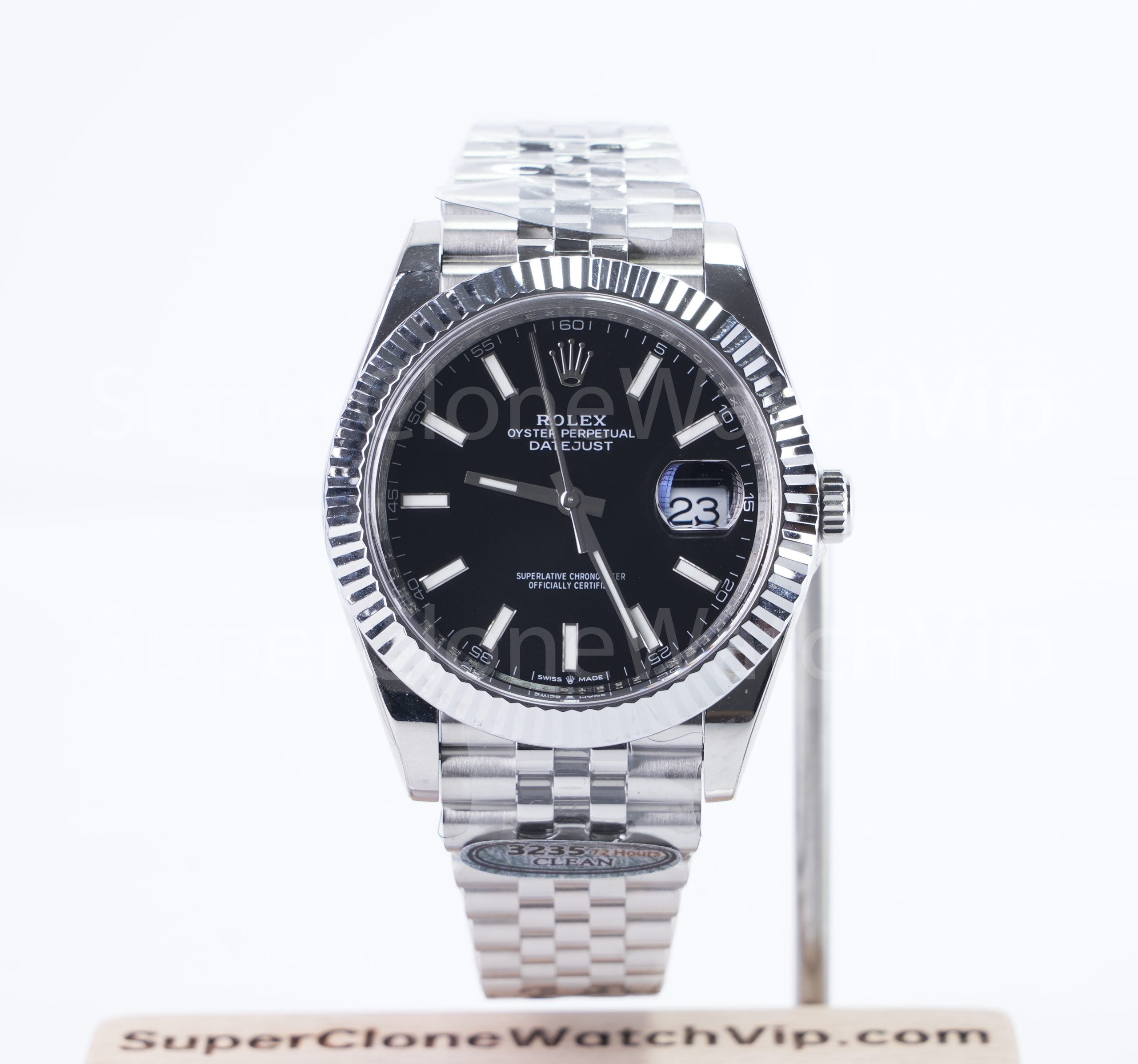
Datejust 41 Black Dial
Suitable for daily wear with a sharper, more polished look. The black dial, fluted bezel, and Jubilee bracelet create recognition without reaching the stronger formality of Day-Date.
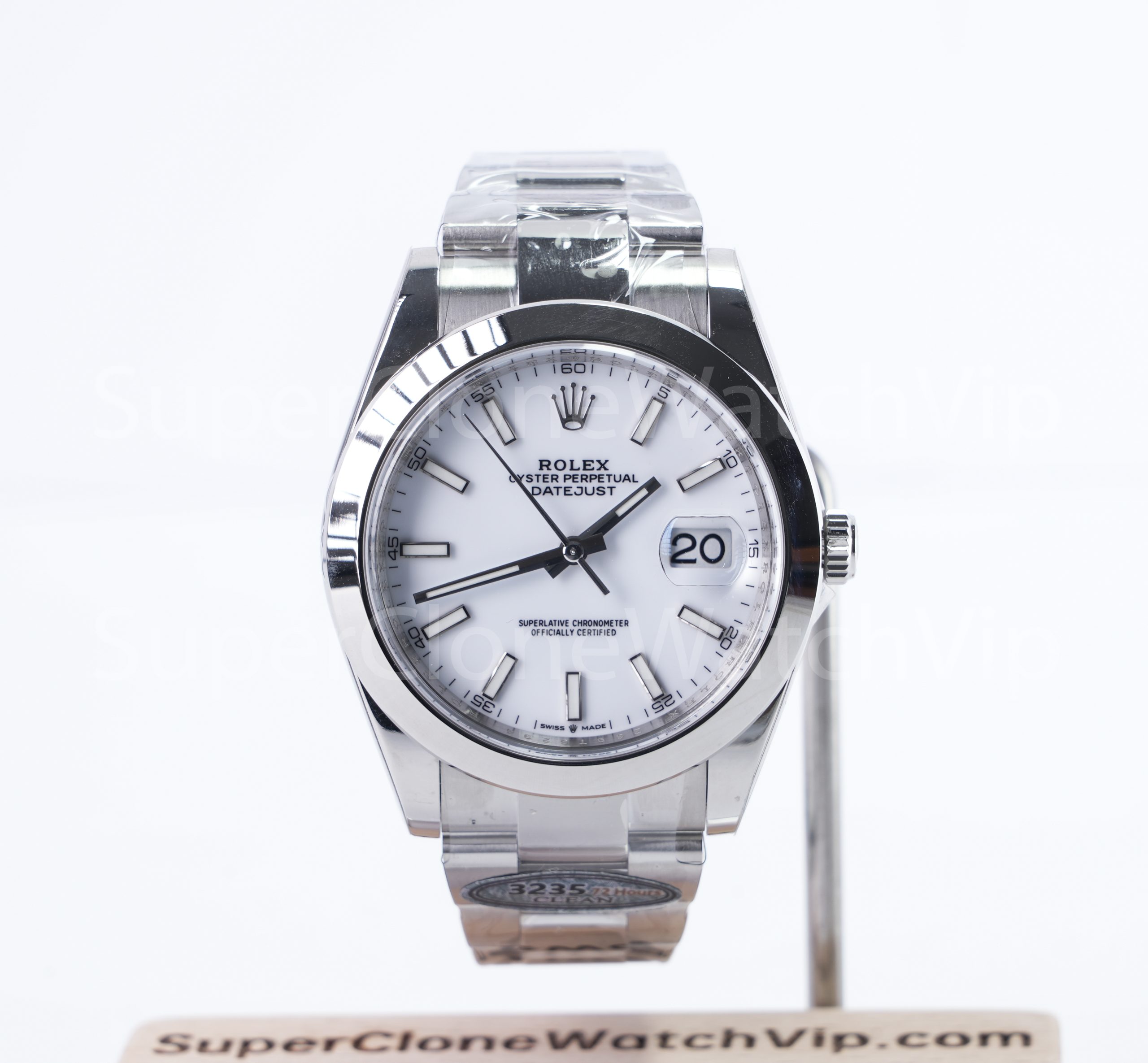
Datejust 41 White Dial
Suitable for a larger wrist and a cleaner modern profile. The smooth bezel and Oyster bracelet make this direction less dressy than a fluted Jubilee setup.
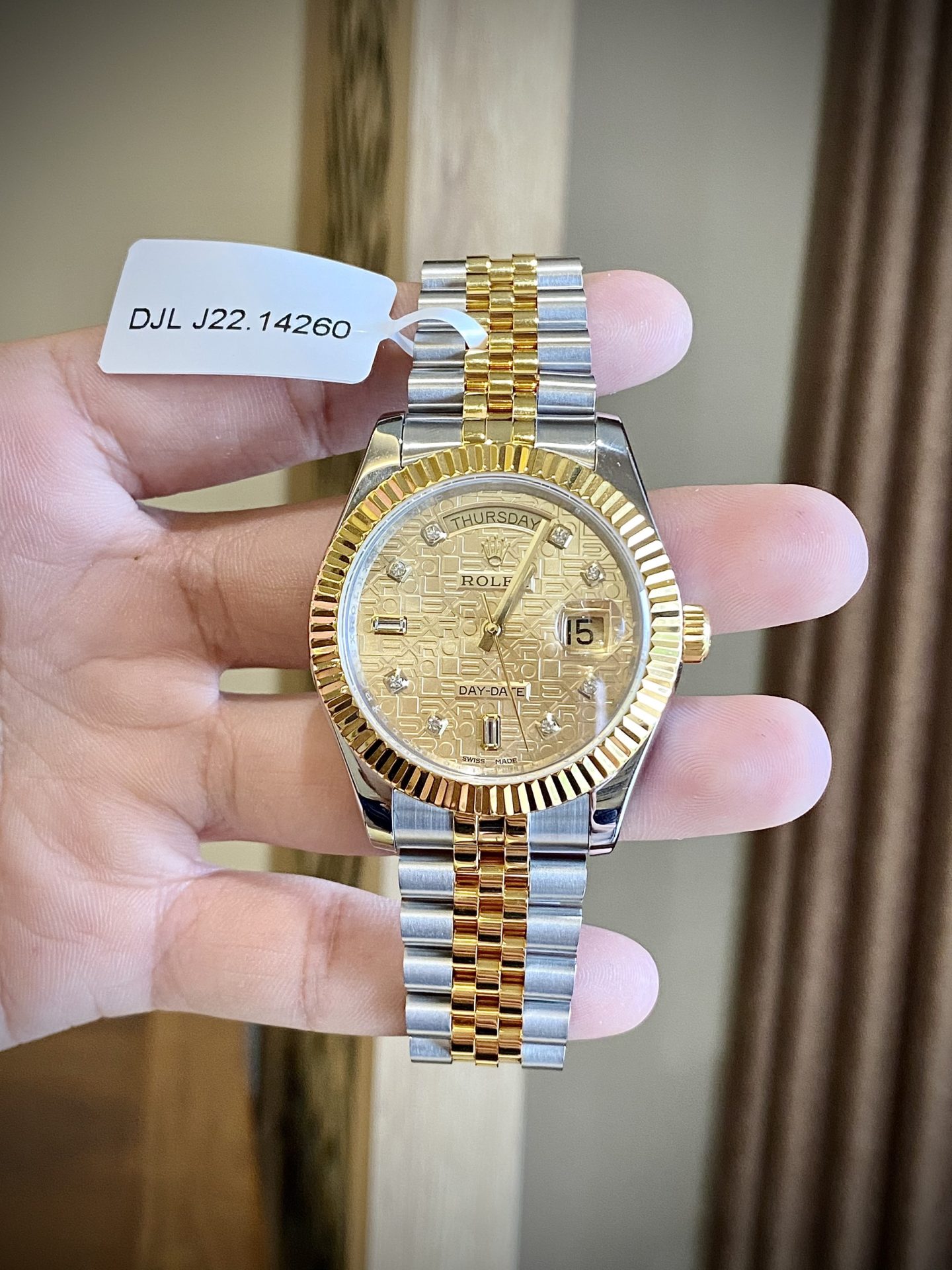
Day-Date 40 Gold Dial
Suitable for formal presence, stronger recognition, and a bolder wrist image. This direction fits occasions where the watch should look more ceremonial.
Series pages for broader selection
Selection standards for datejust vs day-date
1. Start with wrist proportion
First, case diameter should be matched with wrist shape, not only wrist measurement. A flat wrist often carries a larger case better. Meanwhile, a rounder wrist may look cleaner with a smaller size.
Datejust 36 is the safest classic size. Datejust 41 feels more modern. For Day-Date, 36mm feels traditional, while 40mm creates stronger presence. Therefore, day-date sizing should be checked with wrist photos whenever possible.
2. Match bracelet style to clothing
Next, bracelet style changes the whole watch. Jubilee looks refined and flexible. Oyster feels cleaner and slightly sportier. President-style bracelet feels more formal and more recognizable.
For a quiet wardrobe, Datejust on Oyster or Jubilee usually fits better. For tailored clothing, Day-Date can feel more natural. However, too much shine can reduce daily versatility.
3. Check dial and bezel together
Finally, dial and bezel should be viewed as one package. A fluted bezel already adds shine, so a simple dial often creates better balance. Meanwhile, diamond-style markers or strong gold tone should be paired with simpler clothing.
Common mistakes to avoid
Mistake 1: choosing only by photo impact
Product photos often make the boldest watch look most attractive. However, daily wear is different. A gold-tone Day-Date may look impressive online, yet feel too formal with simple clothing.
Mistake 2: ignoring QC details
Small details decide the final impression. Therefore, date alignment, day wheel centering, dial printing, bracelet finishing, clasp feel, and bezel polish should be reviewed before shipping.
Mistake 3: choosing by identity instead of real use
A more prestigious model is not always the better first watch. Instead, the better choice should match wearing frequency, clothing style, wrist size, and QC confidence. This is where Datejust often wins against Day-Date for daily use.
Purchase advice and final checklist
For a first Rolex-style purchase, Datejust should be the default option when daily versatility matters most. It works with more outfits, feels less formal, and gives enough recognition without becoming too heavy visually.
Meanwhile, Day-Date is the better direction when the watch is expected to act as a formal signature. It is less neutral, but it delivers a stronger identity. The key is to choose the model because it fits the wearing scene, not because it appears more expensive.
Before confirming a model, check:
- Case size, bracelet style, dial color, and bezel finish.
- Date window, day window, marker alignment, and clasp details.
- Real QC photos instead of relying only on product-page images.
- Whether the watch fits daily wear, formal wear, or both.
FAQs
Is Datejust better than Day-Date for a first Rolex-style watch?
Usually, yes. Datejust is easier to wear every day, easier to size, and easier to match with different outfits. However, Day-Date is stronger when the goal is formal presence.
Which Datejust replica configuration is safest?
A Datejust with a silver, black, blue, or champagne dial is usually a safe first direction. In addition, a fluted bezel with Jubilee bracelet gives the most classic look, while a smooth bezel with Oyster bracelet feels cleaner.
Does Day-Date feel too formal for daily wear?
It can. Day-Date has a stronger bracelet, a fuller dial layout, and a more formal case impression. Therefore, it works best when formal clothing or stronger wrist presence is part of the normal style.
What matters most in day-date sizing?
Case diameter matters, but it is not the only factor. Bracelet width, gold-tone finish, dial color, and wrist shape also change the visual size. A 40mm Day-Date can look stronger than a 40mm sports watch.
What should be checked in QC photos?
Check dial printing, marker alignment, date magnification, day wheel centering, bezel finish, bracelet fit, clasp engraving, and overall case finishing. For Day-Date, the day window deserves extra attention.
Conclusion: datejust vs day-date
In the datejust vs day-date decision, Datejust is the more practical first choice for most new collectors. It has better daily range, more forgiving sizing, and a cleaner path from casual outfits to formal settings.
Day-Date is still the stronger statement. It works best when the watch should feel formal, prestigious, and more visually powerful. Therefore, the final decision should come from wrist proportion, clothing style, and QC confidence.
Final three-step action plan
- Choose Datejust for daily balance, or Day-Date for formal presence.
- Confirm size with wrist proportion, not only case diameter.
- Ask for QC photos before confirming dial, bezel, bracelet, and alignment.